ARTE
BELEZA E BEM-ESTAR
ARTESANATO
CULTURA E HISTÓRIA
ENTRETENIMENTO
MEIO AMBIENTE
COMIDA E BEBIDAS
ENGENHARIA REVERSA
CIÊNCIAS
ESPORTES
TECNOLOGIA
TECNOLOGIA VESTÍVEL
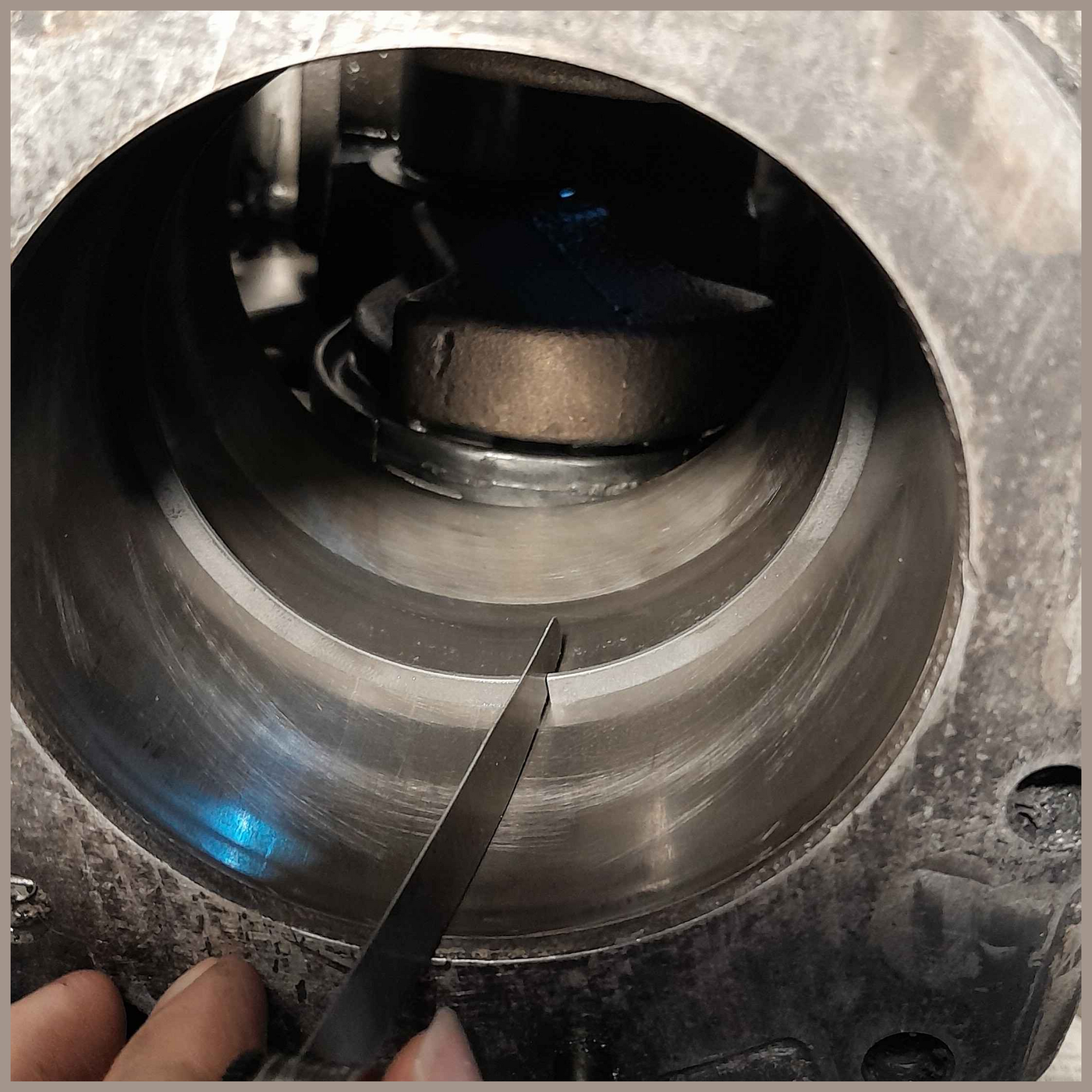

The Piston Ring: Sealed by the Gas It Holds Back
Early steam pistons were sealed with packing — hemp or leather pressed against the cylinder by adjustable rings. In the 1850s John Ramsbottom, locomotive superintendent of the London and North Western Railway, replaced it with a thin split ring of iron sprung into a groove round the piston. It is still how every piston in every engine is sealed.
The ring's own spring presses it lightly against the wall. The gas it is holding back gets into the groove behind it and presses it far harder — so the higher the pressure, the tighter the seal. Its one enemy is heat: the ring must have a gap so it does not jam when it grows.
This rung works out both effects and makes a split ring from a pipe to feel its spring.
Iniciante
About 2 hours
Instruções
1
1
Gas loading and the end gap
Gas loading and the end gap
A carregar o notebook Jupyter…
2
2
Make a split ring and feel its spring
Make a split ring and feel its spring
Cut a 5 mm slice from a copper pipe slightly larger than a second, rigid tube that will be your 'bore'. Saw a 3 mm gap through the slice: that is the ring. It now springs open wider than the bore.
Squeeze it closed with your fingers and push it into the bore: it grips the wall all round. Hook the spring scale to it and pull it along the bore: the reading is the friction its spring alone produces.
Measure the gap with the feeler gauges when the ring is in the bore — that is how an engine builder checks a real ring: square in the bore, gap measured, compared with the specification.
Materiais para este passo:
 Tubagem de cobre0.1 metro
Ferramentas necessárias:
 Corta-tubos
 Jogo de apalpa-folgas
 Dinamómetro (balança de mola)
 Paquímetro digital de 6 polegadas
3
3
History and context
History and context
**John Ramsbottom**, of the London and North Western Railway, introduced the narrow split cast-iron piston ring for locomotive pistons in the 1850s; 'Ramsbottom rings' replaced adjustable packing. No patent number is asserted here.
Modern pistons carry a stack: a top compression ring, a second ring that scrapes and seals, and an oil-control ring that wipes oil back down.
**Honest limits.** A ring seals least well at low pressure and at the moment the piston reverses; it wears, and the cylinder wears with it; and a stuck or broken ring lets gas past into the crankcase ('blow-by') and oil up into the combustion chamber.
Materiais
1- 0.1 metroReferência
Ferramentas necessárias
4- Referência
- Referência
- Referência
- Referência
Blueprints relacionados
Estes blueprints compartilham conhecimento — técnicas, materiais ou princípios
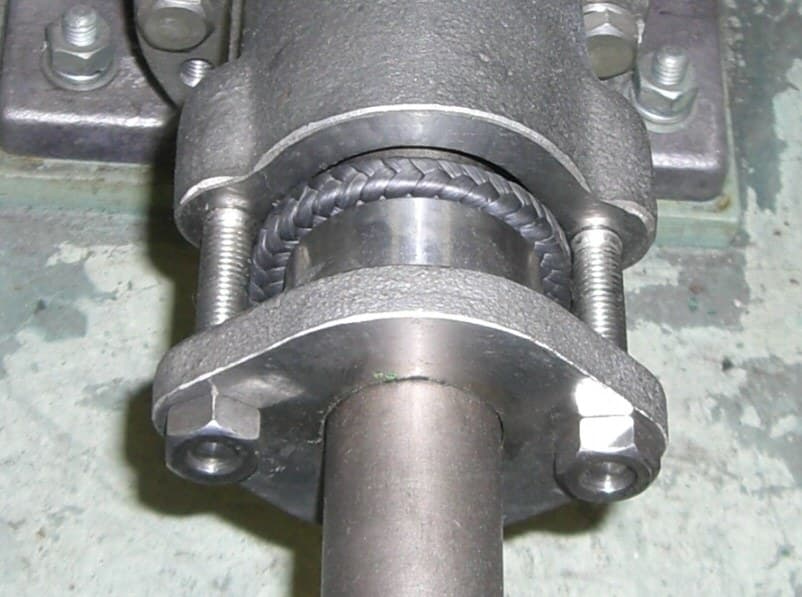
Packing Gland
por Forge
ARTESANATO
42
0
0
0
0
0
O-Ring Seal
por Mary
Trabalho em Metal
49
0
0
0
0
0
Drilling, Boring and Reaming: Three Tools, Three Different Jobs
por Emma
Trabalho em Metal
27
0
0
0
0
0
Lubrication: The Film Does the Work, and More Grease Is Not More Lubrication
por Martin
Engenharia
17
0
0
0
0
0
Rotative Beam Engine
por Martin
TECNOLOGIA
40
0
0
0
1
0
CC0 Domínio Público
Este blueprint é liberado sob CC0. Você é livre para copiar, modificar, distribuir e usar este trabalho para qualquer finalidade, sem pedir permissão.
Apoie o Maker comprando produtos através do Blueprint, onde ele ganha uma Comissão Maker definida pelos vendedores, ou crie uma nova versão deste Blueprint e inclua-o como conexão no seu próprio Blueprint para compartilhar receita.