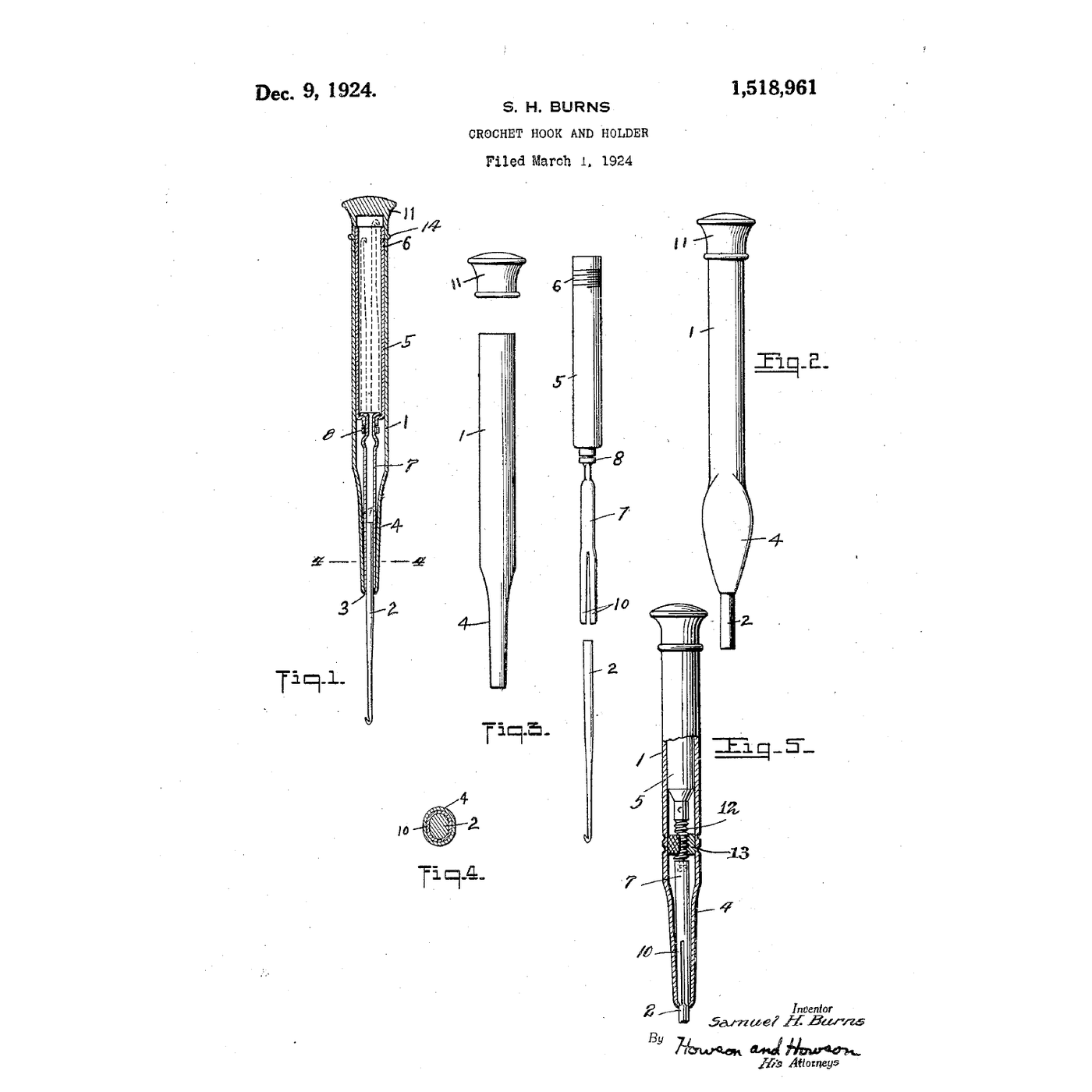

The Reversible Crochet Hook Holder: Collet Jaws Grip the Hook Either Way Round
Instruções
Grip from the taper
Grip from the taper
A hook protected in its handle before it
A hook protected in its handle before it
Read US 1,518,961
Read US 1,518,961
Make the nose
Make the nose
Materiais para este passo:
 Vareta de alumínio1 peça
Ferramentas necessárias:
 Serra de arco para metais
 Torno de bancada
 Berbequim sem fios
 Jogo de brocas
 Limas (lima de mão)
 Paquímetro digital de 6 polegadas
 Óculos de segurança transparentes
Make the jaws
Make the jaws
Materiais para este passo:
 Varão de latão1 peça
Ferramentas necessárias:
Serra de arco para metaisTorno de bancadaBerbequim sem fiosJogo de brocas Jogo de machos e cossinetes
 Jogo de limas de agulha
Assemble the handle
Assemble the handle
Materiais para este passo:
 Tubo de latão de 1/2 polegada de diâmetro exterior1 peça
 Epóxi de dois componentes1 peça
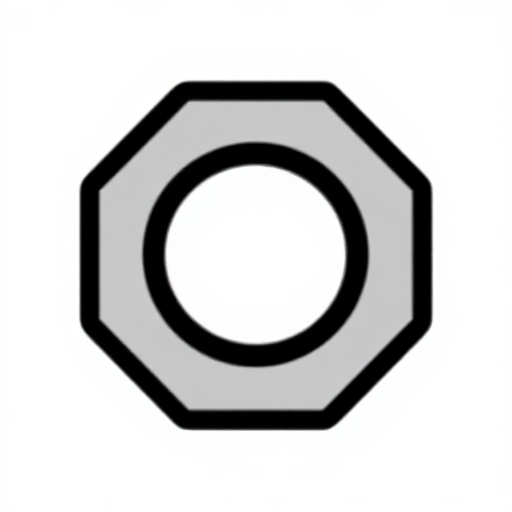 Porca sextavada1 peça
 Cavilhas de madeira dura1 peça
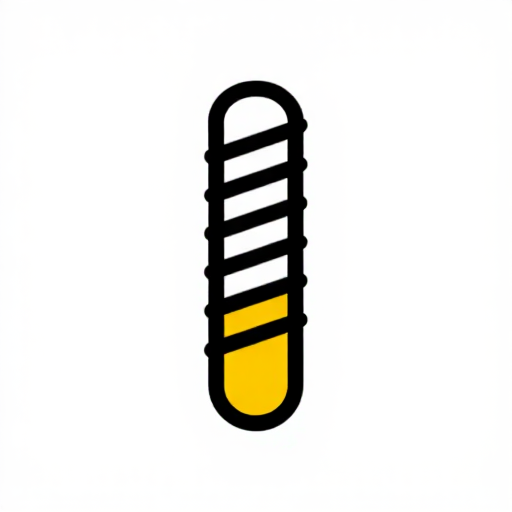 Varão roscado1 peça
Ferramentas necessárias:
Serra de arco para metaisBerbequim sem fiosJogo de brocasClamp a hook both ways
Clamp a hook both ways
Materiais para este passo:
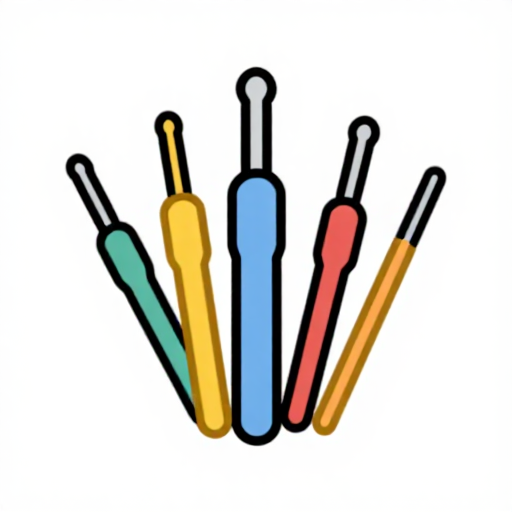 Conjunto de agulhas de croché1 peça
Ferramentas necessárias:
Jogo de limas de agulhaMeasure the grip
Measure the grip
Materiais para este passo:
 Fio1 peça
Ferramentas necessárias:
 Dinamómetro (balança de mola)
A holder that slips, binds or will not open
A holder that slips, binds or will not open
Flow
History and honest limits
History and honest limits
Materiais
9- 1 peçaReferência
- 1 peçaReferência
- Referência
- Referência
- 1 peçaReferência
- 1 peçaReferência
- 1 peçaReferência
- Referência
- 1 peçaReferência
Ferramentas necessárias
10- Referência
- Referência
- 1 vendor sell this, none ship to you yetReferência
- Referência
- Referência
- Referência
- Referência
- Referência
- Referência
- Referência
Blueprints relacionados
Estes blueprints compartilham conhecimento — técnicas, materiais ou princípios
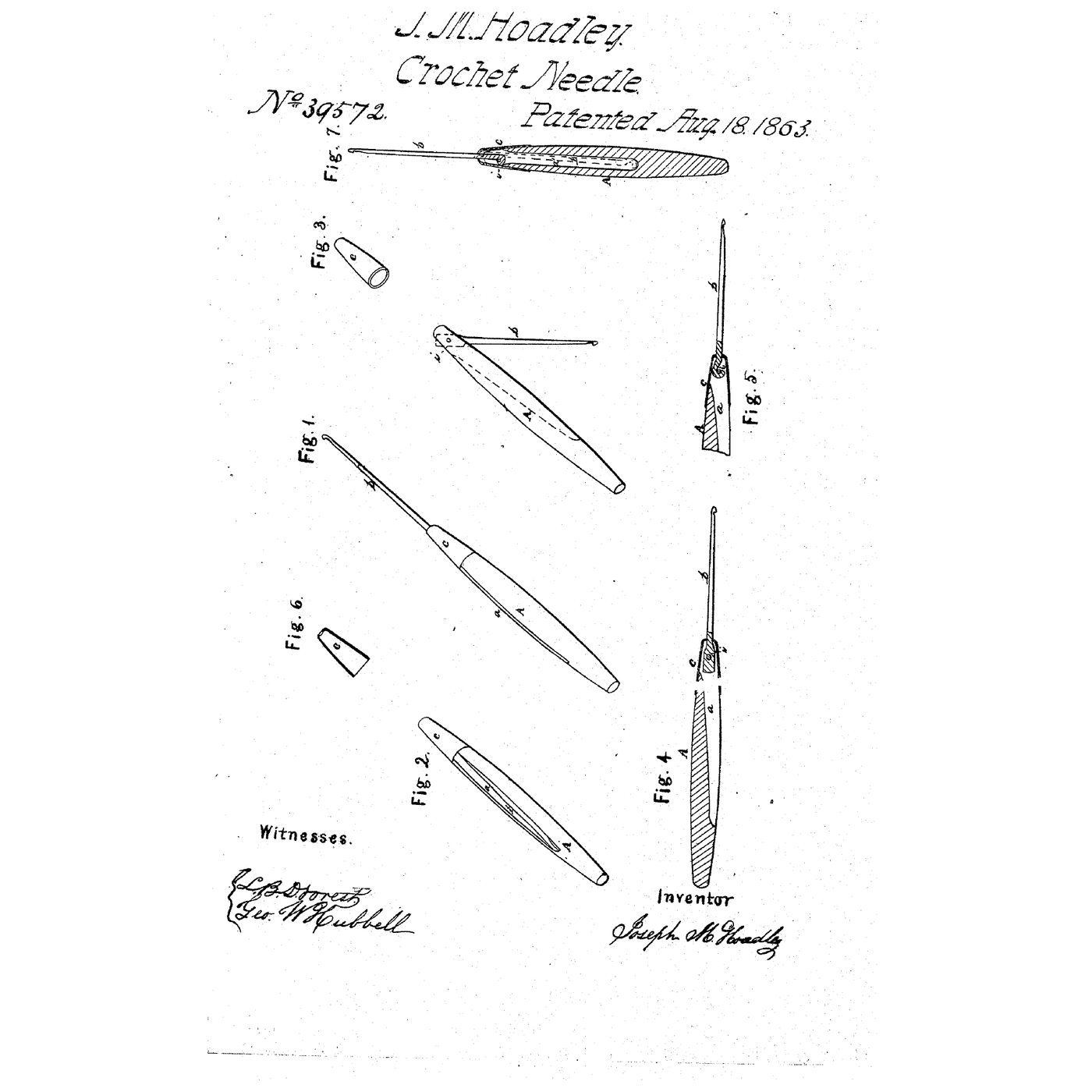
The Folding Crochet Needle: A Hook That Shuts Into Its Handle
por Tex
Marcenaria
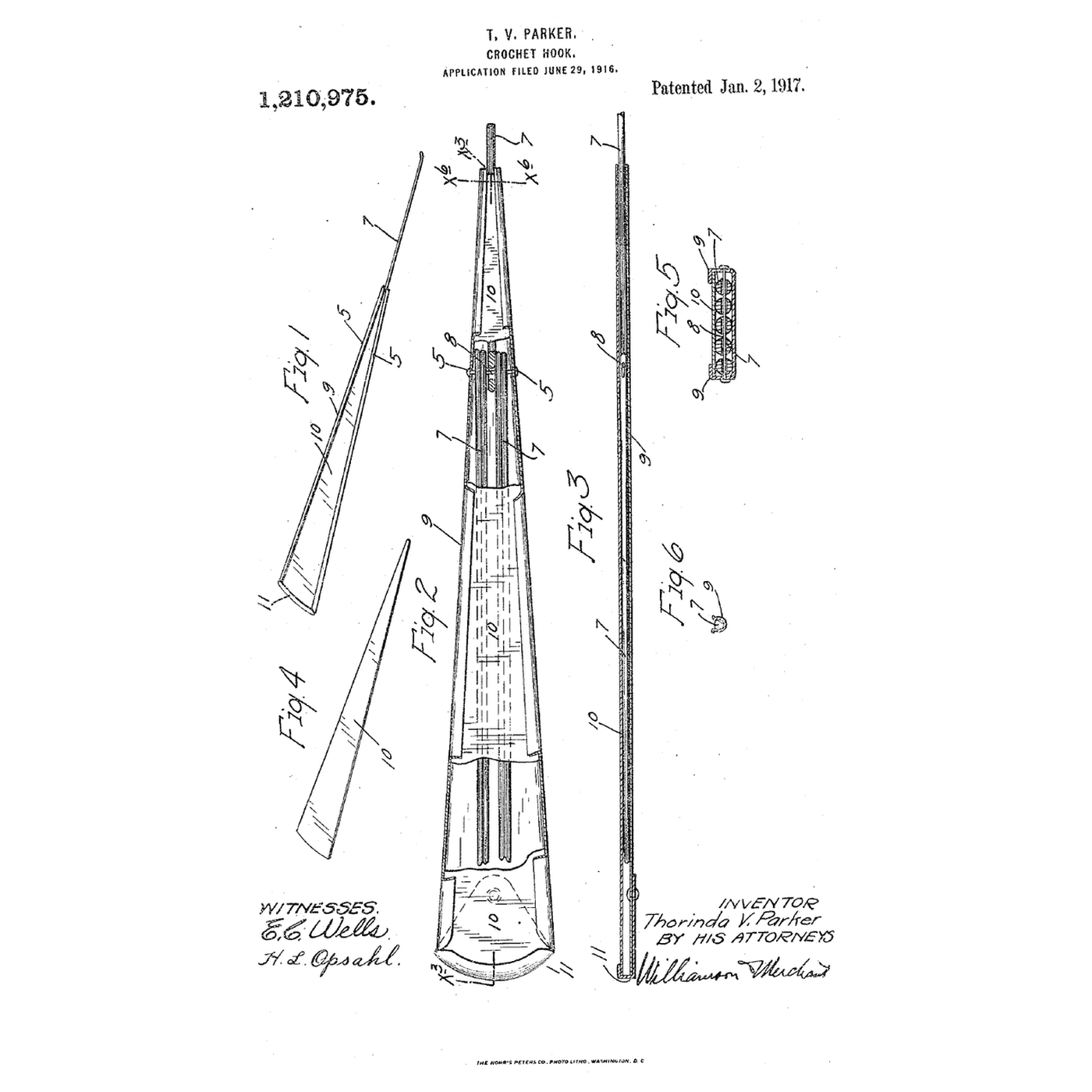
The Hook-Case Crochet Set: Hooks of Every Size Swing From One Rivet in Their Own Case
por Martin
Ferramentas de Metalurgia
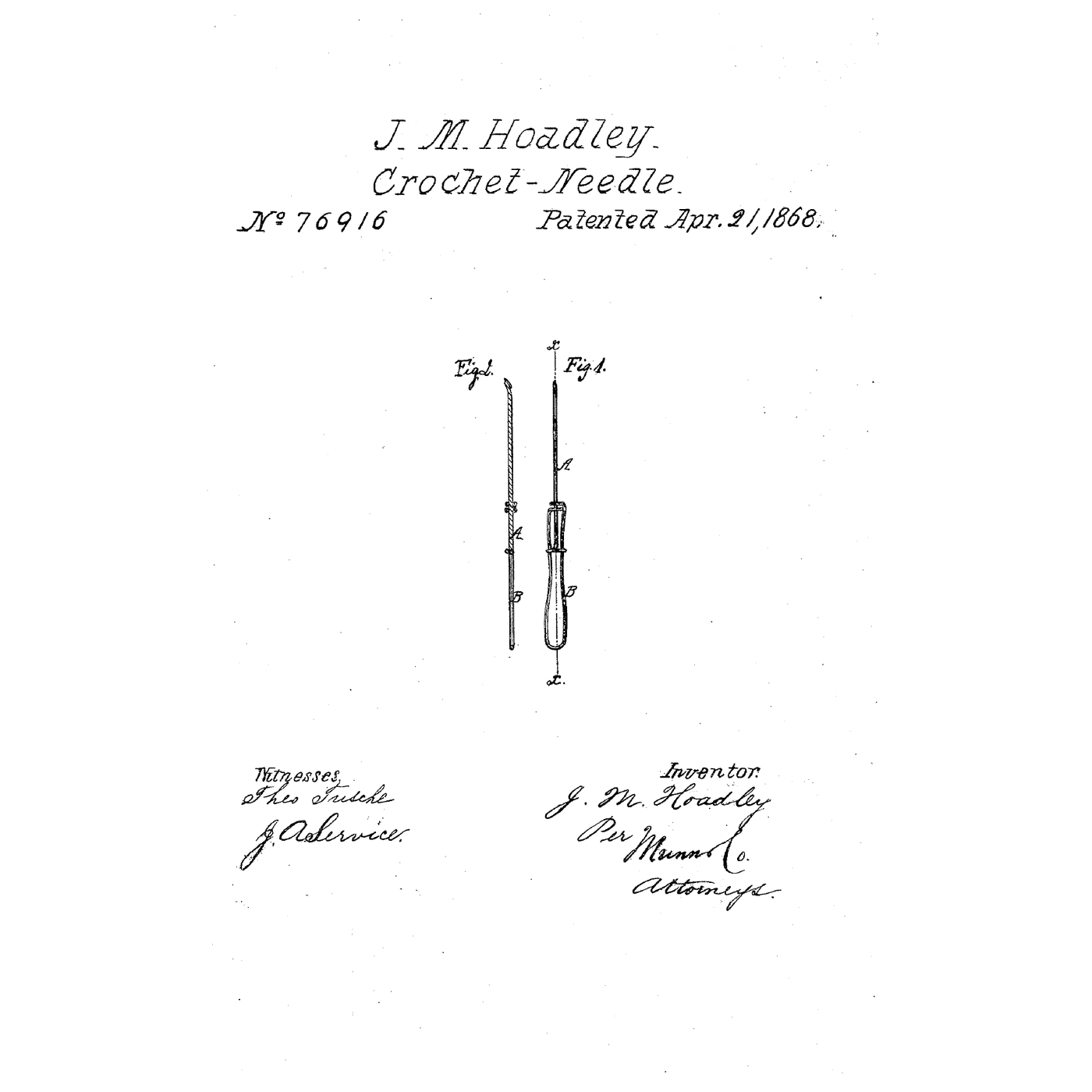
The Spring-Wire Crochet Holder: A Needle Held by Tempered Wire
por Emma
Ferramentas Têxteis
CC0 Domínio Público
Este blueprint é liberado sob CC0. Você é livre para copiar, modificar, distribuir e usar este trabalho para qualquer finalidade, sem pedir permissão.
Apoie o Maker comprando produtos através do Blueprint, onde ele ganha uma Comissão Maker definida pelos vendedores, ou crie uma nova versão deste Blueprint e inclua-o como conexão no seu próprio Blueprint para compartilhar receita.