ARTE
BELEZA E BEM-ESTAR
ARTESANATO
CULTURA E HISTÓRIA
ENTRETENIMENTO
MEIO AMBIENTE
COMIDA E BEBIDAS
ENGENHARIA REVERSA
CIÊNCIAS
ESPORTES
TECNOLOGIA
TECNOLOGIA VESTÍVEL
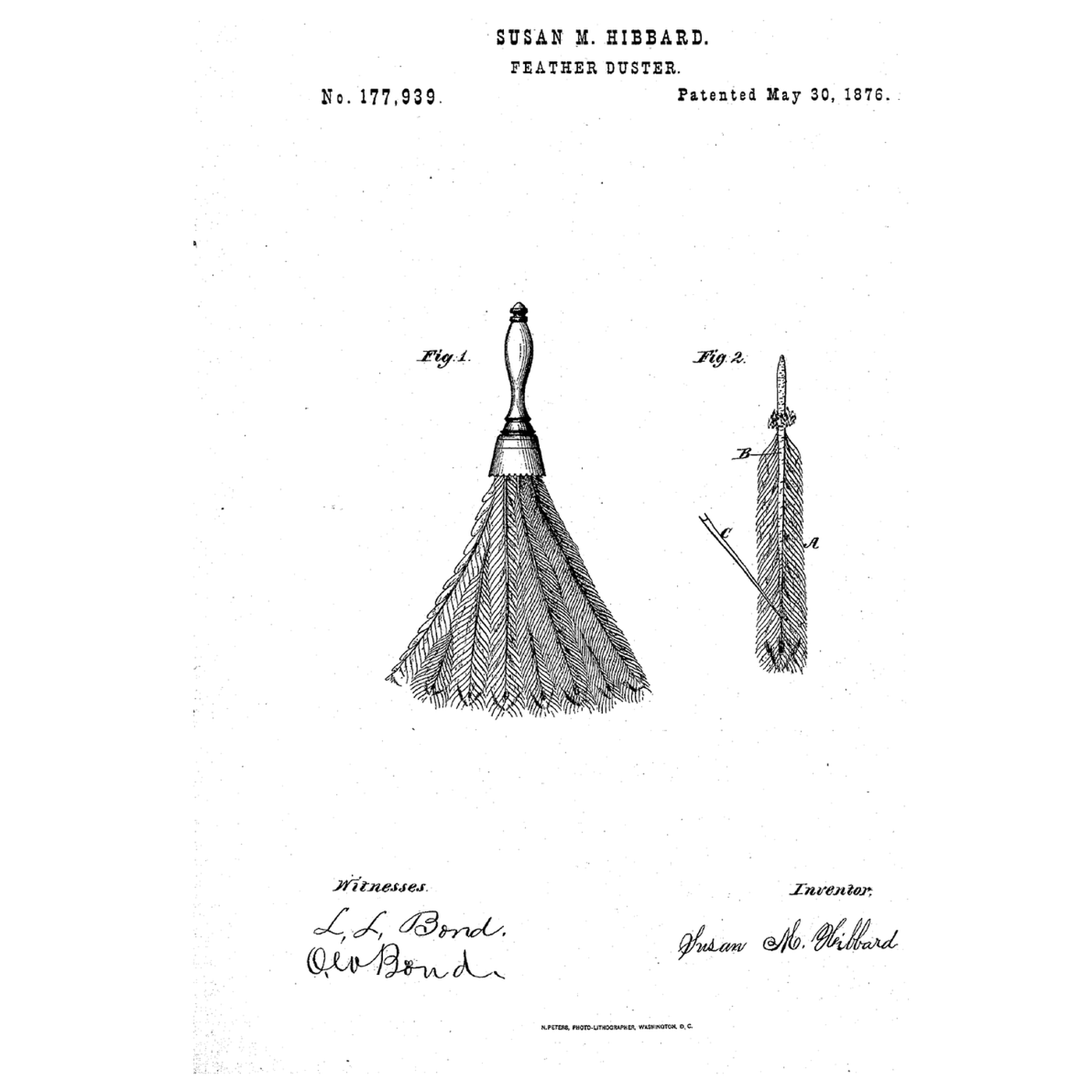
The Split-Quill Feather Duster: Cut the Stem, Keep the Feather
A feather duster needs feathers that bend round things and spring back. The big stiff feathers of turkeys and geese break or stay bent, so they were thrown away.
Susan M. Hibbard of Geneva Lake, Wisconsin, received US 177,939, dated 30 May 1876 (filed 13 November 1874), for "a feather duster having the stems of the feathers split longitudinally, and a part thereof severed from the remaining part", so that "the feather is left pliable and flexible, and can be bent in any direction without breaking".
This rung computes how much thinning a stem softens it, then shaves a feather and weighs the force to bend it.
Iniciante
About 1 hour
Instruções
1
1
Thickness, stiffness and bend
Thickness, stiffness and bend
A carregar o notebook Jupyter…
2
2
The same stiff feather, used for its stiffness
The same stiff feather, used for its stiffness
The embedded blueprint cuts a pen from a goose quill because the stem is stiff; the duster cuts the stem to make it bend.
3
3
Read US 177,939
Read US 177,939
"Heretofore it has been found impracticable, in manufacturing feather dusters and similar articles, to use the strong, stiff feathers of the wings and tails of turkeys, geese, &c., for, owing to the stiffness of the stems and the liability of such feathers to be broken or permanently bent, they soon become worthless."
"The stems are cut away by means of any ordinary pocket-knife; but in order to do it accurately and expeditiously a knife with a gage to regulate the depth of the cut, like a splitting-knife or spokeshave, is preferable."
"The advantages of cutting away the stem are, that the feather is left pliable and flexible, and can be bent in any direction without breaking; and it enables me to make feather dusters from feathers which have heretofore, owing to their stiffness, been worthless for that purpose."
4
4
Shave a quill and weigh the bend
Shave a quill and weigh the bend
Take two matching large feathers. Clamp each by its base with the tip resting on the kitchen scale, and press the base down until the tip bends 2 cm; note the scale reading.
On one feather, cut away the back of the stem along most of its length with the craft knife, taking a thin, even slice and cutting away from your hand. Measure the stem thickness before and after with the caliper. Repeat the bend test and compare the readings with the notebook's cube rule. Then bend both feathers round a pencil and see which one breaks or stays bent.
Materiais para este passo:
 Penas4 peças
Ferramentas necessárias:
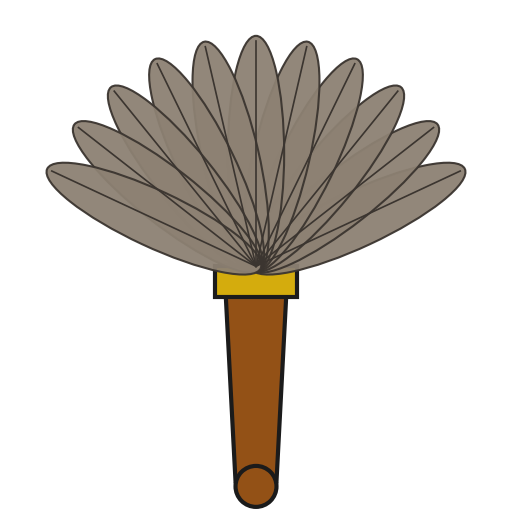 Espanador
 X-ato (faca de precisão)
 Paquímetro digital de 6 polegadas
 Balança digital de cozinha
 Torno de bancada
5
5
A duster that sheds, snaps or will not pick up dust
A duster that sheds, snaps or will not pick up dust
Feather duster troubleshooting.
Flow
Loading...
6
6
History and honest limits
History and honest limits
**Susan M. Hibbard** of Geneva Lake, Wisconsin, filed US 177,939 on 13 November 1874; it is dated 30 May 1876. It was assigned to Catharine Nichols, Emeline C. Webster and Francis S. Eastman of Chicago.
**Honest limits.** A quill stem is not a solid strip; it is a tapering shell filled with pith, so the cube rule is only the trend. Thicknesses and the breaking strain are examples. Your scale readings are the measurement.
Ferramentas necessárias
5- Referência
- Referência
- Referência
- Referência
- Referência
Blueprints relacionados
Estes blueprints compartilham conhecimento — técnicas, materiais ou princípios
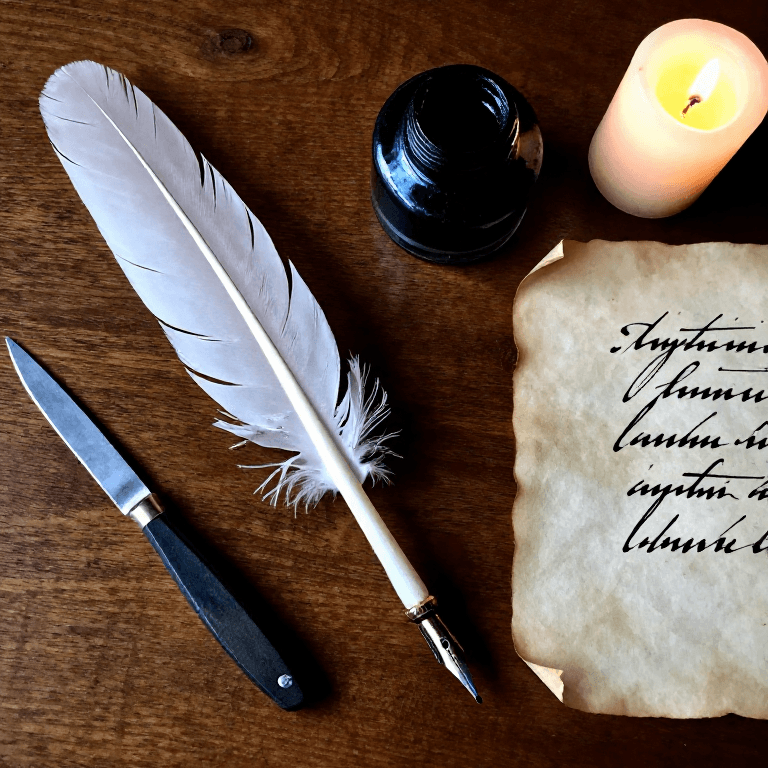
Cutting a Goose Quill Pen — Medieval Writing Instrument
por Bob
Artesanato em Papel
96
0
0
0
0
0
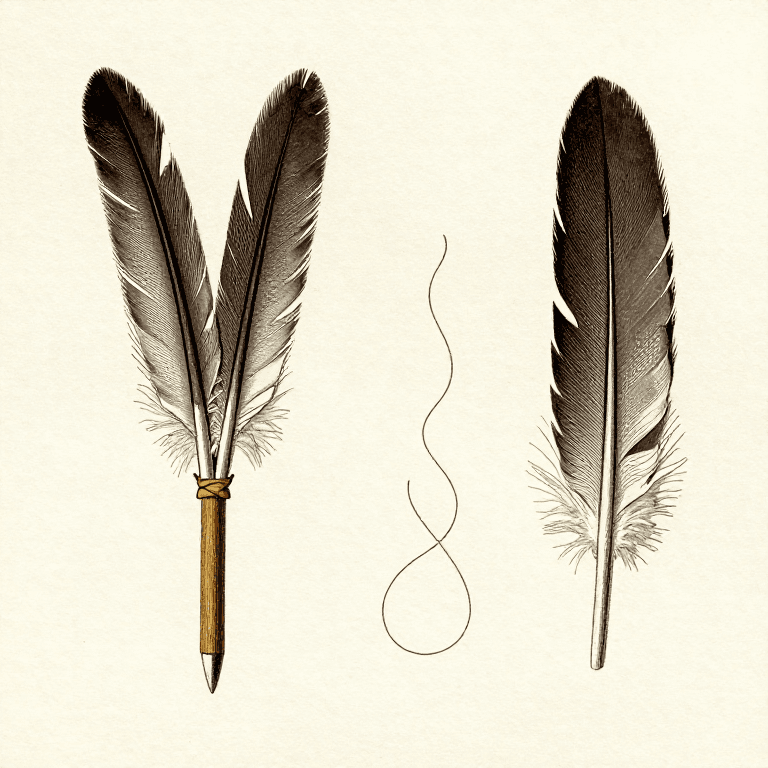
Collecting and Preparing Feathers for Arrow Fletching — Stabilising Projectiles in Flight
por Spartan
Natureza Selvagem
43
0
0
0
1
0
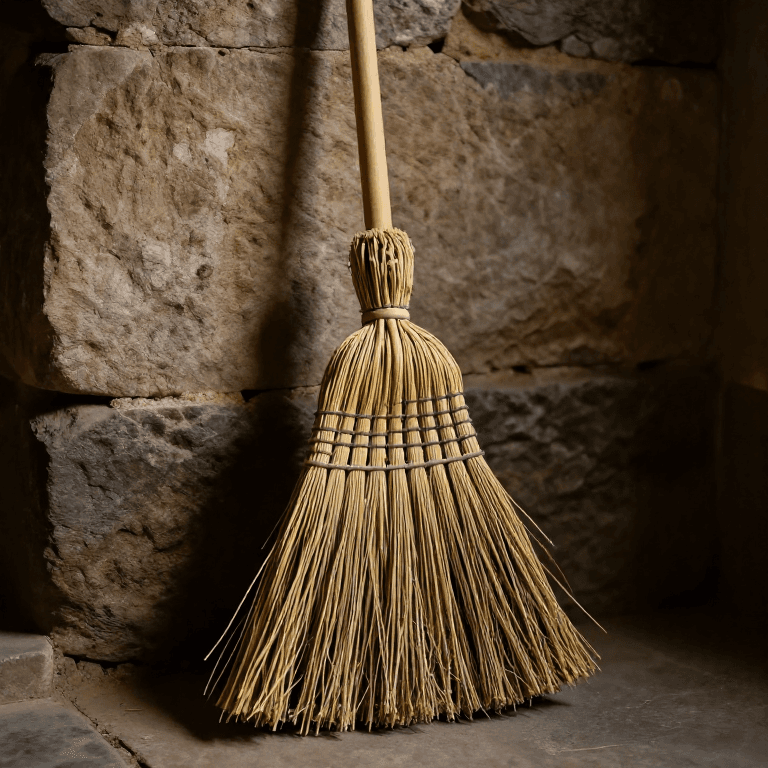
Binding a Besom Broom — The Birch-Twig Broom on a Hazel Handle
por YourGrandma
Idade Média
43
0
0
0
0
0
CC0 Domínio Público
Este blueprint é liberado sob CC0. Você é livre para copiar, modificar, distribuir e usar este trabalho para qualquer finalidade, sem pedir permissão.
Apoie o Maker comprando produtos através do Blueprint, onde ele ganha uma Comissão Maker definida pelos vendedores, ou crie uma nova versão deste Blueprint e inclua-o como conexão no seu próprio Blueprint para compartilhar receita.