ARTE
BELEZA E BEM-ESTAR
ARTESANATO
CULTURA E HISTÓRIA
ENTRETENIMENTO
MEIO AMBIENTE
COMIDA E BEBIDAS
ENGENHARIA REVERSA
CIÊNCIAS
ESPORTES
TECNOLOGIA
TECNOLOGIA VESTÍVEL
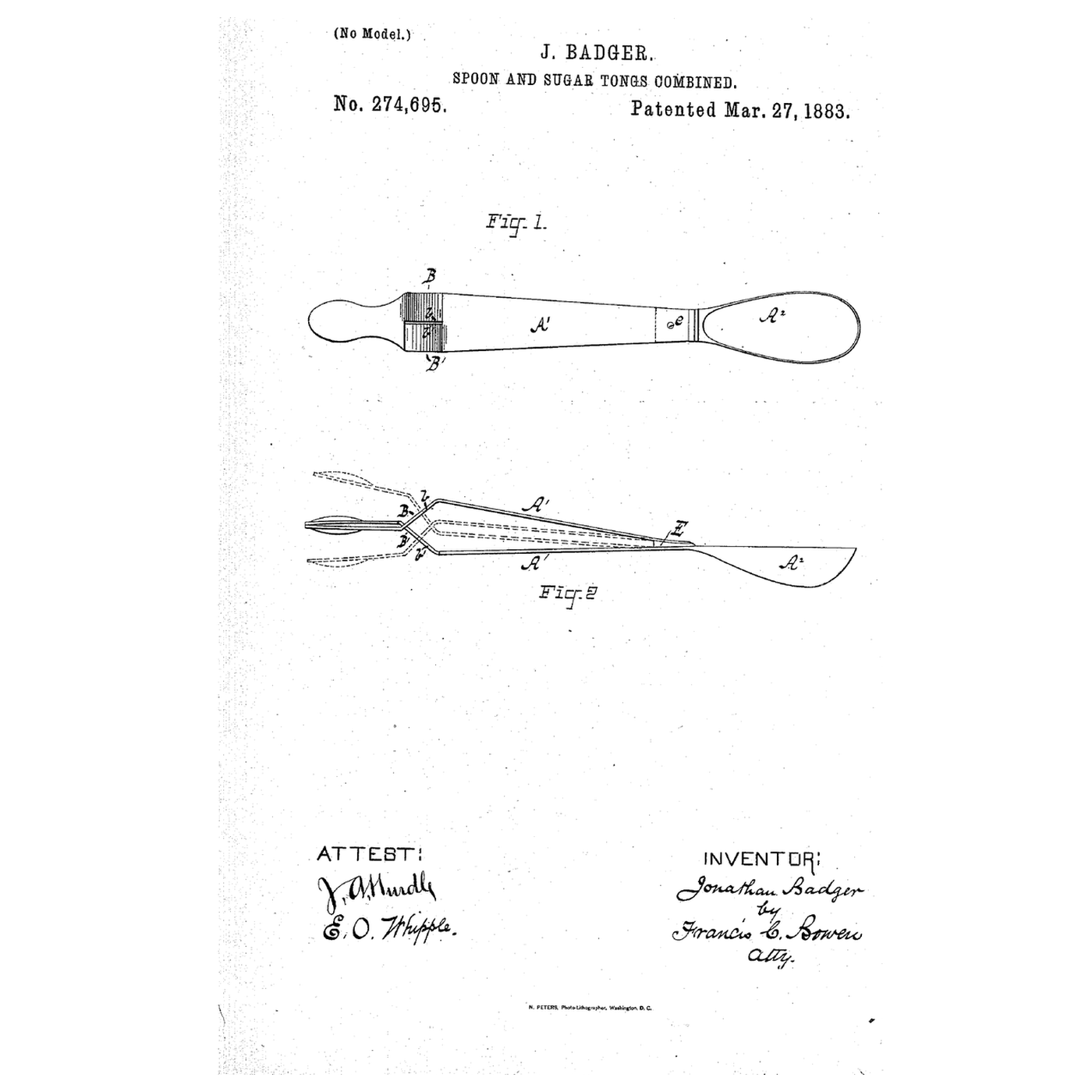

The Spoon and Sugar-Tongs: Crossed Jaws That Spring Shut
A sugar bowl on the tea table needed a spoon for loose sugar and tongs for lumps.
Jonathan Badger of New York received US 274,695, dated 27 March 1883, for a "spoon and sugar-tongs combined": two strips of unequal length riveted together, one ending in a spoon bowl, both bent at the other end into notched jaws that cross each other and spring shut, so a lump of sugar is held until the shanks are pressed.
This rung works out whether a thin steel strip grips hard enough, then makes the combined spoon and tongs from a teaspoon and a strip of stainless steel.
Iniciante
About 2 hours
Instruções
1
1
Grip against the cube's weight
Grip against the cube's weight
A carregar o notebook Jupyter…
2
2
Tongs with a spring
Tongs with a spring
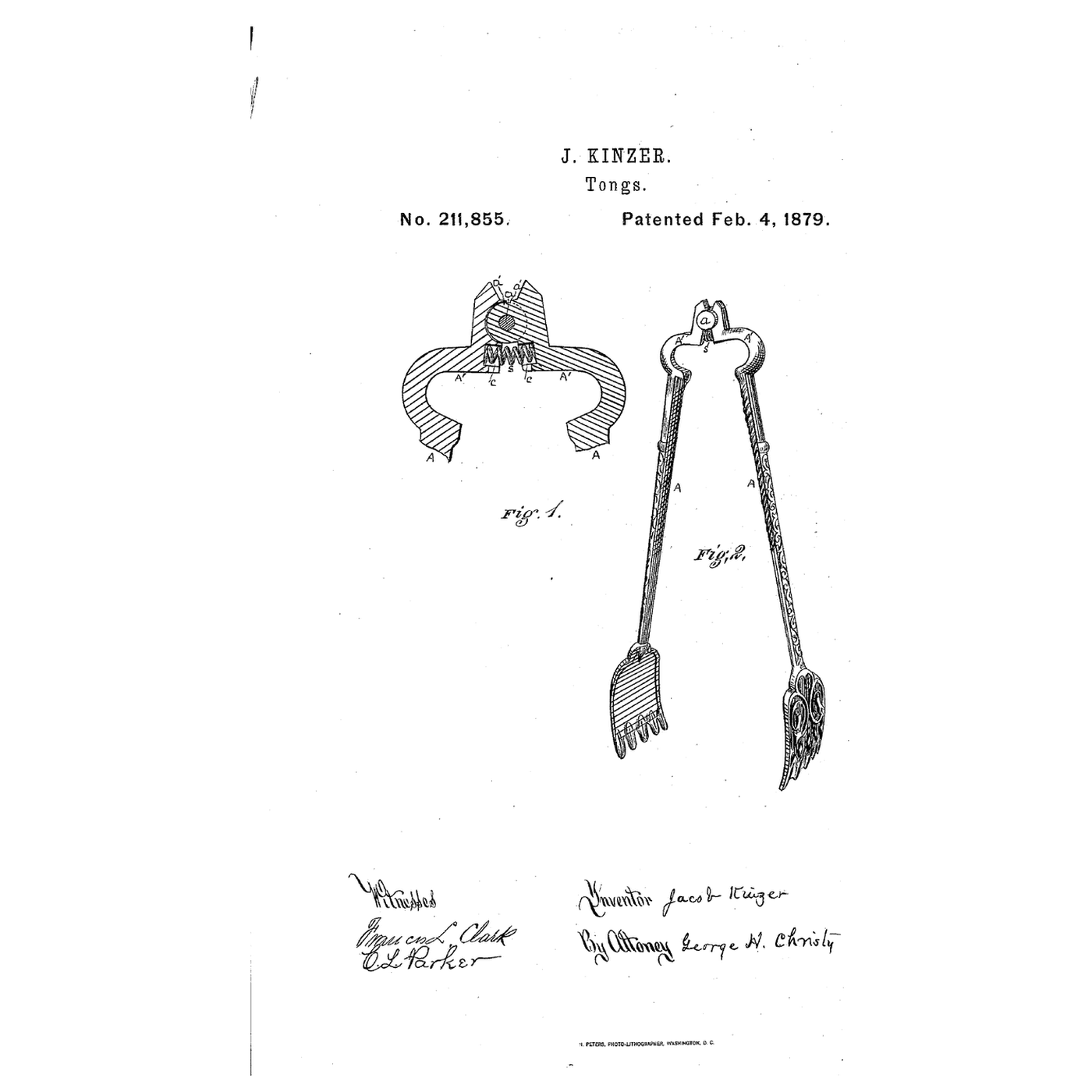
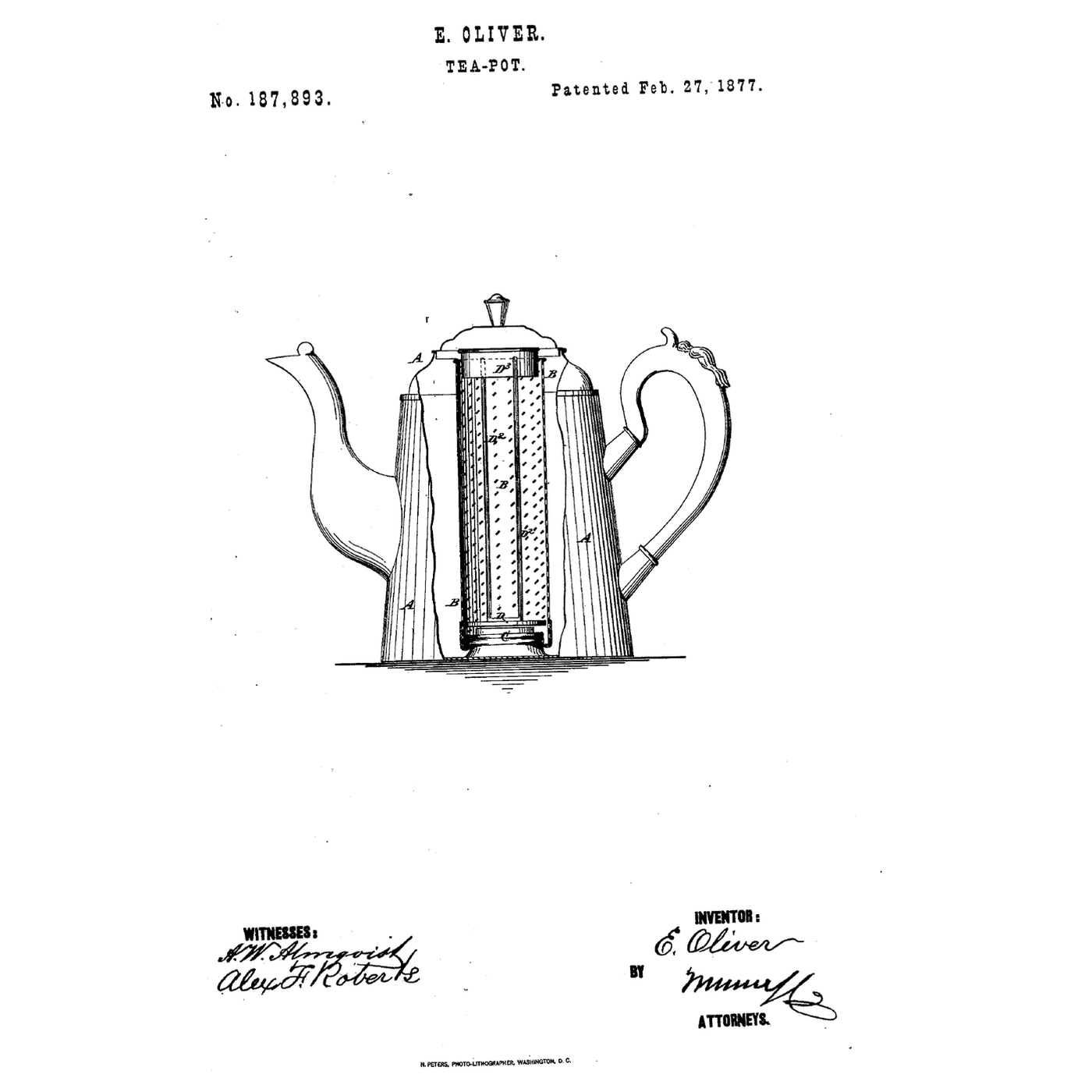
The embedded blueprint's tongs are held OPEN by a spring. Badger's crossed jaws are held SHUT, and open when you squeeze.
3
3
Read US 274,695
Read US 274,695
"The object of this invention is to combine in one and the same implement a spoon and a sugar-tongs, thereby producing an article of table-ware adapted to the purpose of serving either granulated sugar or lump sugar."
The spacer between the shanks is there "partly for the purpose of causing the jaws B B' to spring together when the shanks of the strips are relieved from pressure", so that they hold "a lump of sugar or cracker, as may be desired, between them, and retain it until released by a slight pressure on the shanks A A', the jaws closing automatically, due to the fact that they cross each other."
"If desired, the spoon may be omitted altogether, and the implement constructed and used as sugar-tongs alone."
4
4
Make the spoon-tongs and move sugar cubes
Make the spoon-tongs and move sugar cubes
Cut a strip of stainless steel sheet 1 cm wide and two-thirds the length of the teaspoon. File its edges smooth. Drill a hole near one end of it, and a matching hole in the spoon's handle one-third of the way from the bowl. Pop-rivet the strip to the handle, lying along it.
Bend the free ends of the handle and the strip towards each other into jaws that cross just past their tips, and file a small notch in each so a cube sits between them. Rivet a folded scrap of steel between the two shanks, just beyond the rivet, so the shanks are pushed apart and the crossed jaws press shut. Squeeze the shanks: the jaws should open.
Move 20 sugar cubes from one bowl to another and count the drops. Scoop granulated sugar with the bowl end.
Materiais para este passo:
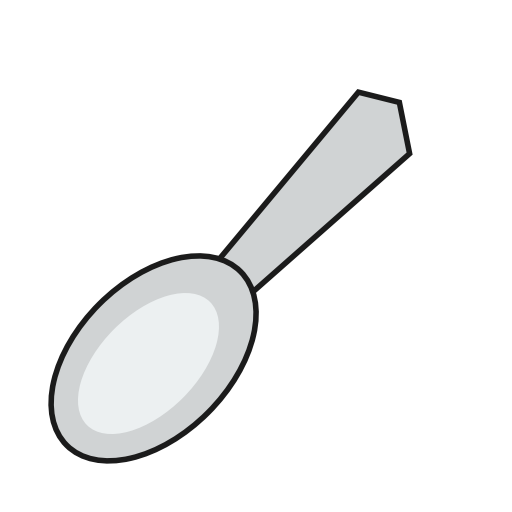 Colher de chá1 peça
 Chapa de aço inoxidável1 peça
 Rebites cegos2 peças
 Açúcar em cubos20 peças
 Açúcar granulado50 g
Ferramentas necessárias:
 Pinça para açúcar
 Kit de rebitadora
 Tesoura de chapa
 Berbequim sem fios
 Jogo de brocas
 Alicate de bico fino
 Torno de bancada
 Lima para metal
 Régua
Régua5
5
Tongs that drop the cube or will not open
Tongs that drop the cube or will not open
Spoon and sugar-tongs troubleshooting.
Flow
Loading...
6
6
History and honest limits
History and honest limits
**Jonathan Badger** of New York, a citizen of Great Britain, filed US 274,695 on 1 December 1882; it was patented 27 March 1883. He also claimed the tongs alone, without the spoon.
**Honest limits.** The notebook treats each shank as a straight strip clamped at the rivet and ignores the spacer's own give. Sizes, friction and the cube's mass are examples. Your count of drops is the measurement.
Materiais
5- 1 peçaReferência
- 1 peçaReferência
- 2 peçasReferência
- 20 peçasReferência
- 50 gReferência
Ferramentas necessárias
9- Referência
- Referência
- Referência
- 1 vendor sell this, none ship to you yetReferência
- Referência
- Referência
- Referência
- Referência
- Referência
Blueprints relacionados
Estes blueprints compartilham conhecimento — técnicas, materiais ou princípios

CC0 Domínio Público
Este blueprint é liberado sob CC0. Você é livre para copiar, modificar, distribuir e usar este trabalho para qualquer finalidade, sem pedir permissão.
Apoie o Maker comprando produtos através do Blueprint, onde ele ganha uma Comissão Maker definida pelos vendedores, ou crie uma nova versão deste Blueprint e inclua-o como conexão no seu próprio Blueprint para compartilhar receita.