ARTE
BELEZA E BEM-ESTAR
ARTESANATO
CULTURA E HISTÓRIA
ENTRETENIMENTO
MEIO AMBIENTE
COMIDA E BEBIDAS
ENGENHARIA REVERSA
CIÊNCIAS
ESPORTES
TECNOLOGIA
TECNOLOGIA VESTÍVEL



The Stovepipe Damper: A Disc on a Shaft, Held by a Spring
A stove with a wide-open pipe sends much of its heat up the chimney. A damper in the pipe throttles the draught so the fire burns slower and more of its heat stays in the room.
William Scully of Detroit received US 231,241, dated 17 August 1880 (filed 27 May 1880), for a stovepipe damper whose disc locks onto its shaft by the spring of a tongue cut in the plate, and whose setting is held by a spring-plate round the shaft: its ends bear on the pipe and "draw the damper-plate into contact with the inner wall of the pipe and cause a sufficient friction to compel the damper to remain in the position to which it may be adjusted."
This rung works out how the disc angle sets the flow, then measures it in a pipe with a fan.
Iniciante
About 2 hours
Instruções
1
1
Angle, area and flow
Angle, area and flow
A carregar o notebook Jupyter…
2
2
Controlling a fire's draught
Controlling a fire's draught
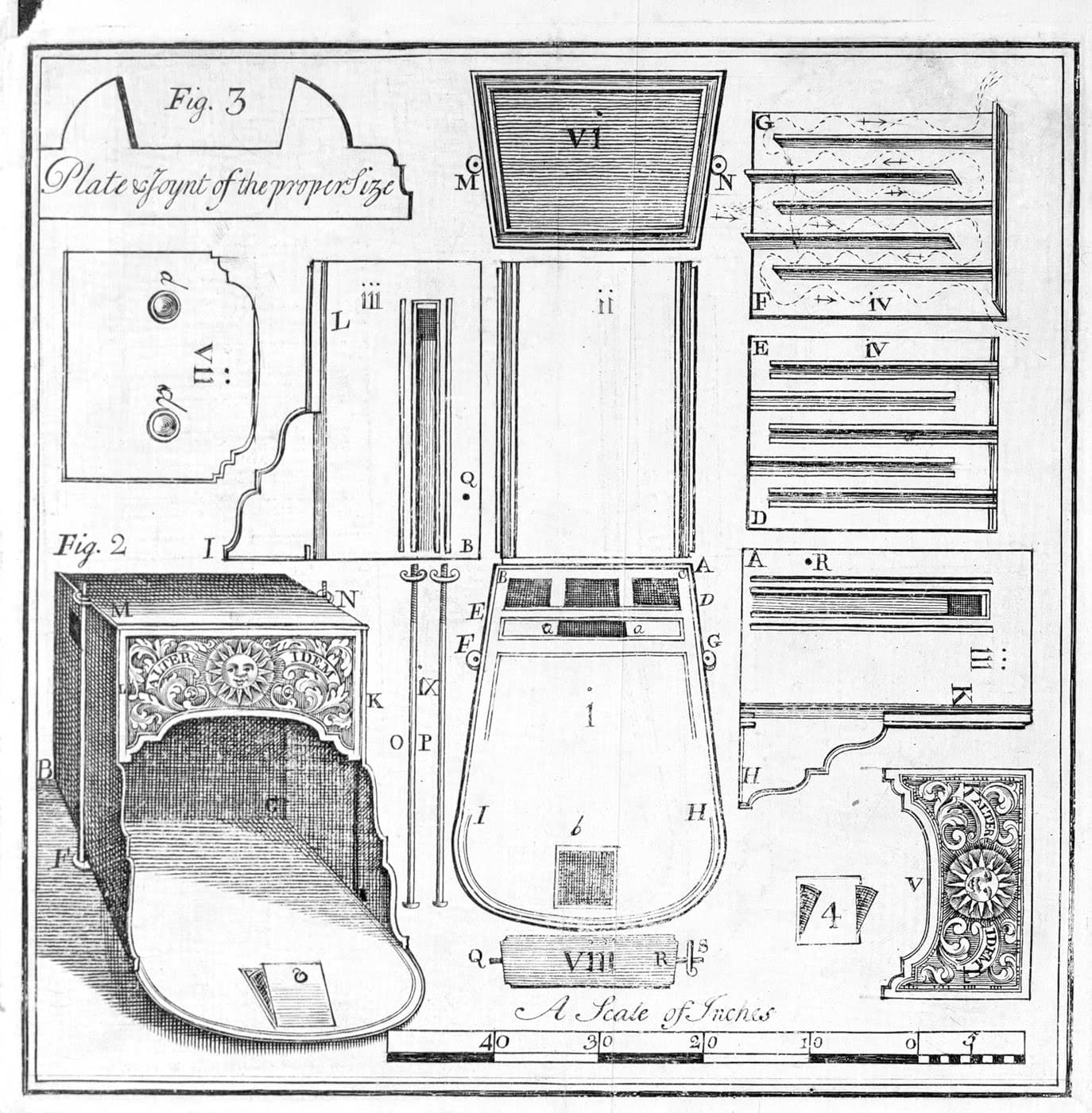
Rumford reshaped the fireplace and its throat to control the draught. The embedded blueprint builds one.
3
3
Read US 231,241
Read US 231,241
"The nature of this invention relates to certain new and useful improvements in the construction of dampers for stove-pipes, and the object of the invention is to provide a damper the shaft of which is automatically secured to place by the spring of the damper-plate."
When the shaft is pushed through, "the spring of the tongue compels the shoulder to engage with such socket, and the damper-plate is securely locked upon the shaft and beyond any possibility of its turning thereon."
"In order to insure that the damper will remain in its adjusted position, I place a spring-plate, G, around the shaft. The ends of said spring, bearing against the outer wall of the pipe and exerting an outward pressure upon the handle, consequently draw the damper-plate into contact with the inner wall of the pipe and cause a sufficient friction to compel the damper to remain in the position to which it may be adjusted."
4
4
Measure the flow at each angle
Measure the flow at each angle
Cut a plywood disc 3 mm smaller than the inside of a length of PVC pipe. Drill across the pipe and pass a dowel through it and through a slot glued to the disc, so turning the dowel turns the disc. Mark angles on a card round the dowel's end with a protractor.
Fix a box fan to blow into one end. At the other end measure the air speed with an anemometer at 0, 15, 30, 45, 60 and 90 degrees open. Plot the readings as a fraction of fully open and lay the notebook's curve over them.
Materiais para este passo:
 Placa de contraplacado1 peça
 Cavilhas de madeira dura1 peça
 Tubo de PVC1 peça
Ferramentas necessárias:
 Ventoinha de caixa (velocidade variável)
 Anemómetro portátil
 Transferidor
 Berbequim sem fios
 Jogo de brocas
 Serra de recortes
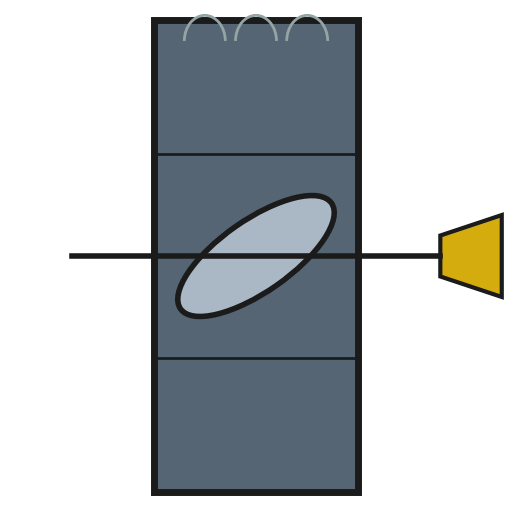 Registo da chaminé do fogão
5
5
A stove that smokes, roars or will not stay set
A stove that smokes, roars or will not stay set
Stovepipe damper troubleshooting.
Flow
Loading...
6
6
History and honest limits
History and honest limits
**William Scully** of Detroit filed US 231,241 on 27 May 1880; it is dated 17 August 1880. He notes that slit-and-bent plates holding a shaft were already known, and does not claim that broadly.
**Honest limits.** The patent gives no sizes. Pipe size, clearance, draught and gas density in the notebook are examples, and the flow model ignores the disc's own drag.
Materiais
3- 1 peçaReferência
- 1 peçaReferência
- 1 peçaReferência
Ferramentas necessárias
7- Referência
- Referência
- Referência
- 1 vendor sell this, none ship to you yetReferência
- Referência
- Referência
- Referência
Blueprints relacionados
Estes blueprints compartilham conhecimento — técnicas, materiais ou princípios
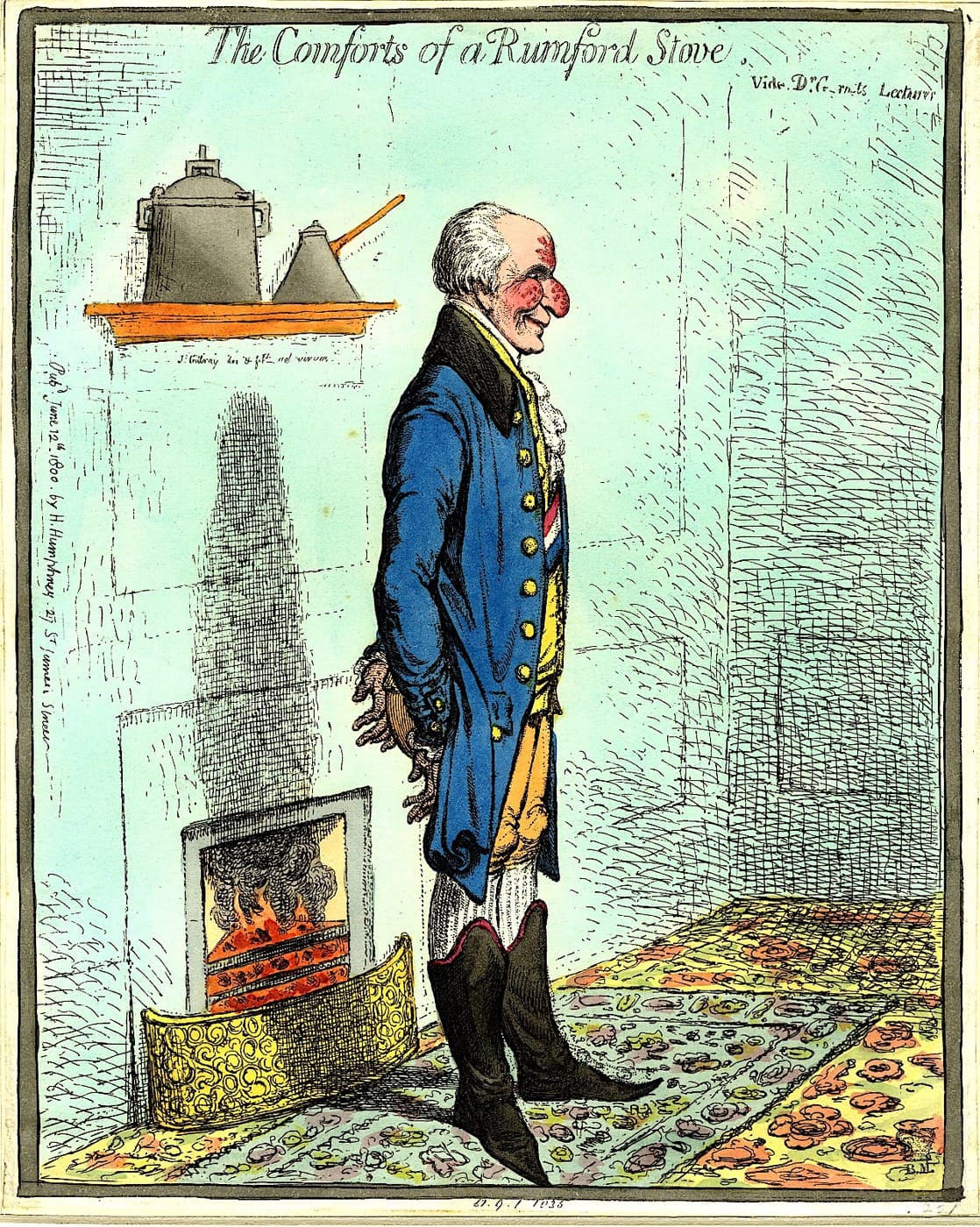



CC0 Domínio Público
Este blueprint é liberado sob CC0. Você é livre para copiar, modificar, distribuir e usar este trabalho para qualquer finalidade, sem pedir permissão.
Apoie o Maker comprando produtos através do Blueprint, onde ele ganha uma Comissão Maker definida pelos vendedores, ou crie uma nova versão deste Blueprint e inclua-o como conexão no seu próprio Blueprint para compartilhar receita.