
Терменвокс
Любой музыкальный инструмент до этого нужно было трогать. Струну — прижать, клавишу — нажать, в трубу — дунуть. Звук рождался от механического действия, и высота тона зависела от того, где именно находится палец.
Терменвокс играют, не касаясь его вообще. Рука движется в воздухе рядом с антенной — и тон меняется. Между рукой и антенной возникает крошечная ёмкость, она чуть-чуть сдвигает частоту генератора, и этого хватает.
Хитрость в том, что сам генератор человек услышать не может. Оба генератора работают выше слышимого диапазона. Слышно не их, а разницу между ними: если один даёт 200 000 Гц, а другой 200 440 Гц, ухо получает 440 Гц — ноту ля. Сдвиг на сотые доли процента превращается в целую октаву.
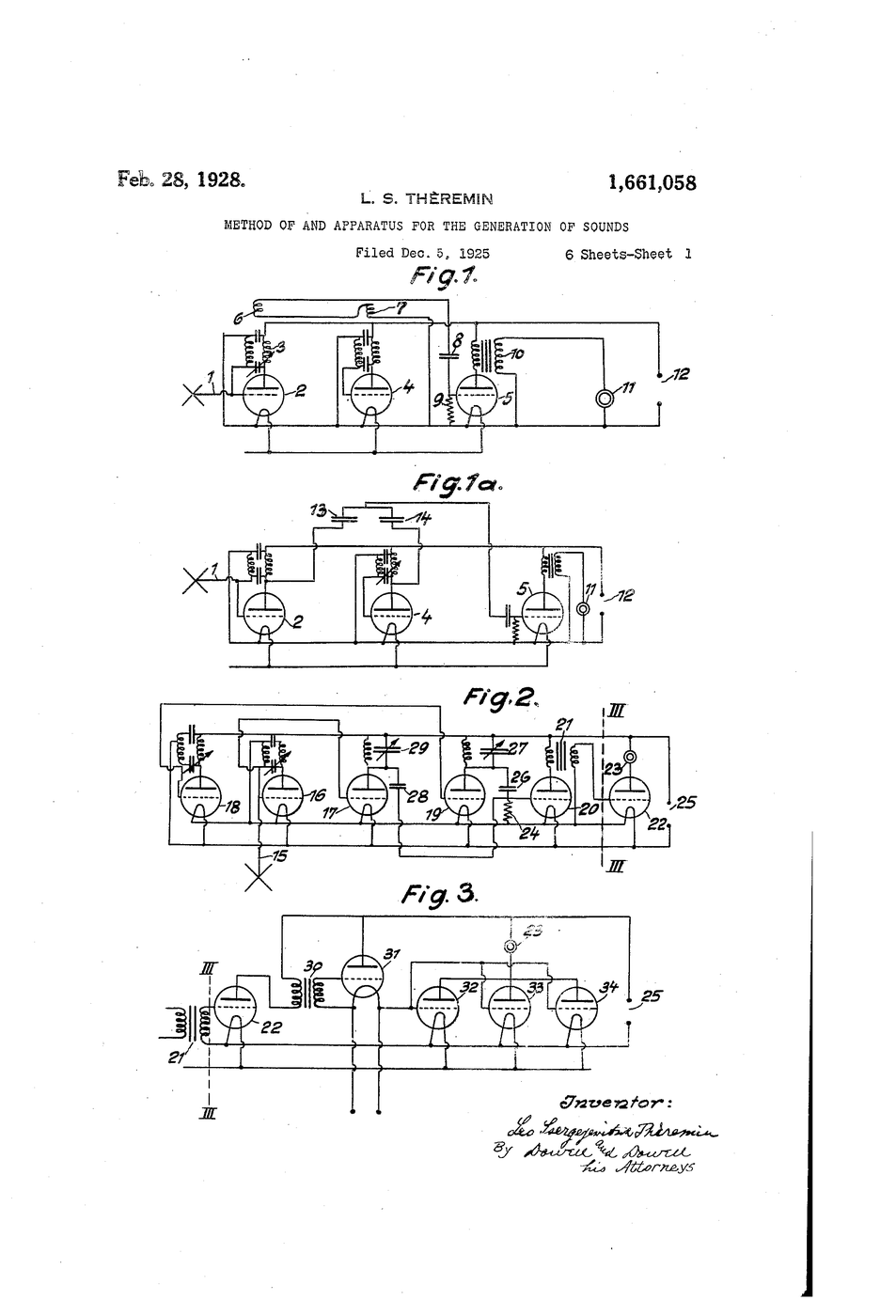
Патент US 1,661,058, «Method of and apparatus for the generation of sounds», подан 5 декабря 1925 года, выдан 28 февраля 1928 года на имя Льва Сергеевича Термена.
Instruções
Работай только на низком напряжении
Работай только на низком напряжении
Вся схема питается от 9-12 В. Не подключай ничего к сети. Громкость выводи через маленький динамик — резкий звук близко к уху утомляет быстрее, чем кажется.
Прочти патент и найди слово «биения»
Прочти патент и найди слово «биения»
Термен описывает два генератора выше слышимого диапазона, чья разность даёт слышимый тон. Отдельно указаны управление высотой, громкостью и тембром.
Услышь биения на двух струнах
Услышь биения на двух струнах
Расстрой две одинаковые струны совсем чуть-чуть и дёрни обе. Появится медленное «уа-уа». Это и есть разностная частота, только пока очень низкая.
Собери первый генератор
Собери первый генератор
Собери простой LC- или таймерный генератор на частоту около 200 кГц. Проверь его осциллографом или приёмником — на слух его быть не должно.
Materiais para este passo:
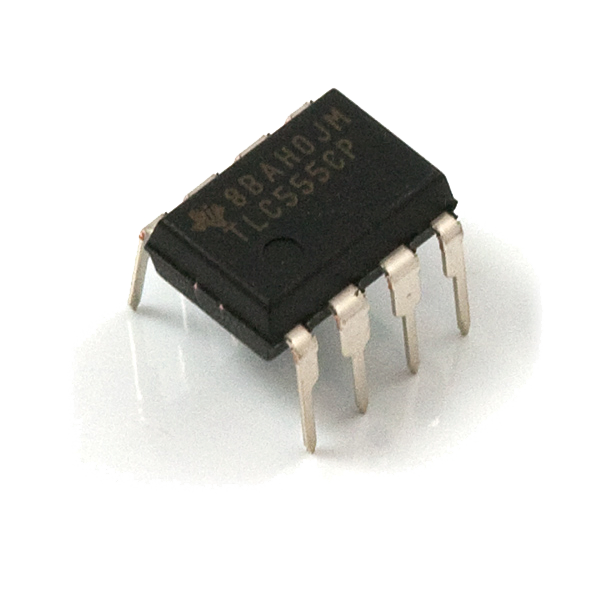 555 Timer2 peças
Ferramentas necessárias:
 Multímetro digital — alcance automático, verdadeiro valor eficaz
Собери второй такой же
Собери второй такой же
Повтори схему как можно точнее. Чем ближе они по частоте, тем ниже будет полученный тон.
Смешай два сигнала
Смешай два сигнала
Подай оба на смеситель — достаточно диода с конденсатором. На выходе появится разность частот.
Подключи динамик и послушай
Подключи динамик и послушай
Ты услышишь тон, которого нет ни в одном из генераторов. Звук родился из разницы, а не из сигнала.
Ferramentas necessárias:
 Mini-altifalante de 8 ohms e 2 W
Подстрой второй генератор до тишины
Подстрой второй генератор до тишины
Медленно сближай частоты, пока тон не опустится до нуля. Эта точка — «нулевые биения», и от неё отсчитывается всё остальное.
Присоедини антенну к одному контуру
Присоедини антенну к одному контуру
Припаяй к контуру первого генератора вертикальный штырь длиной 30-40 см. Второй генератор не трогай — он остаётся опорным.
Materiais para este passo:
 Arame de aço galvanizado1 metro
Поднеси руку и услышь высоту
Поднеси руку и услышь высоту
Приближай ладонь к антенне. Тон поднимается. Ты стал частью схемы — тело добавляет ёмкость и уводит частоту.
Измерь, насколько мал сдвиг
Измерь, насколько мал сдвиг
Замерь частоту генератора с рукой и без. Сдвиг — доли процента, а слышимая разница — целые октавы. В этом весь смысл метода биений.
Отодвинься и посмотри на дальность
Отодвинься и посмотри на дальность
Отметь, с какого расстояния тон начинает меняться. Ближе к антенне ноты сжимаются — шкала инструмента нелинейная, и играть на нём поэтому трудно.
Добавь вторую антенну для громкости
Добавь вторую антенну для громкости
Сделай отдельный контур с горизонтальной петлёй, управляющий усилением. Термен разделяет высоту и громкость на две руки.
Сыграй гамму двумя руками
Сыграй гамму двумя руками
Правая рука ведёт высоту, левая гасит звук между нотами. Без второй руки инструмент воет непрерывно — паузы делает именно она.
История и контекст — инструмент, к которому нельзя прикоснуться
История и контекст — инструмент, к которому нельзя прикоснуться
Патент. US 1,661,058, «Method of and apparatus for the generation of sounds», подан 5 декабря 1925 года, выдан 28 февраля 1928 года. В патенте имя записано как «Leo Ssergejewitsch Theremin» — это западная транслитерация; по-русски изобретателя звали Лев Сергеевич Термен, и поэтому инструмент у нас называется терменвоксом, а не «теремином».
Инструмент появился раньше патента. Термен собрал первые образцы около 1920 года в Петрограде, работая над измерительными приборами: он заметил, что прибор, реагирующий на ёмкость, меняет тон, когда рядом двигается рука, — и услышал в этом музыку, а не помеху. В 1922 году он показывал инструмент Ленину, который, по известному рассказу, сам сыграл на нём мелодию. Затем последовали гастроли по Европе и США, и уже там, в 1925 году, была подана американская заявка.
Почему выбран именно метод биений. Ёмкость руки рядом с антенной — величина крошечная, порядка нескольких пикофарад. Управлять ею напрямую нечем: она слишком мала, чтобы задать звуковую частоту сама по себе. Но если она чуть-чуть сдвигает частоту генератора, работающего на сотнях килогерц, то абсолютный сдвиг оказывается вполне звуковым. Иначе говоря, схема вычитает две большие величины, чтобы получить малую, и тем самым усиливает крошечное воздействие до музыкального диапазона. Шаг 11 показывает это числом: доли процента превращаются в октавы.
Отсюда же и главная трудность игры. Зависимость высоты от расстояния нелинейна: у самой антенны ноты стоят плотно, вдали — редко. На терменвоксе нет ладов, клавиш и вообще ничего, за что можно зацепиться, поэтому играть чисто можно только на слух и по памяти положения руки. Лучшей исполнительницей инструмента стала Клара Рокмор, скрипачка, разработавшая для него собственную технику точных быстрых движений пальцев.
Дальнейшая судьба изобретателя. Термен вернулся в СССР в 1938 году, был арестован и работал в закрытом конструкторском бюро — «шарашке». Там он создал «Златоуст» — пассивное подслушивающее устройство без батарей и проводов, которое семь лет проработало в кабинете американского посла в Москве. Тот же принцип: слабое внешнее воздействие меняет параметры резонансного контура. Изобретение, из которого вышел один из первых электронных музыкальных инструментов, работало и как инструмент разведки — и это часть истории, а не примечание к ней.
Ferramentas necessárias
2- Referência
Blueprints relacionados
Estes blueprints compartilham conhecimento — técnicas, materiais ou princípios


CC0 Domínio Público
Este blueprint é liberado sob CC0. Você é livre para copiar, modificar, distribuir e usar este trabalho para qualquer finalidade, sem pedir permissão.
Apoie o Maker comprando produtos através do Blueprint, onde ele ganha uma Comissão Maker definida pelos vendedores, ou crie uma nova versão deste Blueprint e inclua-o como conexão no seu próprio Blueprint para compartilhar receita.