
Tintura de Jenipapo — Azul-Negro dos Povos Indígenas
Instruções
Select green fruits
Select green fruits
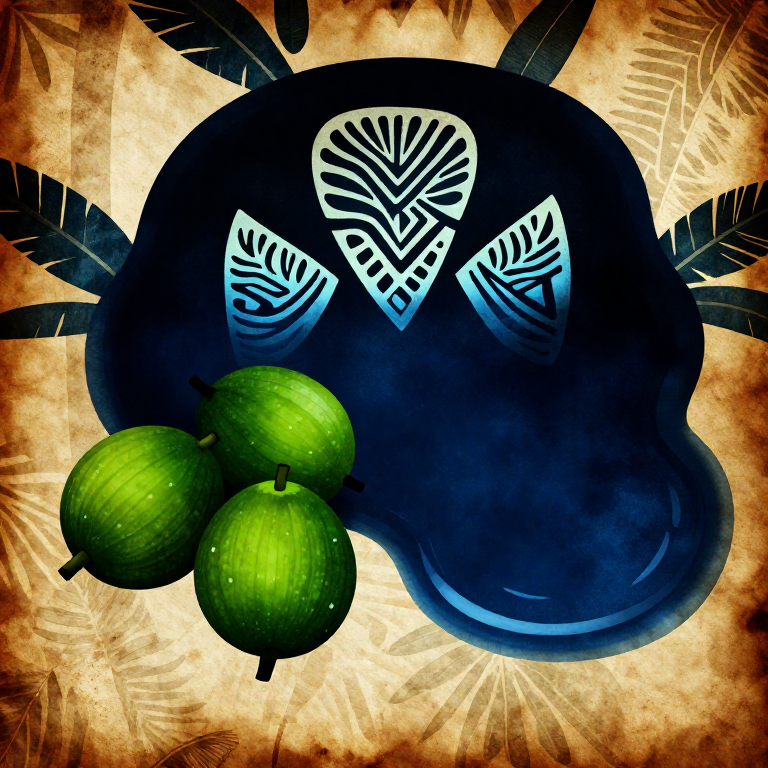
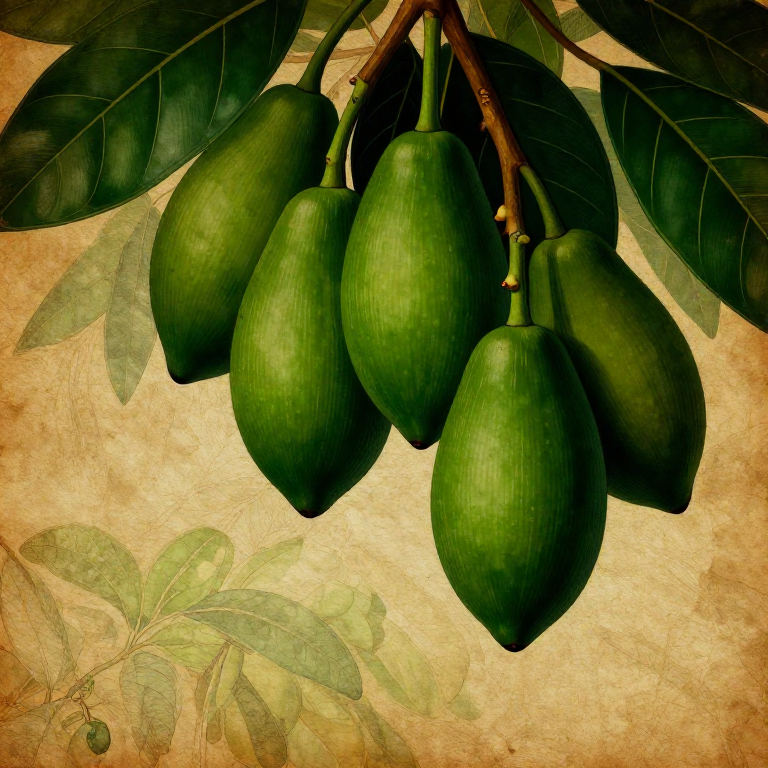
Harvest green and immature genipap fruits (Genipa americana). The ripe fruit is edible, but has much less genipin — the active compound. The fruit should be hard and dark green.
Materiais para este passo:
 Jenipapo verde3-5 peças
Extract the juice
Extract the juice
Cut the fruits in half and squeeze or grate to extract the juice. Wear gloves — the juice stains any surface intensely. The liquid will be almost colorless to pale green.
Ferramentas necessárias:
 Faca
Faca Luvas de couro
Strain the juice
Strain the juice
Pass the juice through a fine sieve or cloth to remove pulp and seeds. The filtered liquid is your genipa ink.
Materiais para este passo:
 Pano (de coar)1 peça
Ferramentas necessárias:
 Recipiente
Body application (traditional method)
Body application (traditional method)
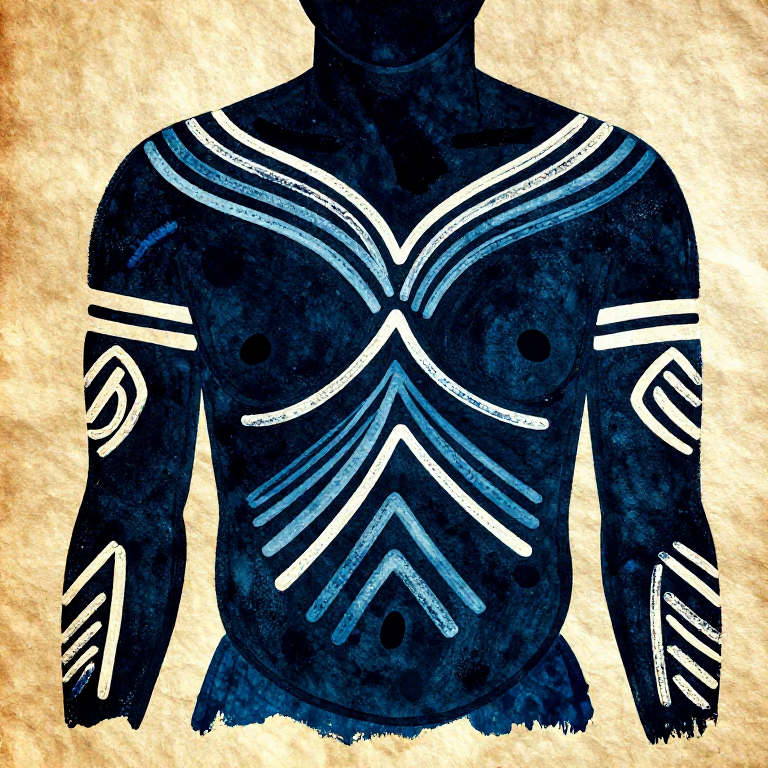
For body painting: apply the juice directly to clean skin using fingers, sticks or brushes. The Kayapó create geometric patterns representing animals and spirits. The juice is almost invisible when applying.
Wait for the chemical reaction
Wait for the chemical reaction
Genipin in the juice reacts with amino acids in skin proteins in the presence of oxygen. In 2-4 hours, the mark begins to darken. Full color in 24-48 hours — a deep blue-black.
Duration of painting
Duration of painting
The genipap mark lasts 1-2 weeks, disappearing naturally as the epidermis renews itself. It cannot be removed with water or soap — it is a covalent bond with skin proteins.
Prepare fiber for textile dyeing
Prepare fiber for textile dyeing
To dye fabrics: works best on protein fibers (wool, silk) because genipin naturally binds to amino acids. For cotton, first treat with tannin to create binding points.
Materiais para este passo:
 Meada de lã50 g
 Tanino (mordente natural)4 g
Prepare o mordente (para algodão)
Prepare o mordente (para algodão)
Se estiver usando algodão ou linho: dissolva tanino (8% do peso da fibra) em água quente, mergulhe a fibra por 1 hora. Depois mordentear com alúmen (12% do peso). Para lã/seda, este passo é opcional.
Materiais para este passo:
 Alúmen (alúmen de potássio)6 g
Ferramentas necessárias:
 Recipiente resistente ao calor
Dyeing bath with genipap
Dyeing bath with genipap
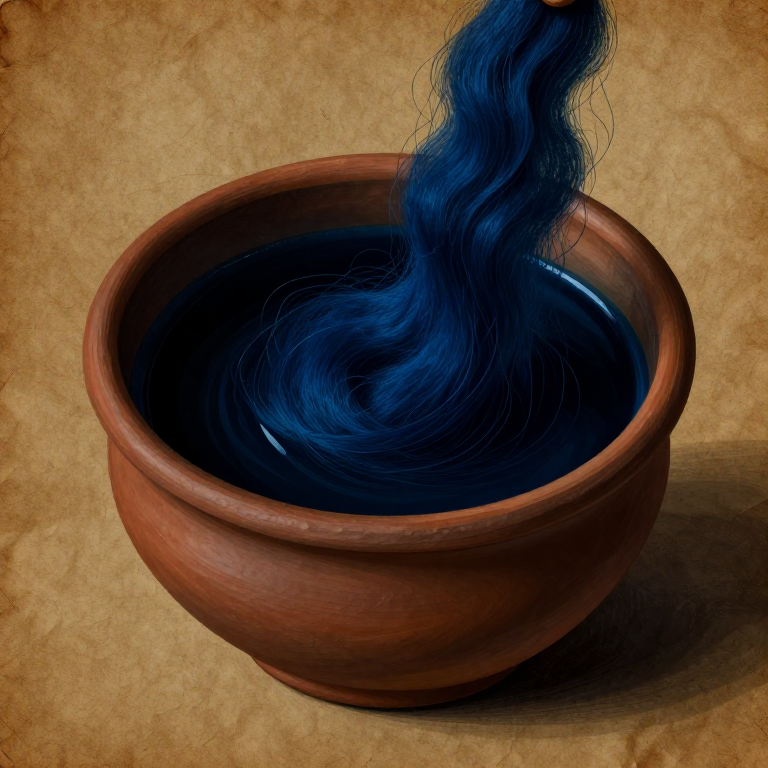
Immerse the prepared fiber in genipap juice. It is not necessary to heat — the reaction occurs at room temperature. Leave submerged for 2-4 hours.
Ferramentas necessárias:
RecipienteOxidation phase
Oxidation phase
Remove the fiber from the bath and hang to air dry. The color develops during drying as the genipin oxidizes. Wait 24-48 hours for full color.
Enxaguar e avaliar
Enxaguar e avaliar
Após a oxidação completa, enxágue suavemente em água fria. O resultado em lã/seda é azul intenso com leve tom violeta. Em algodão com mordente, tons mais claros de azul.
Kayapó Tradition: genipap and urucum
Kayapó Tradition: genipap and urucum
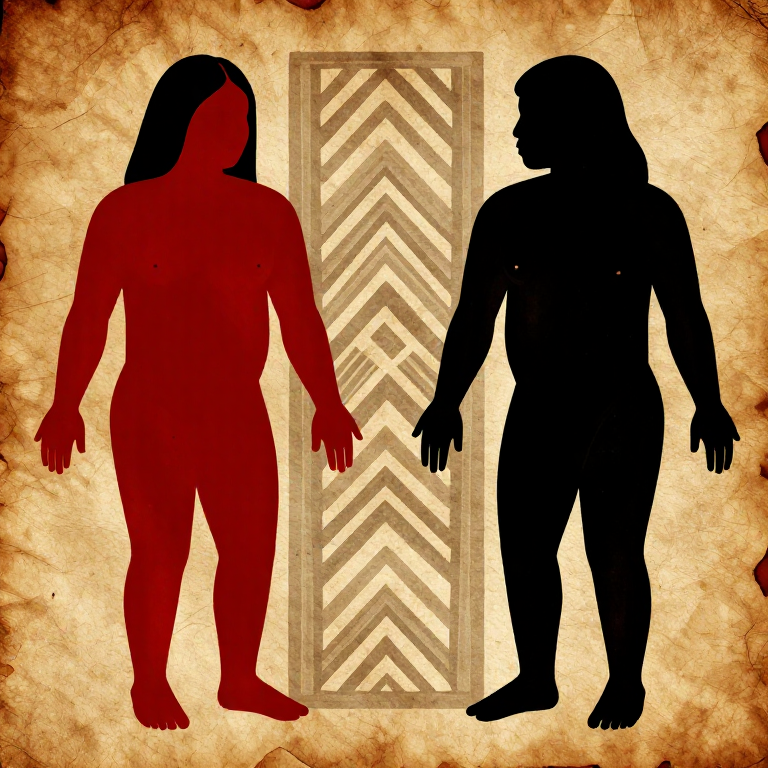
In Kayapó tradition, genipap (black) and urucum (red) are the two fundamental colors of body painting. Black represents wisdom and connection with spirits; red, vital force and readiness for war. Together, they express the duality of the Kayapó worldview.
Materiais
5- 3-5 peçasReferência
- 1 peçaReferência
- 50 gReferência
- Referência
- Referência
Ferramentas necessárias
5- Referência
- Referência
- Referência
- Referência
- None required
Este projeto faz

CC0 Domínio Público
Este blueprint é liberado sob CC0. Você é livre para copiar, modificar, distribuir e usar este trabalho para qualquer finalidade, sem pedir permissão.
Apoie o Maker comprando produtos através do Blueprint, onde ele ganha uma Comissão Maker definida pelos vendedores, ou crie uma nova versão deste Blueprint e inclua-o como conexão no seu próprio Blueprint para compartilhar receita.