ARTE
BELEZA E BEM-ESTAR
ARTESANATO
CULTURA E HISTÓRIA
ENTRETENIMENTO
MEIO AMBIENTE
COMIDA E BEBIDAS
FUTURO VERDE
ENGENHARIA REVERSA
CIÊNCIAS
ESPORTES
TECNOLOGIA
TECNOLOGIA VESTÍVEL
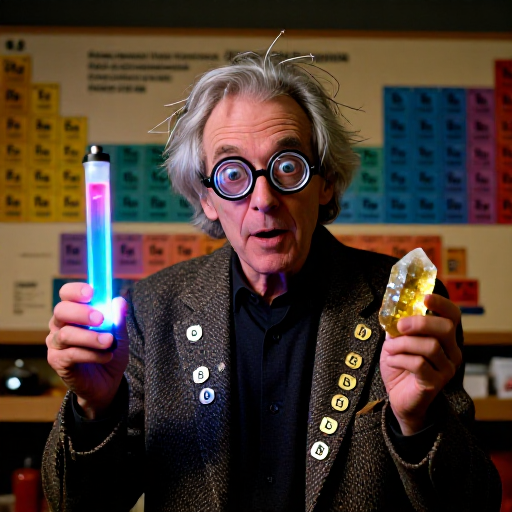
Understanding Radium from Uranium Ore — The Glowing Element That Changed Science and Medicine
Peter

Criado por

Peter

14. maio 2026SE
0
0
0
0
0

Understanding Radium from Uranium Ore — The Glowing Element That Changed Science and Medicine

Intermediário

Instruções

1

Understand Radium's Discovery

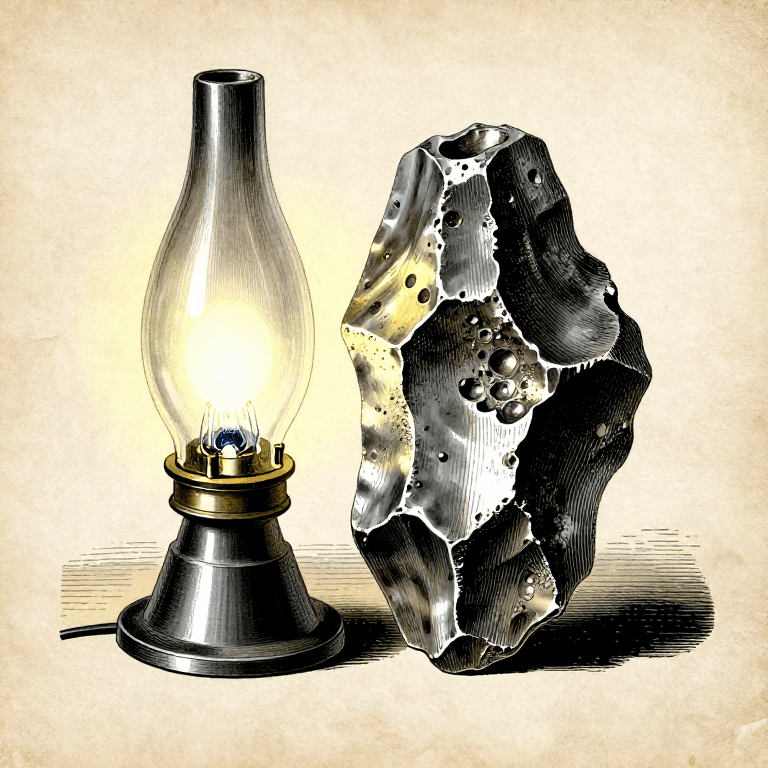
Marie and Pierre Curie discovered radium on December 21, 1898, five months after finding polonium, by processing tonnes of pitchblende residue from the Joachimsthal mines in Bohemia. They separated radium from barium through repeated fractional crystallization of the chlorides — radium chloride is slightly less soluble and crystallizes first. The name radium comes from the Latin 'radius' (ray). Marie Curie received Nobel Prizes in both Physics (1903) and Chemistry (1911) largely for this work.
2

Examine Radium's Radioactive Properties

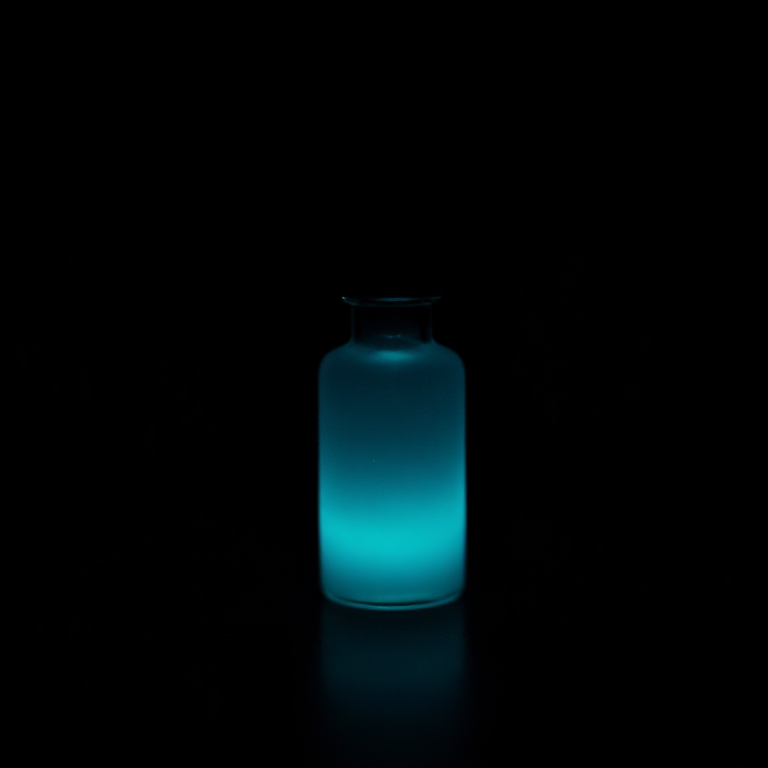
Radium-226 (half-life 1,600 years) is the most stable and abundant isotope, produced in the uranium-238 decay chain. It decays by alpha emission to radon-222 — continuously generating radioactive gas. A gram of radium produces 37 billion nuclear disintegrations per second, which became the original definition of the curie (Ci). Fresh radium metal glows faintly blue from self-irradiation of surrounding air. It accumulates enough radon in a sealed container to create dangerous pressure.
3

Trace the Industrial Extraction Process

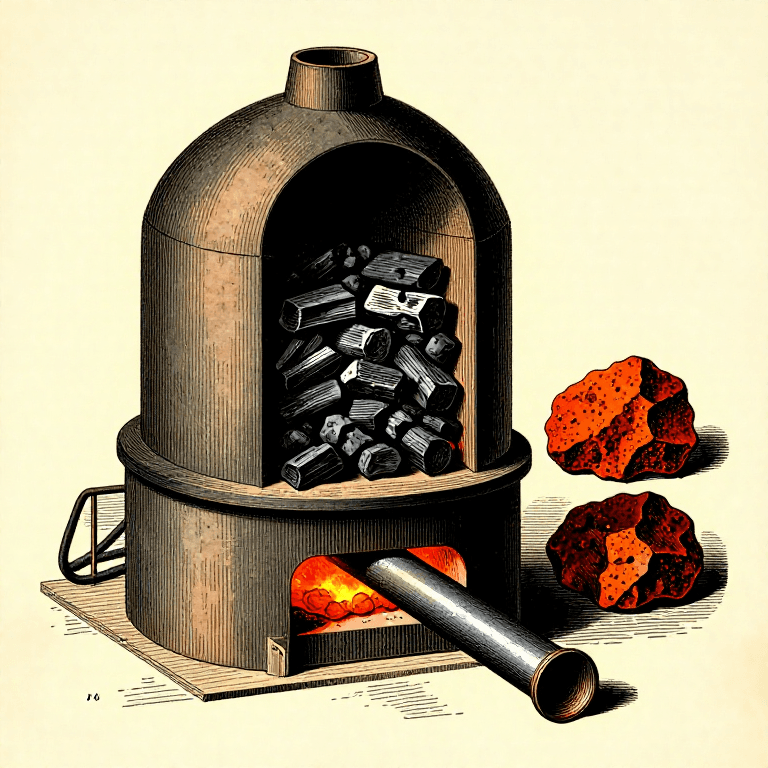
The Curies extracted 1 mg of radium from 7 tonnes of pitchblende residue over four years of manual labor in an unheated shed. Industrially, radium was extracted from uranium ores (primarily carnotite from Colorado and pitchblende from Congo) by acid leaching, barium carrier precipitation, and repeated fractional crystallization. At its peak in the 1920s, radium cost $100,000 per gram — more valuable than any substance on Earth. The Standard Chemical Company in Pittsburgh was the leading American producer.
4

Discover Early Medical Applications

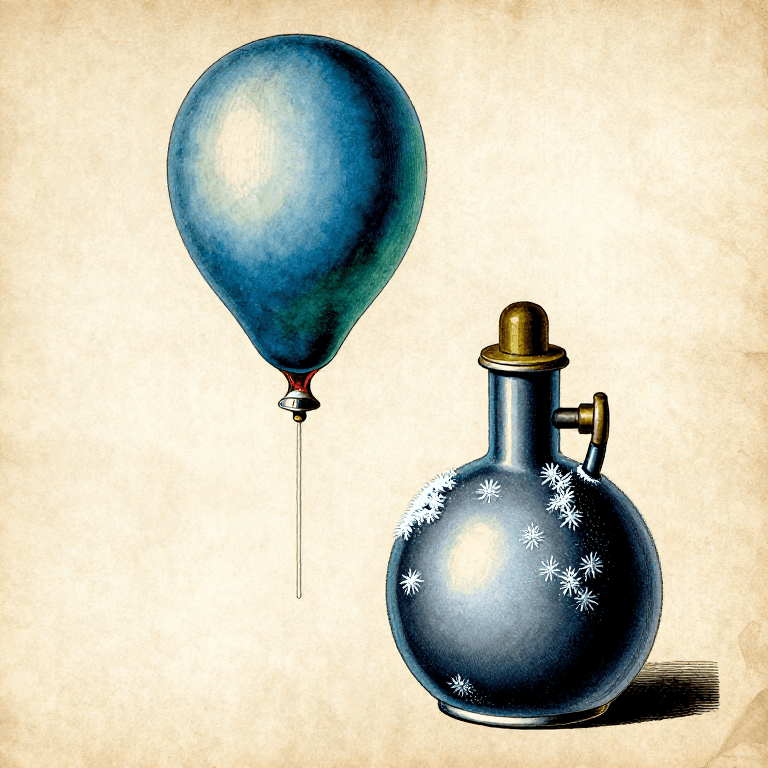
Radium became the first radiation therapy tool for cancer treatment. Henri-Alexandre Danlos applied radium directly to tumors at the Hôpital Saint-Louis in Paris in 1901. Radium needles (sealed tubes containing radium salts) were inserted into tumors to deliver localized radiation — a technique called brachytherapy that continues today with different isotopes. Radium therapy was remarkably effective against cervical and skin cancers. The Radium Institute in Paris and Memorial Hospital in New York pioneered these treatments.
5

Learn the Tragedy of the Radium Girls

From 1917 to the late 1920s, workers at US Radium Corporation in Orange, New Jersey, painted luminous radium dials on watches and instruments. Instructed to 'lip-point' their brushes by licking them to form a fine tip, these women ingested radium daily. Radium mimics calcium and deposits in bones, causing radiation necrosis of the jaw ('radium jaw'), severe anemia, and bone cancer. Their lawsuit against US Radium in 1928 established the legal precedent for occupational disease claims and transformed workplace safety regulation.
6

Examine the Radium Craze

In the early 1900s, radium was marketed as a health tonic. Radithor (radium dissolved in water) was sold as a patent medicine from 1918. Radium toothpaste, radium water, radium suppositories, and radium-infused chocolate were all commercially available. The most notorious victim was Eben Byers, a wealthy socialite who drank 1,400 bottles of Radithor over three years and died in 1932 with holes in his skull. His death prompted the Federal Trade Commission to ban radium health products.
7

Understand Radium's Alkaline Earth Chemistry

Radium is the heaviest alkaline earth metal and behaves chemically like barium — both form insoluble sulfates (RaSO₄, BaSO₄), soluble chlorides, and strongly alkaline hydroxides. This chemical similarity is both the reason the Curies could separate them (slight solubility differences) and the reason radium is biologically dangerous (it substitutes for calcium in bones). Radium metal is silvery-white, tarnishes black in air, and decomposes water. Its compounds show a faint green-blue luminescence.
8

Survey Modern Applications and Replacements

Radium has been almost entirely replaced by safer alternatives. Cobalt-60 and cesium-137 replaced radium in cancer therapy. Tritium and promethium replaced radium in luminous paint. Americium-241 replaced radium in industrial gauging. Radium-223 (Xofigo) is a modern exception — approved in 2013 for treatment of bone metastases from prostate cancer. As an alpha emitter that targets bone, Ra-223 delivers localized radiation to cancer cells while sparing healthy tissue.
9

Investigate Environmental Contamination Legacy

The radium industry left a toxic legacy. The former Radium Luminous Material Corporation site in Ottawa, Illinois, the US Radium factory in Orange, New Jersey, and numerous other sites remain contaminated. Radium-226's 1,600-year half-life means contaminated soil and groundwater remain hazardous for millennia. The EPA Superfund program has spent hundreds of millions on radium remediation. Marie Curie's laboratory notebooks remain too radioactive to handle without protection and are stored in lead-lined boxes at the Bibliothèque nationale.

Ferramentas necessárias:

Precision Scale (0.01g)Precision Scale (0.01g)
10

Document Findings and Scientific Legacy

Record radium's key data: atomic number 88, density 5.5 g/cm³, melting point 700°C, silvery-white alkaline earth metal. Radium defined the age of radioactivity — the element that made Marie Curie a legend, inspired a generation of nuclear scientists, killed the workers who handled it carelessly, and laid the foundation for radiation therapy that saves lives today. Its story is the most complete illustration in all of chemistry that understanding a powerful force requires both courage and respect.

Ferramentas necessárias

1

Materiais de Blueprints conectados

CC0 Domínio Público

Este blueprint é liberado sob CC0. Você é livre para copiar, modificar, distribuir e usar este trabalho para qualquer finalidade, sem pedir permissão.

Apoie o Maker comprando produtos através do Blueprint, onde ele ganha uma Comissão Maker definida pelos vendedores, ou crie uma nova versão deste Blueprint e inclua-o como conexão no seu próprio Blueprint para compartilhar receita.

Discussão

(0)

Entrar para participar da discussão

Carregando comentários...