ARTE
BELEZA E BEM-ESTAR
ARTESANATO
CULTURA E HISTÓRIA
ENTRETENIMENTO
MEIO AMBIENTE
COMIDA E BEBIDAS
ENGENHARIA REVERSA
CIÊNCIAS
ESPORTES
TECNOLOGIA
TECNOLOGIA VESTÍVEL
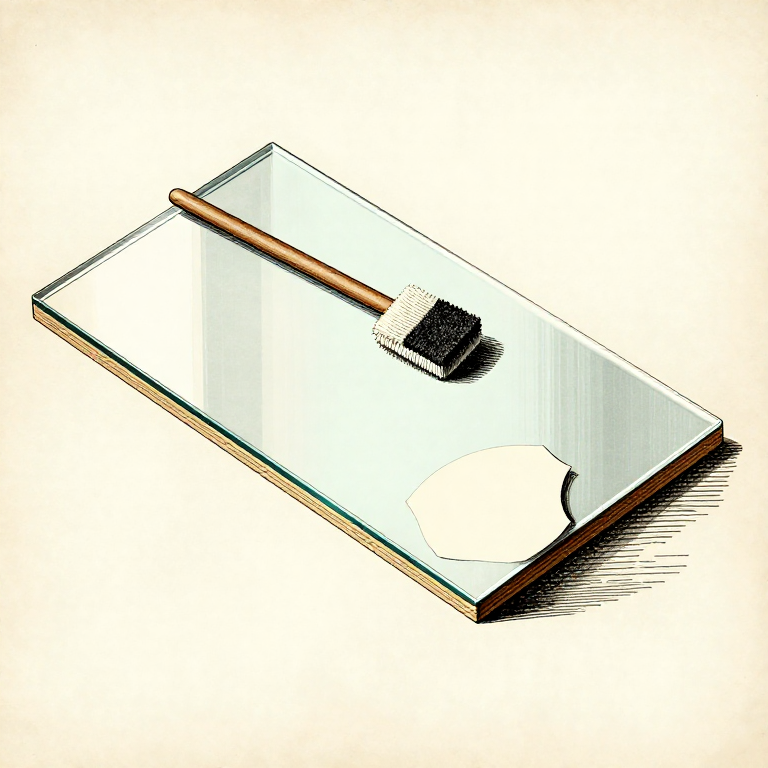


Varnish Is a Sacrificial Layer, Not a Finish
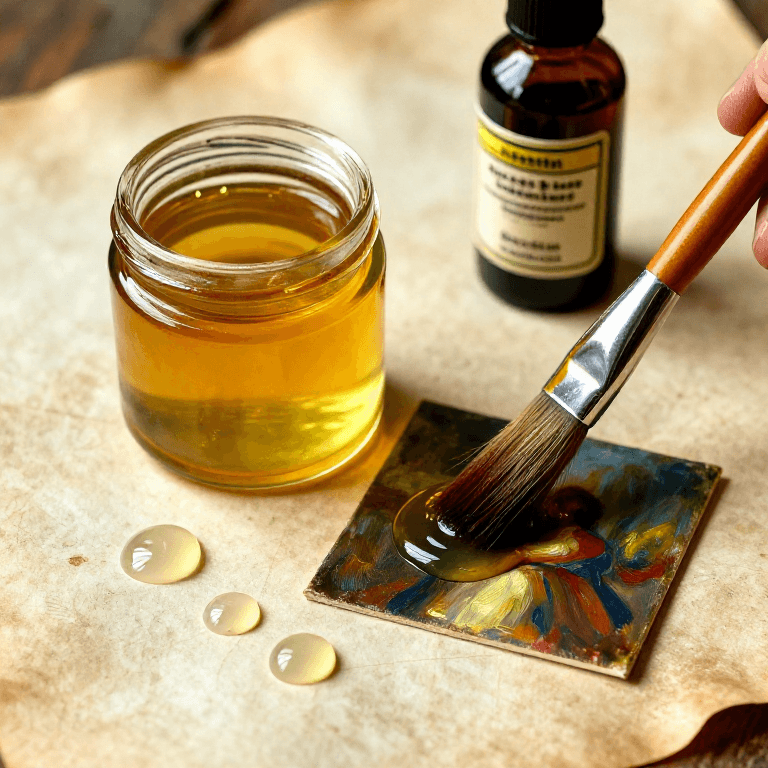
A picture varnish is not there to make the painting shiny. It is there to be REMOVED — a layer that collects the dirt, the smoke and the ultraviolet damage so that the paint underneath does not.
Which means the most important property of a varnish is not how it looks but whether it can be taken off in fifty years without taking the painting with it. A varnish that has become insoluble is a disaster, and several modern ones do exactly that.
It also evens out the surface. Oil paint dries to patchy gloss — some pigments sink in and go matt, others stay glossy — and a varnish gives the whole surface one refractive index, which restores the depth of the darks.
Intermediário
3 hours
Instruções
1
1
Wait, and wait longer than feels necessary
Wait, and wait longer than feels necessary
Six to twelve months for an oil painting, and longer for thick passages. The drying rung's point exactly: the film is still oxidising, still contracting, and still giving off small volatile products long after it is touch-dry.
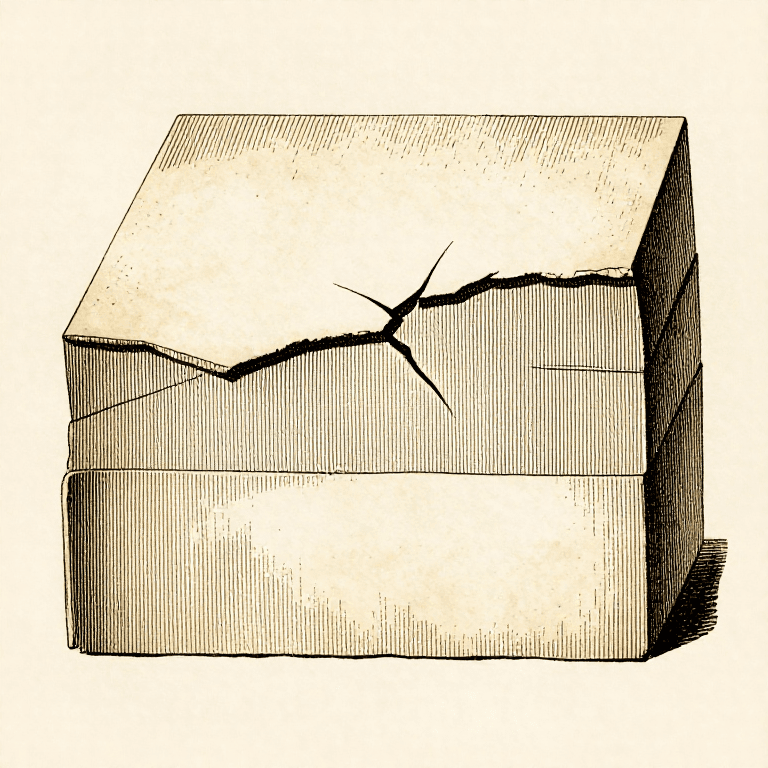
Varnish applied over paint that is still moving traps those volatiles, bonds into the surface, and cannot later be removed cleanly. It also cracks with the layer beneath, because the varnish sets long before the paint stops moving.
Where a painting must be presented sooner, a RETOUCHING varnish is the answer: a much thinner, more permeable, deliberately temporary layer that evens the gloss and is replaced by a proper varnish later.
Materiais para este passo:
 Óleo de linhaça1 peça
 Aguarrás de resina1 peça
Ferramentas necessárias:
 Conjunto de pincéis de artista
 Lupa de joalheiro
2
2
Removable means soluble in something mild
Removable means soluble in something mild
The conservator's requirement is that the varnish dissolves in a solvent that does NOT dissolve the paint. Natural resins like dammar and mastic satisfy that: they come off with mild solvents that leave a cured oil film alone.
Their weakness is that they yellow and grow less soluble with age — an old dammar varnish needs stronger solvents than a fresh one, which is why very old varnish removal is difficult and skilled work.
Modern synthetic varnishes based on low-molecular-weight resins were developed for exactly this: they stay soluble in mild solvents and yellow far less. Acrylic-based varnishes vary, and some cross-link over time into something that cannot be removed at all.
Materiais para este passo:
Aguarrás de resina1 peçaFerramentas necessárias:
Conjunto de pincéis de artista Luvas de nitrilo
 Óculos de proteção química
 Copo de vidro (gobelé)
3
3
Apply thin, in a warm dry room, and do not go back over it
Apply thin, in a warm dry room, and do not go back over it
Two thin coats beat one thick one. A thick varnish layer traps solvent, stays soft, collects dust and is much harder to remove evenly later.
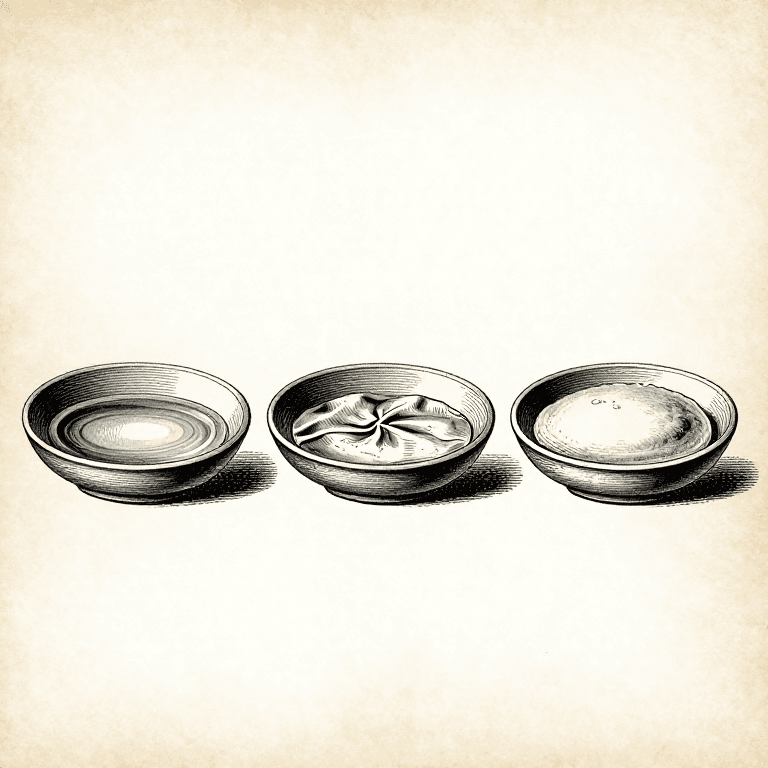
Work in a warm room with low humidity. Varnishing in damp conditions causes BLOOM — a milky haze from moisture trapped as the solvent evaporates and chills the surface. It is a real and common fault and it is entirely environmental.
Lay it on in one direction with a wide soft brush and leave it. Going back over a partly-set varnish drags it into ridges that cannot be brushed out, because the solvent has already begun to leave.
Materiais para este passo:
Aguarrás de resina1 peçaFerramentas necessárias:
Conjunto de pincéis de artistaLupa de joalheiro4
4
Record what you used, on the back
Record what you used, on the back
Write the varnish type and the date on the stretcher or the back of the panel. Whoever cleans the painting in fifty years needs to know what they are dissolving, and the alternative is testing on a corner of the work itself.
Record the ground, the medium and any unusual materials too. A label saying 'acrylic ground, oil paint with stand oil medium, dammar varnish, 2026' takes a minute and is worth a great deal to anyone who has to intervene later.
That is the notebook rung pointed forward instead of backward. Every other rung in this batch is about making the object last; this is about making the information last with it.
Materiais para este passo:
 Tela de artista (montada em grade)1 peça
Ferramentas necessárias:
 Régua
RéguaMateriais
3- 1 peçaReferência
- 3 peçasReferência
- Referência
Ferramentas necessárias
6- Referência
- Referência
- Referência
- Referência
- Referência
- Referência
Blueprints relacionados
Estes blueprints compartilham conhecimento — técnicas, materiais ou princípios

CC0 Domínio Público
Este blueprint é liberado sob CC0. Você é livre para copiar, modificar, distribuir e usar este trabalho para qualquer finalidade, sem pedir permissão.
Apoie o Maker comprando produtos através do Blueprint, onde ele ganha uma Comissão Maker definida pelos vendedores, ou crie uma nova versão deste Blueprint e inclua-o como conexão no seu próprio Blueprint para compartilhar receita.