

Crucible Cast Steel by the Huntsman Process — Remelting Blister Steel into Flawless Ingots
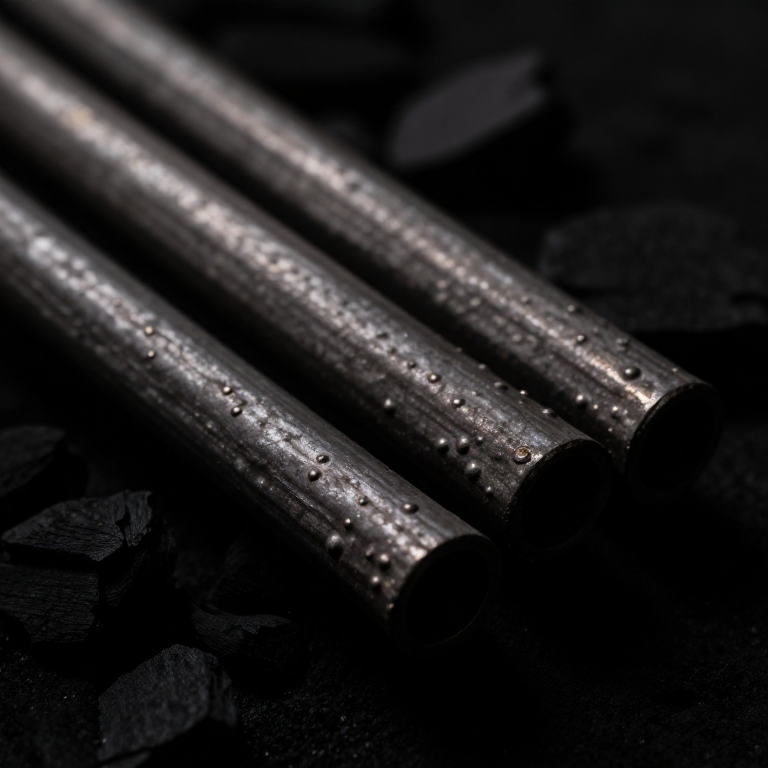
Blister steel was a triumph, but it had a flaw: its carbon was uneven, rich at the surface of each bar and poor in the core. For fine springs, watch parts, and razors, smiths needed steel that was the same all the way through. In 1740 the Sheffield clockmaker Benjamin Huntsman found the answer — melt the steel completely.
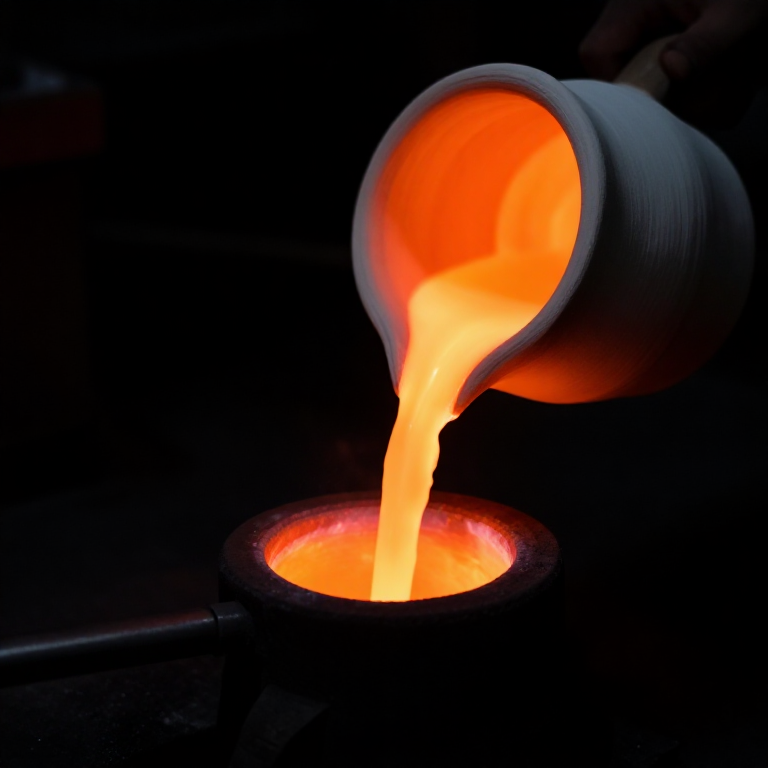
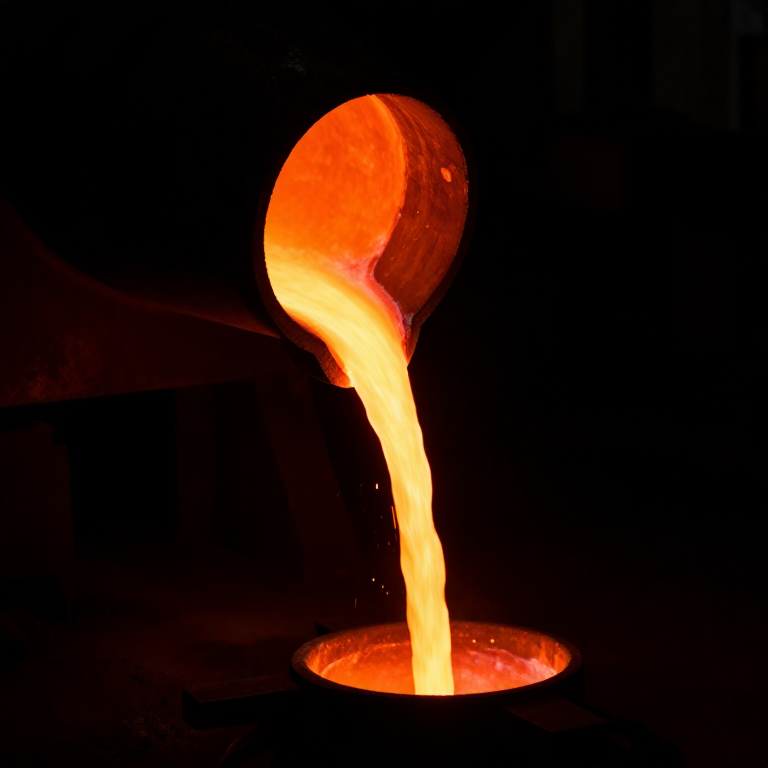
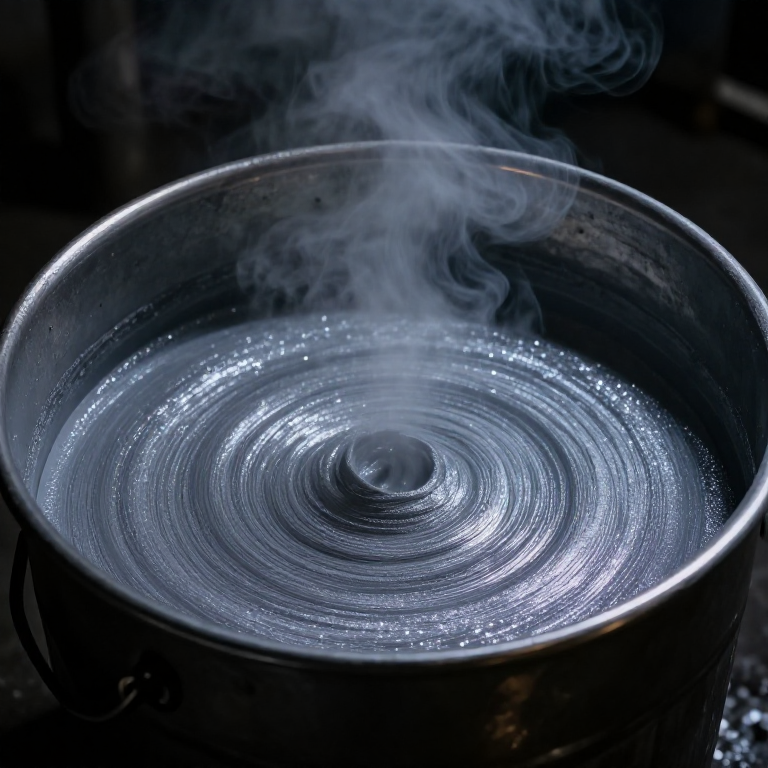
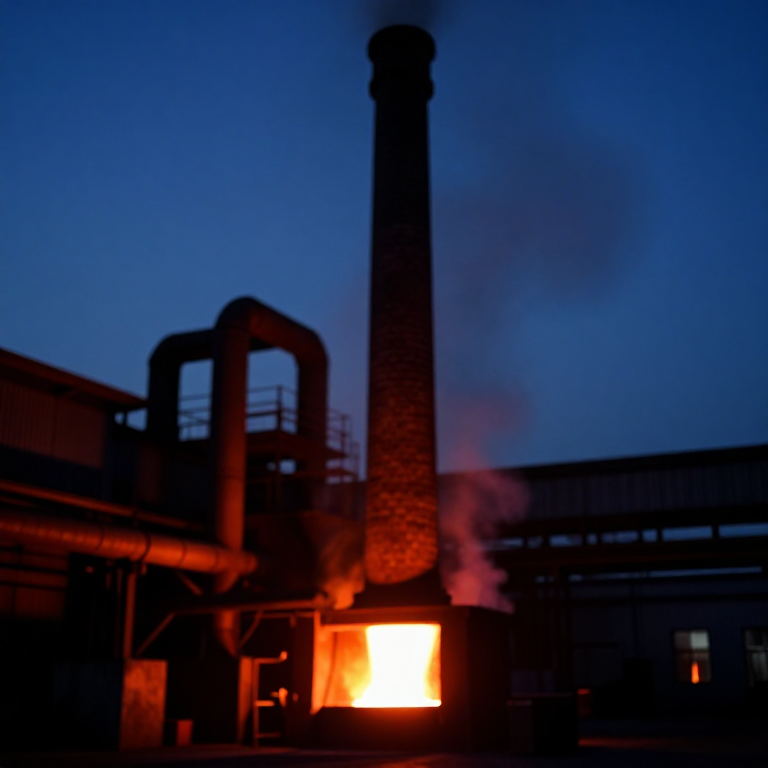
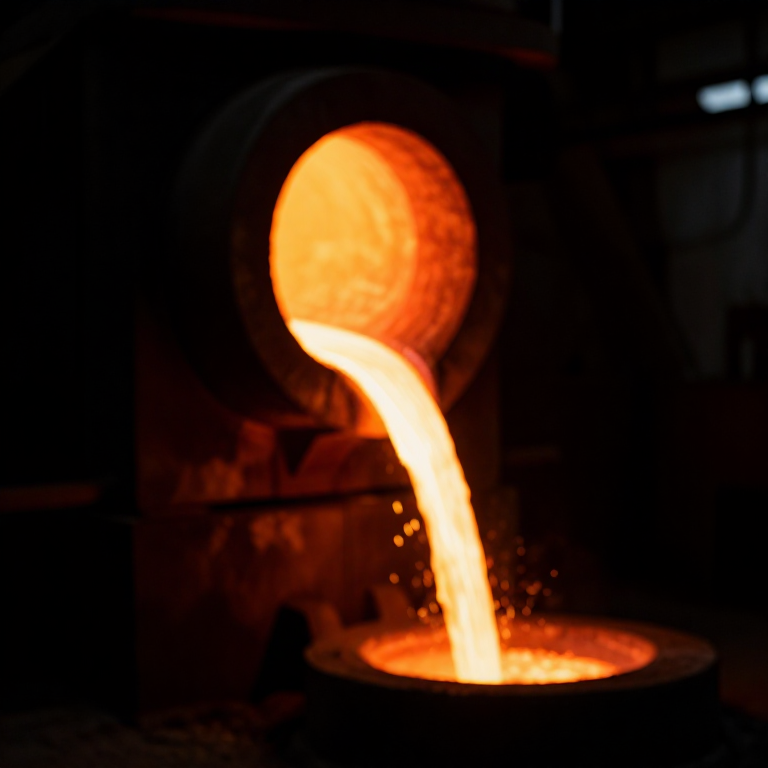
No furnace of the day could melt steel, so Huntsman built one that could. He broke blister steel into small pieces, sealed them in a covered clay crucible, and drove a coke fire hot enough — around 1600 degrees Celsius — to turn the solid steel into a clear liquid. Fully molten, the carbon spread perfectly evenly through the metal and the impurities floated off as slag. Poured into a mould, it set into a flawless ingot of cast steel.
Huntsman's crucible steel was the finest in the world and made Sheffield the steel capital of the age. The principle — melt it to make it uniform — is the same one that still underlies steelmaking today, and it sits at the very top of the iron-and-steel chain that runs from ore to coke to pig iron to wrought iron to blister steel to this.
Instructions
Understand the goal
Understand the goal
Break up the blister steel
Break up the blister steel
Materials for this step:
 Blister Steel Bars12 kg
Tools needed:
 Hammer
Prepare a clay crucible
Prepare a clay crucible
Materials for this step:
 Clay Crucible1 piece
Charge the crucible
Charge the crucible
Materials for this step:
 Limestone1 kg
Build a coke melting furnace
Build a coke melting furnace
Materials for this step:
 Metallurgical Coke50 kg
Tools needed:
 Bellows
Melt the steel fully
Melt the steel fully
Tools needed:
 Crucible Tongs
Let the carbon even out
Let the carbon even out
Let the slag rise
Let the slag rise
Lift the crucible
Lift the crucible
Tools needed:
Crucible TongsCast the ingot
Cast the ingot
Tools needed:
 Ingot Mould
Cool and strip
Cool and strip
Tools needed:
HammerIdentify cast steel
Identify cast steel
Tools needed:
 File
FileMaterials
4- 12 kgPlaceholder
- 1 piecePlaceholder
- 1 kgPlaceholder
- 50 kgPlaceholder
Connected Blueprint Materials
Related Blueprints
These blueprints share knowledge with this one — techniques, materials, or principles that connect them in the learning graph.
Related blueprints
Other builds that share materials, tools, or techniques with this one.
CC0 Public Domain
This blueprint is released under CC0. You are free to copy, modify, distribute, and use this work for any purpose, without asking permission.
Support the Maker by purchasing products through their Blueprint where they earn a Maker Commission set by Vendors, or create a new iteration of this Blueprint and include it as a connection in your own Blueprint to share revenue.