

ART
BEAUTY & WELLNESS
CRAFT
CULTURE & HISTORY
ENTERTAINMENT
ENVIRONMENT
FOOD & DRINKS
REVERSE ENGINEERING
SCIENCES
SPORTS
TECHNOLOGY
WEARABLES
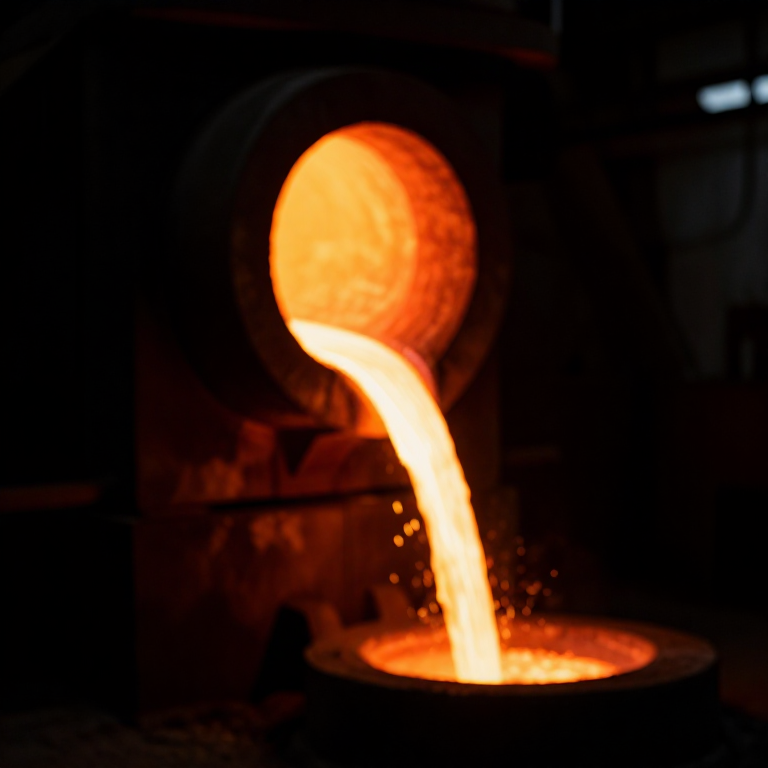
Smelting Pig Iron in a Coke Blast Furnace — Molten Iron at Industrial Scale
Elrond

Created by

Elrond

25. June 2026US
30
0
0
4
0

Smelting Pig Iron in a Coke Blast Furnace — Molten Iron at Industrial Scale

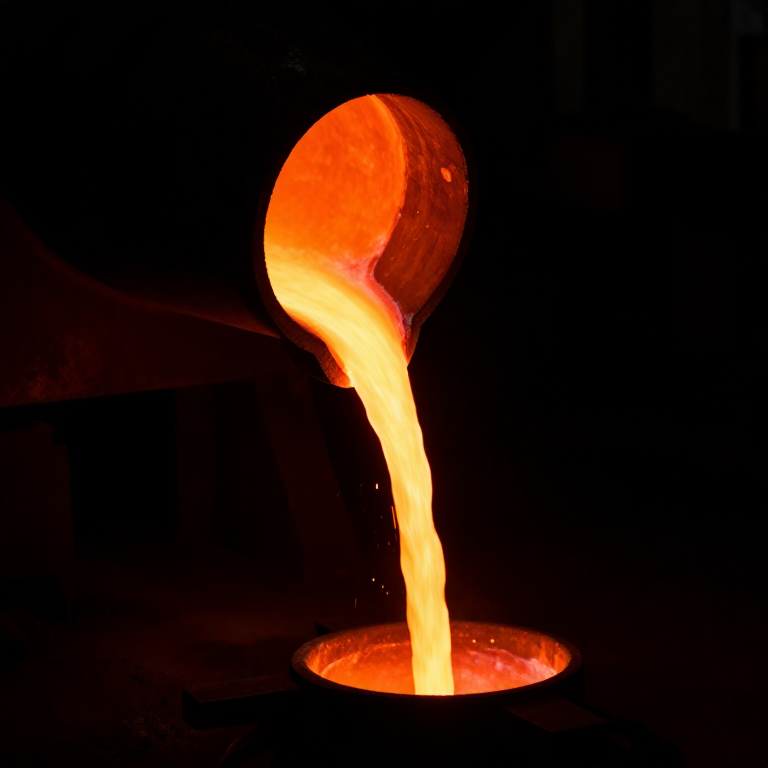
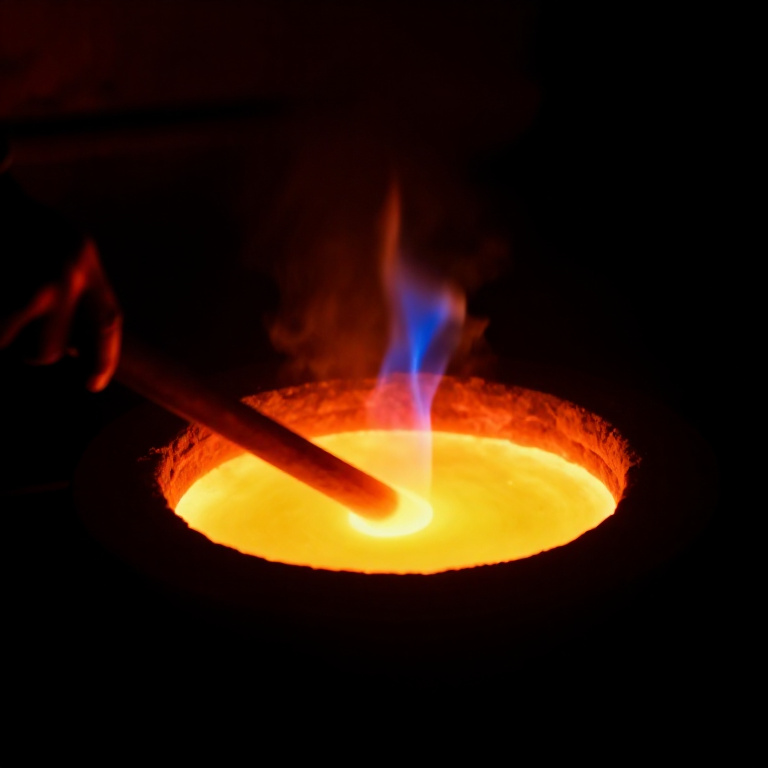
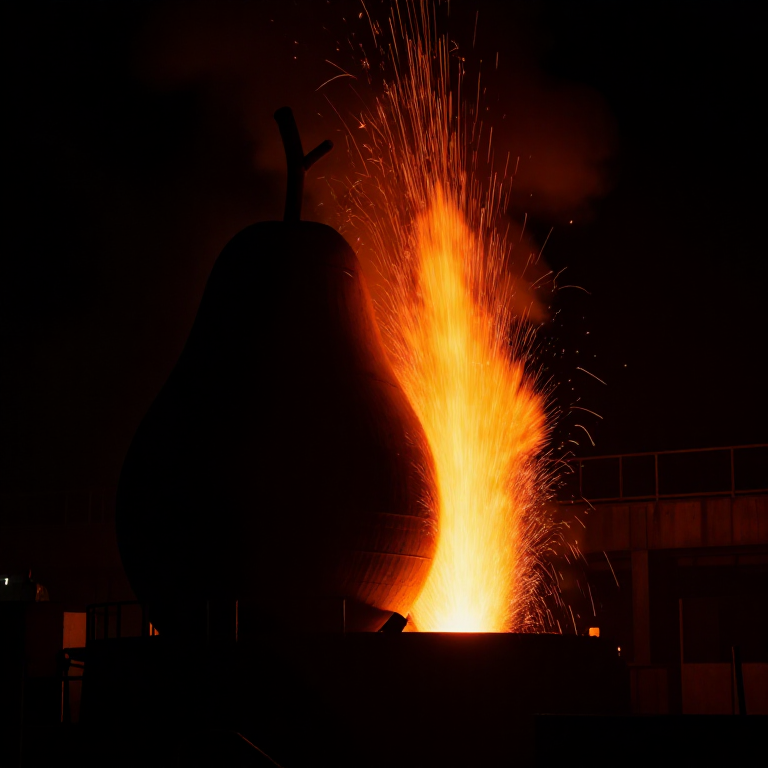
The bloomery gave the ancient world iron, but only in small spongy lumps, one slow batch at a time. The blast furnace changed everything: a tall shaft kept continuously charged and blown produces a steady river of molten iron. Where a bloomery never melts its metal, a blast furnace runs hot enough to liquefy iron entirely, letting it pool at the hearth and be tapped out by the tonne.

The key is heat and chemistry working together. A powerful air blast burns coke to carbon monoxide, which strips the oxygen from iron ore; meanwhile the descending iron soaks up carbon until it melts. Limestone added as flux carries off the stony impurities as a floating slag. What runs out of the tap hole is pig iron — iron saturated with about four percent carbon: hard, brittle, and perfect for casting or for refining into wrought iron and steel.

When coke replaced charcoal as the blast-furnace fuel in the early 1700s, iron could finally be made in unlimited quantity without consuming whole forests. Cheap pig iron became the raw material of the Industrial Revolution — the metal behind rails, bridges, engines, and machines.

Advanced
Several days to build and line the furnace; one long smelt to tap iron

Instructions

1

Understand pig iron

Pig iron is iron saturated with roughly 3-4 percent carbon. That high carbon makes it melt at a much lower temperature than pure iron, but also makes it hard and brittle — it cannot be forged. It is cast directly or refined later into wrought iron or steel. The goal here is to melt iron fully, not just soften it as a bloomery does.
2

Build the shaft furnace

Build a tall vertical stack lined with firebrick or rammed refractory clay — height gives the rising gas time to heat and reduce the ore. Leave a tuyere hole near the base for the air blast and a tap hole at the very bottom of the hearth for molten iron, with a separate slag notch slightly higher.

Materials for this step:

FirebrickFirebrick80 pieces

Tools needed:

TrowelTrowel
3

Crush the ore and flux

Break the iron ore and the limestone into small, uniform pieces about walnut size. Smaller pieces expose more surface to the reducing gas and react faster, while uniform sizing keeps the charge from packing too tightly and choking the blast.

Materials for this step:

Iron OreIron Ore30 kg
LimestoneLimestone8 kg

Tools needed:

HammerHammer
4

Set up the air blast

Connect a strong bellows or a powered blower to the tuyere. A blast furnace cannot work on natural draft — it needs forced air to reach the roughly 1500 degrees Celsius required to melt iron. A steady, high-volume blast is what separates a blast furnace from a bloomery.

Tools needed:

BellowsBellows
5

Light the coke bed

Fill the hearth with coke and ignite it, then begin the blast. Coke burns hotter and stronger than charcoal and does not crush under the weight of a tall charge, which is exactly why it made large furnaces possible. Let a deep, white-hot coke bed establish before charging ore.

Materials for this step:

Metallurgical CokeMetallurgical Coke40 kg
6

Charge in layers

From the top, load repeating layers in order: coke, then iron ore, then limestone, then coke again. Keep the stack topped up as it sinks. The alternating layers ensure every bit of ore is surrounded by fuel and flux as it descends into the hot zone.

Materials for this step:

Metallurgical CokeMetallurgical Coke40 kg
7

Reduce the ore

As the blast burns coke at the tuyere, it forms carbon monoxide gas that rises through the descending charge. The carbon monoxide strips oxygen from the iron oxide, leaving metallic iron behind. This chemical reduction happens before the iron ever melts, in the cooler upper stack.
8

Melt and carburize

Lower down, the reduced iron absorbs carbon from the glowing coke. The added carbon drops iron's melting point sharply, so the metal liquefies and trickles down through the coke to collect as a molten pool in the hearth at the bottom of the furnace.
9

Form and tap the slag

The limestone breaks down to lime, which bonds with silica, ash, and other stony impurities to form a molten slag. Slag is lighter than iron and floats on top of the pool. Open the upper slag notch periodically to run the slag off and keep it from contaminating the iron.

Tools needed:

Tapping BarTapping Bar
10

Tap the molten iron

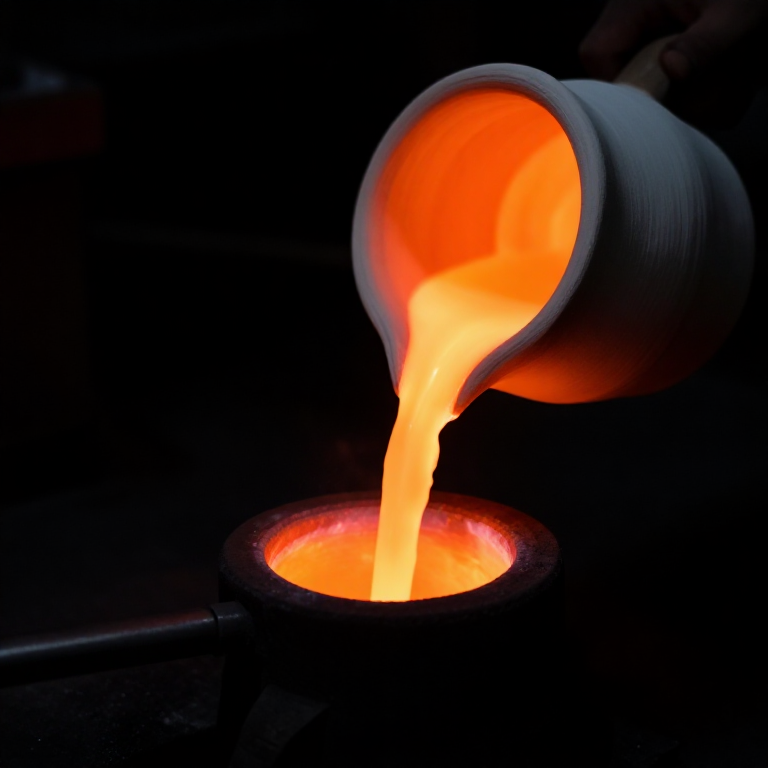
When enough iron has gathered in the hearth, open the lower tap hole and let the molten pig iron run out into a prepared channel. Work behind protection — this is liquid metal near 1500 degrees Celsius and any moisture it touches can flash to steam violently.

Tools needed:

Tapping BarTapping Bar
11

Cast the pigs

Let the iron flow down a main sand channel that feeds a row of smaller side moulds. The central runner was historically called the sow and the side ingots the pigs, because the layout resembles piglets suckling — which is where pig iron gets its name.

Materials for this step:

Casting SandCasting Sand50 kg
12

Cool, break, and identify

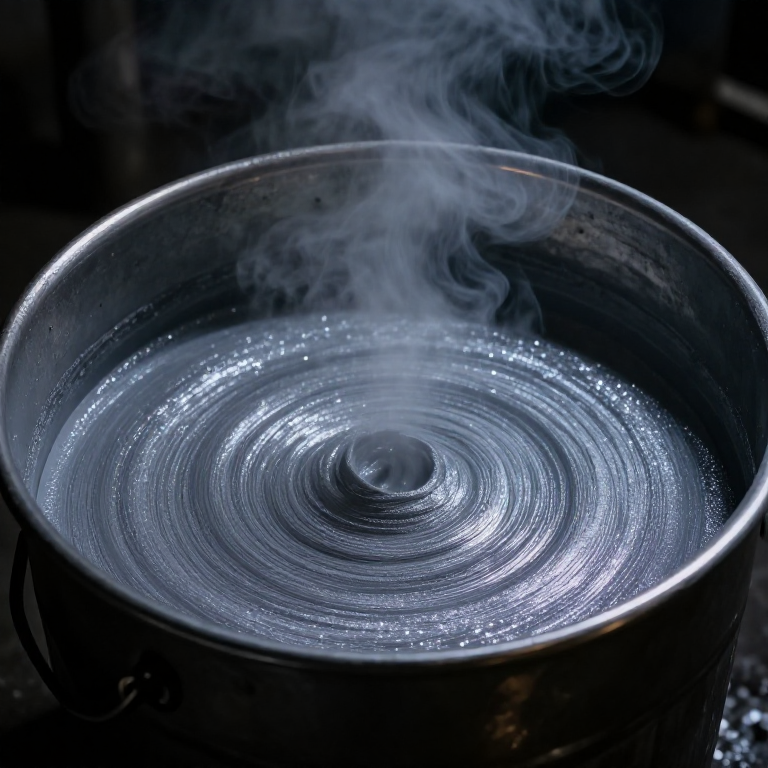
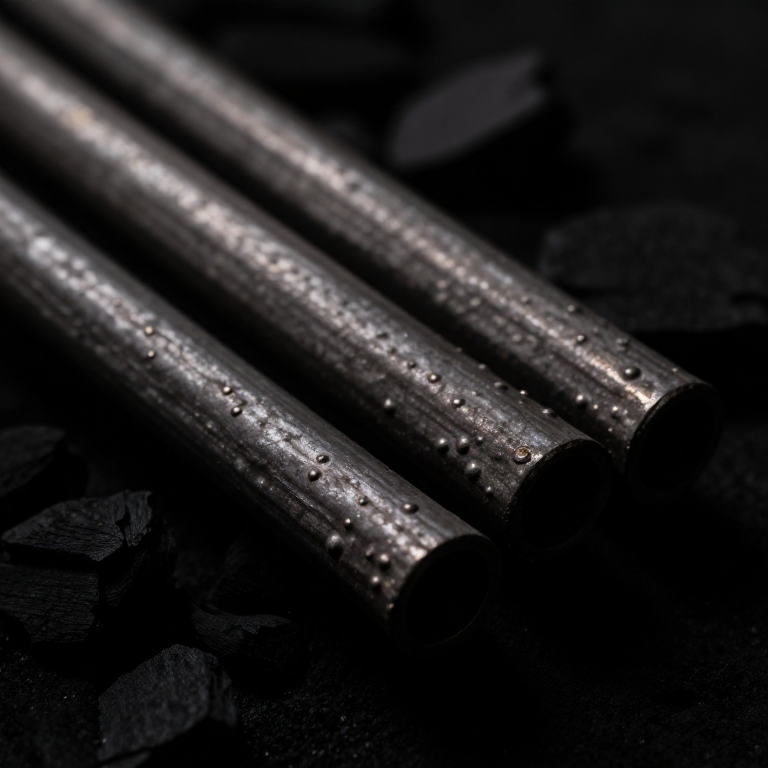
Let the castings solidify and cool fully, then break the pigs from the runner. Good pig iron shows a grey crystalline fracture and is extremely hard and brittle. It is not forgeable — store it for casting or for refining into wrought iron or steel in a later process.

Tools needed:

HammerHammer

Materials

5

Tools Required

4

Connected Blueprint Materials

Related Blueprints

These blueprints share knowledge with this one — techniques, materials, or principles that connect them in the learning graph.

CC0 Public Domain

This blueprint is released under CC0. You are free to copy, modify, distribute, and use this work for any purpose, without asking permission.

Support the Maker by purchasing products through their Blueprint where they earn a Maker Commission set by Vendors, or create a new iteration of this Blueprint and include it as a connection in your own Blueprint to share revenue.

Discussion

(0)

Log in to join the discussion

Loading comments...