

Making Lead White (Flake White) — The Dutch Stack Process for the Most Important Pigment in Oil Painting History
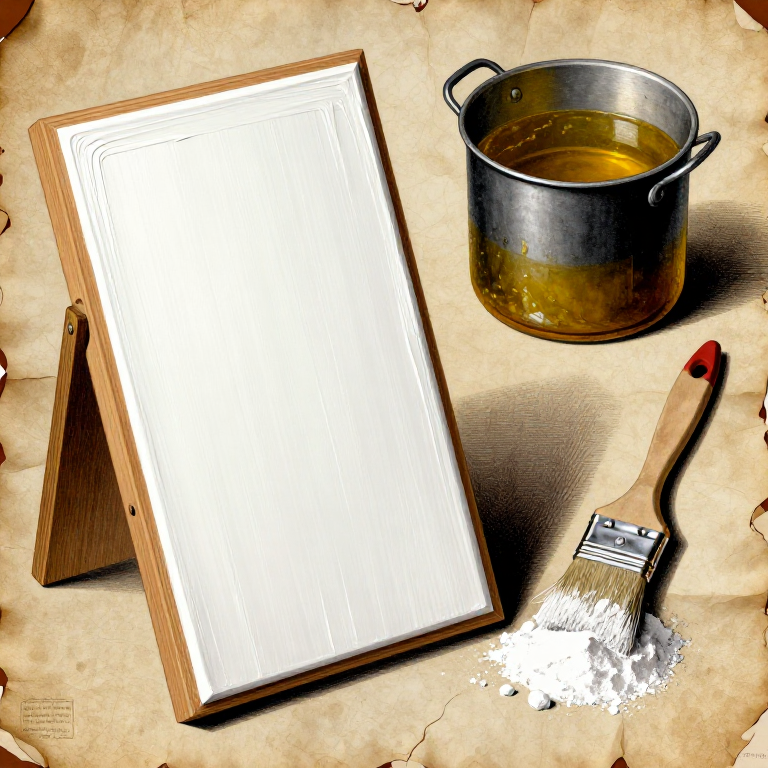
Lead white (basic lead carbonate, 2PbCO₃·Pb(OH)₂) was the only white pigment available to painters from antiquity until zinc white appeared in the late 18th century — and it remained the preferred white for oil painting well into the 20th century. No other white pigment matches its combination of opacity, warmth, buttery handling, and ability to form a tough, flexible paint film. The Greek historian Theophrastus described its manufacture around 300 BC, and the process changed remarkably little in over two thousand years.
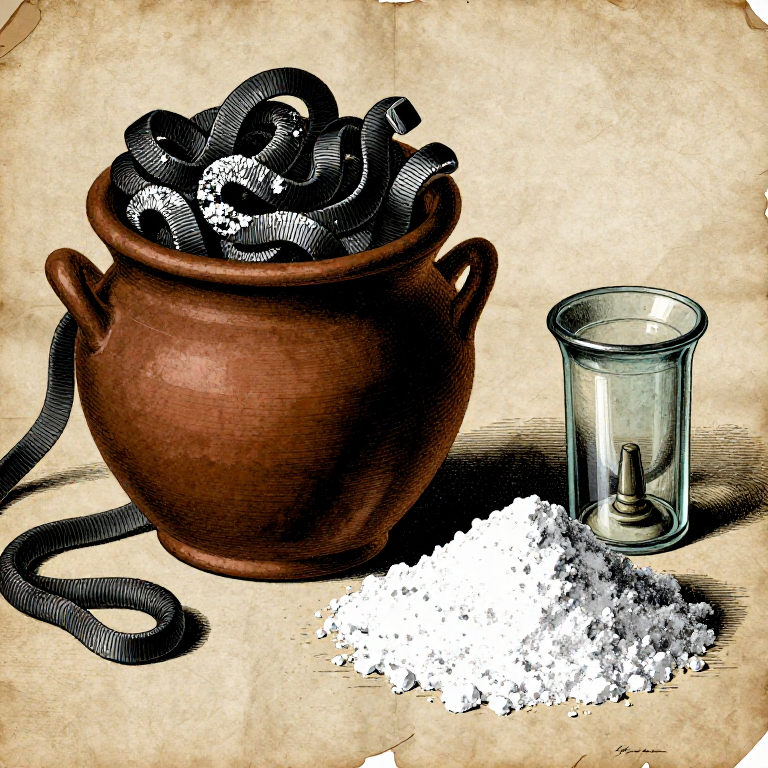
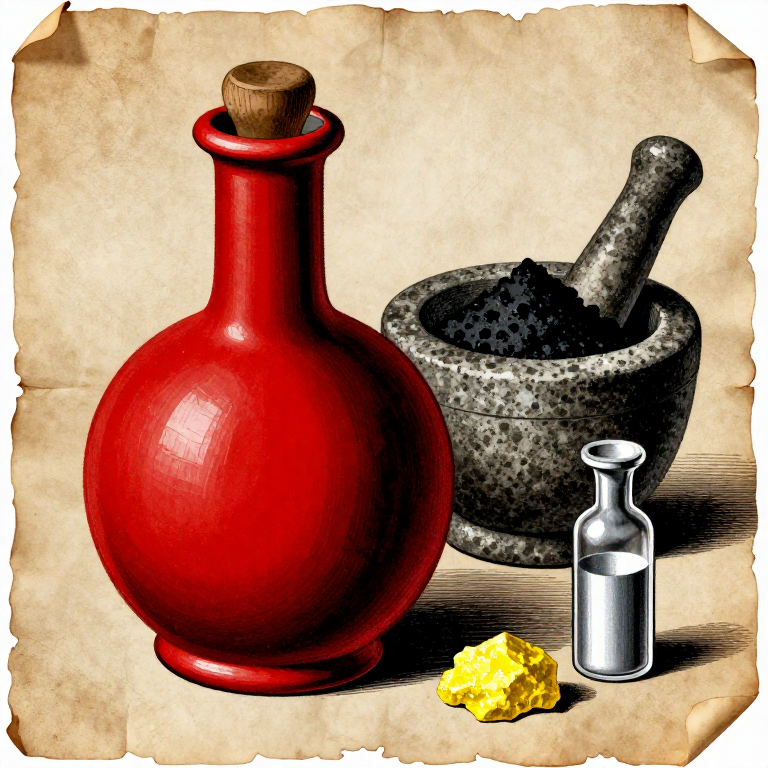
The Dutch stack process (stapelproces) was the industrial-scale version developed in the Netherlands by the 17th century. Lead strips are coiled and placed in earthenware pots with vinegar at the bottom. The pots are stacked in beds of composting horse dung, which generates gentle warmth (35-50°C) and carbon dioxide. Acetic acid vapour from the vinegar attacks the lead surface, forming lead acetate, which then reacts with CO₂ and moisture to form basic lead carbonate — the brilliant, dense white pigment.
SAFETY WARNING: Lead is a powerful cumulative neurotoxin. There is NO safe level of lead exposure. Lead white dust must NEVER be inhaled or ingested. All handling must be done with a P100 respirator, chemical splash goggles, and gloves. Never eat, drink, or smoke in the work area. Keep lead white WET during grinding to suppress dust. Wash hands and equipment thoroughly after use. Dispose of all waste water and materials as hazardous waste. Children and pregnant women must not be present during any stage of production. This blueprint is for historical and educational purposes — use extreme caution.
Hazardous content
This blueprint contains hazardous procedures. Log in and enable hazardous content in your account settings to view the step-by-step instructions.
Related Blueprints
These blueprints share knowledge with this one — techniques, materials, or principles that connect them in the learning graph.
Related blueprints
Other builds that share materials, tools, or techniques with this one.
CC0 Public Domain
This blueprint is released under CC0. You are free to copy, modify, distribute, and use this work for any purpose, without asking permission.
Support the Maker by purchasing products through their Blueprint where they earn a Maker Commission set by Vendors, or create a new iteration of this Blueprint and include it as a connection in your own Blueprint to share revenue.