སྒྱུ་རྩལ
མཛེས་སྡུག་དང་བདེ་ཐང
བཟོ་རིག
རིག་གནས་དང་ལོ་རྒྱུས
དགའ་སྟོན
ཁོར་ཡུག
ཟས་དང་བཏུང་རྫས
ཕྱིར་འཕྲུལ་རིག
ཚན་རིག
རྩེད་འགྲན
རིག་རྩལ
གྱོན་རུང
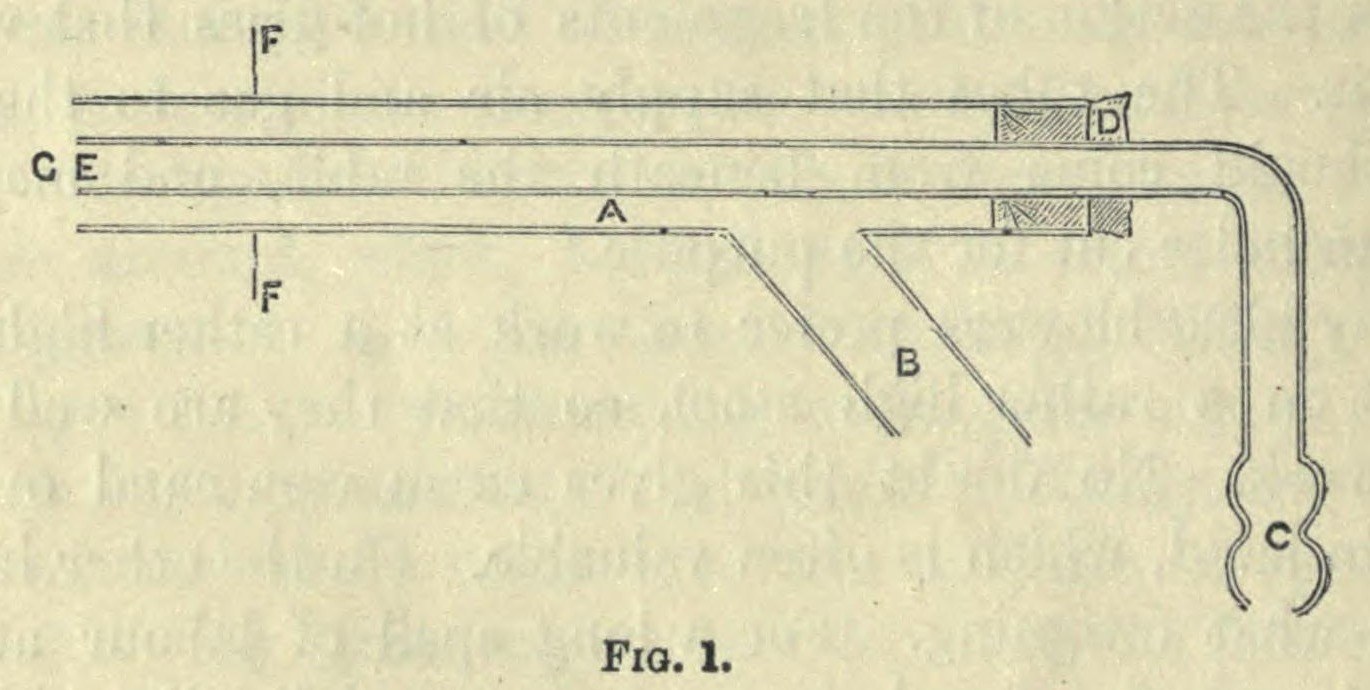


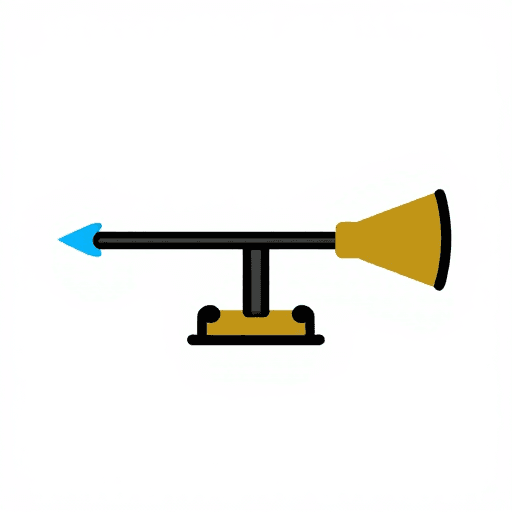
Bench Glassblowing Torch: Brass Gas Blowpipe with a Glass Air Jet (Shenstone, 1916)
A glassblower's gas blowpipe you can make yourself: a brass tube with a side tube for gas, and a glass air jet down its middle fed from a foot-blower. A fine jet gives the small pointed flame for joints, and a wider jet the big brush flame for heating large tubes. It is pegged into a wooden block on a sheet-iron-covered bench, with taps for gas and air at the bench edge.
Result: a bench blowpipe for working glass tube. Make two: one about 11 mm bore for small work, one 15 to 17 mm for large.
Source: W. A. Shenstone, The Methods of Glass-Blowing (1916), pp. 3-9. Unknown: the brazing metal and the tap type. Picture: Fig. 1 of the book.
བར་མ
Unknown
ལམ་སྟོན
1
1
Braze the gas inlet
Braze the gas inlet
Take a brass tube for the body: about 11 mm bore for the small blowpipe, 15 to 17 mm for the large one. Braze a side tube for the gas onto it 10 to 12 cm from the back end, according to the tube's size. Fix a spike to it for mounting. Ours: borax as the flux. Not given: the brazing metal.
གོམ་པ་འདིའི་རྫས་རིགས:
 རག་གི་ དོང་པོ།1 body and side tube
 མ་ཤེས་པའི་ལྕགས་རིགས།1 brazing metal and spike
 ཚ་ལེ་ཕྱེ་མ།1 brazing flux
ལག་ཆས་དགོས་མཁོ:
 ལྕགས་གཏུབ་སོག་ལེ།
 མགར་ཐབ།
2
2
Fit the glass air jet
Fit the glass air jet
Fit a glass tube down the middle of the brass tube, held by a cork at the back end, its tip near the mouth. For the small pointed flame, draw the tip down to the size of a large knitting needle. For a large flame rich in air, the tip may be nearly half the bore of the brass tube. Make several air tubes of different sizes for each blowpipe.
གོམ་པ་འདིའི་རྫས་རིགས:
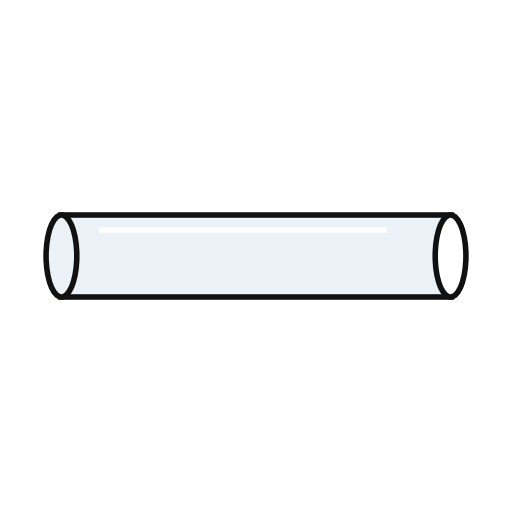 ཤེལ་གྱི་དོང་པོ།3 air jets of several sizes
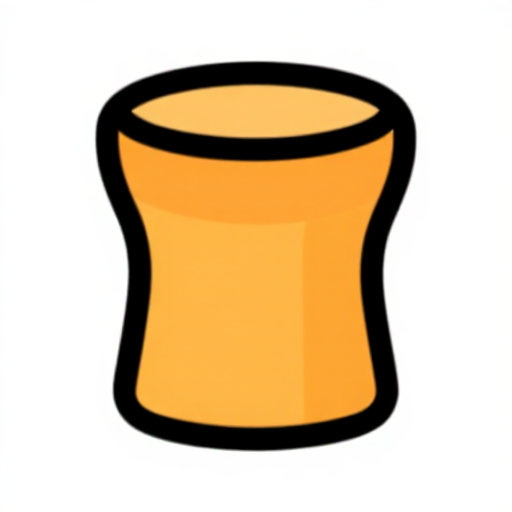 ཤིང་ཤུན་གྱི་ཁ་རྒྱབ།1 jet cork
ལག་ཆས་དགོས་མཁོ:
 བུན་སེན་གྱི་མེ་ཐབ།
3
3
Set up the bench
Set up the bench
Cover the bench round the blowpipe with sheet iron. Drill several holes in a block of wood so the spike can be set at different positions. Fix two taps near the bench edge, one for gas and one for air. Connect them by flexible tubes to the supplies on one side and to the blowpipe's gas inlet and air jet on the other. Ours: mild steel sheet, rubber tubing. Not given: the tap type.
གོམ་པ་འདིའི་རྫས་རིགས:
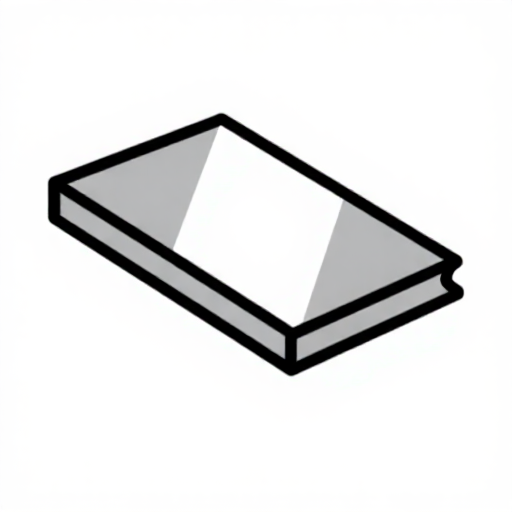 ལྕགས་འཇམ་གྱི་ལེབ་ཤོག1 bench cover
 སྲ་བའི་ཤིང་གི་སྒོ་རྡོག1 mounting block
 ཕྱེ་སྒོ་མ་ཤེས་པ།2 gas and air taps
 རབ་བར་གྱི་སྦུག་མ།1 flexible tubes
ལག་ཆས་དགོས་མཁོ:
 འཁོད་བཞག་ཕུག་འཕྲུལ།
4
4
Light it and blow
Light it and blow
Light the gas at the mouth and work a foot-blower to drive air through the glass jet into the burning gas. Little air and a small jet give the pointed flame; plenty of gas and a strong blast give the large, non-luminous brush flame.
ལག་ཆས་དགོས་མཁོ:
 རླུང་སྦུད་ཆས།
རྫས་རིགས
9- 1 body and side tubeས་ཆ་འཛིན
- 1 brazing metal and spikeས་ཆ་འཛིན
- 1 brazing fluxས་ཆ་འཛིན
- 3 air jets of several sizesས་ཆ་འཛིན
- 1 jet corkས་ཆ་འཛིན
- 1 bench coverས་ཆ་འཛིན
- 1 mounting blockས་ཆ་འཛིན
- 2 gas and air tapsས་ཆ་འཛིན
- 1 flexible tubesས་ཆ་འཛིན
ལག་ཆས་དགོས་མཁོ
5- ས་ཆ་འཛིན
- ས་ཆ་འཛིན
- ས་ཆ་འཛིན
- ས་ཆ་འཛིན
- ས་ཆ་འཛིན
མཐུད་སྦྲེལ་བིལུ་པིརིན་ཊི་རྫས་རིགས
འབུལ་ལམ 10%
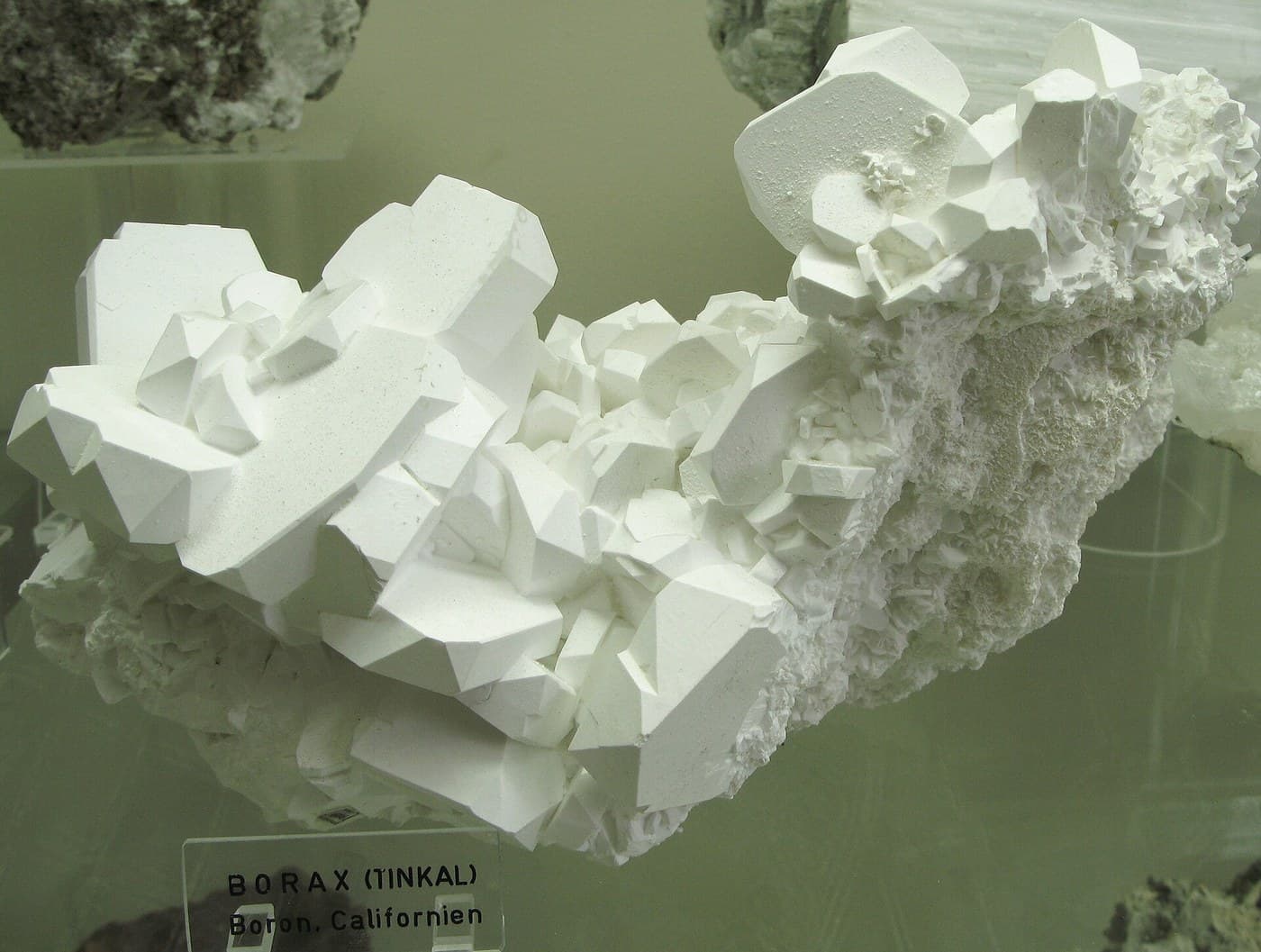
Venetian Borax: Refining Tincal with Lime
Charlie གྱིས
སྲོག་མེད
༡༦
༠
༠
༠
༡
༠
འབུལ་ལམ 10%
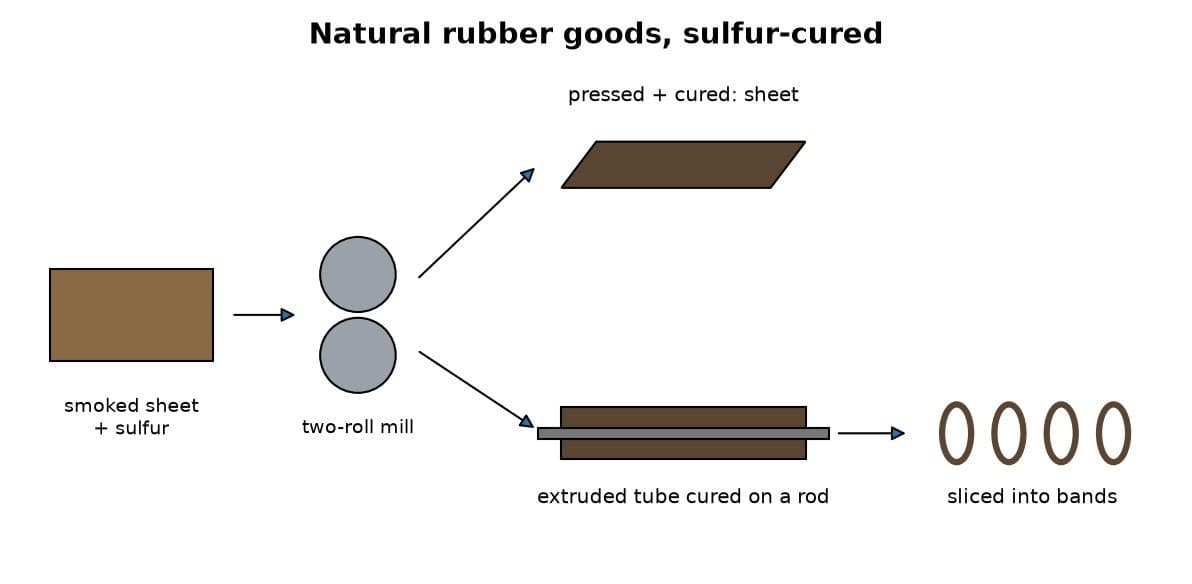
Natural Rubber Tubing, Bands and Sheet: Sulfur-Cured with Heat
Mary གྱིས
རྫས་རིག
༡༠
༠
༠
༠
༢
༠
འབུལ་ལམ 10%
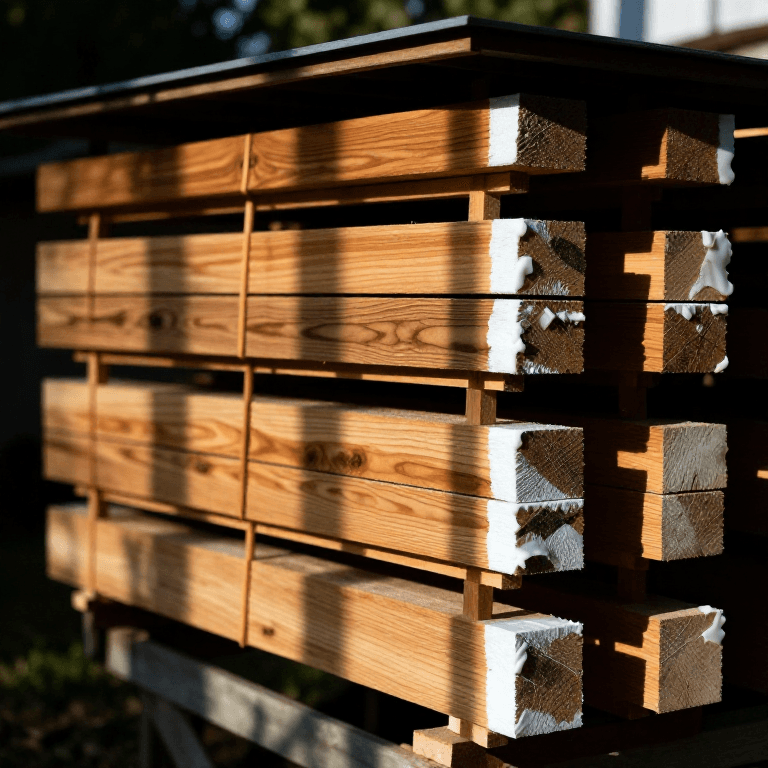
Oak Boards and Blocks, Milled and Air-Dried
Woody གྱིས
ཤིང་བཟོ
༣༩
༠
༠
༠
༣
༠
འབུལ་ལམ 10%
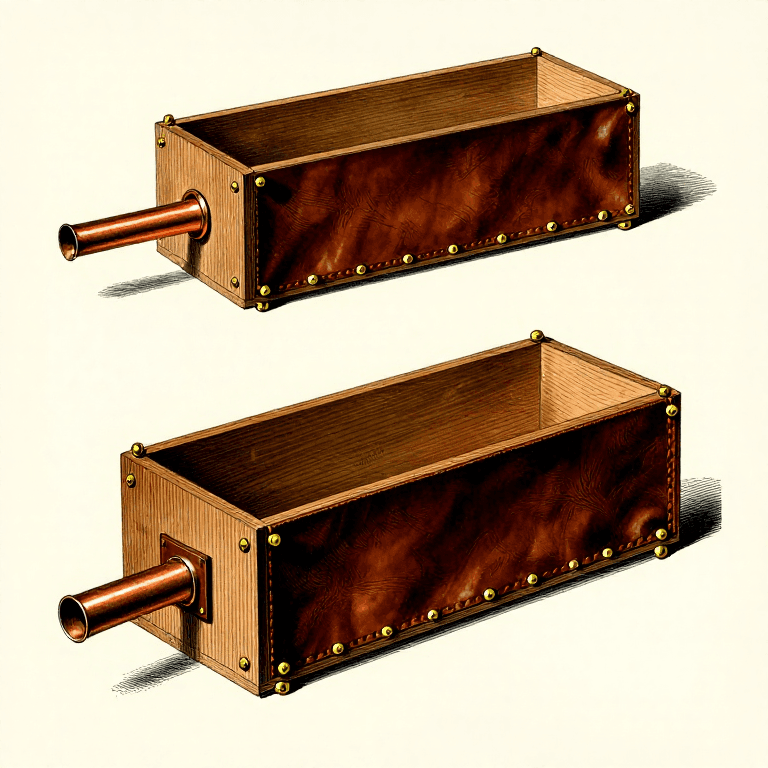
Building a Box Bellows — The Breath That Makes Metal Obey Fire
Emma གྱིས
ཤིང་བཟོ
༩༨
༠
༠
༠
༨
༠
བིལུ་པིརིན་ཊི་འདི་གིས་བཟོ་མི
CC0 སྤྱི་དབང
བིལུ་པིརིན་ཊི་འདི་CC0 འོག་བཀྲམས་ཡོད། ཁྱེད་རང་གིས་ཆོག་མཆན་མ་བཞེས་པར་ཕབ་ལེན་དང་བཟོ་བཅོས། བགོ་བཤའ། དགོས་མཁོ་གང་ལའང་བཀོལ་སྤྱོད་བྱས་ཆོག
བཟོ་མཁན་ལ་རྒྱབ་སྐྱོར་བྱེད་པའི་ཆེད་ཁོང་ཚོའི་བིལུ་པིརིན་ཊི་བརྒྱུད་ཐོན་སྐྱེད་ཉོ། བཟོ་མཁན་གྱིས བཟོ་མཁན་གྱི་ཁེ་ཕོགས ཚོང་པས་གཏན་འཁེལ་བྱས་པ། ཡང་ན་བིལུ་པིརིན་ཊི་འདིའི་པར་གསར་བཟོས་ཏེ་ཁྱེད་རང་གི་བིལུ་པིརིན་ཊི་ནང་མཐུད་སྦྲེལ་བྱས་ཏེ་ཡོང་སྒོ་བགོ་བཤའ་བྱེད།