སྒྱུ་རྩལ
མཛེས་སྡུག་དང་བདེ་ཐང
བཟོ་རིག
རིག་གནས་དང་ལོ་རྒྱུས
དགའ་སྟོན
ཁོར་ཡུག
ཟས་དང་བཏུང་རྫས
ཕྱིར་འཕྲུལ་རིག
ཚན་རིག
རྩེད་འགྲན
རིག་རྩལ
གྱོན་རུང
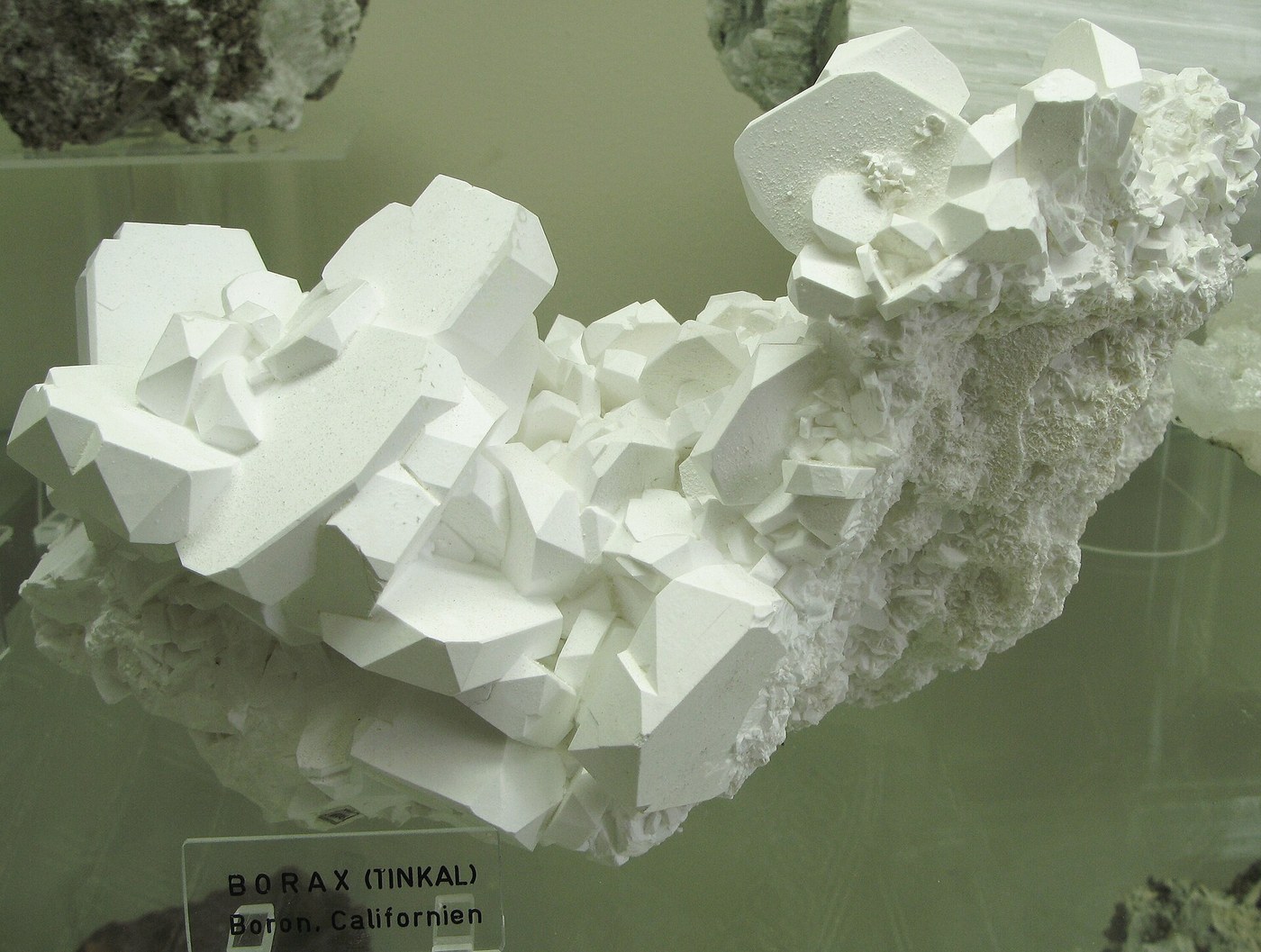


Venetian Borax: Refining Tincal with Lime
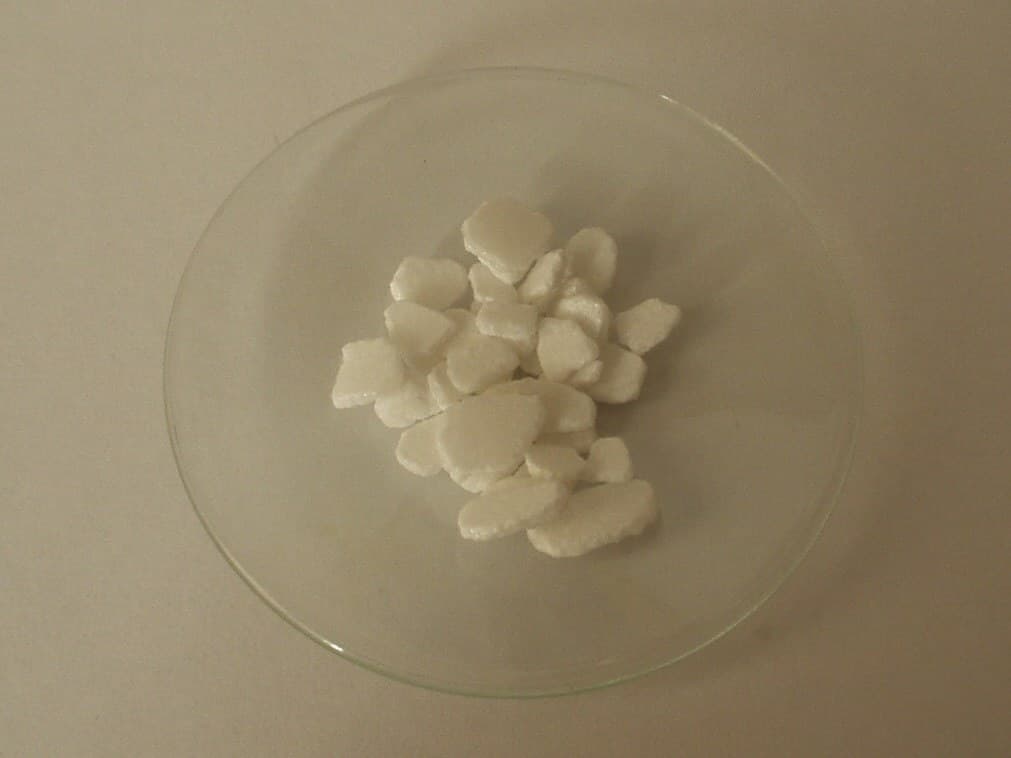
Native borax, tincal, came to Europe from the dried lake shores of Tibet and India coated in an earthy, soapy fat. Venice, then the Dutch, refined it in secret: the refined salt was called Venetian borax. One of their methods is recorded by Knapp, as Muspratt gives it in 1860: soften the tincal with water and a little slaked lime, wash it clean, dissolve it hot with a little chloride of calcium to take out the last of the soap, then crystallise it in lead-lined wooden cones. Borax is the flux of brazing and soldering.
བར་མ
Several days
ལམ་སྟོན
1
1
Weigh the tincal and the additions
Weigh the tincal and the additions
Weigh the tincal, about 1 per cent of its weight of slaked lime, and about 2 per cent of chloride of calcium (step 7 works it out for 10 kg).
གོམ་པ་འདིའི་རྫས་རིགས:
 Tincal (Crude Borax)10 kg
 ཞུ་བའི་རྡོ་ཞ (ཀཱལ་སིཡམ་ཧའི་ཌོོག་སཱིཌ)100 g
 Calcium Chloride200 g
ལག་ཆས་དགོས་མཁོ:
 སྲང་།
སྲང་།2
2
Soften it with water and lime
Soften it with water and lime
Soften the tincal in a small quantity of cold water in a wooden tub, and stir it about while adding the slaked lime little by little.
གོམ་པ་འདིའི་རྫས་རིགས:
 ཆུ།1 as required
ལག་ཆས་དགོས་མཁོ:
 ཤིང་གི་ཟོ་བ།
 ཤིང་གི་ཀྲུ་ཤིང་།
 རྫས་སྦྱོར་འཐོར་སྲུང་མིག་ཤེལ།
 ལ་སྟིག་གི་ལག་ཤུབས།
3
3
Wash it several times
Wash it several times
Pour off the turbid lime-water. Let the impurities settle out of it, then pour the clear liquid back over the crystals. Repeat this several times; it takes away the greater part of the soapy crust.
ལག་ཆས་དགོས་མཁོ:
ཤིང་གི་ཟོ་བ།ཤིང་གི་ཀྲུ་ཤིང་།4
4
Dissolve hot with chloride of calcium
Dissolve hot with chloride of calcium
Dissolve the washed crystals in hot water and add the chloride of calcium. It turns what soap remains into an insoluble lime soap (and common salt); strain that off.
གོམ་པ་འདིའི་རྫས་རིགས:
ཆུ།1 as required སོལ་བ།1 as required
ལག་ཆས་དགོས་མཁོ:
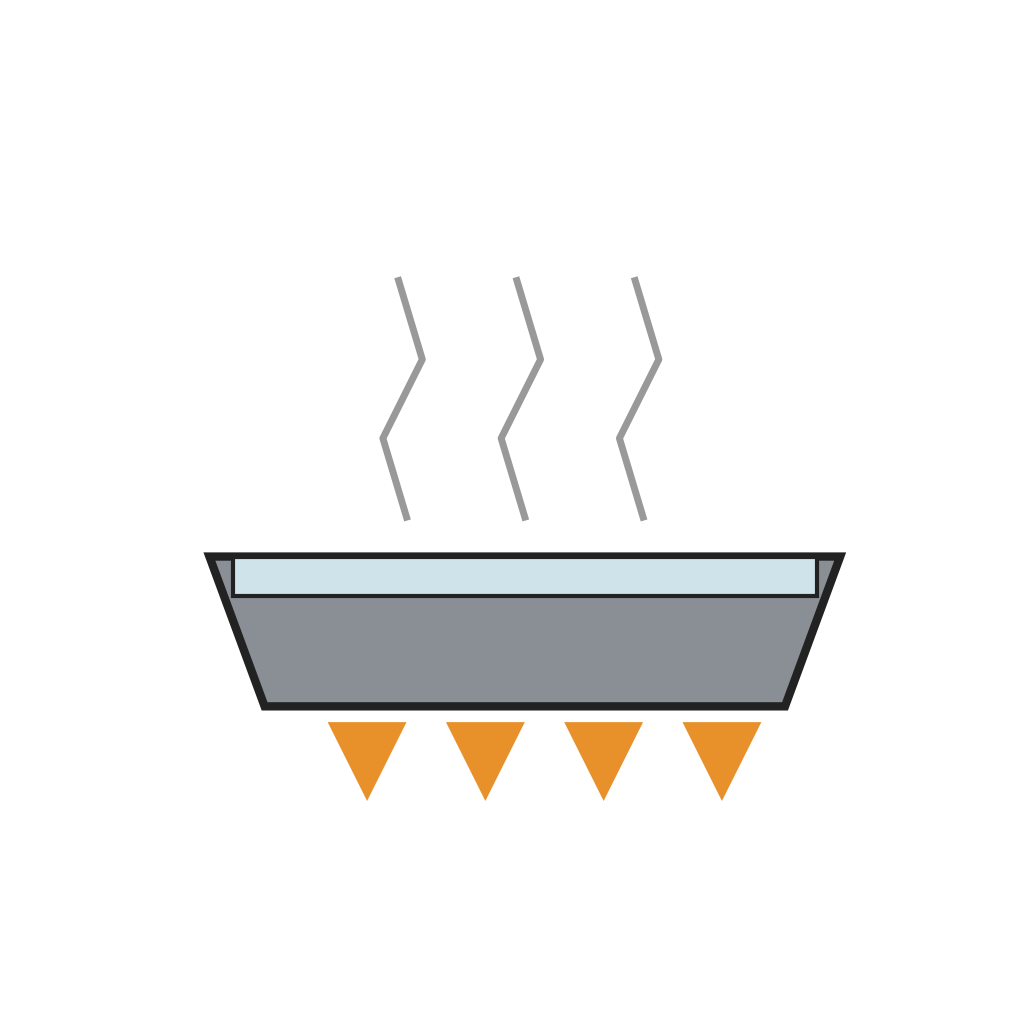 རླངས་འཐེན་ལང་ཀོ།
 སོལ་བའི་མེ་ཐབ།
 ཚགས་མཤིང་གི་ཀྲུ་ཤིང་།རྫས་སྦྱོར་འཐོར་སྲུང་མིག་ཤེལ།ལ་སྟིག་གི་ལག་ཤུབས།
5
5
Boil down to 21 degrees Baumé
Boil down to 21 degrees Baumé
Evaporate the clear liquid to 21 degrees Baumé, a specific gravity of 1.17, checking with a hydrometer.
གོམ་པ་འདིའི་རྫས་རིགས:
སོལ་བ།1 as requiredལག་ཆས་དགོས་མཁོ:
རླངས་འཐེན་ལང་ཀོ།སོལ་བའི་མེ་ཐབ། ཚད་ཚབས་འཇལ་ཆས།
6
6
Crystallise in lead-lined cones
Crystallise in lead-lined cones
Run the liquor into wooden vessels lined with lead and shaped as short inverted cones, and let it crystallise. Any deposit collects in the narrow lower part and does not spoil the crystals. Knapp adds that a little tincal stirred in before this last crystallisation keeps the crystals from splitting and flying off the work when heated for soldering.
ལག་ཆས་དགོས་མཁོ:
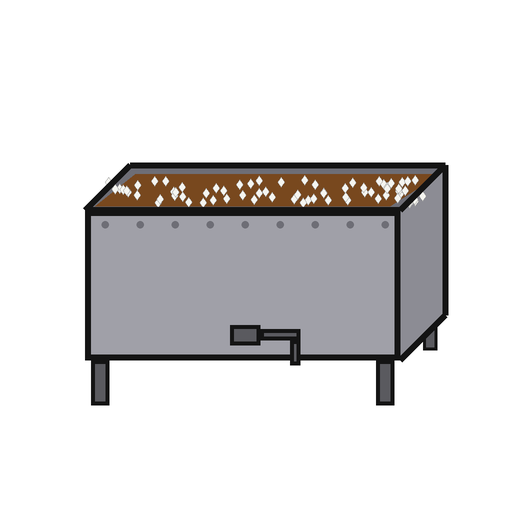 ཞུན་ཤེལ་བཟོ་སའི་རྫིང་།
 ཞའི་ཤོག་ལེབ།
7
7
Knapp's additions, per 10 kg
Knapp's additions, per 10 kg
Jupyter ཚང་དེབ་མངོན་གསལ་འབད་དོ་…
8
8
Powder it for flux
Powder it for flux
Take out the crystals, dry them and grind them in a mortar to a powder for use as flux. Keep it covered: in dry air borax slowly loses water and turns opaque on the surface.
ལག་ཆས་དགོས་མཁོ:
 གཏུན་ཁུང་དང་གཏུན་ཤིང་།
9
9
Troubleshooting
Troubleshooting
Borax refining troubleshooting.
Flow
Loading...
10
10
History and honest limits
History and honest limits
Muspratt (1860) gives Knapp's two known methods of the secret Venetian and Dutch refining; this is the lime method. The other washed the powdered tincal with caustic soda lye and added carbonate of soda. By Muspratt's time most borax was made instead from the boracic acid of Tuscany and carbonate of soda. Knapp's per cent figures do not say of what; we take them as per cent of the tincal. Grinding the crystals to powder is ours.
རྫས་རིགས
5- 10 kgས་ཆ་འཛིན
- ས་ཆ་འཛིན
- 200 gས་ཆ་འཛིན
- 2 as requiredས་ཆ་འཛིན
- 1 as requiredས་ཆ་འཛིན
ལག་ཆས་དགོས་མཁོ
12- ས་ཆ་འཛིན
- ས་ཆ་འཛིན
- ས་ཆ་འཛིན
- ས་ཆ་འཛིན
- ས་ཆ་འཛིན
- ས་ཆ་འཛིན
- ས་ཆ་འཛིན
- ས་ཆ་འཛིན
- ས་ཆ་འཛིན
- ས་ཆ་འཛིན
- ས་ཆ་འཛིན
- ས་ཆ་འཛིན
བིལུ་པིརིན་ཊི་འདི་གིས་བཟོ་མི

འབྲེལ་ཡོད་བིལུ་པིརིན་ཊི
བིལུ་པིརིན་ཊི་འདི་ཚུ་ཐབས་ལམ་དང་རྫས་རིགས། སྤྱི་ཆོས་བགོ་བཤའ་བྱེད
CC0 སྤྱི་དབང
བིལུ་པིརིན་ཊི་འདི་CC0 འོག་བཀྲམས་ཡོད། ཁྱེད་རང་གིས་ཆོག་མཆན་མ་བཞེས་པར་ཕབ་ལེན་དང་བཟོ་བཅོས། བགོ་བཤའ། དགོས་མཁོ་གང་ལའང་བཀོལ་སྤྱོད་བྱས་ཆོག
བཟོ་མཁན་ལ་རྒྱབ་སྐྱོར་བྱེད་པའི་ཆེད་ཁོང་ཚོའི་བིལུ་པིརིན་ཊི་བརྒྱུད་ཐོན་སྐྱེད་ཉོ། བཟོ་མཁན་གྱིས བཟོ་མཁན་གྱི་ཁེ་ཕོགས ཚོང་པས་གཏན་འཁེལ་བྱས་པ། ཡང་ན་བིལུ་པིརིན་ཊི་འདིའི་པར་གསར་བཟོས་ཏེ་ཁྱེད་རང་གི་བིལུ་པིརིན་ཊི་ནང་མཐུད་སྦྲེལ་བྱས་ཏེ་ཡོང་སྒོ་བགོ་བཤའ་བྱེད།