སྒྱུ་རྩལ
མཛེས་སྡུག་དང་བདེ་ཐང
བཟོ་རིག
རིག་གནས་དང་ལོ་རྒྱུས
དགའ་སྟོན
ཁོར་ཡུག
ཟས་དང་བཏུང་རྫས
ཕྱིར་འཕྲུལ་རིག
ཚན་རིག
རྩེད་འགྲན
རིག་རྩལ
གྱོན་རུང
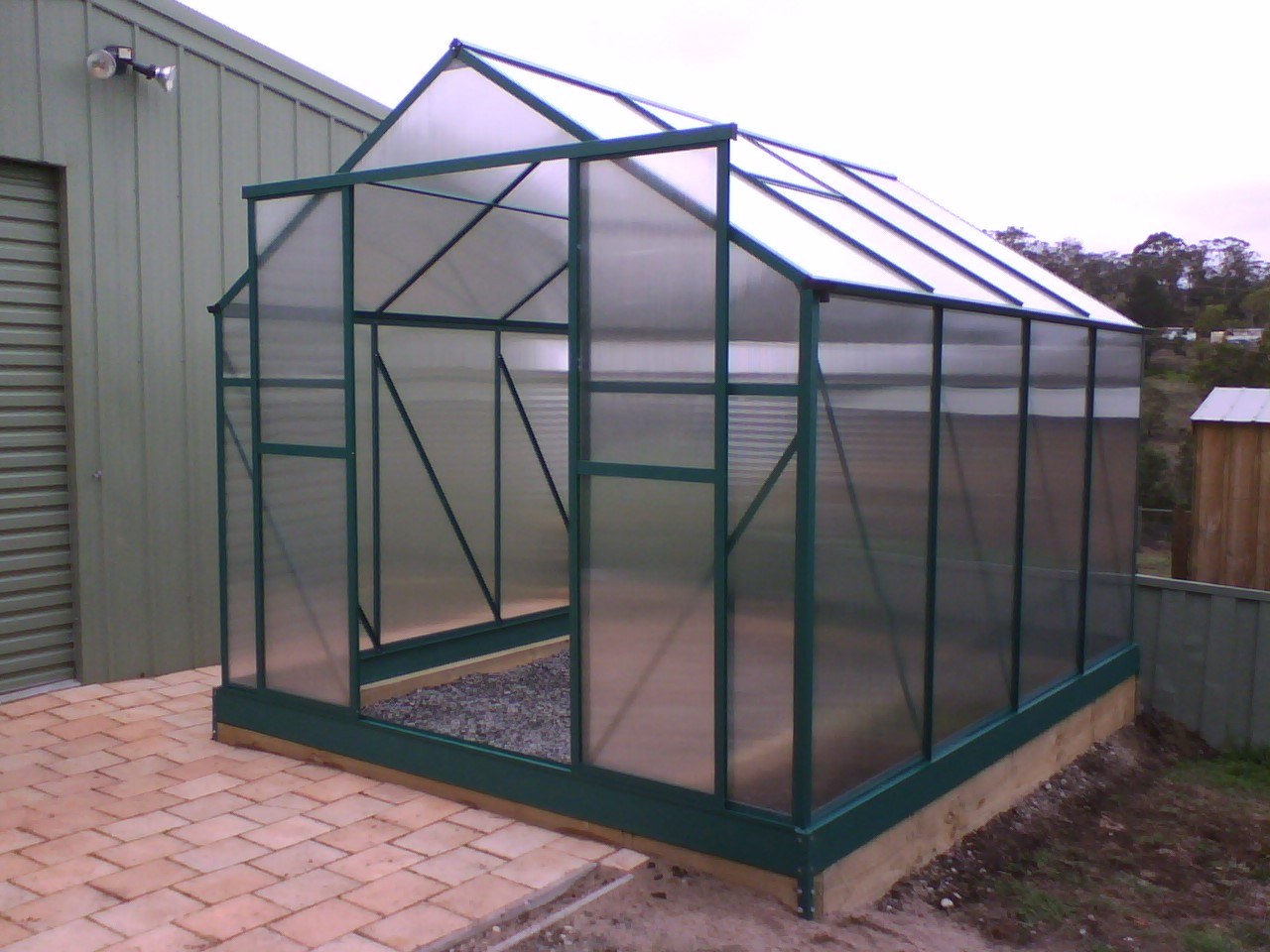


Polycarbonate
In 1953 Hermann Schnell at Bayer joined bisphenol A into long chains through carbonate links and got a clear plastic of remarkable toughness. Daniel Fox at General Electric reached the same material independently the same year, and both companies were selling it by around 1960.
**US 3,028,365**, "Thermoplastic aromatic polycarbonates and their manufacture", Schnell, Bottenbruch and Krimm, assigned to Bayer, filed 12. October 1954, granted 3. April 1962, claims "a high molecular weight, thermoplastic polycarbonate having a melting point of at least about 135°C", made from bisphenol A among a wider family.
**The classic route uses phosgene, a war gas.** You build a drop-weight rig and find the energy that cracks acrylic - then drop the same on polycarbonate.
འགོ་བཙུགས
2 hours
ལམ་སྟོན
1
1
The specimen table
The specimen table
Cut a 300 x 300 mm plywood board and bore a 100 mm hole in its centre with the hole saw. Rest it on two blocks so the hole is open underneath.
གོམ་པ་འདིའི་རྫས་རིགས:
 ཤིང་ལེབ་སྦྱར་མ།1 དུམ་བུ།
ལག་ཆས་དགོས་མཁོ:
 ལག་སོག་ལེ།
 བུ་ག་སོག་ལེའི་ཆ་ཚང་།
 ཐག་མེད་ཕུག་འཕྲུལ།
2
2
The drop tube
The drop tube
Take 2 m of 32 mm PVC pipe. Mark heights from the bottom every 100 mm and drill a 3 mm hole straight through at each mark. A nail through a hole holds the ball; pulling it drops the ball from that height.
གོམ་པ་འདིའི་རྫས་རིགས:
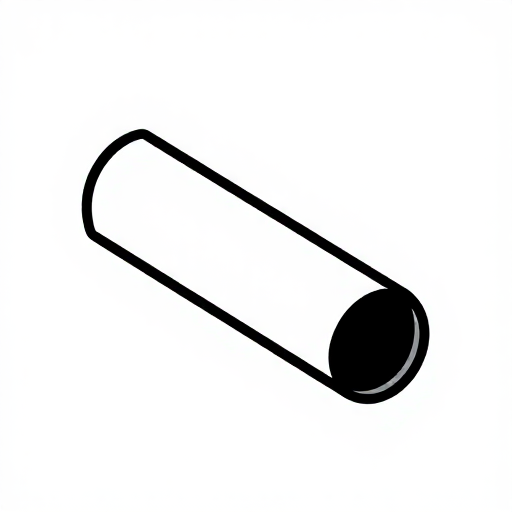 PVC སྦུག་མ།2 མི་ཊར།
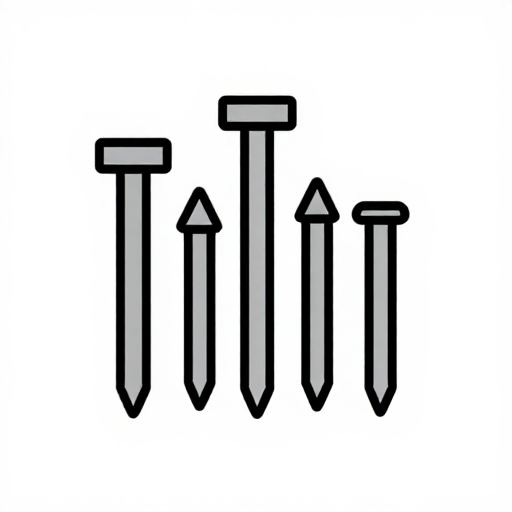 གཟེར་བུ1 དུམ་བུ།
ལག་ཆས་དགོས་མཁོ:
 འཇལ་ཐག
 ཚོན་གྱི་མཚན་བྱེད་ཆ་ཚང་ཐག་མེད་ཕུག་འཕྲུལ།
 ཕུག་མགོའི་ཚོགས་ཆས།
3
3
Stand it plumb
Stand it plumb
Clamp the tube to a post or bench leg with pipe clamps, its bottom 10 mm above the hole's centre. Check it with the plumb bob in two directions.
ལག་ཆས་དགོས་མཁོ:
 སྦུག་གི་ཀམ
 ཐིག་ཞགས།
4
4
Clamp a sheet
Clamp a sheet
Cut 150 x 150 mm squares of 3 mm acrylic and 3 mm polycarbonate. Leave the protective film on. Clamp one over the hole at all four corners.
གོམ་པ་འདིའི་རྫས་རིགས:
 ཨེ་ཀི་ལིག་གི་ལེབ་ཤོག1 དུམ་བུ།
 པོ་ལི་ཀར་བོ་ནེཊ་ལེབ་གདན་ (དྭངས་གསལ)1 དུམ་བུ།
ལག་ཆས་དགོས་མཁོ:
 C གཟུགས་ཅན་གྱི་འཛིན་ཆས།
 གསལ་བའི་ཉེན་སྲུང་མིག་ཤེལ།
5
5
Climb the ladder
Climb the ladder
Glasses on. Weigh the 25 mm ball. Drop it from 100 mm, then 200 mm, and so on, on a fresh spot each time, until the acrylic cracks. Record that height. If it survives the top hole, repeat with the 1 kg weight as in the next step.
ལག་ཆས་དགོས་མཁོ:
 ལྕགས་ཀྱི་རིལ་བུའི་འཁོར་ལོ།
 ཏག་ཏག་གི་ཨང་རྟགས་སྲང་།གསལ་བའི་ཉེན་སྲུང་མིག་ཤེལ།
6
6
Same on polycarbonate
Same on polycarbonate
Repeat the whole ladder on polycarbonate. If it survives the top hole, tape the 1 kg weight to a rounded bolt head and drop that from 1.8 m outside the tube, hands clear.
ལག་ཆས་དགོས་མཁོ:
 ལྗིད་ཚདགསལ་བའི་ཉེན་སྲུང་མིག་ཤེལ།
7
7
Energy at failure
Energy at failure
Jupyter ཚང་དེབ་མངོན་གསལ་འབད་དོ་…
8
8
History & Context
History & Context
**What the patent specifies:** high-molecular aromatic polycarbonates from dihydroxy compounds such as bisphenol A, melting at 135 °C or more. **Modern build (derived):** extruded clear polycarbonate sheet.
It went into safety glasses, riot shields, machine guards, bottles and later CDs. Its limits: it scratches easily, yellows in sunlight without a UV coat, is attacked by some solvents, and bisphenol A leaching from food containers made many makers switch those to other plastics.
རྫས་རིགས
5- 1 དུམ་བུ།ས་ཆ་འཛིན
- 2 མི་ཊར།ས་ཆ་འཛིན
- 1 དུམ་བུ།ས་ཆ་འཛིན
- 1 དུམ་བུ།ས་ཆ་འཛིན
- 1 དུམ་བུ།ས་ཆ་འཛིན
ལག་ཆས་དགོས་མཁོ
13- ས་ཆ་འཛིན
- ས་ཆ་འཛིན
- 1 vendor sell this, none ship to you yetས་ཆ་འཛིན
- 1 vendor sell this, none ship to you yetས་ཆ་འཛིན
- ས་ཆ་འཛིན
- ས་ཆ་འཛིན
- ས་ཆ་འཛིན
- ས་ཆ་འཛིན
- ས་ཆ་འཛིན
- ས་ཆ་འཛིན
- ས་ཆ་འཛིན
- ས་ཆ་འཛིན
- ས་ཆ་འཛིན
འབྲེལ་ཡོད་བིལུ་པིརིན་ཊི
བིལུ་པིརིན་ཊི་འདི་ཚུ་ཐབས་ལམ་དང་རྫས་རིགས། སྤྱི་ཆོས་བགོ་བཤའ་བྱེད

CC0 སྤྱི་དབང
བིལུ་པིརིན་ཊི་འདི་CC0 འོག་བཀྲམས་ཡོད། ཁྱེད་རང་གིས་ཆོག་མཆན་མ་བཞེས་པར་ཕབ་ལེན་དང་བཟོ་བཅོས། བགོ་བཤའ། དགོས་མཁོ་གང་ལའང་བཀོལ་སྤྱོད་བྱས་ཆོག
བཟོ་མཁན་ལ་རྒྱབ་སྐྱོར་བྱེད་པའི་ཆེད་ཁོང་ཚོའི་བིལུ་པིརིན་ཊི་བརྒྱུད་ཐོན་སྐྱེད་ཉོ། བཟོ་མཁན་གྱིས བཟོ་མཁན་གྱི་ཁེ་ཕོགས ཚོང་པས་གཏན་འཁེལ་བྱས་པ། ཡང་ན་བིལུ་པིརིན་ཊི་འདིའི་པར་གསར་བཟོས་ཏེ་ཁྱེད་རང་གི་བིལུ་པིརིན་ཊི་ནང་མཐུད་སྦྲེལ་བྱས་ཏེ་ཡོང་སྒོ་བགོ་བཤའ་བྱེད།