སྒྱུ་རྩལ
མཛེས་སྡུག་དང་བདེ་ཐང
བཟོ་རིག
རིག་གནས་དང་ལོ་རྒྱུས
དགའ་སྟོན
ཁོར་ཡུག
ཟས་དང་བཏུང་རྫས
ཕྱིར་འཕྲུལ་རིག
ཚན་རིག
རྩེད་འགྲན
རིག་རྩལ
གྱོན་རུང
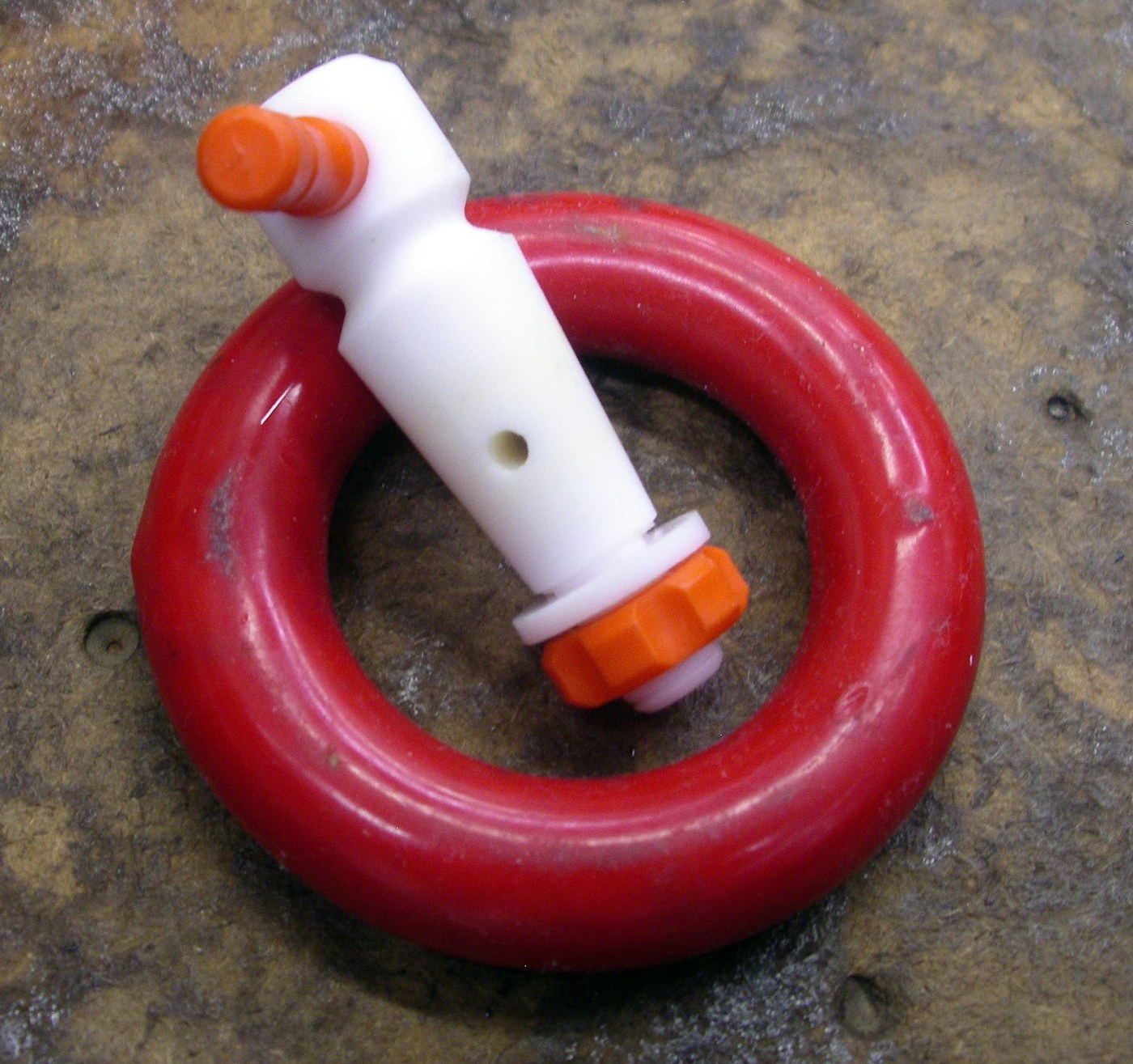


PTFE (Polytetrafluoroethylene)
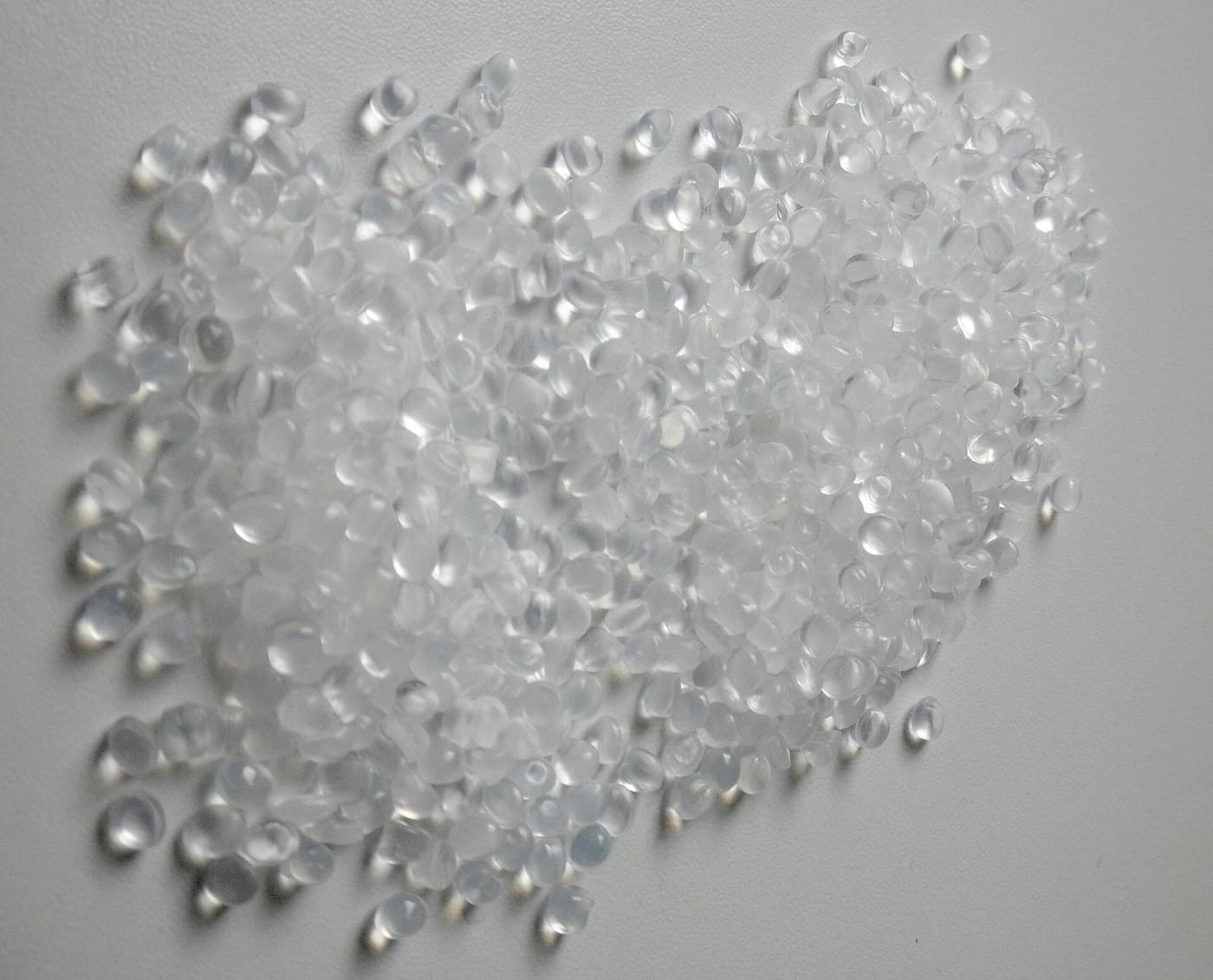
On 6. April 1938 Roy Plunkett at DuPont opened the valve on a cylinder of tetrafluoroethylene gas, a candidate refrigerant, and nothing came out - though the cylinder still weighed full. Sawn open, it held a white waxy powder: the gas had polymerised by itself. The powder resisted every solvent and acid tried on it, did not melt like other plastics, and almost nothing would stick to it.
**US 2,230,654**, "Tetrafluoroethylene polymers", Plunkett, assigned to Kinetic Chemicals, granted 4. February 1941. Its first claim is two words: "Polymerized tetrafluoroethylene."
**Tetrafluoroethylene is explosive and is never handled outside a plant.** You build what the material is for: a hinged tilting ramp that measures the coefficient of friction of PTFE against steel, beside nylon, acrylic and steel itself.
འགོ་བཙུགས
3 hours
ལམ་སྟོན
1
1
The rig
The rig
The whole rig: a 400 mm base, a hinged ramp with a steel strip on top, a prop under the raised end, and a faced sled.
2
2
Cut base and ramp
Cut base and ramp
From 18 mm plywood saw two boards 400 x 120 mm. Sand the edges.
གོམ་པ་འདིའི་རྫས་རིགས:
 ཤིང་ལེབ་སྦྱར་མ།1 དུམ་བུ།
ལག་ཆས་དགོས་མཁོ:
 ལག་སོག་ལེ།
 ཐིག་ཤིང་།
 C གཟུགས་ཅན་གྱི་འཛིན་ཆས།
3
3
Hinge them
Hinge them
Lay the boards end to end and fit the butt hinge across one short joint with 4 wood screws, pilot-drilled 2 mm. The ramp must lift from flat to 45° without rocking.
གོམ་པ་འདིའི་རྫས་རིགས:
 སྒོའི་འགྱུར་ཆས་1 དུམ་བུ།
 ཤིང་གི་སྒྲོག4 དུམ་བུ།
ལག་ཆས་དགོས་མཁོ:
 ཐག་མེད་ཕུག་འཕྲུལ།
 ཕུག་མགོའི་ཚོགས་ཆས།
 སྒྲོག་བསྐོར་ཆས་ཆ་ཚང་།
4
4
Fit the steel counterface
Fit the steel counterface
Stick a 360 x 100 mm strip of mild steel sheet to the ramp's top face with double-sided tape. Wipe it with isopropyl alcohol - grease halves any reading.
གོམ་པ་འདིའི་རྫས་རིགས:
 ལྕགས་འཇམ་གྱི་ལེབ་ཤོག1 དུམ་བུ།
 ཁ་གཉིས་ཀྱི་སྦྱར་ཐག།1 དྲིལ་མ།
 ཨའི་སོ་པོ་པཱའིལ་ཨཱལ་ཀོ་ཧོལ ༩༩ %10 ml
ལག་ཆས་དགོས་མཁོ:
 གསལ་བའི་ཉེན་སྲུང་མིག་ཤེལ།
5
5
Make four sleds
Make four sleds
Saw four 60 x 60 mm plywood blocks. Face one each with PTFE, nylon, acrylic and steel cut to 60 x 60 mm, fixed with double-sided tape. Clean every face with alcohol.
གོམ་པ་འདིའི་རྫས་རིགས:
 PTFE ལེབ།1 དུམ་བུ།
 ནཱའི་ལོན་ལེབ་ (6/6)1 དུམ་བུ།
 ཨེ་ཀི་ལིག་གི་ལེབ་ཤོག1 དུམ་བུ།ལྕགས་འཇམ་གྱི་ལེབ་ཤོག1 དུམ་བུ།ཁ་གཉིས་ཀྱི་སྦྱར་ཐག།1 དྲིལ་མ།
ལག་ཆས་དགོས་མཁོ:
ལག་སོག་ལེ། ལས་ཀྱི་གྲི།
6
6
Tilt until it goes
Tilt until it goes
Set a sled 100 mm from the top. Raise the ramp slowly, about 1° per second. Stop the instant it slides and read the angle finder on the ramp. Five tries per sled.
ལག་ཆས་དགོས་མཁོ:
 ཟུར་འཇལ་ཆས།ཐིག་ཤིང་།
7
7
Load it
Load it
Repeat the PTFE sled with a weight taped on top. The angle should not change.
ལག་ཆས་དགོས་མཁོ:
 ལྗིད་ཚདཟུར་འཇལ་ཆས།
8
8
Angles into friction
Angles into friction
Jupyter ཚང་དེབ་མངོན་གསལ་འབད་དོ་…
9
9
History & Context
History & Context
**What the patent specifies:** the polymer of tetrafluoroethylene itself, a solid insoluble in ordinary solvents. **Modern build (derived):** machined PTFE sheet against clean mild steel on a tilting plane.
Its first large use was seals and gaskets for the Manhattan Project's uranium hexafluoride plant, a gas that attacked everything else. DuPont registered Teflon in 1945; non-stick pans followed in the 1950s, and stretched PTFE became Gore-Tex. Its limits: it creeps under steady load, wears quickly without fillers, cannot be glued without etching, and above about 260 °C in use it begins to give off harmful fumes.
རྫས་རིགས
9- 1 དུམ་བུ།ས་ཆ་འཛིན
- 1 དུམ་བུ།ས་ཆ་འཛིན
- 4 དུམ་བུ།ས་ཆ་འཛིན
- 1 དུམ་བུ།ས་ཆ་འཛིན
- 1 དྲིལ་མ།ས་ཆ་འཛིན
- ས་ཆ་འཛིན
- 1 དུམ་བུ།ས་ཆ་འཛིན
- 1 དུམ་བུ།ས་ཆ་འཛིན
- 1 དུམ་བུ།ས་ཆ་འཛིན
ལག་ཆས་དགོས་མཁོ
10- ས་ཆ་འཛིན
- ས་ཆ་འཛིན
- ས་ཆ་འཛིན
- 1 vendor sell this, none ship to you yetས་ཆ་འཛིན
- ས་ཆ་འཛིན
- ས་ཆ་འཛིན
- ས་ཆ་འཛིན
- ས་ཆ་འཛིན
- ས་ཆ་འཛིན
- ས་ཆ་འཛིན
བཟོ་བཀོད་ཡིག་སྣོད།
1འབྲེལ་ཡོད་བིལུ་པིརིན་ཊི
བིལུ་པིརིན་ཊི་འདི་ཚུ་ཐབས་ལམ་དང་རྫས་རིགས། སྤྱི་ཆོས་བགོ་བཤའ་བྱེད


CC0 སྤྱི་དབང
བིལུ་པིརིན་ཊི་འདི་CC0 འོག་བཀྲམས་ཡོད། ཁྱེད་རང་གིས་ཆོག་མཆན་མ་བཞེས་པར་ཕབ་ལེན་དང་བཟོ་བཅོས། བགོ་བཤའ། དགོས་མཁོ་གང་ལའང་བཀོལ་སྤྱོད་བྱས་ཆོག
བཟོ་མཁན་ལ་རྒྱབ་སྐྱོར་བྱེད་པའི་ཆེད་ཁོང་ཚོའི་བིལུ་པིརིན་ཊི་བརྒྱུད་ཐོན་སྐྱེད་ཉོ། བཟོ་མཁན་གྱིས བཟོ་མཁན་གྱི་ཁེ་ཕོགས ཚོང་པས་གཏན་འཁེལ་བྱས་པ། ཡང་ན་བིལུ་པིརིན་ཊི་འདིའི་པར་གསར་བཟོས་ཏེ་ཁྱེད་རང་གི་བིལུ་པིརིན་ཊི་ནང་མཐུད་སྦྲེལ་བྱས་ཏེ་ཡོང་སྒོ་བགོ་བཤའ་བྱེད།