སྒྱུ་རྩལ
མཛེས་སྡུག་དང་བདེ་ཐང
བཟོ་རིག
རིག་གནས་དང་ལོ་རྒྱུས
དགའ་སྟོན
ཁོར་ཡུག
ཟས་དང་བཏུང་རྫས
ཕྱིར་འཕྲུལ་རིག
ཚན་རིག
རྩེད་འགྲན
རིག་རྩལ
གྱོན་རུང

Blackfoot Pemmican: Dried Meat Warmed and Pounded, Marrow and Tallow Melted In, Crushed Chokecherries Worked Through (Wissler, 1910)
The Blackfoot (Niitsitapi) everyday bread-substitute, as Clark Wissler recorded it: the best cuts dried in thin flakes, warmed over the fire till soft and oily, pounded fine on a stone, mixed with melted marrow and tallow, then chokecherries pounded with their pits worked in, sometimes a little peppermint, and packed into a parfleche as a sticky mass that keeps.
འགོ་བཙུགས
Several days of drying; an afternoon to make
ལམ་སྟོན
1
1
The yield
The yield
Jupyter ཚང་དེབ་མངོན་གསལ་འབད་དོ་…
2
2
Read Wissler
Read Wissler
"One pound of pemmican is equal to five pounds of meat."
3
3
Dry the meat
Dry the meat
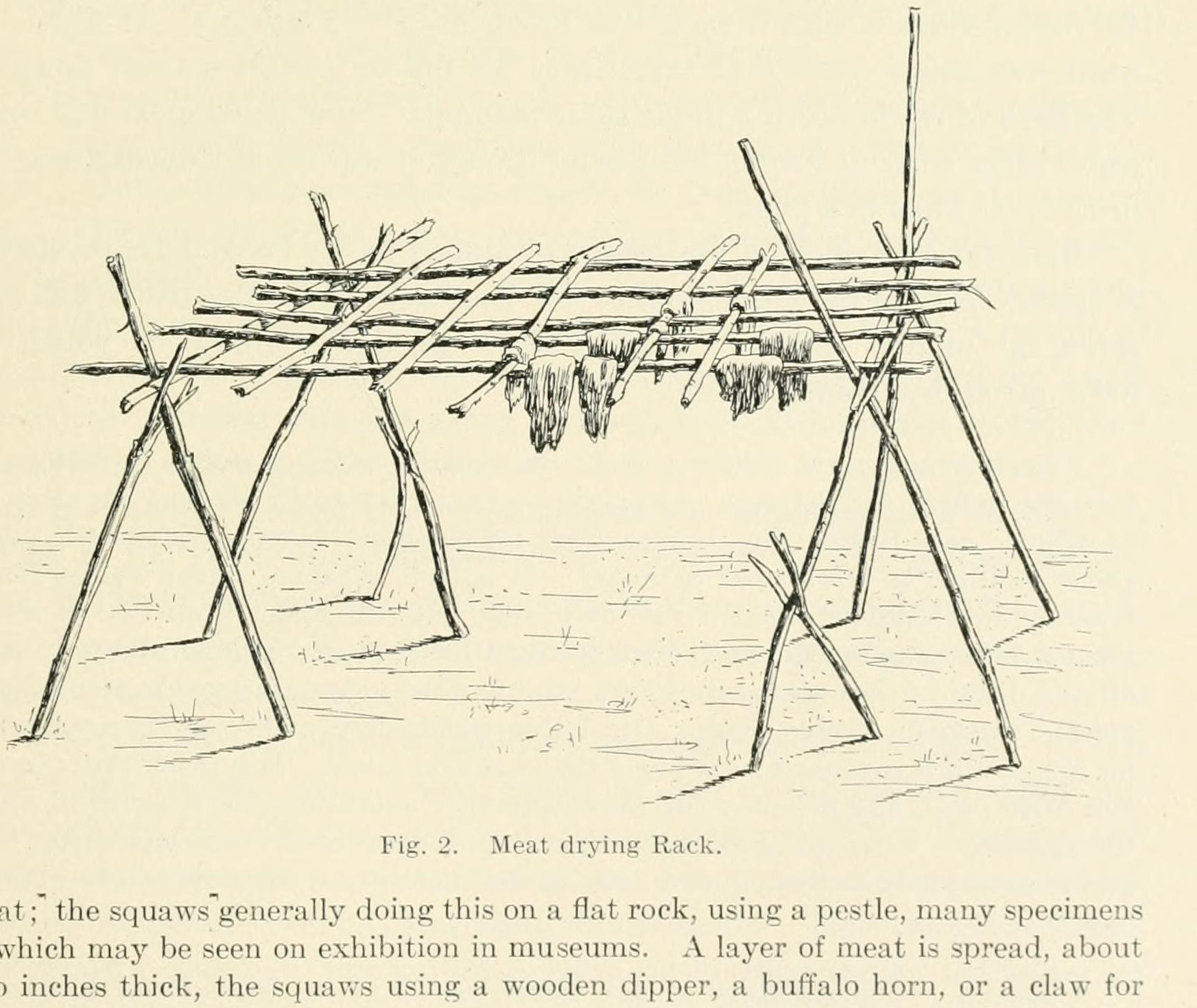
Cut the best cuts into thin flakes and dry them on a rack. Buffalo was preferred, deer or elk if at hand (ours: lean beef).
གོམ་པ་འདིའི་རྫས་རིགས:
 ཚིལ་ཉུང་བའི་བའི་ཤ1 དུམ་བུ།
ལག་ཆས་དགོས་མཁོ:
 གྲི།
 ཤ་སྐམ་སྐམ་ནིའི་སྟེགས་བུ
4
4
Crush the cherries
Crush the cherries
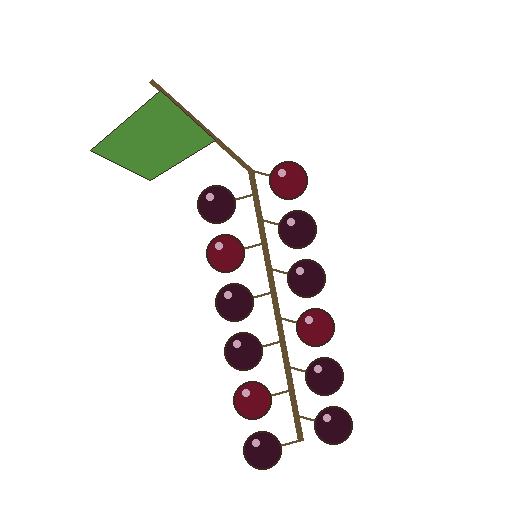
Pound ripe chokecherries, pits and all, on a stone to a thick paste; it can be dried and kept.
གོམ་པ་འདིའི་རྫས་རིགས:
 Chokecherries1 དུམ་བུ།
ལག་ཆས་དགོས་མཁོ:
 རྡུང་རྡོ།
5
5
Render the fat
Render the fat
Melt marrow with the best tallow together over a slow fire so it does not burn. Marrow fat came from boiling cracked bones and skimming the fat off the top.
གོམ་པ་འདིའི་རྫས་རིགས:
 རུས་རྐང་།1 དུམ་བུ།
 སེམས་ཅན་གྱི་ཚིལ།1 དུམ་བུ།
ལག་ཆས་དགོས་མཁོ:
 ལྕགས་ཀྱི་ཇམ་སྦྱིས།
 མེའི་དོང་།རྡུང་རྡོ།
6
6
Pound and mix
Pound and mix
Hold the dried meat over the fire until soft and oily, then pound it on a flat stone to the fineness of mince. Spread a layer about 5 cm thick, pour some of the melted fat over it (to taste), and repeat. Work in the cherry paste and, if you like, a few peppermint leaves.
གོམ་པ་འདིའི་རྫས་རིགས:
 སྐམས་ཡོད་པའི་པི་པར་མིན་ཊི་ལོ་མ།1 དུམ་བུ།
ལག་ཆས་དགོས་མཁོ:
རྡུང་རྡོ།མེའི་དོང་།7
7
Pack
Pack
Pack the sticky mass tightly into a parfleche or other bag. It keeps and is eaten as it is.
ལག་ཆས་དགོས་མཁོ:
 ཀོ་རྗེན་གྱི་ལྟེབ་སྣོད།
8
8
Troubleshooting
Troubleshooting
Pemmican troubleshooting.
Flow
Loading...
9
9
History and honest limits
History and honest limits
From Clark Wissler, *Material Culture of the Blackfoot Indians*, **Anthropological Papers of the American Museum of Natural History** vol. V (1910), pp. 21-24 and Fig. 2, the meat-drying rack (checked on the archive.org scan materialcultureo00wiss). Wissler calls pemmican the Blackfoot substitute for bread; the fur companies bought it in large bags sealed with tallow. Lean beef for buffalo, and amounts, are ours.
རྫས་རིགས
5- 1 དུམ་བུ།ས་ཆ་འཛིན
- 1 དུམ་བུ།ས་ཆ་འཛིན
- 1 དུམ་བུ།ས་ཆ་འཛིན
- 1 དུམ་བུ།ས་ཆ་འཛིན
- 1 དུམ་བུ།ས་ཆ་འཛིན
བིལུ་པིརིན་ཊི་འདི་གིས་བཟོ་མི

འབྲེལ་ཡོད་བིལུ་པིརིན་ཊི
བིལུ་པིརིན་ཊི་འདི་ཚུ་ཐབས་ལམ་དང་རྫས་རིགས། སྤྱི་ཆོས་བགོ་བཤའ་བྱེད
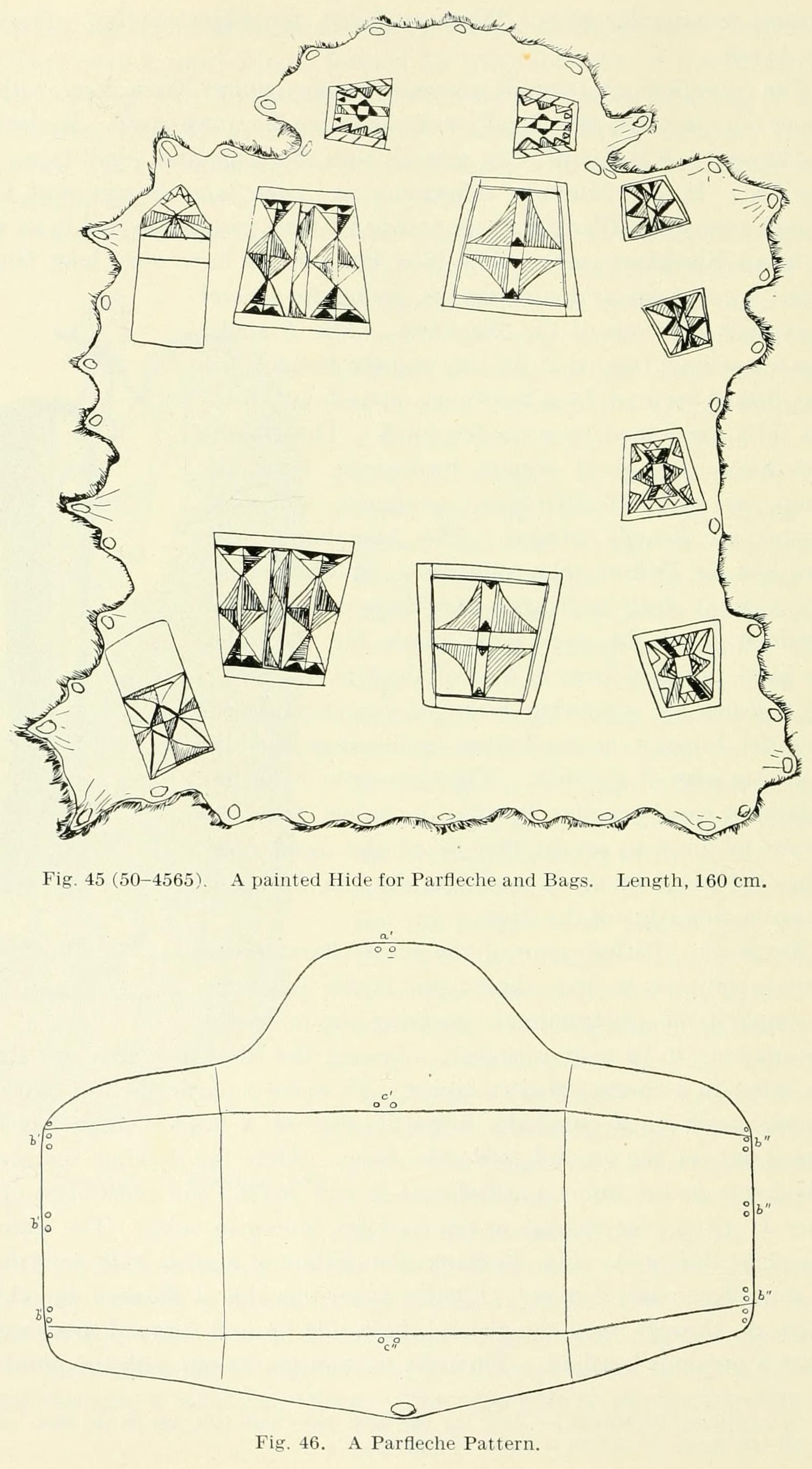
Blackfoot Parfleche: Rawhide Pegged Out, Fleshed, Painted While Staked, Scraped Even, Cut and Folded Like an Envelope (Wissler, 1910)
Tex གྱིས
རས་དང་པགས
༧
༠
༠
༠
༠
༠
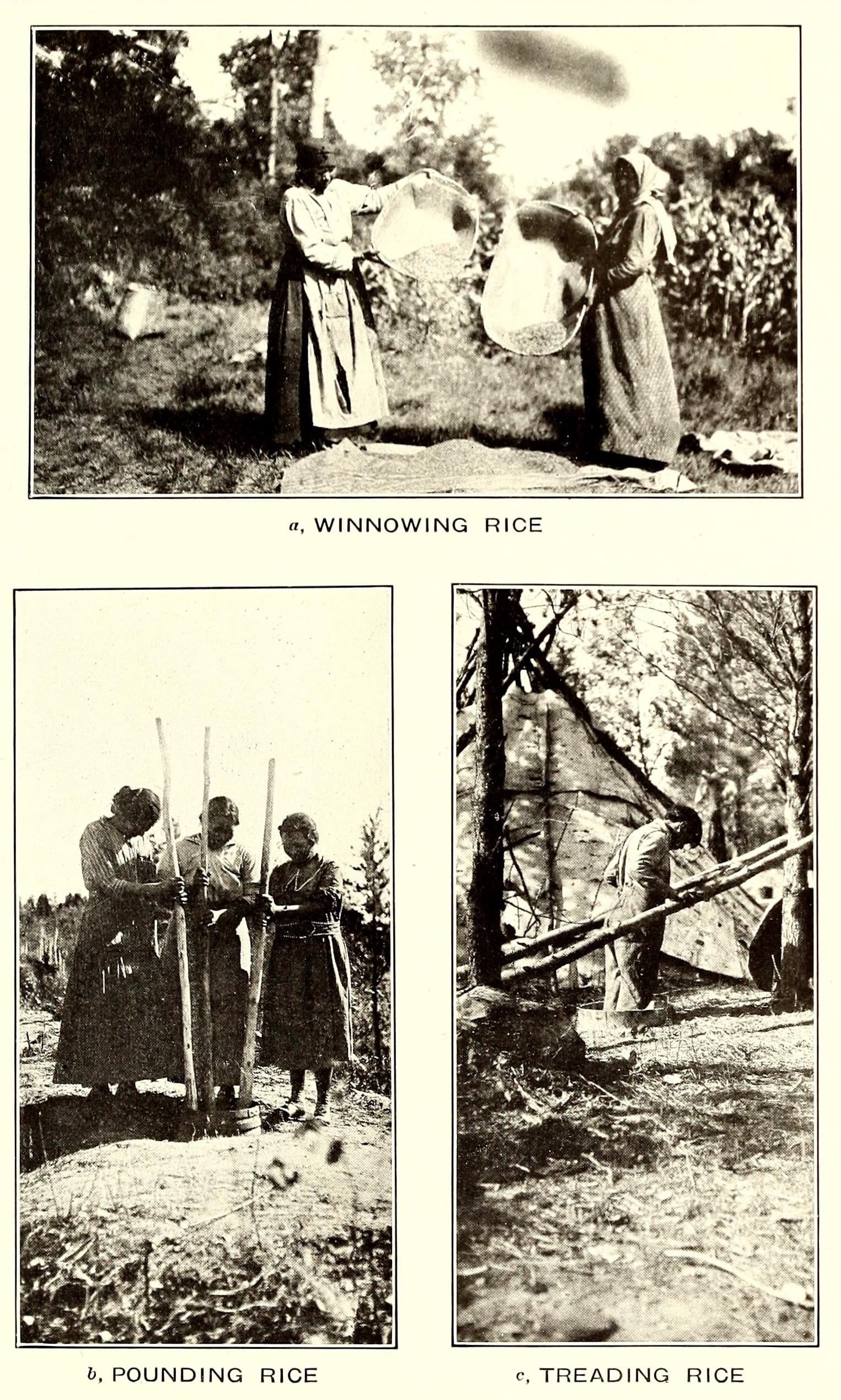
Chippewa Wild Rice: Knocked into the Canoe with Two Sticks, Parched, Pounded, Winnowed and Trodden (Densmore, 1928)
TheChef གྱིས
ཟས་དང་བཏུང་རྫས
༩
༠
༠
༠
༠
༠
CC0 སྤྱི་དབང
བིལུ་པིརིན་ཊི་འདི་CC0 འོག་བཀྲམས་ཡོད། ཁྱེད་རང་གིས་ཆོག་མཆན་མ་བཞེས་པར་ཕབ་ལེན་དང་བཟོ་བཅོས། བགོ་བཤའ། དགོས་མཁོ་གང་ལའང་བཀོལ་སྤྱོད་བྱས་ཆོག
བཟོ་མཁན་ལ་རྒྱབ་སྐྱོར་བྱེད་པའི་ཆེད་ཁོང་ཚོའི་བིལུ་པིརིན་ཊི་བརྒྱུད་ཐོན་སྐྱེད་ཉོ། བཟོ་མཁན་གྱིས བཟོ་མཁན་གྱི་ཁེ་ཕོགས ཚོང་པས་གཏན་འཁེལ་བྱས་པ། ཡང་ན་བིལུ་པིརིན་ཊི་འདིའི་པར་གསར་བཟོས་ཏེ་ཁྱེད་རང་གི་བིལུ་པིརིན་ཊི་ནང་མཐུད་སྦྲེལ་བྱས་ཏེ་ཡོང་སྒོ་བགོ་བཤའ་བྱེད།