སྒྱུ་རྩལ
མཛེས་སྡུག་དང་བདེ་ཐང
བཟོ་རིག
རིག་གནས་དང་ལོ་རྒྱུས
དགའ་སྟོན
ཁོར་ཡུག
ཟས་དང་བཏུང་རྫས
ཕྱིར་འཕྲུལ་རིག
ཚན་རིག
རྩེད་འགྲན
རིག་རྩལ
གྱོན་རུང


Anti-Reflection Coating
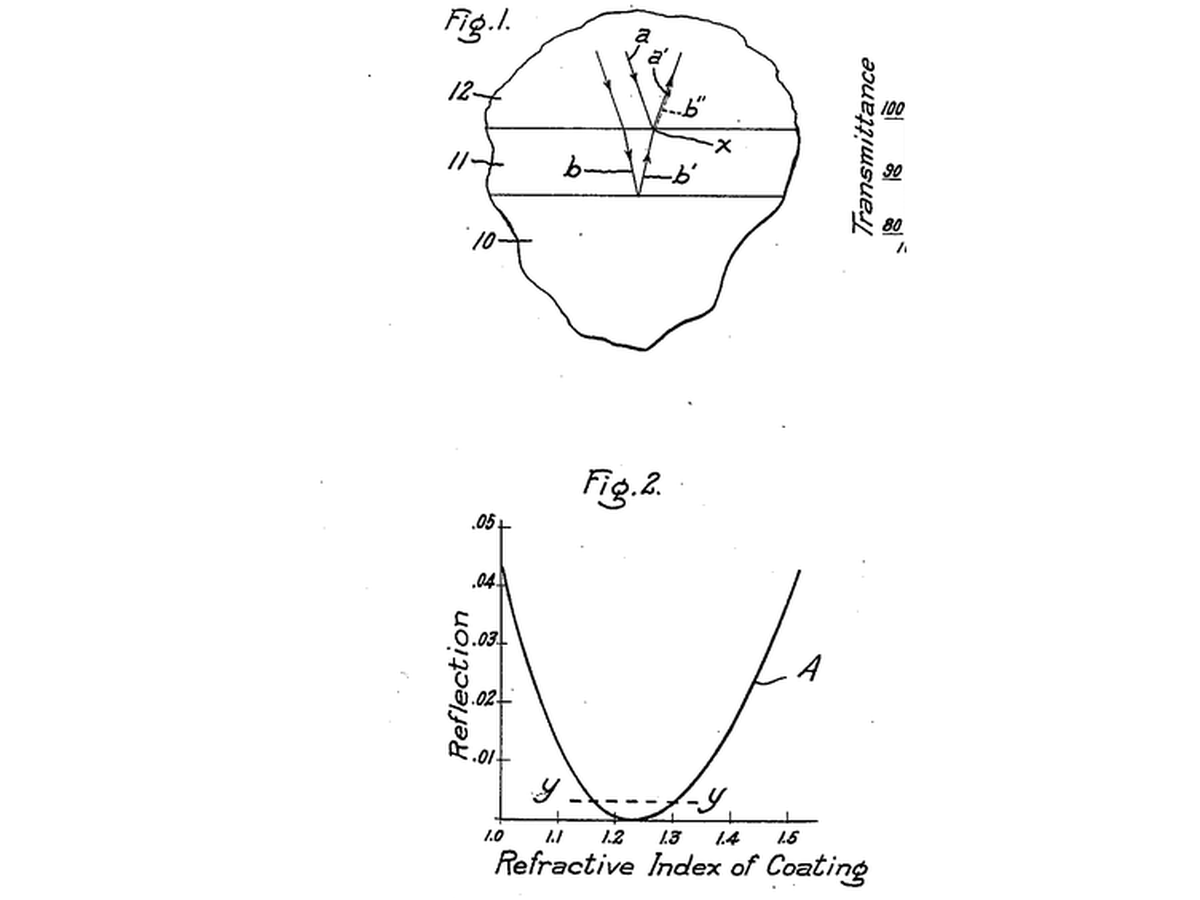
Katharine Blodgett at General Electric, working with Irving Langmuir, learned to build soap-like films one molecule-thick layer at a time. Stacking just enough layers onto glass, she made it nearly invisible: light reflected from the top of the film and from the glass beneath cancelled out.
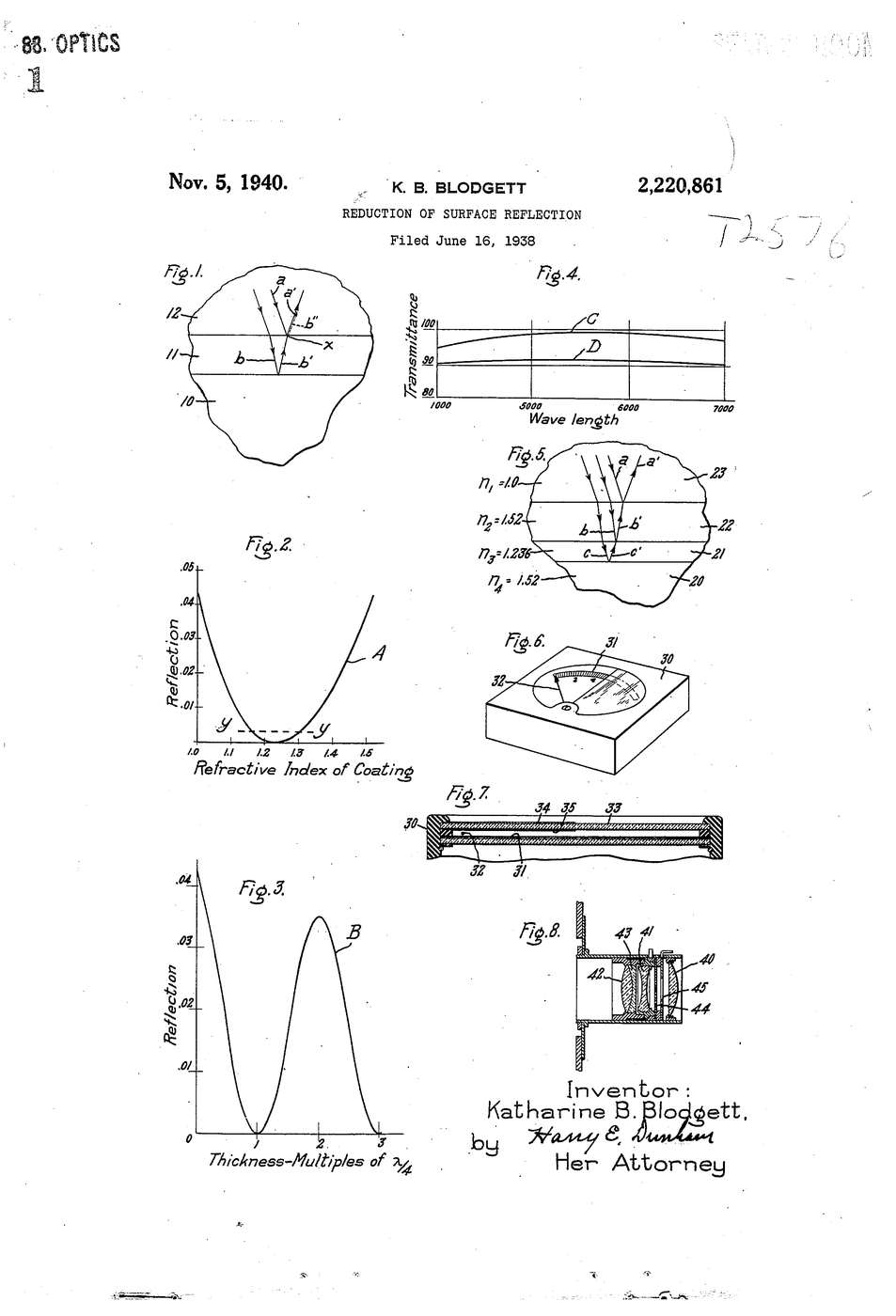
**US 2,220,861**, "Reduction of surface reflection", Blodgett, assigned to General Electric, filed 16. June 1938, granted 5. November 1940: a coating whose "optical thickness … corresponds at least approximately to a quarter wave length of visible light" and whose refractive index is "intermediate" between air and the glass.
**You measure the reflection a coating removes**, design one in a notebook, and watch quarter-wave interference happen in a soap film.
འགོ་བཙུགས
90 minutes
ལམ་སྟོན
1
1
Measure bare glass
Measure bare glass
Clip the solar cell to the multimeter (DC mA). In a dim room shine the laser straight onto the cell and note the current. Then bounce the beam off a clean microscope slide, close to perpendicular, onto the cell. Note that current. Never look along the beam.
གོམ་པ་འདིའི་རྫས་རིགས:
 མའི་ཀོརོ་སི་ཀོབ་ཀྱི་ཤེལ་ལེབ་དང་ཁ་གཅོད་ལེབ།1 སྒྲིལ་ཐུམ།
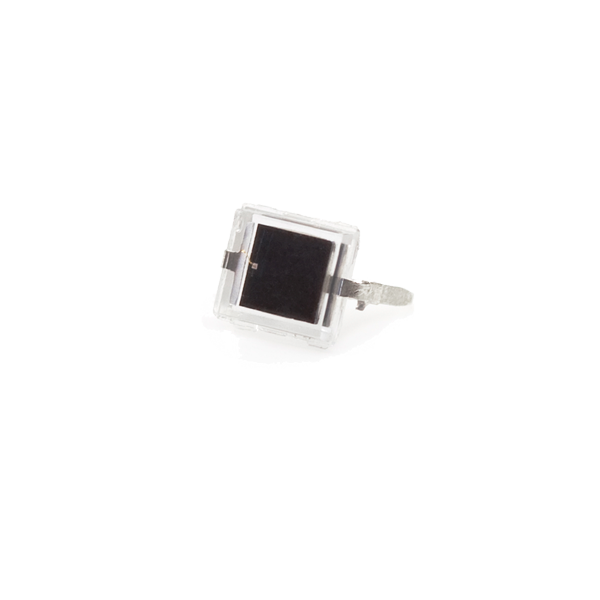 Solar Cell Mini - 350mV1 དུམ་བུ།
ལག་ཆས་དགོས་མཁོ:
 ལེ་ཟར་གྱི་སྟོན་ཆས།
 མཱལ་ཊི་མི་ཊར།
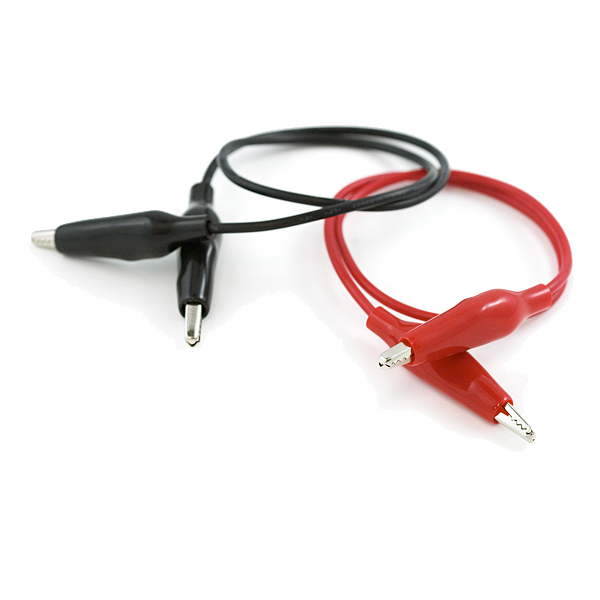 Alligator to Alligator Cables
2
2
Mix a film solution
Mix a film solution
Stir 1 part detergent and 1 part glycerin into 10 parts water in a jar. Bend copper wire into a 60 mm loop with a handle.
གོམ་པ་འདིའི་རྫས་རིགས:
 འཇམ་པའི་བཀྲུ་རྫས20 ml
 གི་ལི་སི་རོལ།20 ml
 ཟངས་ཐག1 མི་ཊར།
ལག་ཆས་དགོས་མཁོ:
 ཤེལ་སྣོད།
 ཀམ་གྱི་ཆ་ཚང་
3
3
Watch a film thin
Watch a film thin
Dip the loop and hold it upright in front of black card, lit by a window behind you. Colour bands slide down as the film drains; at the top a black band appears - a film too thin to reflect.
གོམ་པ་འདིའི་རྫས་རིགས:
 ཤོག་ཀུ་ཐུག་ཏོག་ཏོ་ནག་པོ།1 ལེབ་གཟུགས།
4
4
Fresnel, coating design, soap film
Fresnel, coating design, soap film
Jupyter ཚང་དེབ་མངོན་གསལ་འབད་དོ་…
5
5
History & Context
History & Context
**What the patent specifies:** a surface layer of quarter-wave optical thickness with a refractive index between those of the surrounding medium and the glass. **Modern build (derived):** measurement and design only - production coatings are evaporated in vacuum.
Blodgett's stearate films were too soft to wipe clean. Alexander Smakula at Zeiss had developed coatings evaporated in vacuum in 1935; that durable route won, and today almost every camera lens and eyeglass is coated, often with many layers. Their limits: a single layer is perfect at only one wavelength, and coatings scratch.
རྫས་རིགས
6- 1 སྒྲིལ་ཐུམ།ས་ཆ་འཛིན
- Solar Cell Mini - 350mVཁེ་ཕོགས 10%1 དུམ་བུ།$2.20
- 20 mlས་ཆ་འཛིན
- 20 mlས་ཆ་འཛིན
- 1 མི་ཊར།ས་ཆ་འཛིན
- 1 ལེབ་གཟུགས།ས་ཆ་འཛིན
ལག་ཆས་དགོས་མཁོ
5- ས་ཆ་འཛིན
- ས་ཆ་འཛིན
- Alligator to Alligator Cablesཁེ་ཕོགས 10%$3.55
- ས་ཆ་འཛིན
- ས་ཆ་འཛིན
ཚོད་དཔག་བསྡོམས
བཟོ་མི་གིས་ཉོ་མི་དེ། གོང་ཚད་མེད་པར་སྟོན་མི་ཅ་ཆས་ཚུ་ཁྱོད་ཀྱིས་ག་ཏེ་ལས་ཉོཝ་ཨིན་ན་དེ་ལས་ཐོབ་ཨིན།
འབྲེལ་ཡོད་བིལུ་པིརིན་ཊི
བིལུ་པིརིན་ཊི་འདི་ཚུ་ཐབས་ལམ་དང་རྫས་རིགས། སྤྱི་ཆོས་བགོ་བཤའ་བྱེད

CC0 སྤྱི་དབང
བིལུ་པིརིན་ཊི་འདི་CC0 འོག་བཀྲམས་ཡོད། ཁྱེད་རང་གིས་ཆོག་མཆན་མ་བཞེས་པར་ཕབ་ལེན་དང་བཟོ་བཅོས། བགོ་བཤའ། དགོས་མཁོ་གང་ལའང་བཀོལ་སྤྱོད་བྱས་ཆོག
བཟོ་མཁན་ལ་རྒྱབ་སྐྱོར་བྱེད་པའི་ཆེད་ཁོང་ཚོའི་བིལུ་པིརིན་ཊི་བརྒྱུད་ཐོན་སྐྱེད་ཉོ། བཟོ་མཁན་གྱིས བཟོ་མཁན་གྱི་ཁེ་ཕོགས ཚོང་པས་གཏན་འཁེལ་བྱས་པ། ཡང་ན་བིལུ་པིརིན་ཊི་འདིའི་པར་གསར་བཟོས་ཏེ་ཁྱེད་རང་གི་བིལུ་པིརིན་ཊི་ནང་མཐུད་སྦྲེལ་བྱས་ཏེ་ཡོང་སྒོ་བགོ་བཤའ་བྱེད།