
སྒྱུ་རྩལ
མཛེས་སྡུག་དང་བདེ་ཐང
བཟོ་རིག
རིག་གནས་དང་ལོ་རྒྱུས
དགའ་སྟོན
ཁོར་ཡུག
ཟས་དང་བཏུང་རྫས
ལྗང་མ་འཇོར་ལུགས
ཕྱིར་འཕྲུལ་རིག
ཚན་རིག
རྩེད་འགྲན
རིག་རྩལ
གྱོན་རུང
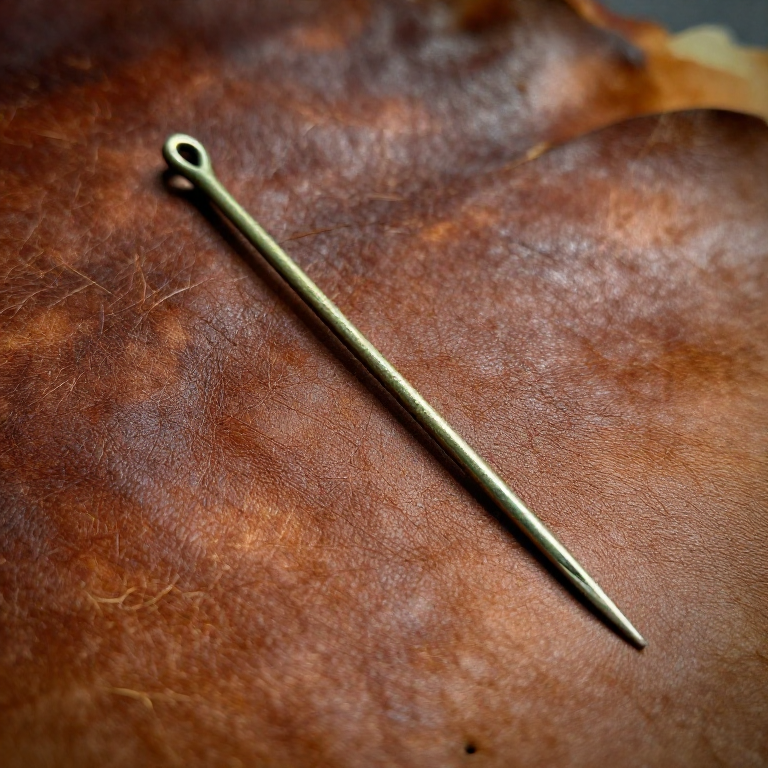
Making a Bronze Needle — Drawing and Hammering Fine Wire
Forge

བཟོས་མཁན

Forge

26. སྤྱི་ཟླ་ལྔ་པ 2026NO

Making a Bronze Needle — Drawing and Hammering Fine Wire

The bronze needle was one of the smallest yet most transformative tools of the Bronze Age. It made possible fitted clothing, leather working, sail-making, and surgical suturing — tasks that bone needles could perform but bronze needles did faster, finer, and without breaking.

Unlike larger tools that are cast in moulds, a needle is too thin to cast directly. Instead, a short bronze rod is hammered and drawn into a taper, then the eye is punched through with a fine pointed tool. The entire process relies on repeated cycles of cold-hammering (to shape and harden) and annealing (heating to soften for further working).

A well-made bronze needle is 6-10 cm long, about 2 mm in diameter at the thickest point, tapers to a sharp point, and has an eye large enough to thread sinew or flax fibre.

བར་མ
1-2 hours

ལམ་སྟོན

1

Cast a small bronze rod

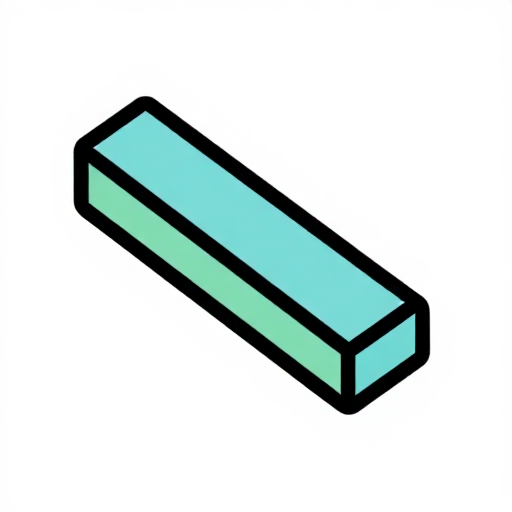
Pour a small amount of molten bronze (about 30 g) into a narrow channel carved in a stone slab — a straight groove about 8 cm long and 5 mm wide. Alternatively, use a scrap piece of cast bronze from a previous pour. The starting piece should be roughly pencil-thickness and finger-length.

གོམ་པ་འདིའི་རྫས་རིགས:

Copper Sheet (0.5-1mm)Copper Sheet (0.5-1mm)27 g
2

Hammer the rod to initial taper

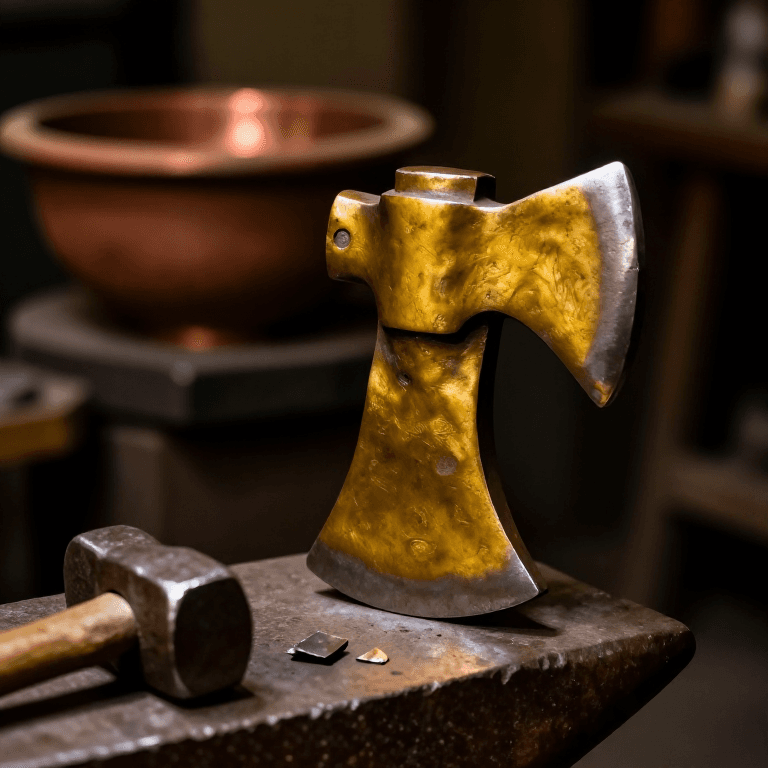
Place the bronze rod on a flat stone anvil. Using a smooth hammerstone, hammer one end to begin forming a taper. Rotate the rod 90 degrees between strikes to keep the cross-section round rather than flat. Work from the middle toward the tip, gradually reducing the diameter. After 50-60 blows the bronze will become stiff and resistant — this is work-hardening.

ལག་ཆས་དགོས་མཁོ:

HammerstoneHammerstone
Flat Stone SlabFlat Stone Slab
3

Anneal to restore workability

Hold the work-hardened rod in the edge of a charcoal fire using tongs until it glows a dull cherry red (about 500-600 °C). Remove and let it cool slowly in still air — do not quench. This annealing recrystallises the distorted grain structure, making the bronze soft and workable again. Bronze must be annealed frequently during cold-working or it cracks.

གོམ་པ་འདིའི་རྫས་རིགས:

CharcoalCharcoal500 g
4

Continue hammering to needle dimensions

Repeat the cycle: hammer to shape, anneal when stiff, hammer again. Over 4-6 cycles, reduce the rod to approximately 2 mm diameter at the thickest point (the eye area) and taper to a sharp point. The needle should be 6-10 cm long. Keep rolling the rod between strikes to maintain a round cross-section throughout.
5

Form the eye end

Flatten the blunt end of the needle slightly by hammering it on one face only, creating an oval cross-section about 3 mm wide and 1.5 mm thick. This provides enough material to punch a hole through without splitting the needle. The flattened area should be about 5 mm long.
6

Punch the eye

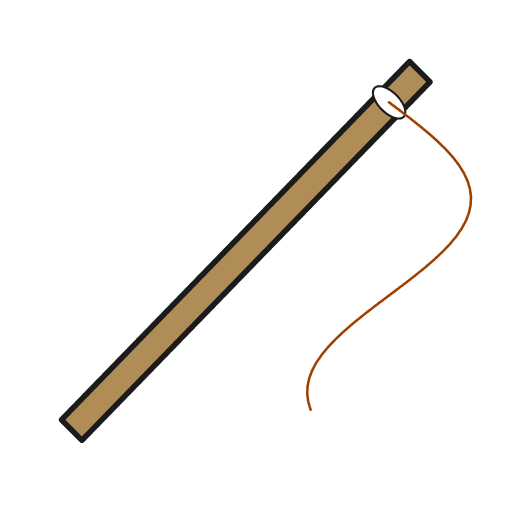
Place the flattened end on a piece of lead or a thick leather pad (to support the metal without cracking it). Position a fine-pointed bronze or hardened bone awl on the centre of the flat area. Tap the awl with a small hammerstone to punch through. Turn the needle over and punch from the other side to clean the hole. The eye should be about 1-1.5 mm in diameter — large enough for sinew or flax thread.
7

Sharpen the point

Grind the needle point on a fine whetstone with water, rotating constantly to maintain a symmetrical taper. The point should be sharp enough to penetrate leather without tearing. Test by pricking the surface of a piece of hide — a good point enters cleanly with light pressure.

གོམ་པ་འདིའི་རྫས་རིགས:

WhetstoneWhetstone1 piece
8

Polish and final work-hardening

Rub the entire needle with fine sand on a smooth stone to remove all hammer marks and surface roughness. A rough needle drags through fabric and enlarges the holes it makes. Finally, give the shaft a few light taps with the hammerstone — just enough to work-harden the surface without bending the needle. The finished needle should be straight, smooth, and springy.

རྫས་རིགས

3

ལག་ཆས་དགོས་མཁོ

2

མཐུད་སྦྲེལ་བིལུ་པིརིན་ཊི་རྫས་རིགས

འབྲེལ་ཡོད་བིལུ་པིརིན་ཊི

བིལུ་པིརིན་ཊི་འདི་ཚུ་ཐབས་ལམ་དང་རྫས་རིགས། སྤྱི་ཆོས་བགོ་བཤའ་བྱེད
CC0 སྤྱི་དབང

བིལུ་པིརིན་ཊི་འདི་CC0 འོག་བཀྲམས་ཡོད། ཁྱེད་རང་གིས་ཆོག་མཆན་མ་བཞེས་པར་ཕབ་ལེན་དང་བཟོ་བཅོས། བགོ་བཤའ། དགོས་མཁོ་གང་ལའང་བཀོལ་སྤྱོད་བྱས་ཆོག

བཟོ་མཁན་ལ་རྒྱབ་སྐྱོར་བྱེད་པའི་ཆེད་ཁོང་ཚོའི་བིལུ་པིརིན་ཊི་བརྒྱུད་ཐོན་སྐྱེད་ཉོ། བཟོ་མཁན་གྱིས བཟོ་མཁན་གྱི་ཁེ་ཕོགས ཚོང་པས་གཏན་འཁེལ་བྱས་པ། ཡང་ན་བིལུ་པིརིན་ཊི་འདིའི་པར་གསར་བཟོས་ཏེ་ཁྱེད་རང་གི་བིལུ་པིརིན་ཊི་ནང་མཐུད་སྦྲེལ་བྱས་ཏེ་ཡོང་སྒོ་བགོ་བཤའ་བྱེད།

གྲོས་བསྡུར

(0)

ནང་འཛུལ གྲོས་བསྡུར་ནང་མཉམ་ཞུགས་ཆེད

བསམ་ཚུལ་ཚུ་ཐོབ་བཞིན...