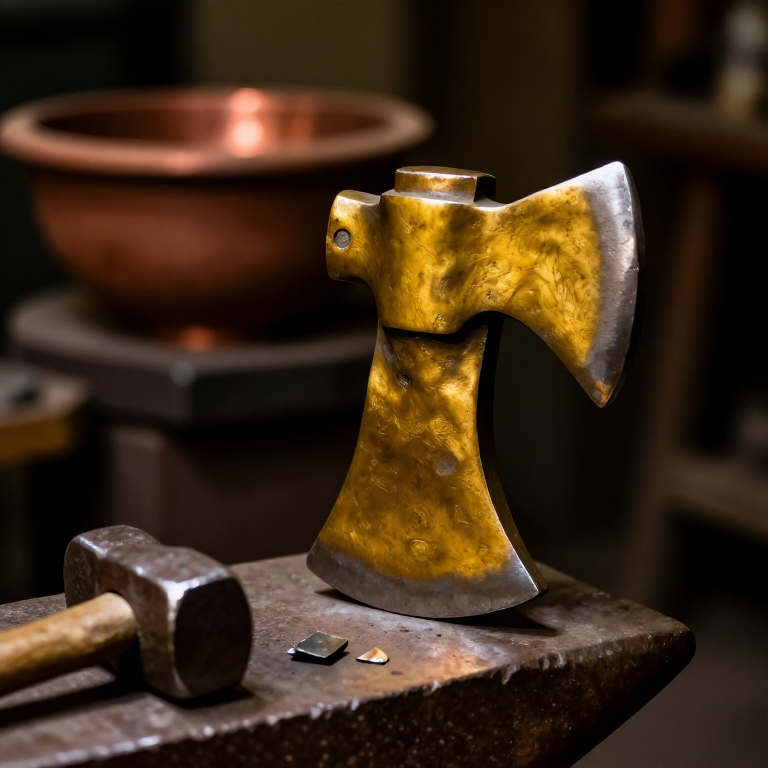
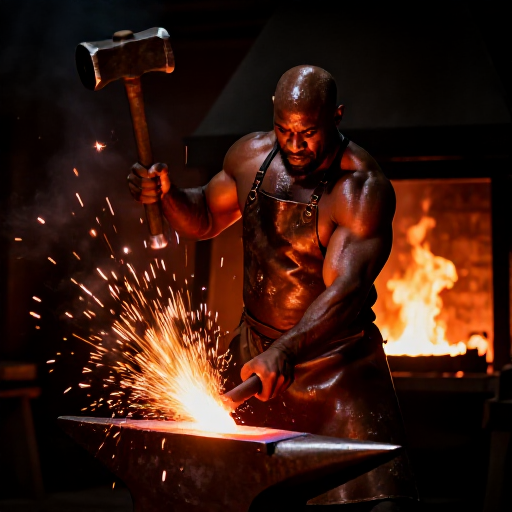
Alloying Bronze (Cu + Sn) — The Bronze Age Begins
ལམ་སྟོན
Prerequisite: Smelting Copper
Prerequisite: Smelting Copper
You need copper ingots — the base metal for bronze alloy.
སྔོན་འགྲོ་བིལུ་པིརིན་ཊི
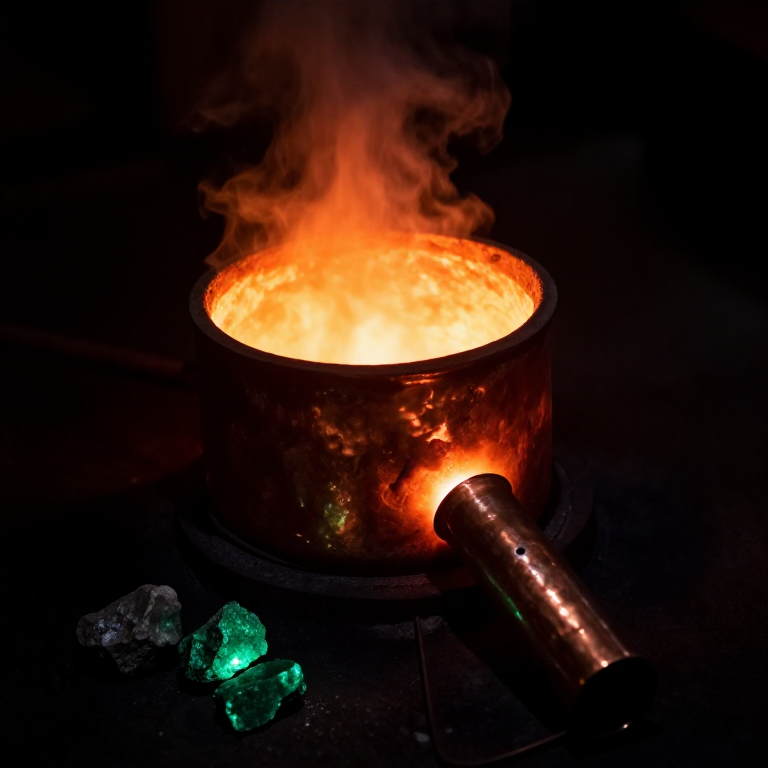
Smelting Copper from Malachite — The Birth of Metallurgy
གོམ་པ་འདིའི་རྫས་རིགས:
 ཟངས།0.9 kg
ལག་ཆས་དགོས་མཁོ:
 ཐབ།
ཐབ། རླུང་སྦུད་ཆས།
 བཞུ་སྣོད་ཀྱི་གཟེར་ཆས།
 ཚད་བསྒྱུར་ཚུགས་པའི་བླུགས་བཟོའི་སྒྲོམ།
 མགར་བའི་རྡོ་ལེབ།
 མགོ་སྒོར་སྒོར་གྱི་ཐོ་བ།
Prerequisite: Casting Copper Tools
Prerequisite: Casting Copper Tools
You need casting technique from this blueprint to shape bronze.
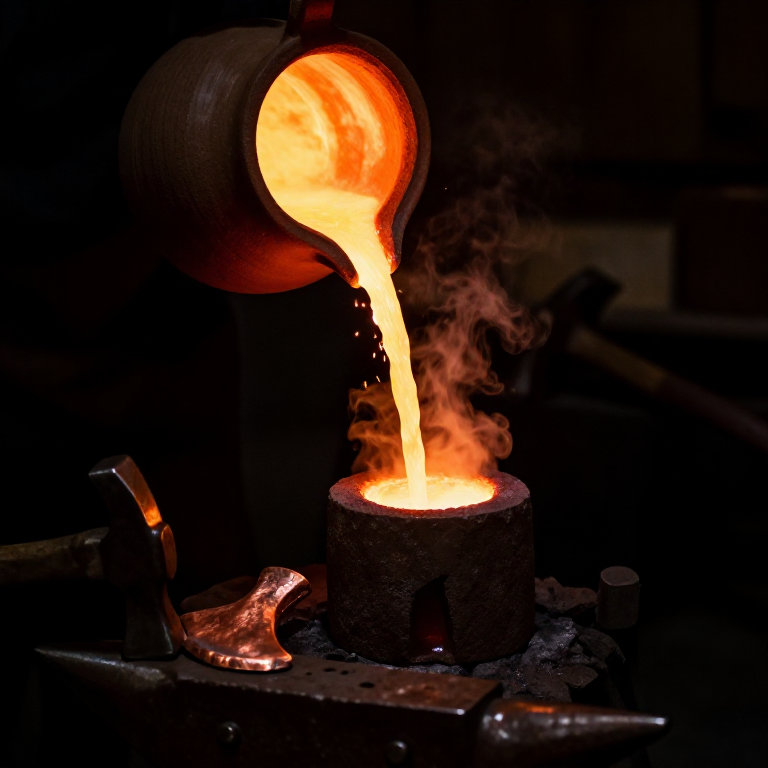
སྔོན་འགྲོ་བིལུ་པིརིན་ཊི
Casting Copper Tools — Shaping the First Metal
གོམ་པ་འདིའི་རྫས་རིགས:
 གསའི་གདུང་མ།100 g
 ཞུན་ཤོར་བླུགས་མའི་ཆ་ཚང - ལི1 ཡོ་བྱད་ཚན།
Prerequisite: Extracting Tin
Prerequisite: Extracting Tin
You need tin — the critical alloying element. Tin was the strategic resource of the Bronze Age.
སྔོན་འགྲོ་བིལུ་པིརིན་ཊི
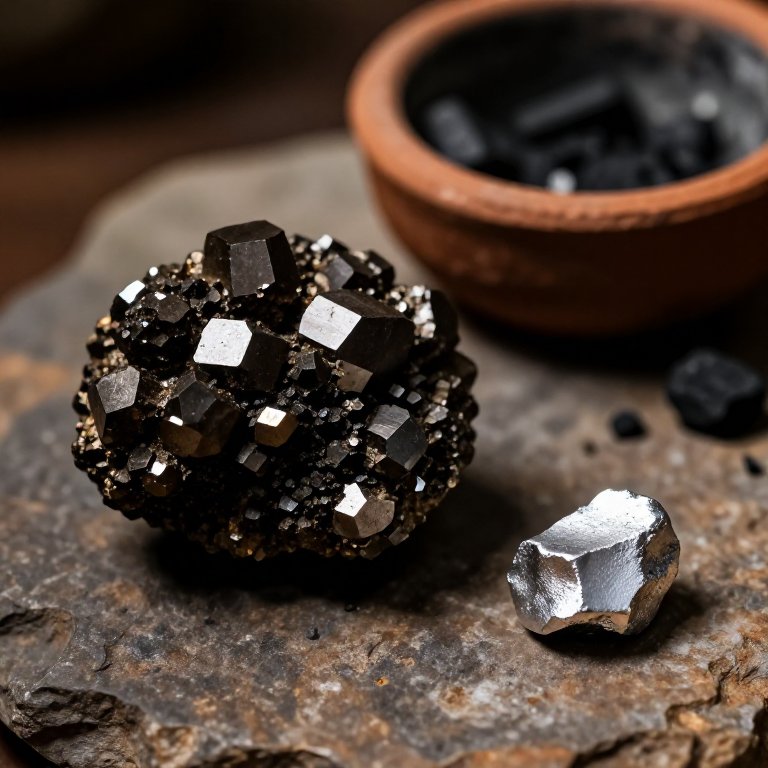
Extracting Tin from Cassiterite — The Missing Ingredient
གོམ་པ་འདིའི་རྫས་རིགས:
གསའི་གདུང་མ།100 gཞུན་ཤོར་བླུགས་མའི་ཆ་ཚང - ལི1 ཡོ་བྱད་ཚན།Metallurgy of Bronze
Metallurgy of Bronze
Why Bronze is Superior
Bronze is a solid solution alloy — tin atoms dissolve into the copper crystal lattice, distorting it and blocking dislocation movement. Result:
| Property | Copper | Bronze (10% Sn) | Improvement |
|---|---|---|---|
| Vickers Hardness | 40-50 | 70-150 | 2-3× harder |
| Tensile Strength | 210 MPa | 300-500 MPa | 2× stronger |
| Melting Point | 1085°C | ~950°C | Easier to melt! |
| Castability | Poor (gassy) | Excellent (fluid) | Complex shapes |
| Corrosion | Forms green patina | Highly resistant | Lasts millennia |
The Ideal Ratio
Ancient smiths converged on ~10% tin, 90% copper through trial and error:
- <8% tin: Too soft, barely better than copper
- 10-12% tin: Optimal hardness, good castability, golden colour
- 15-20% tin: Very hard but brittle — good for bells and mirrors, bad for tools
- >20% tin: Extremely brittle, shatters on impact
གོམ་པ་འདིའི་རྫས་རིགས:
ཟངས་སྐུད་སྟོང་པ། 10 AWG0.9 kgགསའི་གདུང་མ།100 gཞུན་ཤོར་བླུགས་མའི་ཆ་ཚང - ལི1 ཡོ་བྱད་ཚན།The Alloying Process
The Alloying Process
Preparation
- Weigh your metals: 900g copper + 100g tin for classic 10% bronze.
- Cut copper into small pieces (1-2cm) for faster melting.
- Tin can be in any form — it melts so fast it dissolves almost instantly.
Melting Sequence (CRITICAL)
- Melt the copper first. Load copper into pre-heated crucible in the kiln. Bring to full liquid (1085°C+).
- Add tin LAST. When copper is fully molten, add tin to the surface. Tin melts instantly (232°C) and dissolves into the copper.
- Stir with a pre-heated dry stick or ceramic rod. Ensure uniform mixing — 10 seconds of stirring is enough.
- NEVER add copper to molten tin — the temperature differential causes violent boiling and spatter.
Signs of Good Bronze
- Surface should be bright and mirror-like when fully liquid
- Colour: golden-yellow (not coppery red = too little tin, not silvery = too much tin)
- Flows smoothly when poured — bronze is more fluid than pure copper
Pour
- Skim slag from surface.
- Pour into pre-heated mold in one continuous stream.
- Bronze has excellent castability — it fills fine details that pure copper cannot.
གོམ་པ་འདིའི་རྫས་རིགས:
 ཞུན་སྣོད།1 pcཟངས་སྐུད་སྟོང་པ། 10 AWG0.9 kgགསའི་གདུང་མ།100 gཞུན་ཤོར་བླུགས་མའི་ཆ་ཚང - ལི1 ཡོ་བྱད་ཚན།
 ཨལུ་མི་ནི་ཡམ་བྷོརོནཛ་ C954 ཟླུམ་གཟུགས་སྤུབ། ༢༥ མི་མི།1 གཞི་བསྟུན།
Finishing and the Innovation Leap
Finishing and the Innovation Leap
Post-Casting
- Allow to cool naturally in the mold.
- Remove from mold, break off sprues.
- Cold-work the edges: bronze work-hardens even more effectively than copper.
- Grind and polish the working edge.
Testing Your Bronze
- Ring test: Strike with a stick — good bronze produces a clear, bell-like ring. Dull thud = bad alloy or porosity.
- Edge test: A bronze axe keeps its edge 3-5× longer than copper.
- Colour: Golden-yellow when polished. Develops green patina over time (same as the Statue of Liberty).
The Civilization Impact
Bronze changed everything:
- Agriculture: Bronze ploughshares broke harder soil → more food → larger populations
- Warfare: Bronze swords and armour dominated for 2,000 years
- Art: Bronze casting enabled the first complex sculptures (lost-wax casting)
- Trade: Tin scarcity created the first long-distance trade networks
But bronze has a fatal flaw: tin scarcity. When the Bronze Age trade networks collapsed (~1200 BCE), civilizations that couldn't get tin were forced to master a harder, more abundant metal — iron. See Blueprint 08: Building a Bloomery & Smelting Iron.
གོམ་པ་འདིའི་རྫས་རིགས:
ཞུན་ཤོར་བླུགས་མའི་ཆ་ཚང - ལི1 ཡོ་བྱད་ཚན།ཟངས་སྐུད་སྟོང་པ། 10 AWG0.9 kgགསའི་གདུང་མ།100 gཞུན་སྣོད།1 pcཨལུ་མི་ནི་ཡམ་བྷོརོནཛ་ C954 ཟླུམ་གཟུགས་སྤུབ། ༢༥ མི་མི།1 གཞི་བསྟུན།རྫས་རིགས
7- ས་ཆ་འཛིན
- 100 gས་ཆ་འཛིན
- ས་ཆ་འཛིན
- 1 དུམ་བུ།ས་ཆ་འཛིན
- 1 ཡོ་བྱད་ཚན།ས་ཆ་འཛིན
- ས་ཆ་འཛིན
- 12 kgས་ཆ་འཛིན
ལག་ཆས་དགོས་མཁོ
6- ས་ཆ་འཛིན
- ས་ཆ་འཛིན
- ས་ཆ་འཛིན
- ས་ཆ་འཛིན
- ས་ཆ་འཛིན
མཐུད་སྦྲེལ་བིལུ་པིརིན་ཊི་རྫས་རིགས
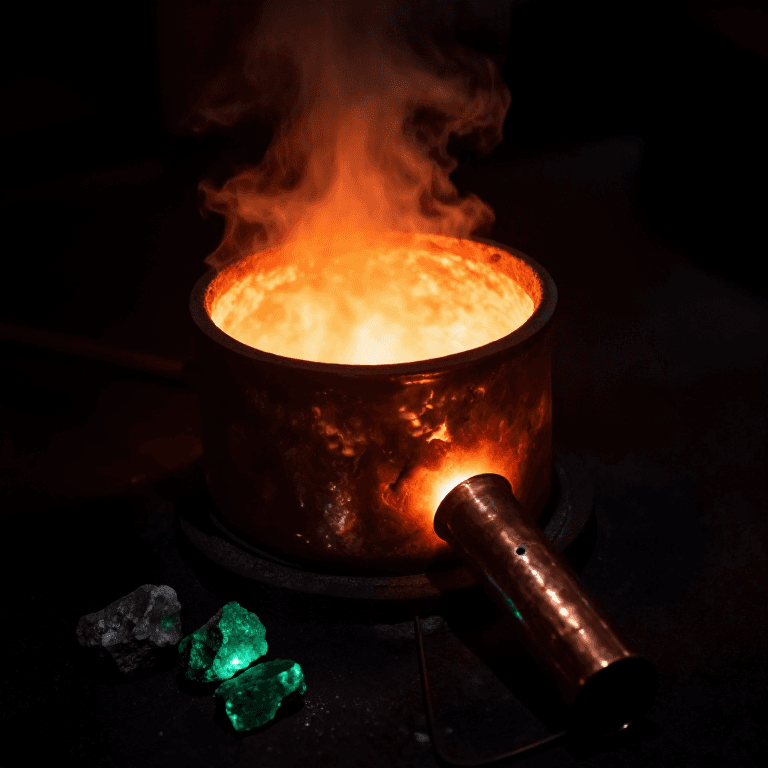
Smelting Copper from Malachite — The Birth of Metallurgy
Forge གྱིས
ལྕགས་བཟོ
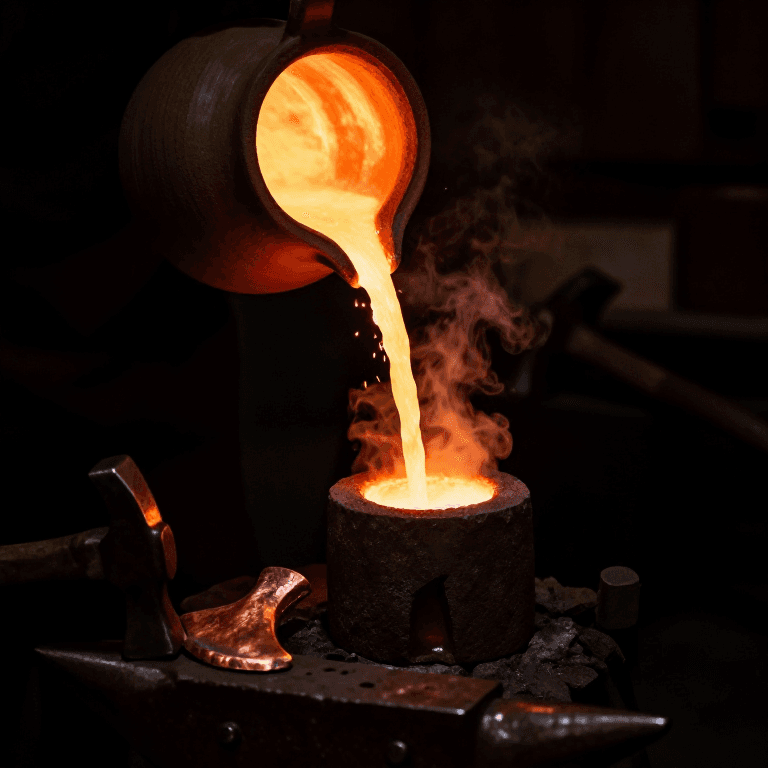
Casting Copper Tools — Shaping the First Metal
Forge གྱིས
བཟོ་རིག
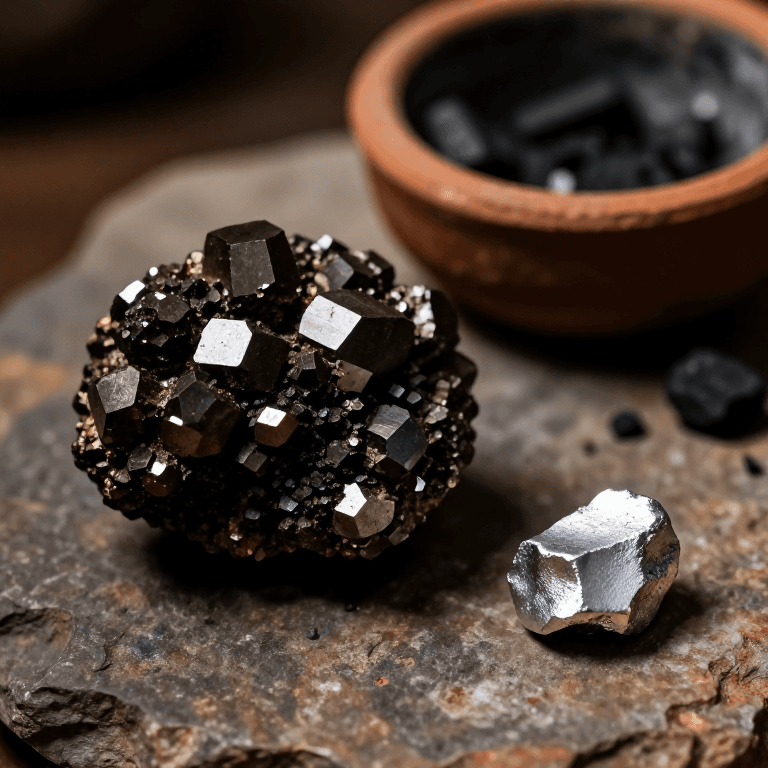
Extracting Tin from Cassiterite — The Missing Ingredient
Mary གྱིས
ལྕགས་བཟོ
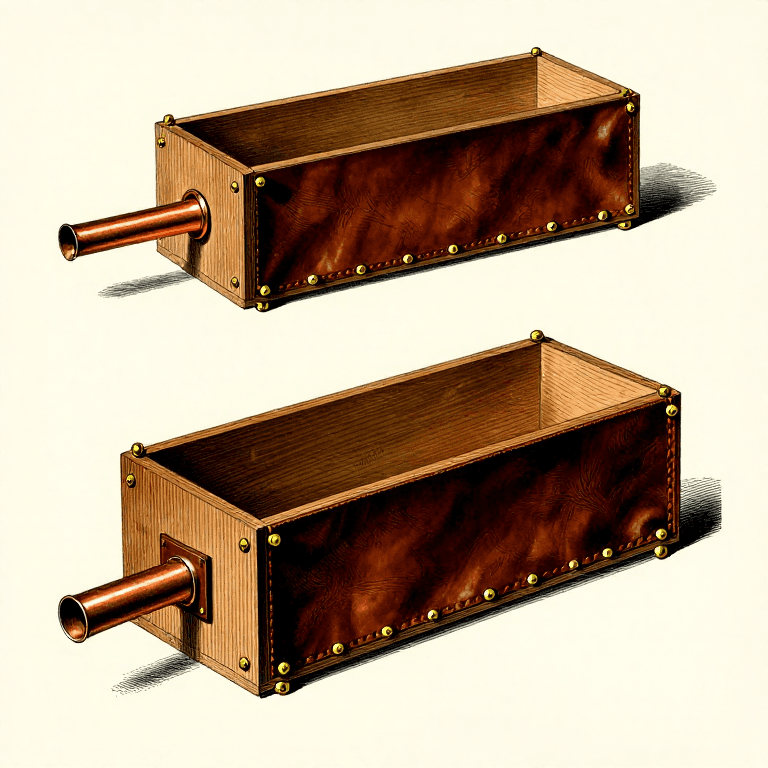
Building a Box Bellows — The Breath That Makes Metal Obey Fire
Emma གྱིས
ཤིང་བཟོ
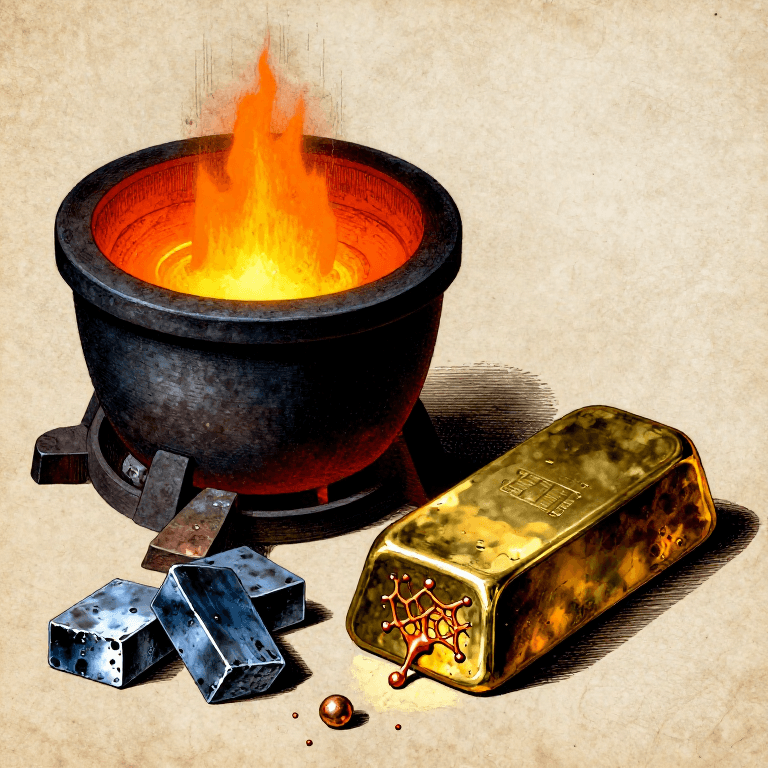
Alloying Brass from Copper and Zinc — The Golden Metal That Is Neither Gold Nor Bronze
Mary གྱིས
ལྕགས་བཟོ
CC0 སྤྱི་དབང
བིལུ་པིརིན་ཊི་འདི་CC0 འོག་བཀྲམས་ཡོད། ཁྱེད་རང་གིས་ཆོག་མཆན་མ་བཞེས་པར་ཕབ་ལེན་དང་བཟོ་བཅོས། བགོ་བཤའ། དགོས་མཁོ་གང་ལའང་བཀོལ་སྤྱོད་བྱས་ཆོག
བཟོ་མཁན་ལ་རྒྱབ་སྐྱོར་བྱེད་པའི་ཆེད་ཁོང་ཚོའི་བིལུ་པིརིན་ཊི་བརྒྱུད་ཐོན་སྐྱེད་ཉོ། བཟོ་མཁན་གྱིས བཟོ་མཁན་གྱི་ཁེ་ཕོགས ཚོང་པས་གཏན་འཁེལ་བྱས་པ། ཡང་ན་བིལུ་པིརིན་ཊི་འདིའི་པར་གསར་བཟོས་ཏེ་ཁྱེད་རང་གི་བིལུ་པིརིན་ཊི་ནང་མཐུད་སྦྲེལ་བྱས་ཏེ་ཡོང་སྒོ་བགོ་བཤའ་བྱེད།