
Building a Carbon Monoxide Detector
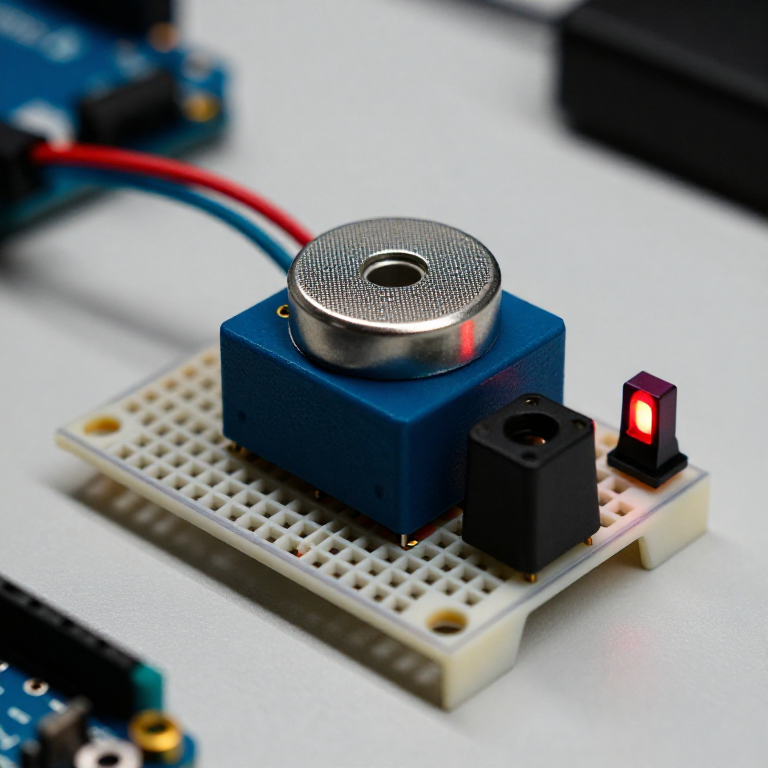
Build a circuit that senses carbon monoxide (CO) — the invisible, odourless gas from any incomplete combustion — and raises an alarm when it rises. An MQ-7 sensor gives the Arduino a reading that climbs with CO; the code compares it to a clean-air baseline and triggers a buzzer and red LED. A great way to learn gas sensing — but read the safety note: this is a demonstration, NOT a certified life-safety CO alarm.
ལམ་སྟོན
Wire the sensor, buzzer and LED
Wire the sensor, buzzer and LED
On the breadboard: MQ-7 VCC to Arduino 5V, GND to GND, and its analog output (AOUT) to Arduino A0. Active buzzer + to pin 8, - to GND. Red LED anode to pin 7 through a 330 Ω resistor, cathode to GND.
གོམ་པ་འདིའི་རྫས་རིགས:
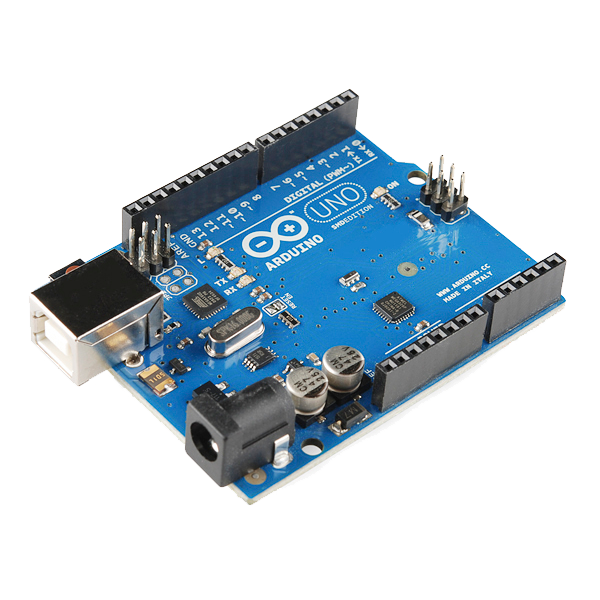 Arduino Uno R31 དུམ་བུ།
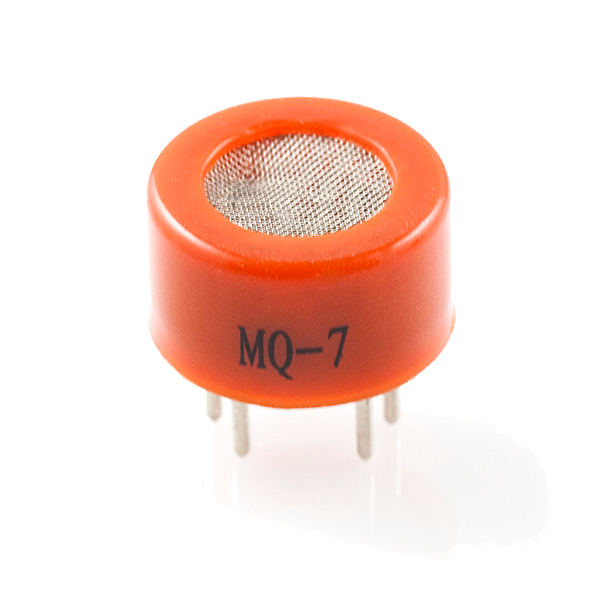 Carbon Monoxide Sensor - MQ-71 དུམ་བུ།
 ལས་བྱེད་བཟི་ཟེར་གྱི་མོ་ཌུལ།1 དུམ་བུ།
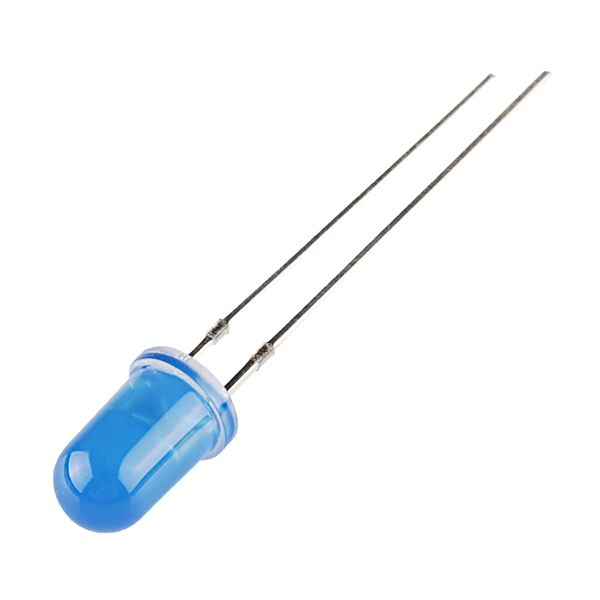 LED - Basic 5mm1 དུམ་བུ།
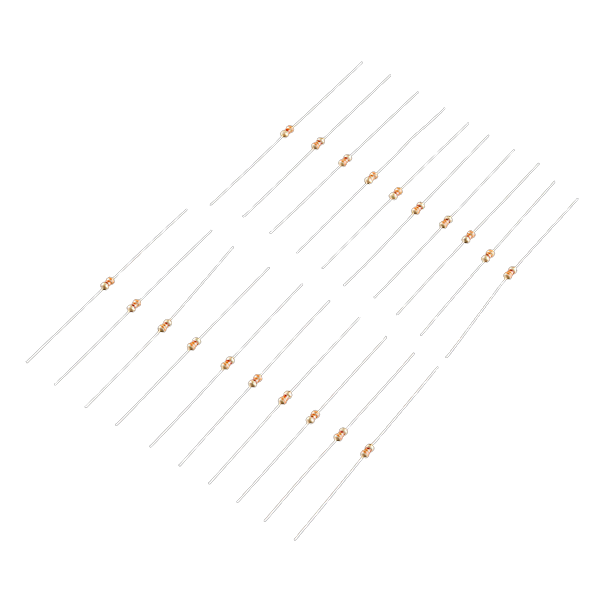 Resistor 330 Ohm 1/6 Watt PTH - 20 pack1 དུམ་བུ།
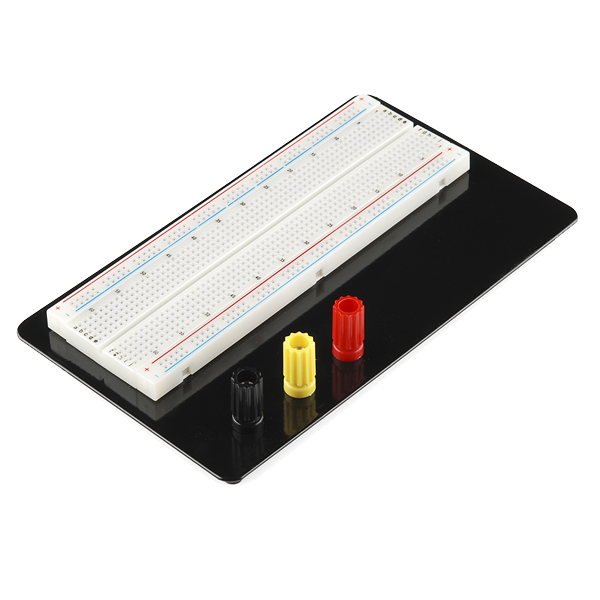 Breadboard1 དུམ་བུ།
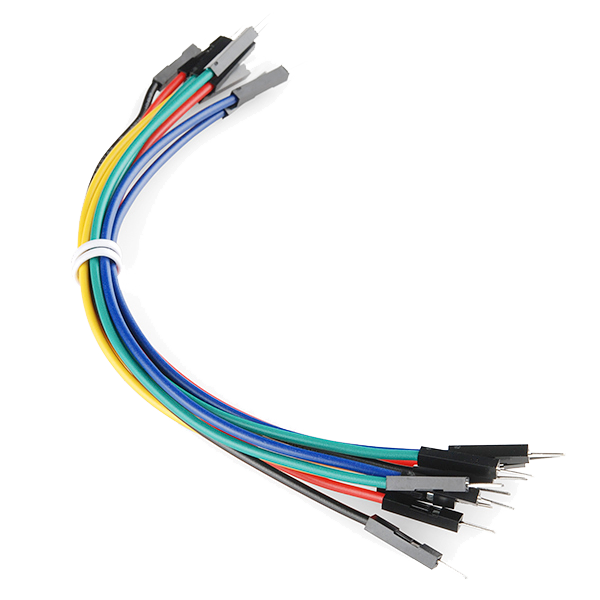 Jumper Wires (Male-to-Male)1 སྒྲིལ་ཐུམ།
Connect and open the IDE
Connect and open the IDE
Plug the Arduino into your computer with the USB cable, open the Arduino IDE, and select Arduino Uno and its serial port.
གོམ་པ་འདིའི་རྫས་རིགས:
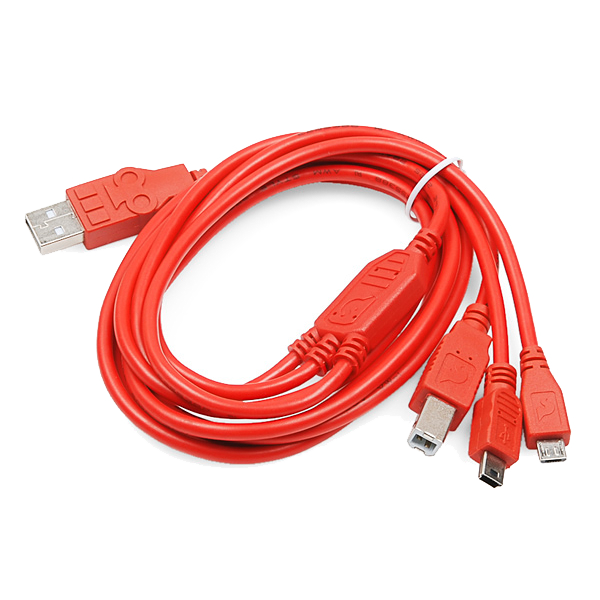 USB-B Cable1 དུམ་བུ།
ལག་ཆས་དགོས་མཁོ:
 Arduino IDE ཡོད་པའི་གློག་རིག
Upload the detector sketch
Upload the detector sketch
Paste this sketch and upload. It warms the sensor for two minutes, records a clean-air baseline, then sounds the buzzer and lights the LED whenever the reading climbs above that baseline.
Warm up, baseline and test
Warm up, baseline and test
Power it in fresh air and let the 2-minute warm-up set the clean-air baseline (a brand-new MQ-7 also needs a longer 24–48 h burn-in before its readings settle). Then hold a small CO source nearby in a ventilated room — the smoke from a just-blown-out match works — and the buzzer and LED should trigger. Change ALARM_MARGIN to make it more or less sensitive.
Important safety limits
Important safety limits
This is a LEARNING project and, at best, a supplementary indicator — it is NOT a certified life-safety device. A hobby MQ-7 gives a relative reading, not a calibrated ppm; it drifts over time and needs regular re-baselining, and it also responds to smoke and other gases. Carbon monoxide is invisible, odourless and can be fatal: for real protection always use a UL- or EN-certified CO alarm. Never rely on this circuit to keep anyone safe.
རྫས་རིགས
8- Arduino Uno R3 SMDཁེ་ཕོགས 10%1 དུམ་བུ།$26.95
- Carbon Monoxide Sensor - MQ-7ཁེ་ཕོགས 10%1 དུམ་བུ།$7.02
- 1 དུམ་བུ།ས་ཆ་འཛིན
- LED - Basic 5mmཁེ་ཕོགས 10%1 དུམ་བུ།$0.77
- Resistor 330 Ohm 1/6 Watt PTH - 20 packཁེ་ཕོགས 10%1 དུམ་བུ།$1.19
- Breadboard - Classicཁེ་ཕོགས 10%1 དུམ་བུ།$9.46
- 1 སྒྲིལ་ཐུམ།$4.99
- SparkFun Cerberus USB Cable - 1.8 meterཁེ་ཕོགས 10%1 དུམ་བུ།$5.66
ལག་ཆས་དགོས་མཁོ
2- ས་ཆ་འཛིན
- Breadboard - Classicཁེ་ཕོགས 10%$9.46
འབྲེལ་ཡོད་བིལུ་པིརིན་ཊི
བིལུ་པིརིན་ཊི་འདི་ཚུ་ཐབས་ལམ་དང་རྫས་རིགས། སྤྱི་ཆོས་བགོ་བཤའ་བྱེད

CC0 སྤྱི་དབང
བིལུ་པིརིན་ཊི་འདི་CC0 འོག་བཀྲམས་ཡོད། ཁྱེད་རང་གིས་ཆོག་མཆན་མ་བཞེས་པར་ཕབ་ལེན་དང་བཟོ་བཅོས། བགོ་བཤའ། དགོས་མཁོ་གང་ལའང་བཀོལ་སྤྱོད་བྱས་ཆོག
བཟོ་མཁན་ལ་རྒྱབ་སྐྱོར་བྱེད་པའི་ཆེད་ཁོང་ཚོའི་བིལུ་པིརིན་ཊི་བརྒྱུད་ཐོན་སྐྱེད་ཉོ། བཟོ་མཁན་གྱིས བཟོ་མཁན་གྱི་ཁེ་ཕོགས ཚོང་པས་གཏན་འཁེལ་བྱས་པ། ཡང་ན་བིལུ་པིརིན་ཊི་འདིའི་པར་གསར་བཟོས་ཏེ་ཁྱེད་རང་གི་བིལུ་པིརིན་ཊི་ནང་མཐུད་སྦྲེལ་བྱས་ཏེ་ཡོང་སྒོ་བགོ་བཤའ་བྱེད།