སྒྱུ་རྩལ
མཛེས་སྡུག་དང་བདེ་ཐང
བཟོ་རིག
རིག་གནས་དང་ལོ་རྒྱུས
དགའ་སྟོན
ཁོར་ཡུག
ཟས་དང་བཏུང་རྫས
ཕྱིར་འཕྲུལ་རིག
ཚན་རིག
རྩེད་འགྲན
རིག་རྩལ
གྱོན་རུང
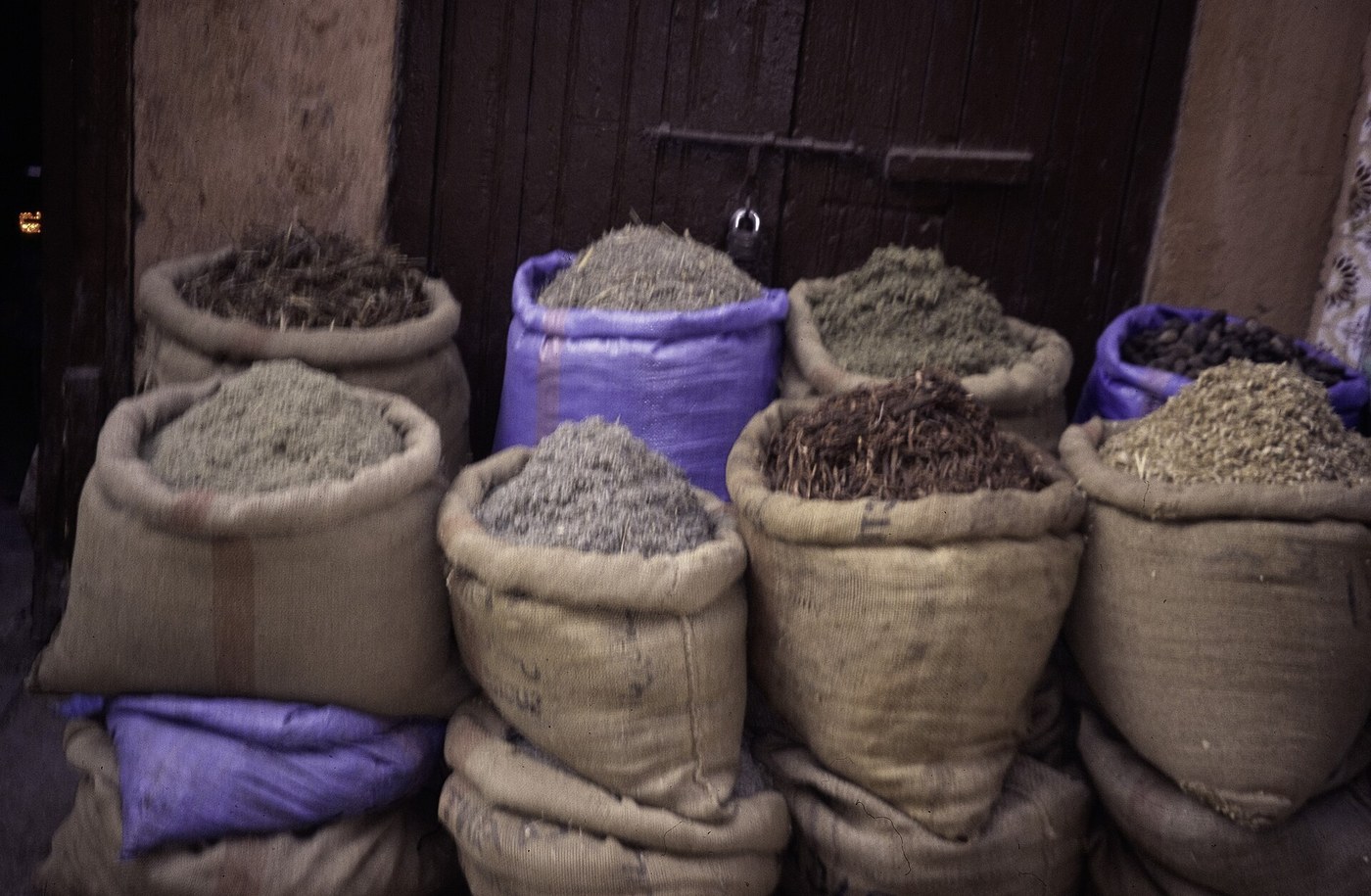


Burlap Sack: Hessian Folded and Sewn with Jute Twine
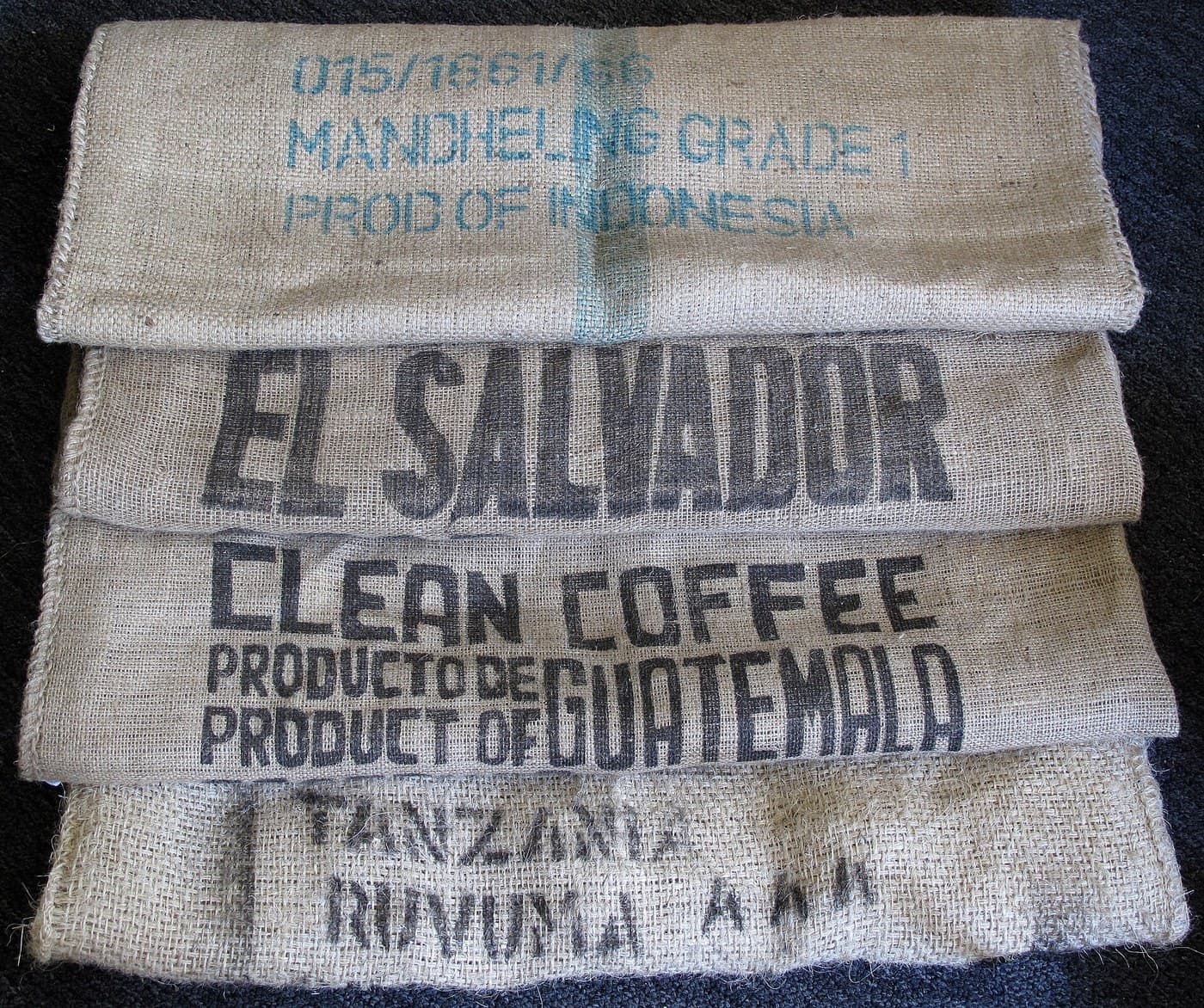
The gunny sack (from Hindi gani, sack) carried the world's grain, potatoes and coffee: a bag of coarse hessian, cheap, strong and breathable. It is one length of cloth folded in half and sewn up the sides with jute twine.
The picture: jute sacks with their mouths rolled down in a souk in Marrakech.
འགོ་བཙུགས
An hour
ལམ་སྟོན
1
1
Cut the cloth
Cut the cloth
Cut a piece of hessian twice the sack's length plus hems, and its width plus two seams (see the notebook).
གོམ་པ་འདིའི་རྫས་རིགས:
 རྒྱ་སྒྲོ་རས།2 m2
ལག་ཆས་དགོས་མཁོ:
 འཇལ་ཐག
 ཇེམ་ཙི།
2
2
Hem the mouth
Hem the mouth
Fold each short end over twice and sew it down with jute twine: this becomes the mouth and stops it fraying.
གོམ་པ་འདིའི་རྫས་རིགས:
 ཇུཊ་ཀྱི་ཐག་ཁུ།2 m
ལག་ཆས་དགོས་མཁོ:
 ཁབ་ཆེན་པོ།
3
3
Fold and sew the sides
Fold and sew the sides
Fold the cloth in half, hems together, and sew both sides with close overcast stitches in twine. Knot each end of the seam well.
གོམ་པ་འདིའི་རྫས་རིགས:
ཇུཊ་ཀྱི་ཐག་ཁུ།4 mལག་ཆས་དགོས་མཁོ:
ཁབ་ཆེན་པོ།ཇེམ་ཙི།4
4
Turn it out
Turn it out
Turn the sack inside out so the seams are inside. Tie it shut with a length of twine when full.
གོམ་པ་འདིའི་རྫས་རིགས:
ཇུཊ་ཀྱི་ཐག་ཁུ།1 mལག་ཆས་དགོས་མཁོ:
ཇེམ་ཙི།5
5
Cloth for one sack
Cloth for one sack
Jupyter ཚང་དེབ་མངོན་གསལ་འབད་དོ་…
རྫས་རིགས
2- 2 m2ས་ཆ་འཛིན
- ས་ཆ་འཛིན
བིལུ་པིརིན་ཊི་འདི་གིས་བཟོ་མི





འབྲེལ་ཡོད་བིལུ་པིརིན་ཊི
བིལུ་པིརིན་ཊི་འདི་ཚུ་ཐབས་ལམ་དང་རྫས་རིགས། སྤྱི་ཆོས་བགོ་བཤའ་བྱེད
CC0 སྤྱི་དབང
བིལུ་པིརིན་ཊི་འདི་CC0 འོག་བཀྲམས་ཡོད། ཁྱེད་རང་གིས་ཆོག་མཆན་མ་བཞེས་པར་ཕབ་ལེན་དང་བཟོ་བཅོས། བགོ་བཤའ། དགོས་མཁོ་གང་ལའང་བཀོལ་སྤྱོད་བྱས་ཆོག
བཟོ་མཁན་ལ་རྒྱབ་སྐྱོར་བྱེད་པའི་ཆེད་ཁོང་ཚོའི་བིལུ་པིརིན་ཊི་བརྒྱུད་ཐོན་སྐྱེད་ཉོ། བཟོ་མཁན་གྱིས བཟོ་མཁན་གྱི་ཁེ་ཕོགས ཚོང་པས་གཏན་འཁེལ་བྱས་པ། ཡང་ན་བིལུ་པིརིན་ཊི་འདིའི་པར་གསར་བཟོས་ཏེ་ཁྱེད་རང་གི་བིལུ་པིརིན་ཊི་ནང་མཐུད་སྦྲེལ་བྱས་ཏེ་ཡོང་སྒོ་བགོ་བཤའ་བྱེད།