སྒྱུ་རྩལ
མཛེས་སྡུག་དང་བདེ་ཐང
བཟོ་རིག
རིག་གནས་དང་ལོ་རྒྱུས
དགའ་སྟོན
ཁོར་ཡུག
ཟས་དང་བཏུང་རྫས
ཕྱིར་འཕྲུལ་རིག
ཚན་རིག
རྩེད་འགྲན
རིག་རྩལ
གྱོན་རུང
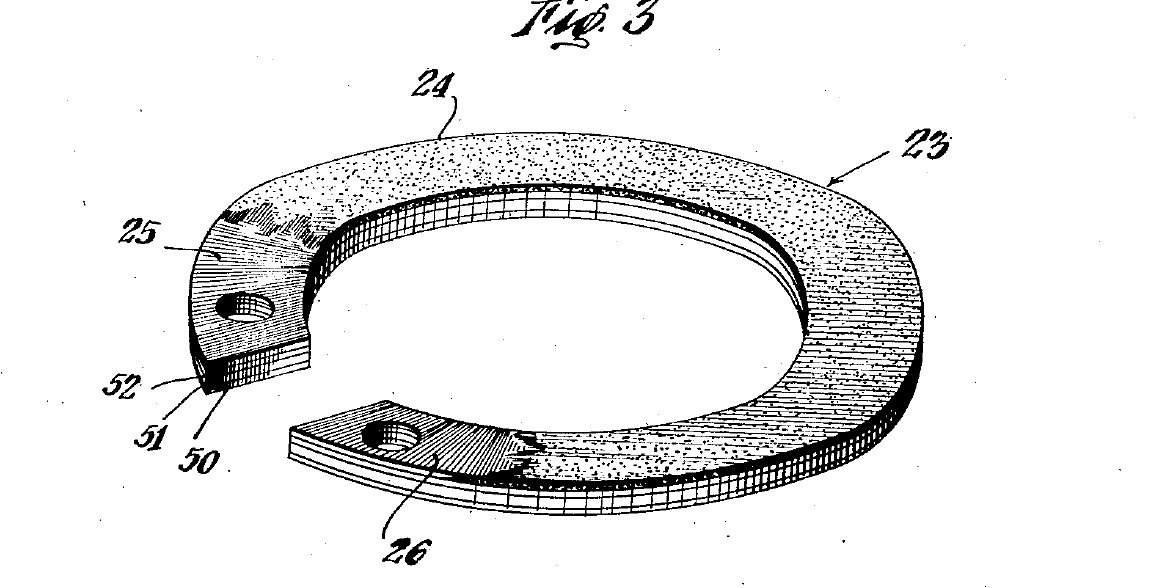


Carbon Resistance Ring: Laminated Paper Gelled with 15% Tung Oil, Graphite-Shellac Track
Mallory's quiet volume-control ring (US 2,144,925, 1939). Hard bases were noisy and soft paper ones changed with damp. Their answer: paper rings soaked in 15 % raw tung oil and baked, so the oil gels inside the paper. It shuts out moisture but stays soft and springy, and the wiper runs on it quietly. A graphite paint makes the track, silver paint the ends.
The picture: the patent's drawing (Fig. 3).
བར་མ
1 day
ལམ་སྟོན
1
1
Punch rings from three-ply paper
Punch rings from three-ply paper
The base is three papers stuck into one sheet: litho paper at the back, newsprint in the middle, manila on the face that takes the track. Punch rings from it. Ours: a punch press with a ring die.
གོམ་པ་འདིའི་རྫས་རིགས:
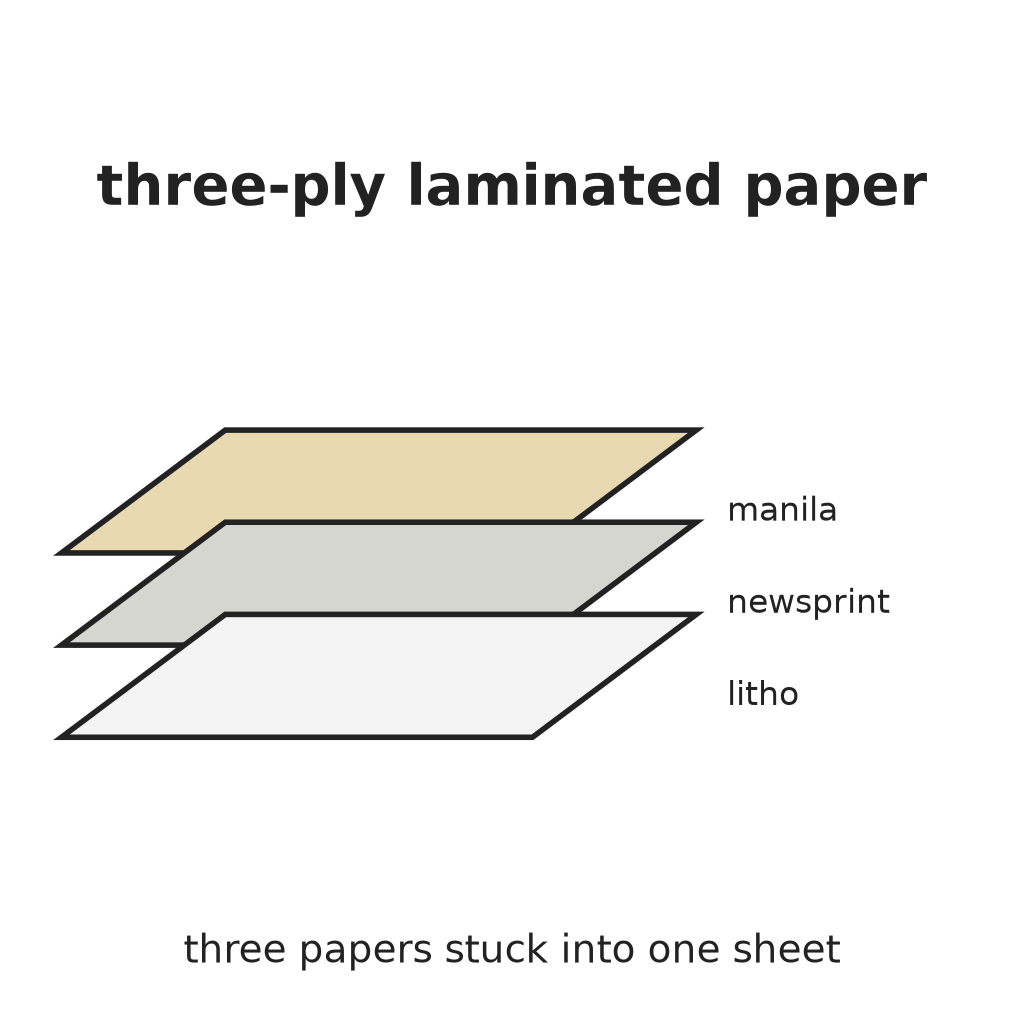 ཤོག་ལེབ་རིམ་གསུམ་ཅན1 དུམ་བུ།
ལག་ཆས་དགོས་མཁོ:
 བུག་གནོན་འཕྲུལ།
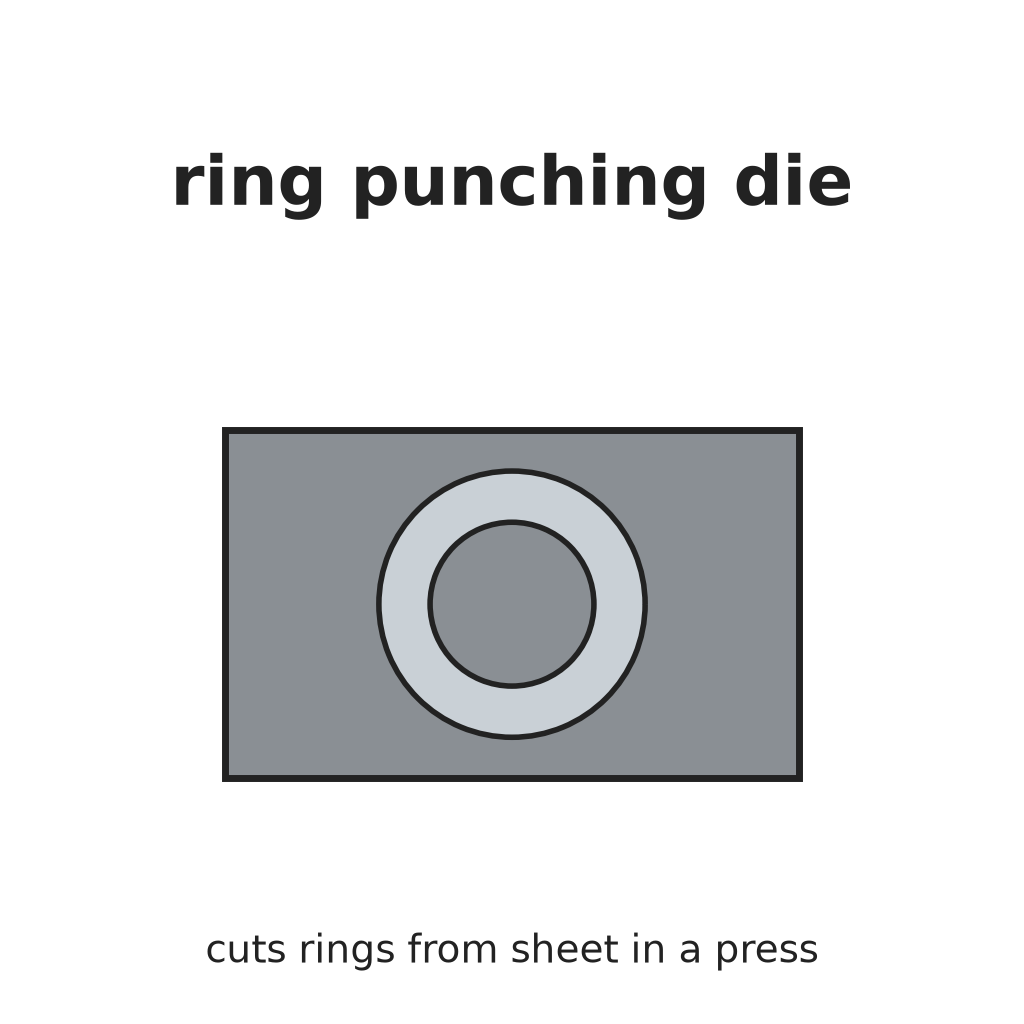 འཁོར་ལོ་བཏོན་པའི་བཅད་ཐབས
 ལ་སྟིག་གི་ལག་ཤུབས།
2
2
Soak 1 hour in 15 % tung oil in naphtha
Soak 1 hour in 15 % tung oil in naphtha
Soak the rings for about one hour in about 15 % raw tung oil in naphtha. Use raw oil, not heat-bodied or treated oil, so it can still gel.
གོམ་པ་འདིའི་རྫས་རིགས:
 ཏུང་གི་སྣུམ།15 parts
ལག་ཆས་དགོས་མཁོ:
 ནེབ་ཐ།
 ཤེལ་གྱི་བི་ཀར།
 ལག་པ་འདྲ་མཉམ་གྱི་སྲང་།
 དཀྲུག་ཆས་
 གདོང་ཁེབས་ཧྲིལ་བུའི་དབུགས་ལེན་ཆས།ལ་སྟིག་གི་ལག་ཤུབས།
3
3
Air-dry, then bake at 210–250 °C
Air-dry, then bake at 210–250 °C
Dry the rings in air for two hours or more, then bake 15 to 30 minutes at 210 to 250 °C. The oil gels in the paper's pores; the paper stays pliable.
ལག་ཆས་དགོས་མཁོ:
 སྐམ་ནིའི་ཐབ
 ཐབ་ཀྱི་ཚ་ཚད་འཇལ་ཆས།
 ཚ་བཟོད་ཀྱི་ལག་ཤུབས།
4
4
Spray the graphite track
Spray the graphite track
Spray on the resistance paint, for example graphite in a shellac binder. The patent gives no proportions. The track can be tapered in thickness, width or mix to shape the resistance curve.
གོམ་པ་འདིའི་རྫས་རིགས:
 གིརཕ་ཊའི་ཕྱེ་མ།1 as required
 ཤེལ་ལཱཀ1 as required
ལག་ཆས་དགོས་མཁོ:
 སྤྱི་ཟན་མདའ་མོ
 རླུང་གནོན་འཕྲུལ་ཆས།གདོང་ཁེབས་ཧྲིལ་བུའི་དབུགས་ལེན་ཆས།ལ་སྟིག་གི་ལག་ཤུབས།
5
5
Paint silver ends, bake at 220 °C
Paint silver ends, bake at 220 °C
Spray or paint the two end terminals with silver particles in shellac. Dry, then bake at about 220 °C to cure and harden the track. The slight warp from soaking flattens out again.
གོམ་པ་འདིའི་རྫས་རིགས:
 དངུལ་གྱི་གློག་འཁྱོར་ཚོན1 as required
ལག་ཆས་དགོས་མཁོ:
སྤྱི་ཟན་མདའ་མོསྐམ་ནིའི་ཐབཐབ་ཀྱི་ཚ་ཚད་འཇལ་ཆས།ཚ་བཟོད་ཀྱི་ལག་ཤུབས།རྫས་རིགས
5- 1 དུམ་བུ།ས་ཆ་འཛིན
- 15 partsས་ཆ་འཛིན
- 1 as requiredས་ཆ་འཛིན
- 1 as requiredས་ཆ་འཛིན
- 1 as requiredས་ཆ་འཛིན
ལག་ཆས་དགོས་མཁོ
13- ས་ཆ་འཛིན
- ས་ཆ་འཛིན
- ས་ཆ་འཛིན
- ས་ཆ་འཛིན
- ས་ཆ་འཛིན
- ས་ཆ་འཛིན
- ས་ཆ་འཛིན
- ས་ཆ་འཛིན
- ས་ཆ་འཛིན
- ས་ཆ་འཛིན
- ས་ཆ་འཛིན
- 1 vendor sell this, none ship to you yetས་ཆ་འཛིན
བིལུ་པིརིན་ཊི་འདི་གིས་བཟོ་མི
འབྲེལ་ཡོད་བིལུ་པིརིན་ཊི
བིལུ་པིརིན་ཊི་འདི་ཚུ་ཐབས་ལམ་དང་རྫས་རིགས། སྤྱི་ཆོས་བགོ་བཤའ་བྱེད
CC0 སྤྱི་དབང
བིལུ་པིརིན་ཊི་འདི་CC0 འོག་བཀྲམས་ཡོད། ཁྱེད་རང་གིས་ཆོག་མཆན་མ་བཞེས་པར་ཕབ་ལེན་དང་བཟོ་བཅོས། བགོ་བཤའ། དགོས་མཁོ་གང་ལའང་བཀོལ་སྤྱོད་བྱས་ཆོག
བཟོ་མཁན་ལ་རྒྱབ་སྐྱོར་བྱེད་པའི་ཆེད་ཁོང་ཚོའི་བིལུ་པིརིན་ཊི་བརྒྱུད་ཐོན་སྐྱེད་ཉོ། བཟོ་མཁན་གྱིས བཟོ་མཁན་གྱི་ཁེ་ཕོགས ཚོང་པས་གཏན་འཁེལ་བྱས་པ། ཡང་ན་བིལུ་པིརིན་ཊི་འདིའི་པར་གསར་བཟོས་ཏེ་ཁྱེད་རང་གི་བིལུ་པིརིན་ཊི་ནང་མཐུད་སྦྲེལ་བྱས་ཏེ་ཡོང་སྒོ་བགོ་བཤའ་བྱེད།