སྒྱུ་རྩལ
མཛེས་སྡུག་དང་བདེ་ཐང
བཟོ་རིག
རིག་གནས་དང་ལོ་རྒྱུས
དགའ་སྟོན
ཁོར་ཡུག
ཟས་དང་བཏུང་རྫས
ཕྱིར་འཕྲུལ་རིག
ཚན་རིག
རྩེད་འགྲན
རིག་རྩལ
གྱོན་རུང
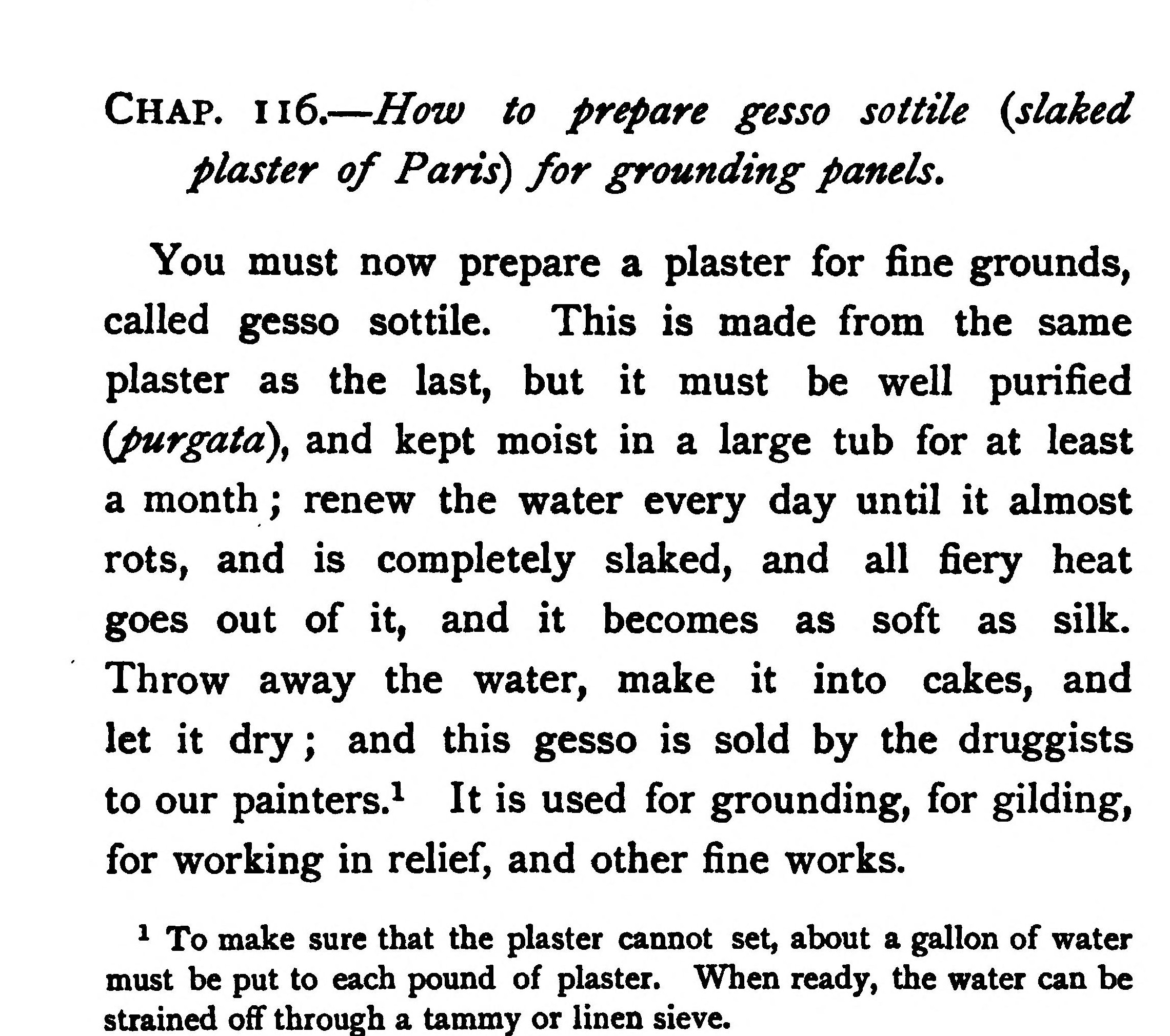


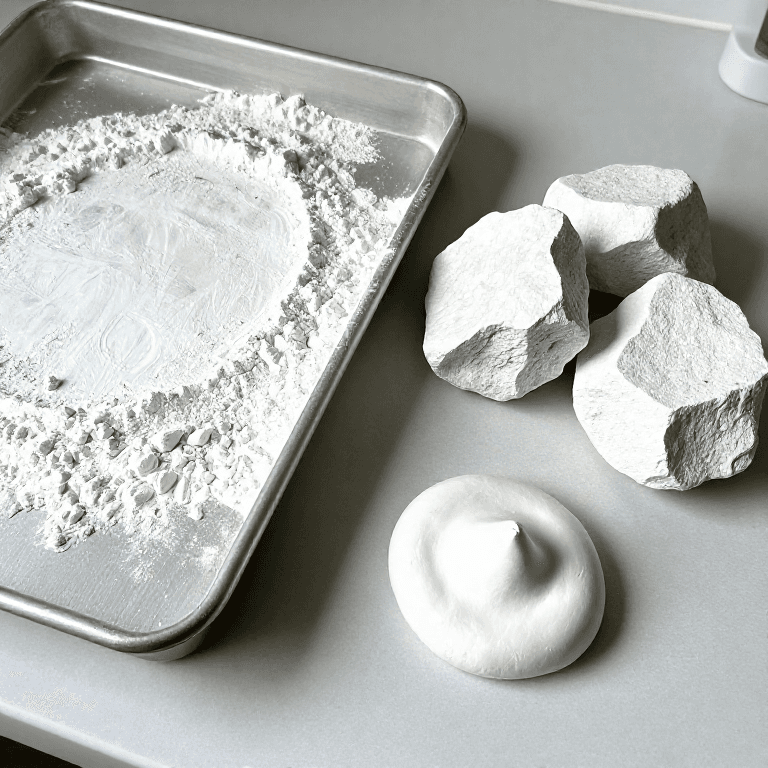
Gesso Sottile: Plaster of Paris Slaked a Month, Ground, Wrung and Tempered Warm with Parchment Size (Cennini, c. 1400)
The fine gilding and painting ground of Cennino Cennini: plaster of Paris kept under water for a month, the water changed daily until it is dead and soft as silk, dried in cakes, then ground, wrung out in linen and tempered warm with size boiled from sheep-parchment shavings, never letting it boil or froth.
བར་མ
A month of slaking, then an hour to temper
ལམ་སྟོན
1
1
Slaking water
Slaking water
Jupyter ཚང་དེབ་མངོན་གསལ་འབད་དོ་…
2
2
Read Cennini
Read Cennini
"Kept moist in a large tub for at least a month; renew the water every day until it almost rots."
3
3
Slake the plaster
Slake the plaster
Put well-purified plaster of Paris in a large tub of water (the translator's note: about a gallon to each pound, so it cannot set). Keep it wet at least a month, changing the water every day, until it is completely slaked, all heat gone, and soft as silk.
གོམ་པ་འདིའི་རྫས་རིགས:
 པེ་རིསི་ཀྱི་ཞལ་ཐང་།1 དུམ་བུ།
 ཆུ།1 དུམ་བུ།
ལག་ཆས་དགོས་མཁོ:
 ཤིང་གི་གཞོང་པ།
4
4
Make cakes
Make cakes
Pour off the water (strain through linen), shape the paste into cakes and let them dry.
ལག་ཆས་དགོས་མཁོ:
 རས་གོས།
5
5
Boil the size
Boil the size
Boil shavings of sheep parchment in water until the water is down to one third. It is ready when a little rubbed between the palms makes one hand stick to the other. Strain it two or three times.
གོམ་པ་འདིའི་རྫས་རིགས:
 ཀོ་ཤོག1 དུམ་བུ།ཆུ།1 དུམ་བུ།
ལག་ཆས་དགོས་མཁོ:
 གྱང་མཐོ་བའི་ཧོད།
 རས་ཆས (འཚག་ནིའི་དོན་ལུ)
6
6
Grind and wring
Grind and wring
Drop the cakes one by one into clean water and let them drink all they will. Grind a little at a time on the slab, adding no more water. Gather it on strong white linen until you have a loaf's worth, fold the cloth and wring out all the water you can.
གོམ་པ་འདིའི་རྫས་རིགས:
ཆུ།1 དུམ་བུ།ལག་ཆས་དགོས་མཁོ:
 སྐྱ་བྱུགས་ཡོད་པའི་རྫ་མའི་བུམ་པ
 རྡོ་ལེབ་ཏོག་ཏོ།
 གཞོང་རྡོརས་གོས།
7
7
Temper warm
Temper warm
In a new, grease-free (better glazed) pipkin, scrape the gesso fine with a knife like cheese. Add the size, less than for gesso grosso, and work it with the hand like fritter batter so it does not froth. Stand the pipkin in a cauldron of very hot water to keep it warm: it must never boil.
ལག་ཆས་དགོས་མཁོ:
སྐྱ་བྱུགས་ཡོད་པའི་རྫ་མའི་བུམ་པ གྲི།
 ཧོད་སྦོམ།
8
8
Troubleshooting
Troubleshooting
Gesso troubleshooting.
Flow
Loading...
9
9
History and honest limits
History and honest limits
From Cennino Cennini, **Il Libro dell'Arte** (c. 1400), chaps. 113, 116-117, in Herringham's translation (1899), pp. 93-98 (checked on the archive.org scan bookartcenninoc01herrgoog). The water ratio is Herringham's footnote, not Cennini's. The smooth stone slab in place of porphyry and the metric figures are ours.
བིལུ་པིརིན་ཊི་འདི་གིས་བཟོ་མི

འབྲེལ་ཡོད་བིལུ་པིརིན་ཊི
བིལུ་པིརིན་ཊི་འདི་ཚུ་ཐབས་ལམ་དང་རྫས་རིགས། སྤྱི་ཆོས་བགོ་བཤའ་བྱེད
CC0 སྤྱི་དབང
བིལུ་པིརིན་ཊི་འདི་CC0 འོག་བཀྲམས་ཡོད། ཁྱེད་རང་གིས་ཆོག་མཆན་མ་བཞེས་པར་ཕབ་ལེན་དང་བཟོ་བཅོས། བགོ་བཤའ། དགོས་མཁོ་གང་ལའང་བཀོལ་སྤྱོད་བྱས་ཆོག
བཟོ་མཁན་ལ་རྒྱབ་སྐྱོར་བྱེད་པའི་ཆེད་ཁོང་ཚོའི་བིལུ་པིརིན་ཊི་བརྒྱུད་ཐོན་སྐྱེད་ཉོ། བཟོ་མཁན་གྱིས བཟོ་མཁན་གྱི་ཁེ་ཕོགས ཚོང་པས་གཏན་འཁེལ་བྱས་པ། ཡང་ན་བིལུ་པིརིན་ཊི་འདིའི་པར་གསར་བཟོས་ཏེ་ཁྱེད་རང་གི་བིལུ་པིརིན་ཊི་ནང་མཐུད་སྦྲེལ་བྱས་ཏེ་ཡོང་སྒོ་བགོ་བཤའ་བྱེད།