སྒྱུ་རྩལ
མཛེས་སྡུག་དང་བདེ་ཐང
བཟོ་རིག
རིག་གནས་དང་ལོ་རྒྱུས
དགའ་སྟོན
ཁོར་ཡུག
ཟས་དང་བཏུང་རྫས
ཕྱིར་འཕྲུལ་རིག
ཚན་རིག
རྩེད་འགྲན
རིག་རྩལ
གྱོན་རུང
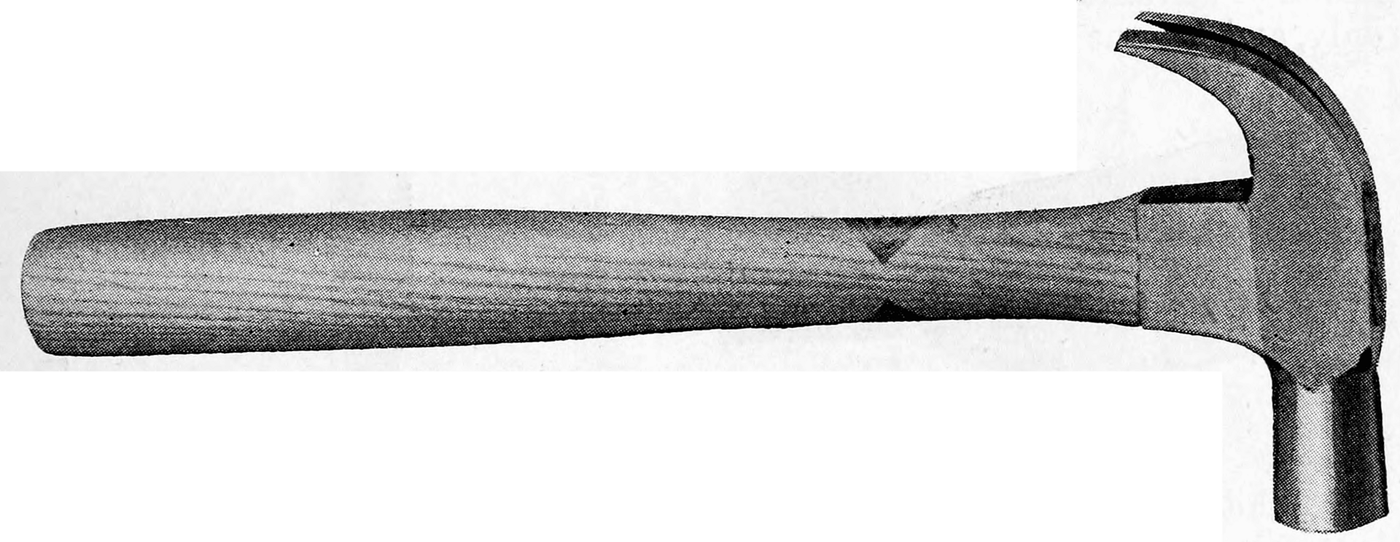


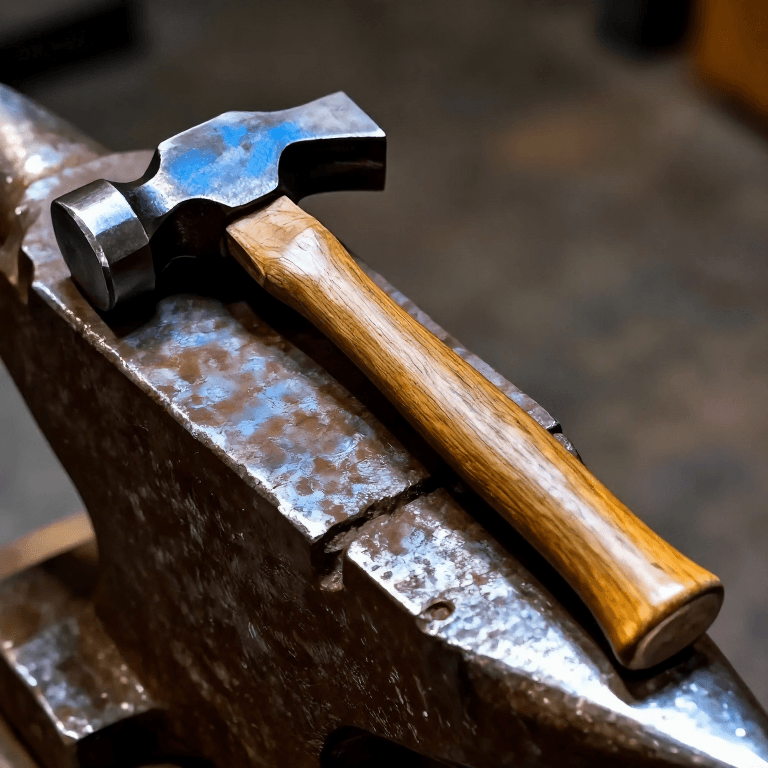
Claw Hammer: Drop-Forged Head, Turned Wooden Handle
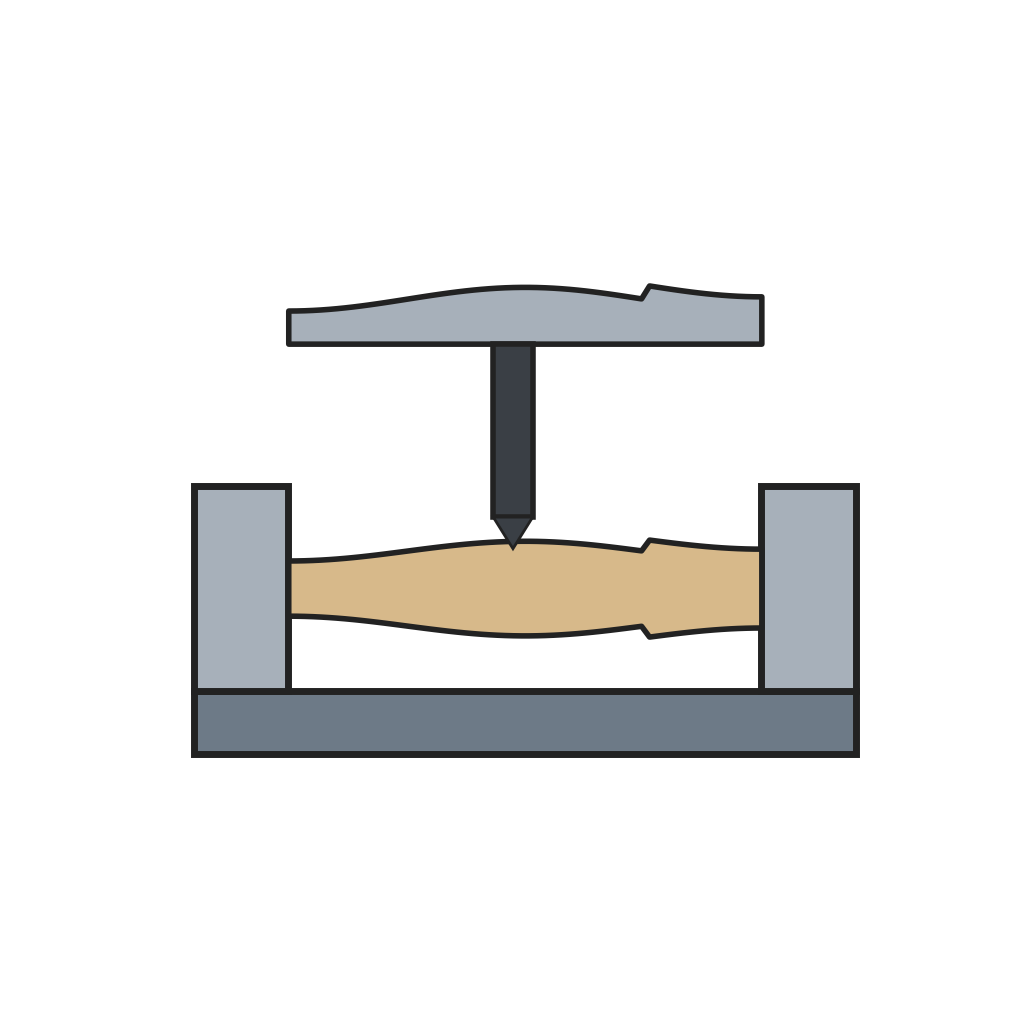
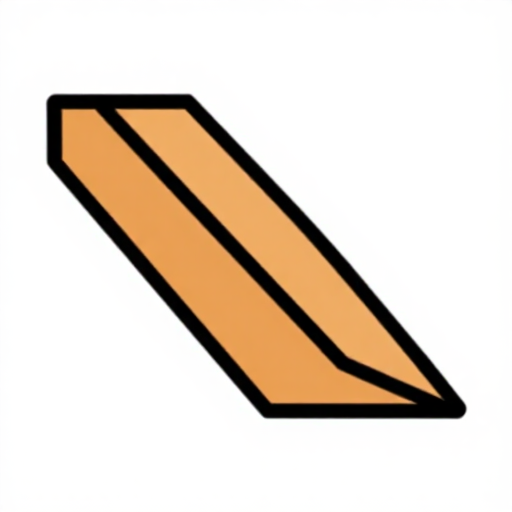
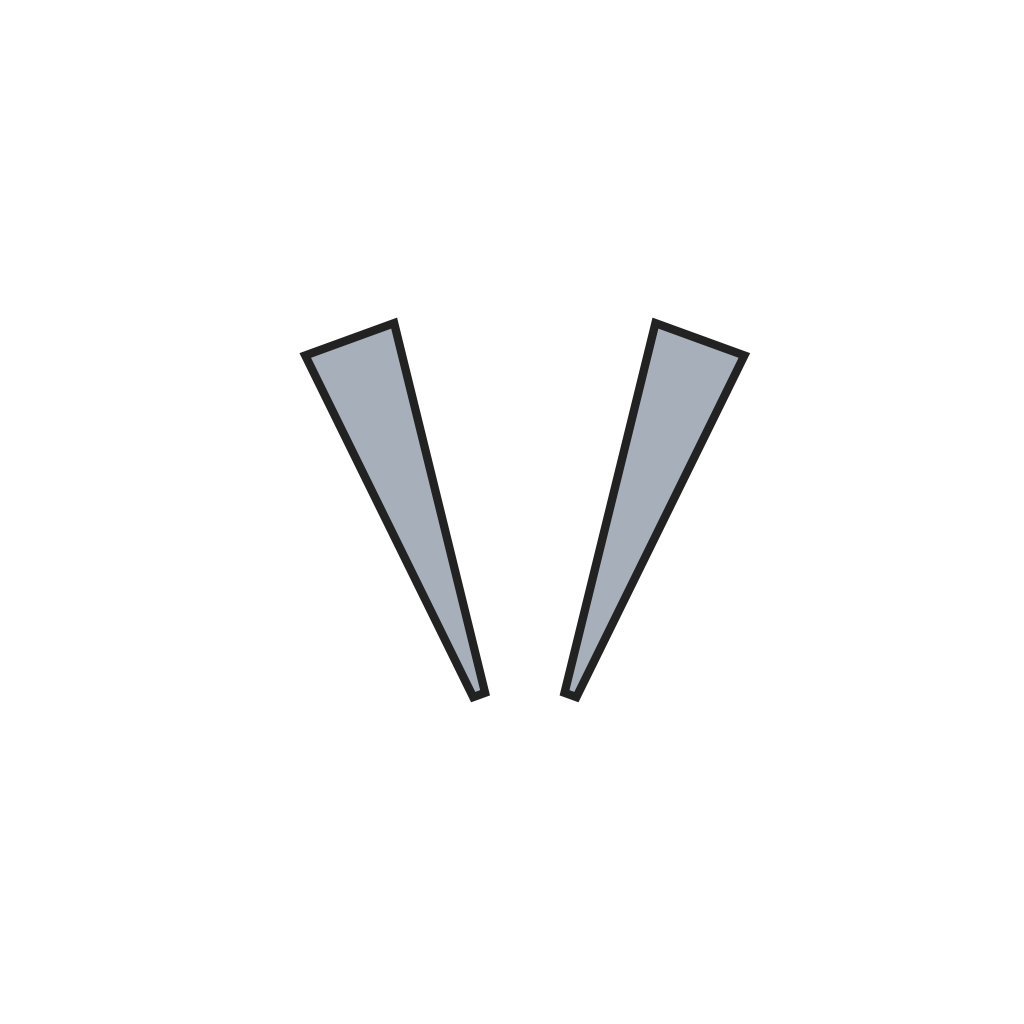
A claw hammer's head is high-carbon steel, hot forged between dies and then hardened only where it takes the blows: the face, the poll and the claws. The handle is straight-grained ash or hickory, woods with good strength, durability and enough give to absorb the shock of repeated blows. It is turned on a lathe that copies a cam, pushed up through the head's eye and wedged: one thin wooden wedge driven diagonally into a slot, then two steel wedges driven through it crossways.
མཐོ་རིམ
Factory process
ལམ་སྟོན
1
1
Heat the bar
Heat the bar
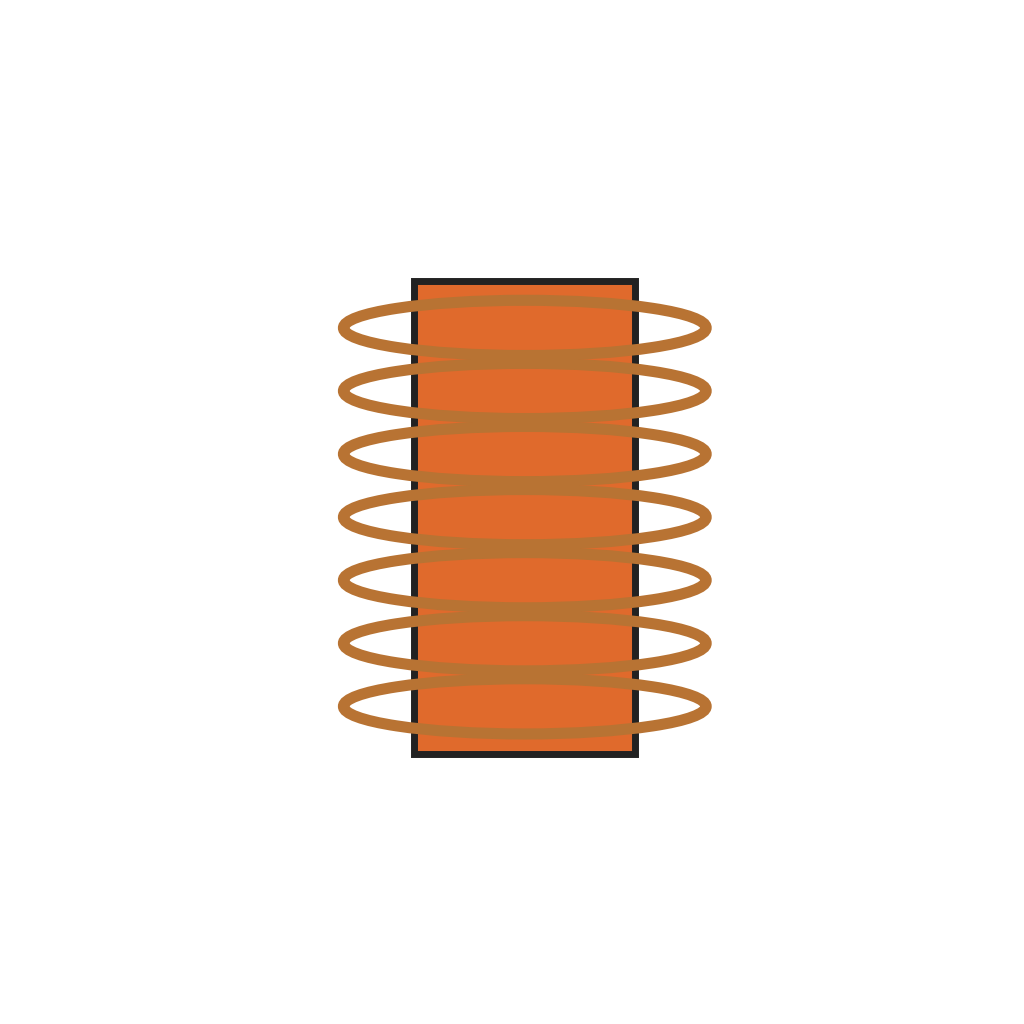
Heat a length of steel bar to about 1,200–1,300 °C (2,200–2,350 °F) with open flame torches or by passing it through an induction coil.
གོམ་པ་འདིའི་རྫས་རིགས:
 ལག་ཆས་ལྕགས་ཁར་གྱི་ཡུ་བ་གྲུ་བཞི།1 as required
ལག་ཆས་དགོས་མཁོ:
 ཨིན་ཌག་ཤཱན་དྲོད་སྤྲོད་ཆས།
2
2
Forge the head
Forge the head
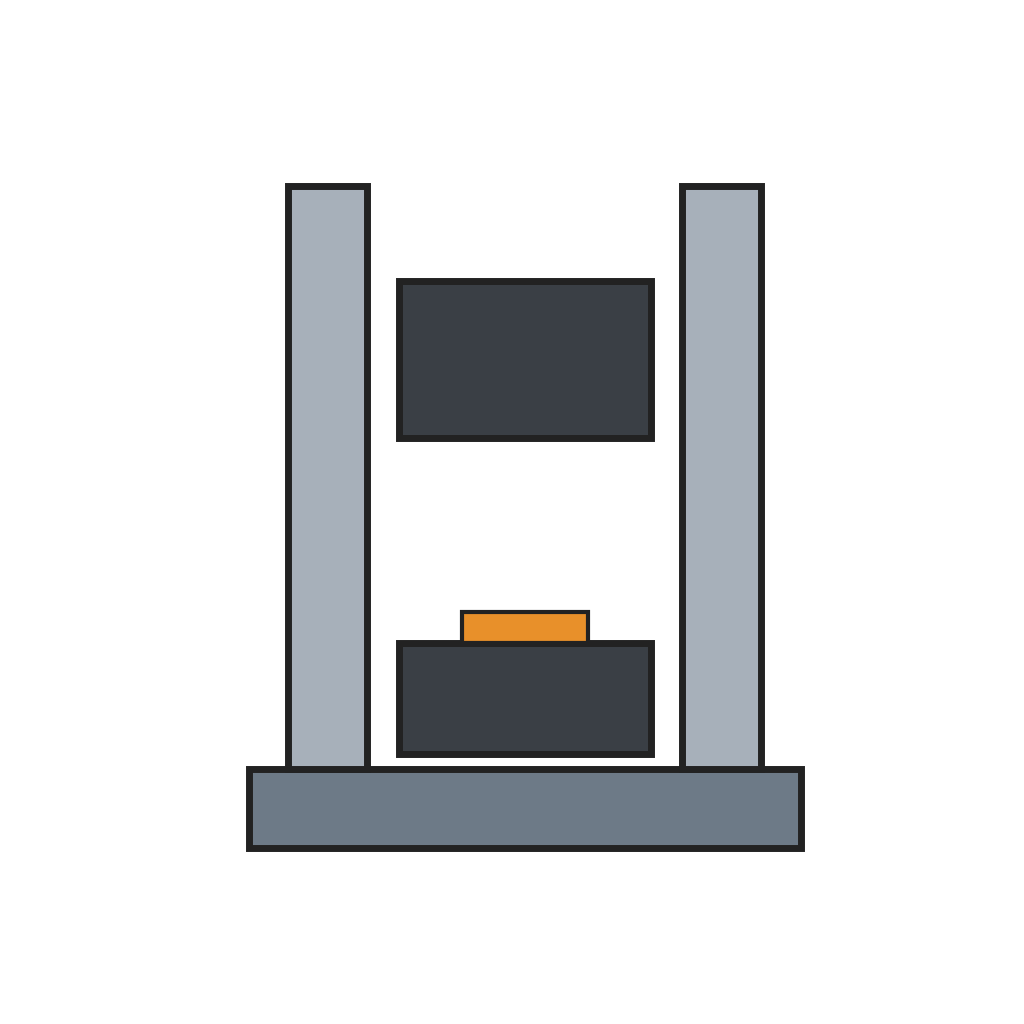
Put the hot bar or a cut blank between the dies. The ram forces them together and squeezes the steel into the die cavities; repeat in several dies to form the head step by step.
ལག་ཆས་དགོས་མཁོ:
 མགར་དཔེ་ཅན་གྱི་ལྷུང་ཐོ།
3
3
Trim the flash
Trim the flash
Cut off the flash, the steel squeezed out between the dies, with trimming dies. Cool the head and grind off rough spots.
ལག་ཆས་དགོས་མཁོ:
 ལྷག་མ་གཏུབ་དཔེ།
 ཕྱོགས་ཙི་གུའི་ཕྱི་ཆས།
4
4
Harden the face, poll and claws
Harden the face, poll and claws
Heat those areas with a flame or an induction coil and cool them quickly, so the steel near the surface becomes much harder than the rest of the head.
ལག་ཆས་དགོས་མཁོ:
ཨིན་ཌག་ཤཱན་དྲོད་སྤྲོད་ཆས།5
5
Clean and polish
Clean and polish
Shot blast the head (a stream of air carrying small steel particles), paint it if wanted, then polish the face, poll, claws and cheeks. Smooth the V-slot of the claws with an abrasive disc.
ལག་ཆས་དགོས་མཁོ:
 ལྕགས་རིལ་འཕུར་བཏང་སྒྲོམ།
 འོད་བཏོན་འཁོར་ལོ།
6
6
Turn the handle
Turn the handle
Cut ash or hickory to length and hold it at both ends in the lathe. As it spins, the cutting tool follows a cam with the handle's shape. Cut a slot diagonally across the top and sand the handle smooth.
གོམ་པ་འདིའི་རྫས་རིགས:
 ཡུ་བའི་དོན་ལུ་ཤིང་སྲ་བ།1 དུམ་བུ།
 བྱེ་མའི་ཤོག་ཀུ1 as required
ལག་ཆས་དགོས་མཁོ:
 ཀེམ་གྱིས་ལམ་སྟོན་འབད་མི་ ཡུ་བ་ཞོལ་སྐོར་འཕྲུལ།
7
7
Hang the head
Hang the head
Push the handle up through the eye of the head. Tap the wooden wedge into the diagonal slot to spread the handle against the head, then drive two small steel wedges through it crossways.
གོམ་པ་འདིའི་རྫས་རིགས:
 སྲ་བའི་ཤིང་གཟེར་རྡོ1 དུམ་བུ།
 ལྕགས་ཀྱི་ཐད་ཀར་ཟེར་ཕུར།2 དུམ་བུ།
རྫས་རིགས
5- 1 as requiredས་ཆ་འཛིན
- 1 དུམ་བུ།ས་ཆ་འཛིན
- 1 as requiredས་ཆ་འཛིན
- 1 དུམ་བུ།ས་ཆ་འཛིན
- 2 དུམ་བུ།ས་ཆ་འཛིན
ལག་ཆས་དགོས་མཁོ
7- ས་ཆ་འཛིན
- ས་ཆ་འཛིན
- ས་ཆ་འཛིན
- ས་ཆ་འཛིན
- ས་ཆ་འཛིན
- ས་ཆ་འཛིན
བིལུ་པིརིན་ཊི་འདི་གིས་བཟོ་མི
འབྲེལ་ཡོད་བིལུ་པིརིན་ཊི
བིལུ་པིརིན་ཊི་འདི་ཚུ་ཐབས་ལམ་དང་རྫས་རིགས། སྤྱི་ཆོས་བགོ་བཤའ་བྱེད
CC0 སྤྱི་དབང
བིལུ་པིརིན་ཊི་འདི་CC0 འོག་བཀྲམས་ཡོད། ཁྱེད་རང་གིས་ཆོག་མཆན་མ་བཞེས་པར་ཕབ་ལེན་དང་བཟོ་བཅོས། བགོ་བཤའ། དགོས་མཁོ་གང་ལའང་བཀོལ་སྤྱོད་བྱས་ཆོག
བཟོ་མཁན་ལ་རྒྱབ་སྐྱོར་བྱེད་པའི་ཆེད་ཁོང་ཚོའི་བིལུ་པིརིན་ཊི་བརྒྱུད་ཐོན་སྐྱེད་ཉོ། བཟོ་མཁན་གྱིས བཟོ་མཁན་གྱི་ཁེ་ཕོགས ཚོང་པས་གཏན་འཁེལ་བྱས་པ། ཡང་ན་བིལུ་པིརིན་ཊི་འདིའི་པར་གསར་བཟོས་ཏེ་ཁྱེད་རང་གི་བིལུ་པིརིན་ཊི་ནང་མཐུད་སྦྲེལ་བྱས་ཏེ་ཡོང་སྒོ་བགོ་བཤའ་བྱེད།