སྒྱུ་རྩལ
མཛེས་སྡུག་དང་བདེ་ཐང
བཟོ་རིག
རིག་གནས་དང་ལོ་རྒྱུས
དགའ་སྟོན
ཁོར་ཡུག
ཟས་དང་བཏུང་རྫས
ཕྱིར་འཕྲུལ་རིག
ཚན་རིག
རྩེད་འགྲན
རིག་རྩལ
གྱོན་རུང
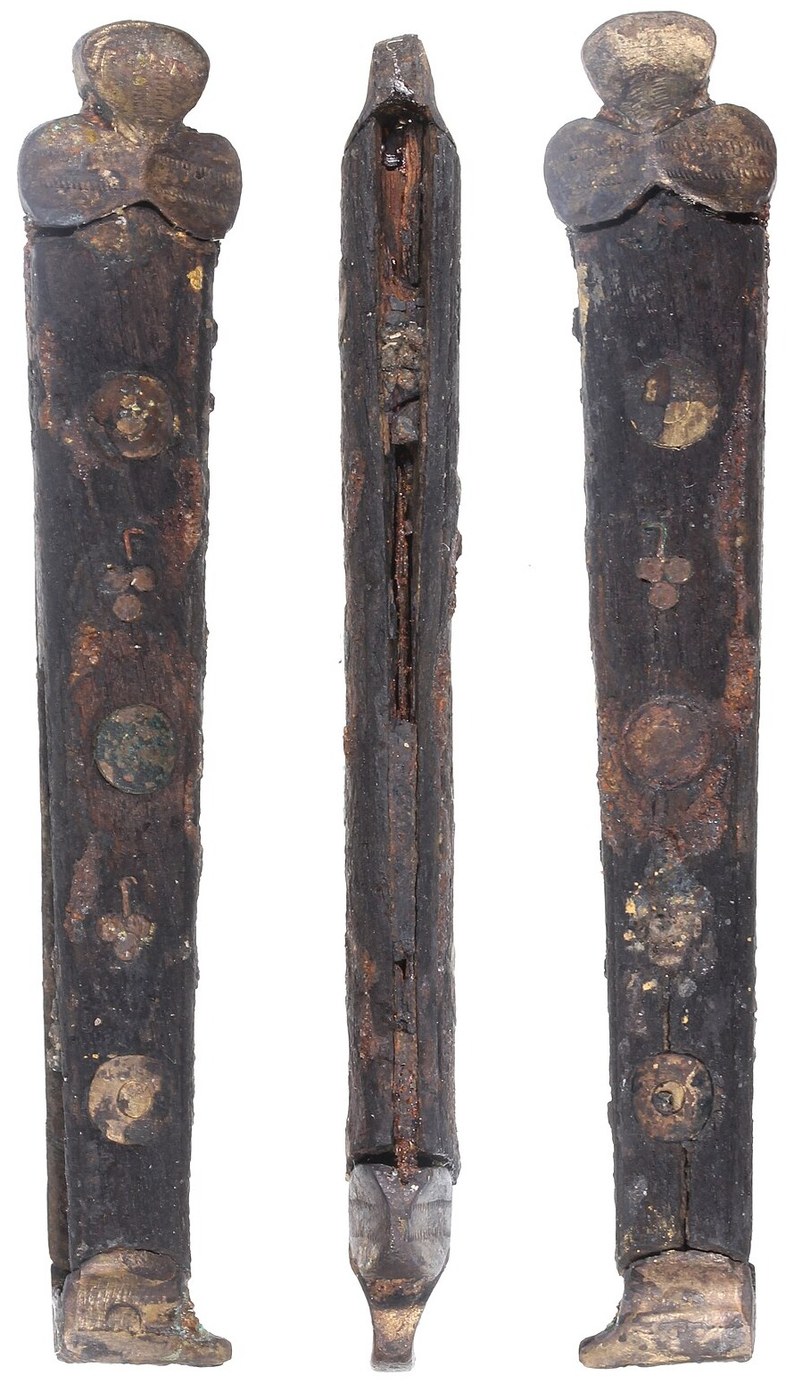


Copper Rivets Headed from Forged Rod
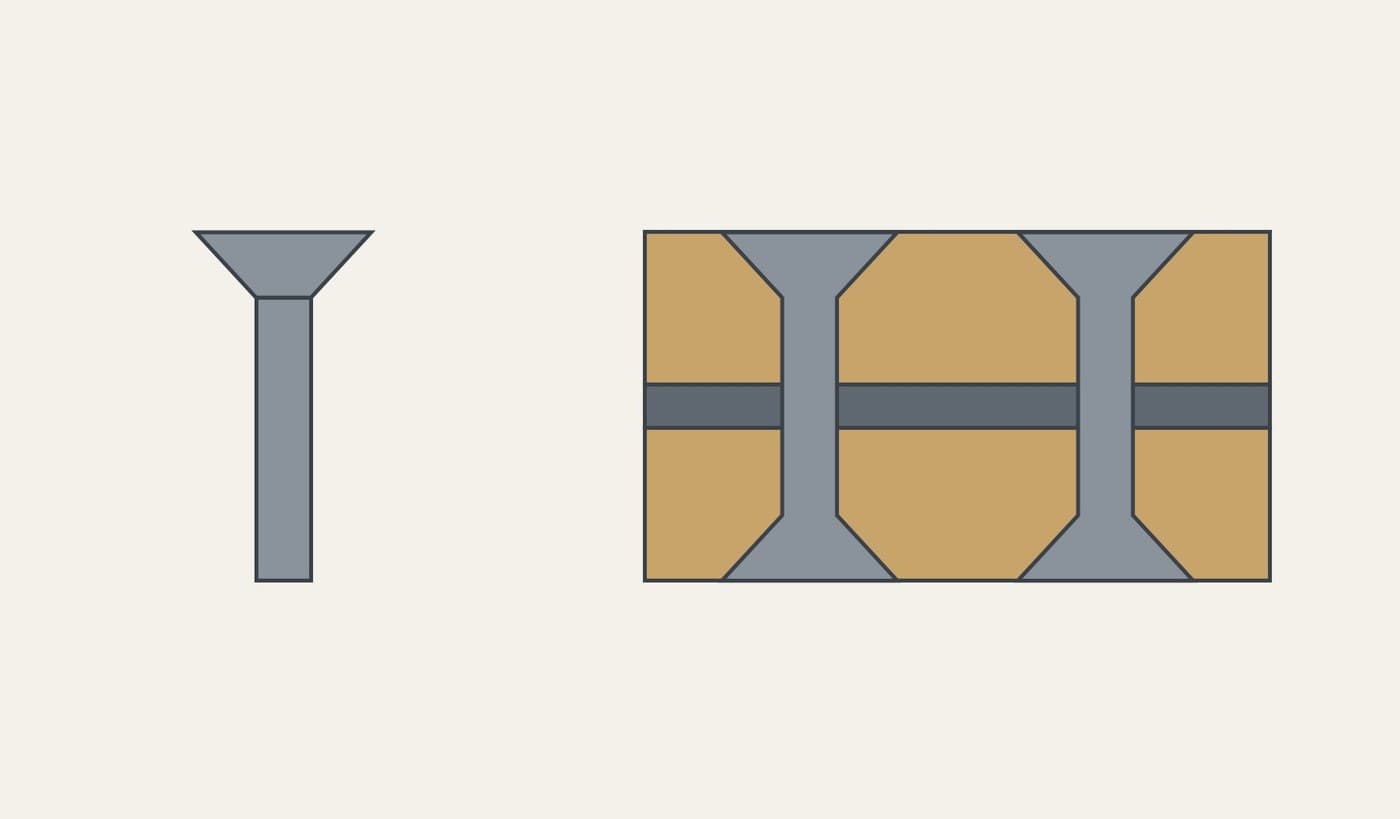
A solid rivet is a shank with a head, set by hammering its tail over. Rivets have been used since the Bronze Age, and copper is one of the usual rivet metals. Cut forged copper rod to length, soften it, and head each piece in a nail header.
The picture: a late medieval wooden knife handle held to its tang by copper-alloy rivets.
འགོ་བཙུགས
An hour or two
ལམ་སྟོན
1
1
Cut the blanks
Cut the blanks
Saw the rod into pieces as long as the thickness to be riveted, plus about one shank diameter for the tail, plus the head allowance from step 5.
གོམ་པ་འདིའི་རྫས་རིགས:
 ཟངས་སྐུད་ཀྱི་ཡུ་བ།0.5 m
ལག་ཆས་དགོས་མཁོ:
 ལྕགས་གཏུབ་སོག་ལེ།
 ལས་ཅོག་གི་འཛིན་ཆས།
2
2
Anneal
Anneal
Heat the blanks to a dull red and quench them in water. Copper stays soft after this.
གོམ་པ་འདིའི་རྫས་རིགས:
 ཆུ།5 ལི་ཊར།
ལག་ཆས་དགོས་མཁོ:
 མགར་བའི་ཐབ་ཁུང་།
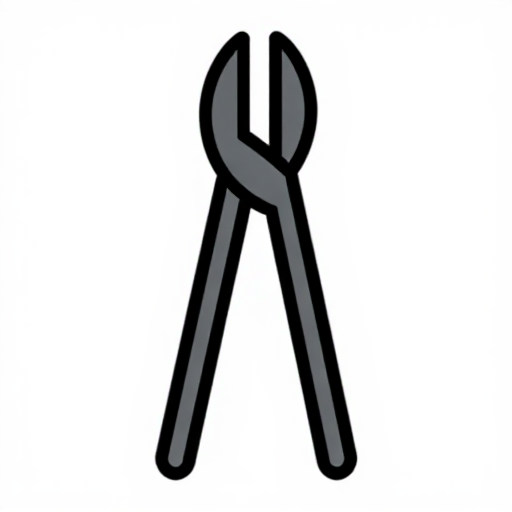 མགར་བའི་ལག་བཟུང་།
 སྲ་བཟོའི་ཆུ་སྣོད།
 ཚག་གི་ལག་ཤུབས།
3
3
Head them
Head them
Drop a blank into a header hole of the shank size, set the header over the anvil's pritchel hole, and hammer the standing end into a round head with the ball peen. Knock it out from below.
ལག་ཆས་དགོས་མཁོ:
 གཟེར་མགུ་བཟོ་ནིའི་ཤོག་ལེབ།
 མགར་བའི་རྡོ་ལེབ།
 མགོ་སྒོར་སྒོར་གྱི་ཐོ་བ།
4
4
Finish
Finish
File burrs off the shanks and square the tail ends. To set one, rest the head in a rivet set and spread the tail with the ball peen.
ལག་ཆས་དགོས་མཁོ:
 ལྕགས་ཀྱི་དར་མ།
 ལྕགས་གཟེར་གྱི་ཚན་ཁགམགོ་སྒོར་སྒོར་གྱི་ཐོ་བ།
5
5
Rod for the head
Rod for the head
Jupyter ཚང་དེབ་མངོན་གསལ་འབད་དོ་…
ལག་ཆས་དགོས་མཁོ
11- ས་ཆ་འཛིན
- ས་ཆ་འཛིན
- ས་ཆ་འཛིན
- ས་ཆ་འཛིན
- ས་ཆ་འཛིན
- ས་ཆ་འཛིན
- ས་ཆ་འཛིན
- ས་ཆ་འཛིན
- ས་ཆ་འཛིན
- ས་ཆ་འཛིན
- ས་ཆ་འཛིན
བིལུ་པིརིན་ཊི་འདི་གིས་བཟོ་མི

འབྲེལ་ཡོད་བིལུ་པིརིན་ཊི
བིལུ་པིརིན་ཊི་འདི་ཚུ་ཐབས་ལམ་དང་རྫས་རིགས། སྤྱི་ཆོས་བགོ་བཤའ་བྱེད

CC0 སྤྱི་དབང
བིལུ་པིརིན་ཊི་འདི་CC0 འོག་བཀྲམས་ཡོད། ཁྱེད་རང་གིས་ཆོག་མཆན་མ་བཞེས་པར་ཕབ་ལེན་དང་བཟོ་བཅོས། བགོ་བཤའ། དགོས་མཁོ་གང་ལའང་བཀོལ་སྤྱོད་བྱས་ཆོག
བཟོ་མཁན་ལ་རྒྱབ་སྐྱོར་བྱེད་པའི་ཆེད་ཁོང་ཚོའི་བིལུ་པིརིན་ཊི་བརྒྱུད་ཐོན་སྐྱེད་ཉོ། བཟོ་མཁན་གྱིས བཟོ་མཁན་གྱི་ཁེ་ཕོགས ཚོང་པས་གཏན་འཁེལ་བྱས་པ། ཡང་ན་བིལུ་པིརིན་ཊི་འདིའི་པར་གསར་བཟོས་ཏེ་ཁྱེད་རང་གི་བིལུ་པིརིན་ཊི་ནང་མཐུད་སྦྲེལ་བྱས་ཏེ་ཡོང་སྒོ་བགོ་བཤའ་བྱེད།