སྒྱུ་རྩལ
མཛེས་སྡུག་དང་བདེ་ཐང
བཟོ་རིག
རིག་གནས་དང་ལོ་རྒྱུས
དགའ་སྟོན
ཁོར་ཡུག
ཟས་དང་བཏུང་རྫས
ཕྱིར་འཕྲུལ་རིག
ཚན་རིག
རྩེད་འགྲན
རིག་རྩལ
གྱོན་རུང
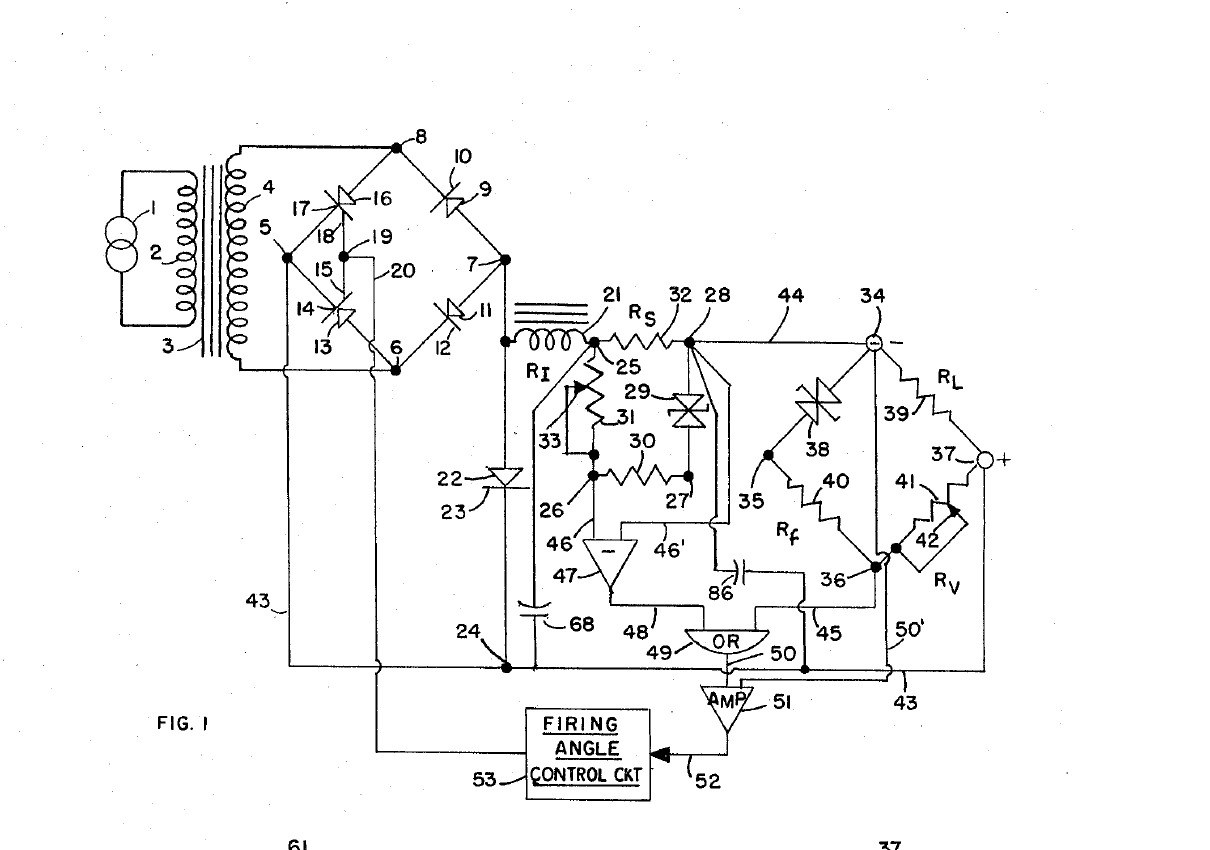


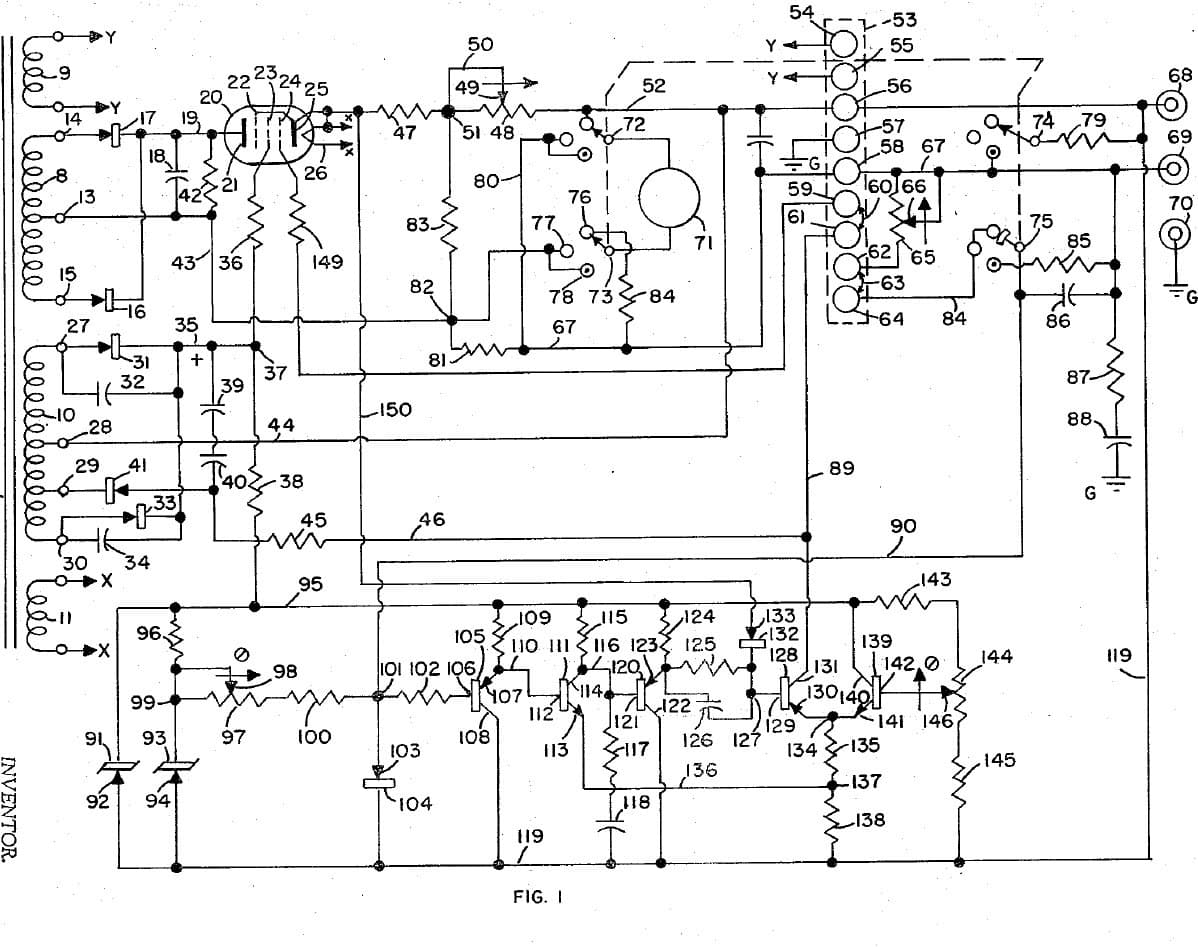
DC Power Supply: SCR-Regulated, Voltage and Current Bridges with Automatic Cross-Over (Kupferberg & Ash, Forbro, US 3,305,763, 1967)
A variable DC supply regulated by controlled rectifiers instead of a series transistor. Two of the four rectifiers in the bridge are silicon controlled rectifiers; how late in each half-cycle they are fired sets the output. A voltage bridge and a current bridge each make an error signal, an analog OR gate passes whichever is larger, and the supply crosses over automatically between holding the voltage and holding the current.
Result: a variable voltage / current regulated DC supply with automatic cross-over.
Source: K. Kupferberg and J. Ash (Forbro Design), US 3,305,763 (1967), Fig. 1. Unknown: component values and the firing-angle circuit. Picture: the patent drawing.
མཐོ་རིམ
Unknown
ལམ་སྟོན
1
1
Build the controlled rectifier bridge
Build the controlled rectifier bridge
In a case, wire the cord through a switch and fuse to a transformer. Feed its secondary into a bridge of two ordinary rectifiers and two silicon controlled rectifiers. Smooth the negative output through a choke and a capacitor, then through a current-sensing resistor (with a second capacitor forming a further filter) to the negative output terminal; the positive goes straight to the positive terminal. Ours: the case, switch and fuse. Not given: the ratings.
གོམ་པ་འདིའི་རྫས་རིགས:
 ཨ་ལུ་མི་ནིཡམ་གྱི་སྒྲོམ།1 དུམ་བུ།
 ཕལག་ཡོད་པའི་ གློག་སྐུད་ལྷབ་ལྷབ།1 དུམ་བུ།
 འཕར་སྒུལ་སྒོ་ལྕགས།1 དུམ་བུ།
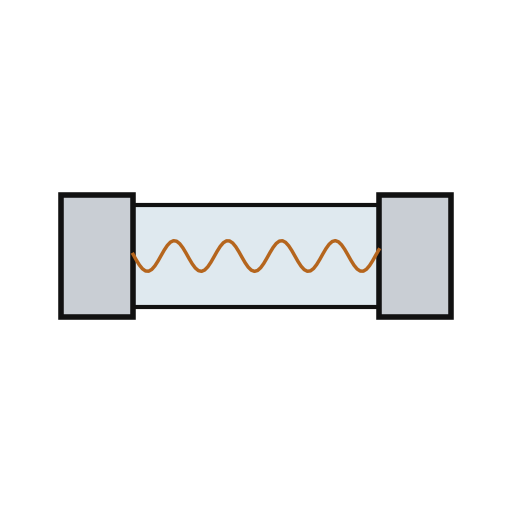 ཞུ་ཐིག།1 དུམ་བུ།
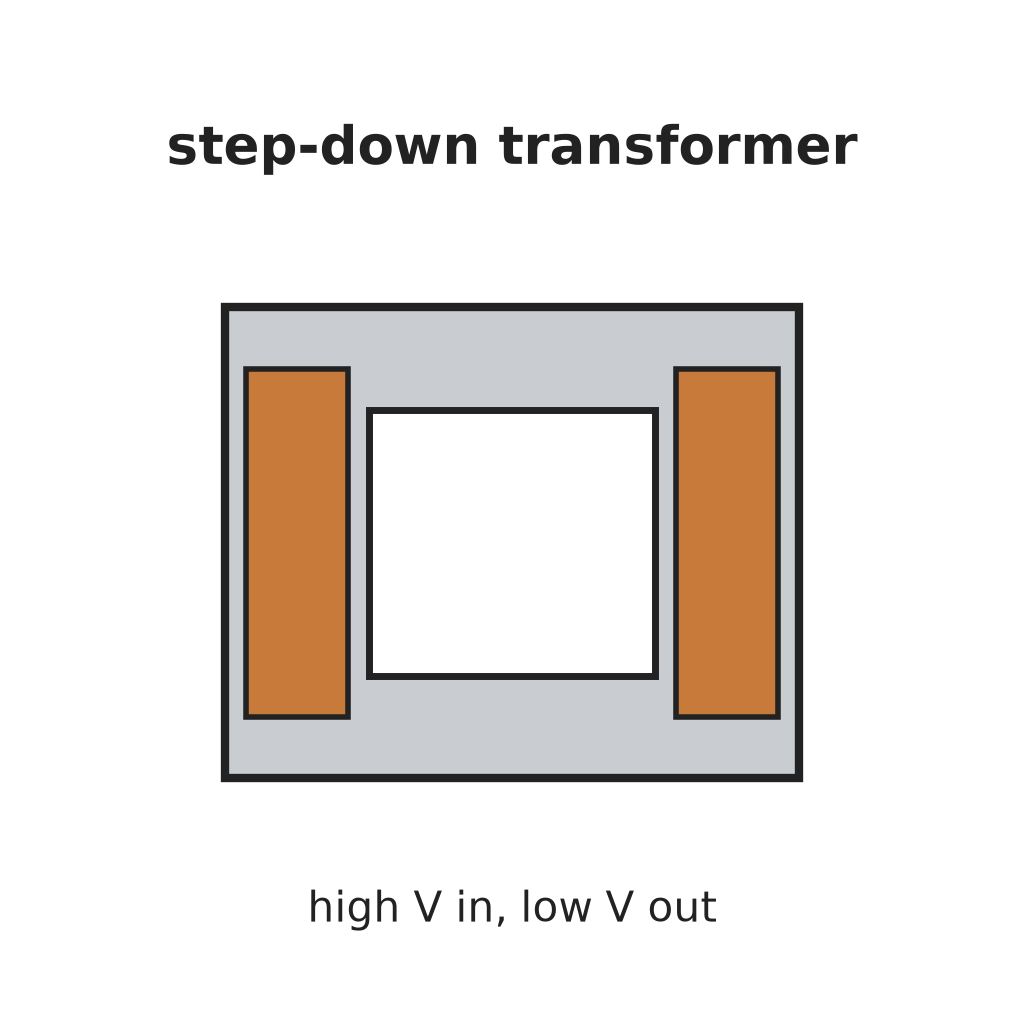 གློག་ཤུགས་འབབ་བཏང་གི་ཊྲཱནས་ཕོར་མར1 དུམ་བུ།
 ཌའི་ཨོཌ།2 དུམ་བུ།
 ཐའི་རིས་ཊར (SCR)2 དུམ་བུ།
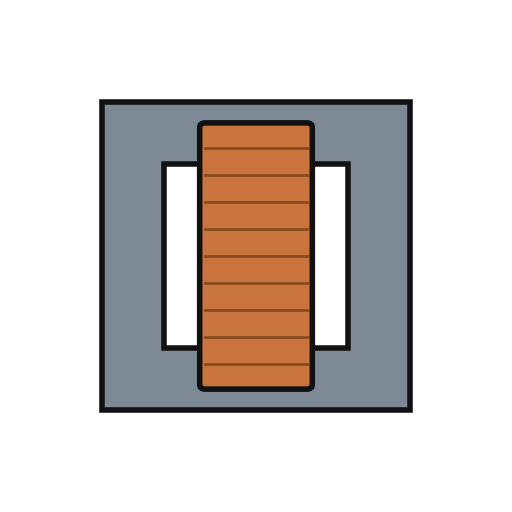 ཚགས་འཛིན་ ཆོཀ།1 དུམ་བུ།
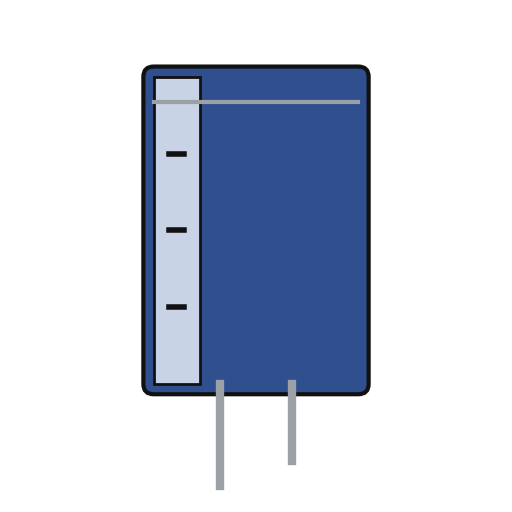 གློག་ཞུན་ ཀེ་པེ་སི་ཊར།2 དུམ་བུ།
 མཐུད་ཀ་བ།2 output + and -
ལག་ཆས་དགོས་མཁོ:
 ལག་འཕྲུལ་ཁུང་བཏོན
 སྒྲོག་བསྐོར་ཆས་ཆ་ཚང་།
2
2
Build the two bridges
Build the two bridges
Current bridge: the sensing resistor, a reference Zener, a fixed resistor and the variable current-control resistor. Voltage bridge: the load across the output, the variable voltage-control resistor, a fixed resistor and a second reference Zener. Feed both Zeners from a small separate supply. Not given: the values, the Zener supply.
གོམ་པ་འདིའི་རྫས་རིགས:
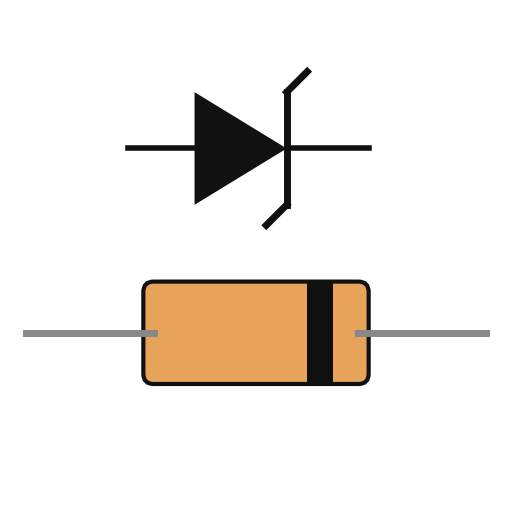 ཛི་ནར་ཌའི་ཡོཌ།2 དུམ་བུ།
 རི་ཡོ་སི་ཊེཊ།2 voltage and current controls
 འགོག་ཤུགས།1 sensing and bridge resistors
ལག་ཆས་དགོས་མཁོ:
 ཞ་བཏབ་ནིའི་ལྕགས།
3
3
Build the control chain and use it
Build the control chain and use it
Invert the current bridge's error in a phase-reversing amplifier and feed it, with the voltage bridge's error, to an analog OR gate that passes the larger. Amplify the result and feed it to a firing-angle control circuit that fires the two controlled rectifiers' gates later or earlier in each half-cycle. In use, set the voltage and the current: for any load larger than the cross-over resistance (voltage setting divided by current setting) the supply holds the voltage, for a smaller one the current. Not given: the amplifier, OR-gate and firing circuits in this form.
གོམ་པ་འདིའི་རྫས་རིགས:
 PCB ལེབ1 དུམ་བུ།
 ཊརཱན་སིསི་ཊར་སྣ་ཚོགས།1 amplifiers
 ངོ་མ་ཤེས་པའི་རྒྱུ་ཆ།1 OR gate and firing-angle circuit
 ཞ་སྦྱར་རྫས་ཀྱི་སྐུད་པ1 as needed
ལག་ཆས་དགོས་མཁོ:
ཞ་བཏབ་ནིའི་ལྕགས།རྫས་རིགས
17- 1 དུམ་བུ།ས་ཆ་འཛིན
- 1 དུམ་བུ།ས་ཆ་འཛིན
- ས་ཆ་འཛིན
- 1 དུམ་བུ།ས་ཆ་འཛིན
- 1 དུམ་བུ།ས་ཆ་འཛིན
- 2 དུམ་བུ།ས་ཆ་འཛིན
- 2 དུམ་བུ།ས་ཆ་འཛིན
- 1 དུམ་བུ།ས་ཆ་འཛིན
- 2 དུམ་བུ།ས་ཆ་འཛིན
- ས་ཆ་འཛིན
- 2 དུམ་བུ།ས་ཆ་འཛིན
- 2 voltage and current controlsས་ཆ་འཛིན
- 1 sensing and bridge resistorsས་ཆ་འཛིན
- 1 དུམ་བུ།ས་ཆ་འཛིན
- 1 amplifiersས་ཆ་འཛིན
- 1 OR gate and firing-angle circuitས་ཆ་འཛིན
- 1 as neededས་ཆ་འཛིན
ལག་ཆས་དགོས་མཁོ
3- ས་ཆ་འཛིན
- ས་ཆ་འཛིན
- 2 vendors sell this, none ship to you yetས་ཆ་འཛིན
བིལུ་པིརིན་ཊི་འདི་གིས་བཟོ་མི

འབྲེལ་ཡོད་བིལུ་པིརིན་ཊི
བིལུ་པིརིན་ཊི་འདི་ཚུ་ཐབས་ལམ་དང་རྫས་རིགས། སྤྱི་ཆོས་བགོ་བཤའ་བྱེད
CC0 སྤྱི་དབང
བིལུ་པིརིན་ཊི་འདི་CC0 འོག་བཀྲམས་ཡོད། ཁྱེད་རང་གིས་ཆོག་མཆན་མ་བཞེས་པར་ཕབ་ལེན་དང་བཟོ་བཅོས། བགོ་བཤའ། དགོས་མཁོ་གང་ལའང་བཀོལ་སྤྱོད་བྱས་ཆོག
བཟོ་མཁན་ལ་རྒྱབ་སྐྱོར་བྱེད་པའི་ཆེད་ཁོང་ཚོའི་བིལུ་པིརིན་ཊི་བརྒྱུད་ཐོན་སྐྱེད་ཉོ། བཟོ་མཁན་གྱིས བཟོ་མཁན་གྱི་ཁེ་ཕོགས ཚོང་པས་གཏན་འཁེལ་བྱས་པ། ཡང་ན་བིལུ་པིརིན་ཊི་འདིའི་པར་གསར་བཟོས་ཏེ་ཁྱེད་རང་གི་བིལུ་པིརིན་ཊི་ནང་མཐུད་སྦྲེལ་བྱས་ཏེ་ཡོང་སྒོ་བགོ་བཤའ་བྱེད།