སྒྱུ་རྩལ
མཛེས་སྡུག་དང་བདེ་ཐང
བཟོ་རིག
རིག་གནས་དང་ལོ་རྒྱུས
དགའ་སྟོན
ཁོར་ཡུག
ཟས་དང་བཏུང་རྫས
ཕྱིར་འཕྲུལ་རིག
ཚན་རིག
རྩེད་འགྲན
རིག་རྩལ
གྱོན་རུང
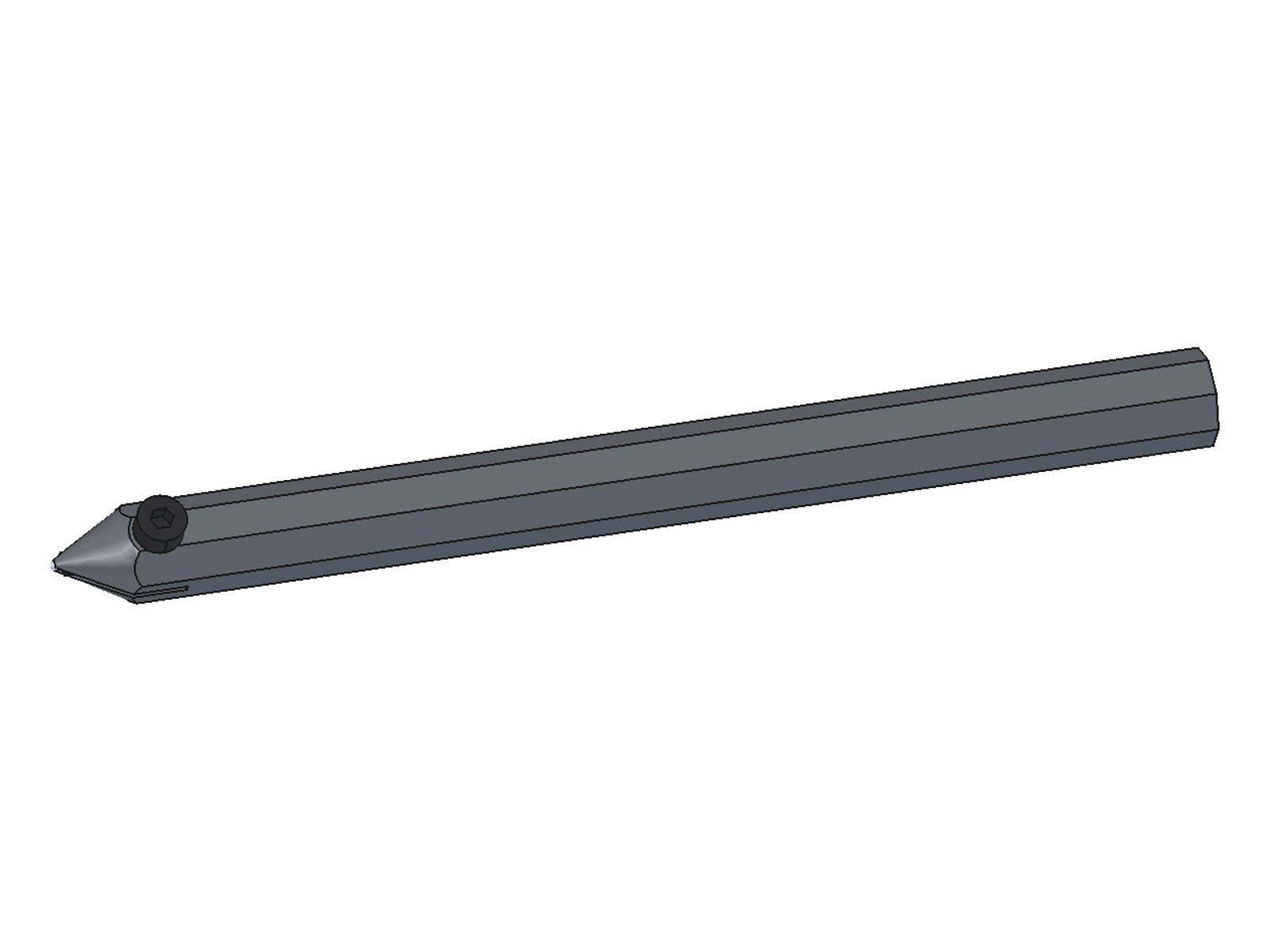


Diamond Scriber: a Diamond Clamped in a Slotted Steel Shank (after Poulain, 1920)
A scriber that marks glass, ceramic, hardened steel and stone: a small diamond held in the slotted tip of a tool steel bar and clamped by one screw. Paul Poulain patented this way of holding a diamond in 1920: the shank split into two jaws, a bolt through one jaw into the other, and a plate behind the stone.
བར་མ
About 2 hours
ལམ་སྟོན
1
1
How a scriber is used
How a scriber is used
Marking lines with a scribe (JewelrySupply). A diamond point does the same on glass and hardened steel.
2
2
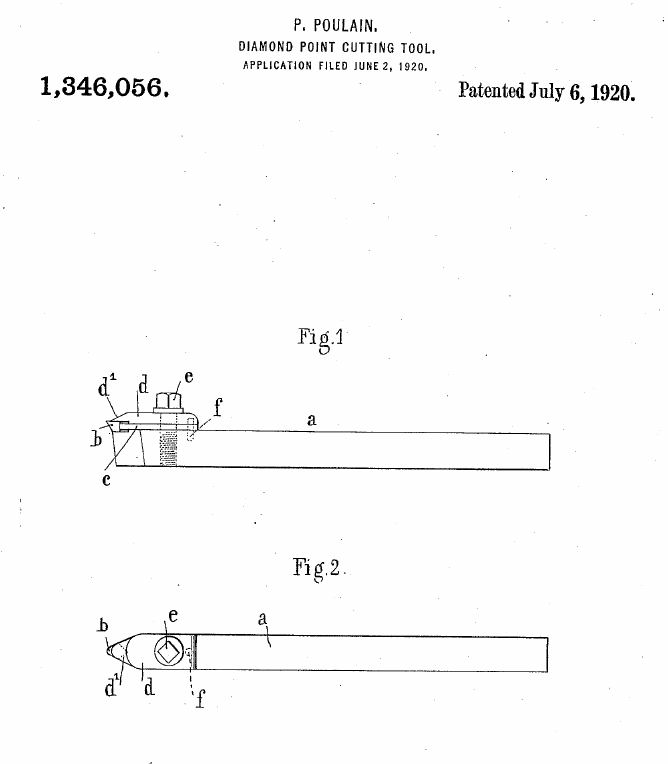
Poulain's diamond holder, 1920
Poulain's diamond holder, 1920
US 1,346,056: the diamond b sits at the bevelled end of a steel shank a, a plate c behind it as an abutment, an upper jaw d pressing on both, clamped by a bolt e. He adds that the shank may instead be slotted, gripping the stone between the two jaws with a bolt through one jaw into the other: that is how this scriber is made.
3
3
Print the drawing
Print the drawing
The scriber at 1:1, side and top views. Print at 100 % and check the 50 x 10 mm box.
4
4
Shape the shank
Shape the shank
Cut 130 mm of 10 mm octagonal tool steel and file one end to a 60 degree point, 8.7 mm long. Leave the steel soft, as supplied.
གོམ་པ་འདིའི་རྫས་རིགས:
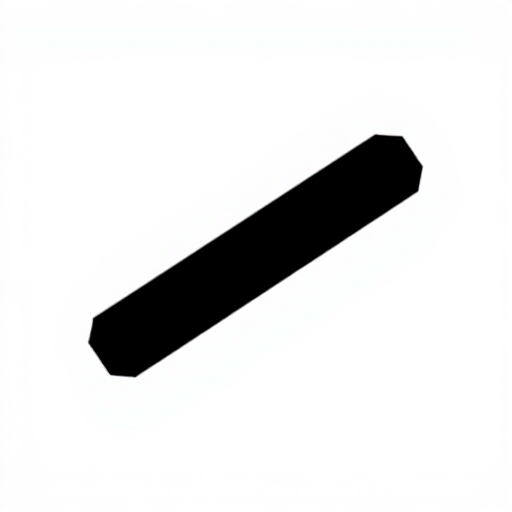 ལག་ཆས་ལྕགས་ཁར་གྱི་ཡུ་བ་ཟུར་བརྒྱད།1 piece (10 mm octagonal, 130 mm)
ལག་ཆས་དགོས་མཁོ:
 ལྕགས་གཏུབ་སོག་ལེ།
 ལྕགས་ཀྱི་དར་མ།
 ལས་ཅོག་གི་འཛིན་ཆས།
 ཨང་རྟགས་ཚད་འཇལ་ཆས་ ཨིནཅི 6
5
5
Slot the tip
Slot the tip
Saw a slot 14 mm deep straight down the axis through the point, about 0.8 mm wide (one hacksaw cut). File the slot faces clean; the two halves are the jaws.
ལག་ཆས་དགོས་མཁོ:
ལྕགས་གཏུབ་སོག་ལེ།ལྕགས་ཀྱི་དར་མ།ལས་ཅོག་གི་འཛིན་ཆས།6
6
Drill and tap the jaws
Drill and tap the jaws
Punch a mark on a flat, 11 mm from the tip, across the slot. Drill 2.5 mm through both jaws; open the near jaw to 3.2 mm and tap the far jaw M3.
ལག་ཆས་དགོས་མཁོ:
 དབུས་ཀྱི་རྟགས་ཆས།
 ཕུག་མགོའི་ཚོགས་ཆས།
 སྐུད་རིས་གཏུབ་ཆས་ཆ་ཚང་།ལས་ཅོག་གི་འཛིན་ཆས།
7
7
Set the diamond
Set the diamond
Cut a strip of brass sheet to fill the slot behind the stone (the abutment). Under a lens, seat the stone at the apex of the slot with its sharpest corner out by about half a millimetre, slide the brass in behind it and tighten the M3 x 10 screw.
གོམ་པ་འདིའི་རྫས་རིགས:
 Industrial Diamond1 piece (about 1 mm)
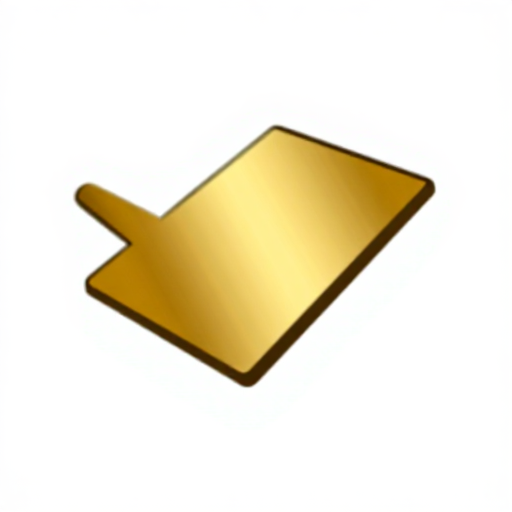 རག་གི་ལེབ་ཤོག1 piece (strip, 0.5 mm x 3 x 12 mm)
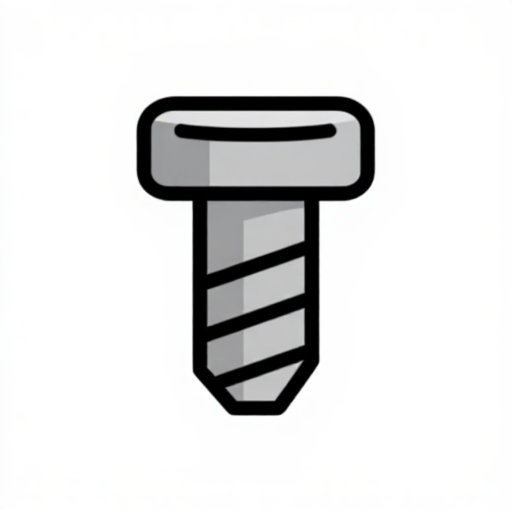 སོ་ཀེཊ་མགོ་ཡོད་པའི་སྒྲོག་གཟེར།1 piece (M3 x 10)
ལག་ཆས་དགོས་མཁོ:
 ལག་གི་ཆེ་བཟོ་ཤེལ་ 10x
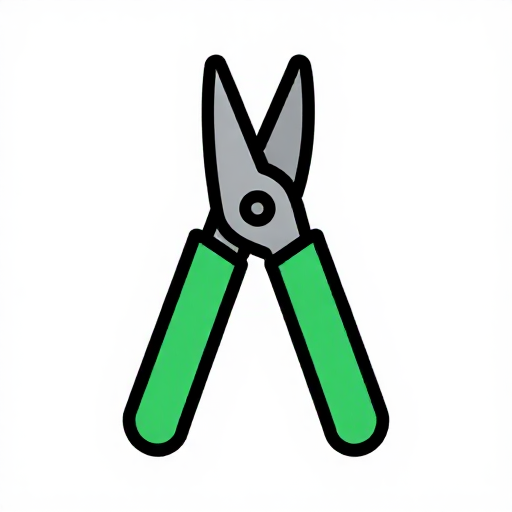 ལྕགས་ལེབ་གཏུབ་ནིའི་ཇེམ་ཙི།
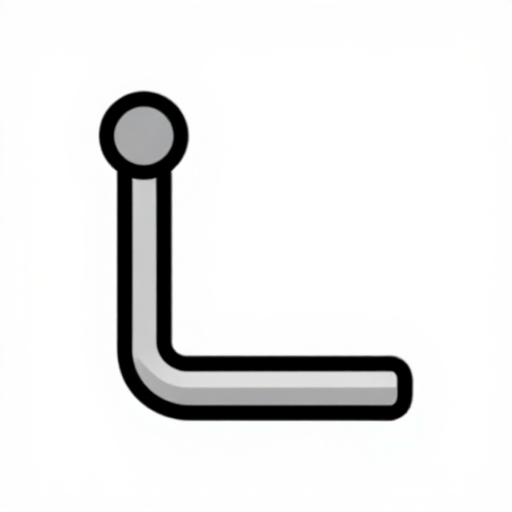 ཟུར་དྲུག་ལྡེ་མིག་ཆ་ཚན།
8
8
Troubleshooting
Troubleshooting
Scriber problems and fixes.
Flow
Loading...
9
9
History and honest limits
History and honest limits
Paul Poulain, Paris: US 1,346,056, "Diamond-Point Cutting-Tool", filed 2 June 1920, granted 6 July 1920, a lathe tool for cutting steel, bronze, fibre, ebonite, paper and rubber. Ours: the hand scriber made from his slotted-shank variant, and every size. Not made by us yet.
རྫས་རིགས
4- 1 piece (10 mm octagonal, 130 mm)ས་ཆ་འཛིན
- 1 piece (about 1 mm)ས་ཆ་འཛིན
- 1 piece (strip, 0.5 mm x 3 x 12 mm)ས་ཆ་འཛིན
- 1 piece (M3 x 10)ས་ཆ་འཛིན
ལག་ཆས་དགོས་མཁོ
10- ས་ཆ་འཛིན
- ས་ཆ་འཛིན
- ས་ཆ་འཛིན
- ས་ཆ་འཛིན
- ས་ཆ་འཛིན
- ས་ཆ་འཛིན
- ས་ཆ་འཛིན
- ས་ཆ་འཛིན
- ས་ཆ་འཛིན
- ས་ཆ་འཛིན
བཟོ་བཀོད་ཡིག་སྣོད།
1མཐུད་སྦྲེལ་བིལུ་པིརིན་ཊི་རྫས་རིགས
བིལུ་པིརིན་ཊི་འདི་གིས་བཟོ་མི

CC0 སྤྱི་དབང
བིལུ་པིརིན་ཊི་འདི་CC0 འོག་བཀྲམས་ཡོད། ཁྱེད་རང་གིས་ཆོག་མཆན་མ་བཞེས་པར་ཕབ་ལེན་དང་བཟོ་བཅོས། བགོ་བཤའ། དགོས་མཁོ་གང་ལའང་བཀོལ་སྤྱོད་བྱས་ཆོག
བཟོ་མཁན་ལ་རྒྱབ་སྐྱོར་བྱེད་པའི་ཆེད་ཁོང་ཚོའི་བིལུ་པིརིན་ཊི་བརྒྱུད་ཐོན་སྐྱེད་ཉོ། བཟོ་མཁན་གྱིས བཟོ་མཁན་གྱི་ཁེ་ཕོགས ཚོང་པས་གཏན་འཁེལ་བྱས་པ། ཡང་ན་བིལུ་པིརིན་ཊི་འདིའི་པར་གསར་བཟོས་ཏེ་ཁྱེད་རང་གི་བིལུ་པིརིན་ཊི་ནང་མཐུད་སྦྲེལ་བྱས་ཏེ་ཡོང་སྒོ་བགོ་བཤའ་བྱེད།