སྒྱུ་རྩལ
མཛེས་སྡུག་དང་བདེ་ཐང
བཟོ་རིག
རིག་གནས་དང་ལོ་རྒྱུས
དགའ་སྟོན
ཁོར་ཡུག
ཟས་དང་བཏུང་རྫས
ཕྱིར་འཕྲུལ་རིག
ཚན་རིག
རྩེད་འགྲན
རིག་རྩལ
གྱོན་རུང
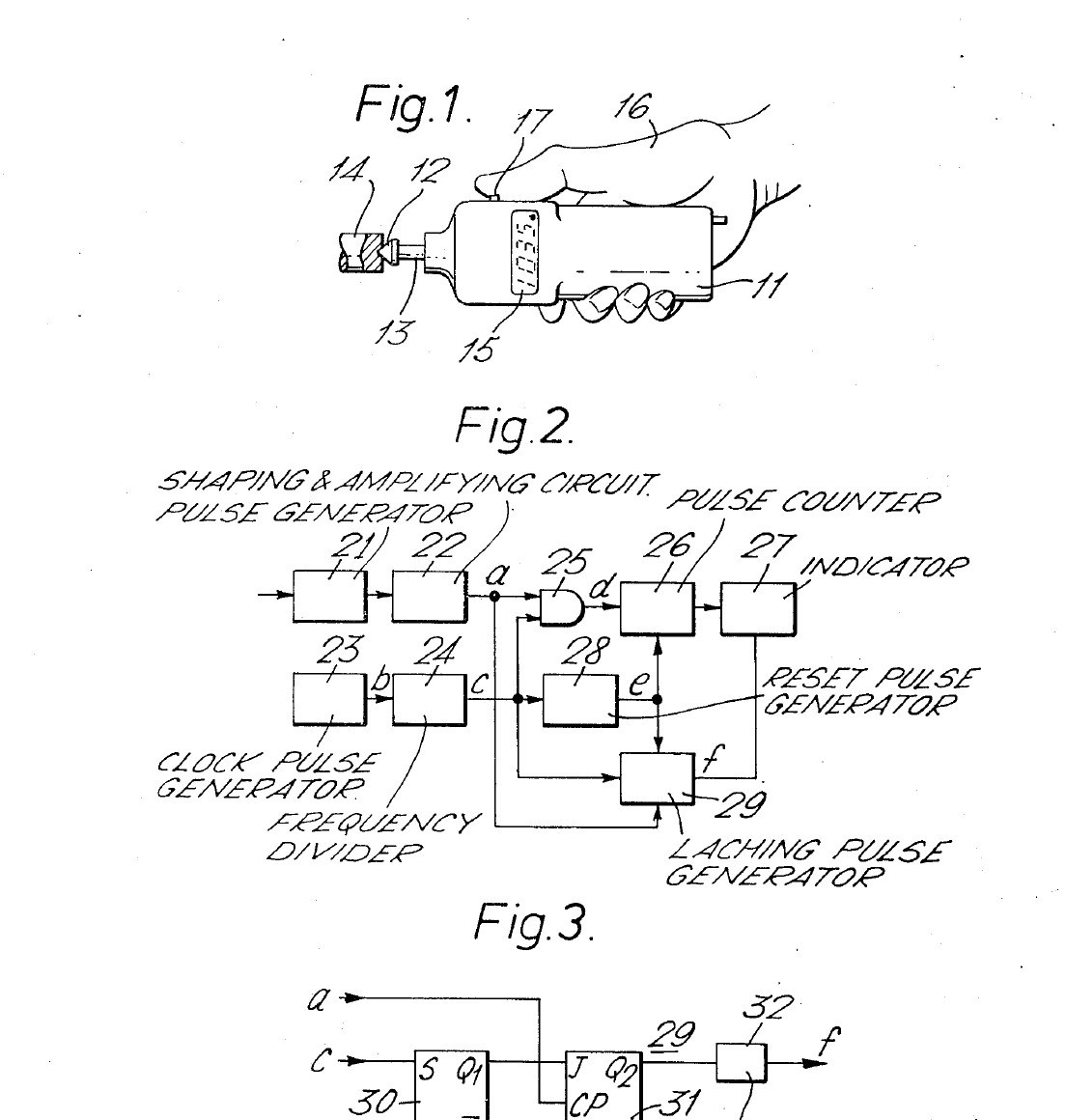


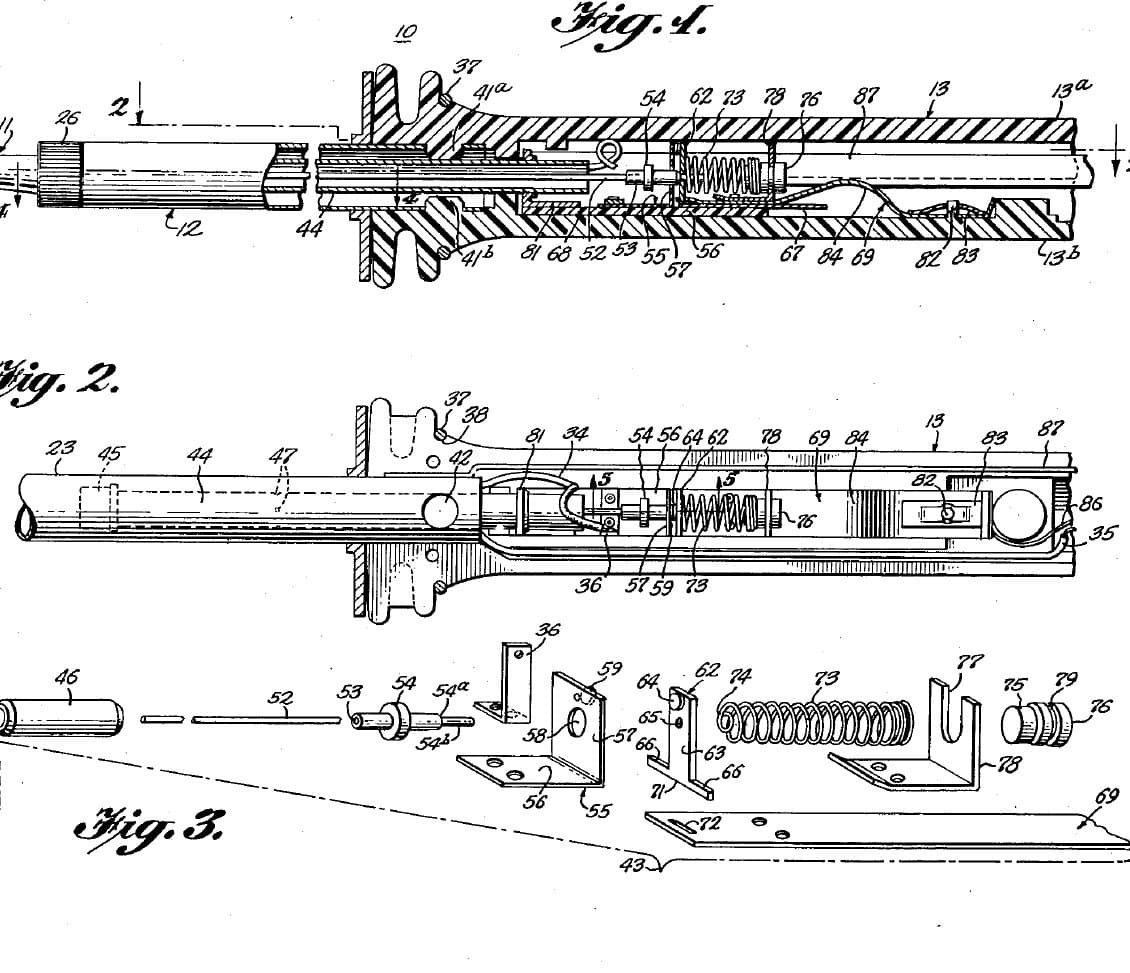
Digital Tachometer: Hand-Held Contact Type That Holds Its Reading (Sugiyama, Shimpo, US 4,000,465, 1976)
A hand-held digital tachometer. You press the contact head on its shaft against the end of a turning shaft and push the thumb button; a slotted disk inside chops a light beam into pulses, and the pulses counted in a fixed time, set by a quartz clock, appear in the window as the speed. A latch holds the reading after you take the tachometer away, so you can read it even where you could not see the window while measuring.
Result: a contact tachometer that shows revolutions per unit time and keeps the last reading.
Source: Y. Sugiyama (Shimpo Kogyo), US 4,000,465 (1976). Unknown: the number of holes, the clock, the gate time and the circuit details. Picture: the patent drawing.
མཐོ་རིམ
Unknown
ལམ་སྟོན
1
1
Make the housing and measuring shaft
Make the housing and measuring shaft
Make a cylindrical housing to hold in one hand, with a window in its side for the reading and a push button for the power switch where the thumb falls. Run a measuring shaft out of the front end in bearings and fit a contact head on its tip to press against the shaft being measured. Not given: materials, sizes. Ours: aluminium tube, a ball bearing.
གོམ་པ་འདིའི་རྫས་རིགས:
 ཨེ་ལུ་མི་ནིཡམ་གྱི་དོང་ཆུ།1 housing
 མ་ཤེས་པའི་ལྕགས་རིགས།1 measuring shaft
 རིལ་བུའི་འཁོར་གདན།1 དུམ་བུ།
 ངོ་མ་ཤེས་པའི་རྒྱུ་ཆ།1 contact head
ལག་ཆས་དགོས་མཁོ:
 ལྕགས་ཀྱི་འཁྲུལ་འཁོར།
 ལག་འཕྲུལ་ཁུང་བཏོན
 མ་ཤེས་པའི་ཚད།
2
2
Make the pulse generator
Make the pulse generator
Fix a disk on the measuring shaft with a ring of small holes evenly spaced near its edge. Put a light source on one side of the disk and a photodetector on the other: each hole passing makes one pulse. Shape and amplify the pulses. Not given: the number of holes. Ours: an LED and a photodiode.
གོམ་པ་འདིའི་རྫས་རིགས:
ངོ་མ་ཤེས་པའི་རྒྱུ་ཆ།1 slotted disk LED སྣ་ཚོགས།1 light source
 འོད་ཀྱི་ཌའི་ཡོཌ (BPW34)1 photodetector
 འགོག་ཤུགས།1 ཚན་པ།
ལག་ཆས་དགོས་མཁོ:
ལག་འཕྲུལ་ཁུང་བཏོན3
3
Build the counting circuit
Build the counting circuit
Divide a quartz oscillator's clock down to gate pulses one unit of time long. Pass the measurement pulses through an AND gate during each gate pulse into a counter. At the start of each gate pulse a reset pulse clears the counter. After the gate pulse ends, the first measurement pulse that arrives triggers a latch pulse that loads the new count into the display. If the head has been taken off the shaft, no pulse arrives, no latch pulse is made, and the display keeps the last reading until the next measurement or until the power is switched off. Not given: the clock frequency and gate time. Ours: logic ICs and a seven-segment display.
གོམ་པ་འདིའི་རྫས་རིགས:
 PCB ལེབ1 དུམ་བུ།
 ཀྭརཙ་ ཤེལ་རྡོ།1 དུམ་བུ།
 ལོ་ཇིཀ་ IC སྣ་འདྲེས་ཆ་ཚང་།1 divider, AND gate, counter, latch, reset
 ཆ་བདུན་སྟོན་ཆས་ཀྱི་སྐྱོད་ཆས1 དུམ་བུ།
 ཨང་ཡིག་བཞི་ཅན་ཆ་བདུན་སྟོན་ཆས1 དུམ་བུ།
 ཞ་སྦྱར་རྫས་ཀྱི་སྐུད་པ1 as needed
ལག་ཆས་དགོས་མཁོ:
 ཞ་བཏབ་ནིའི་ལྕགས།
4
4
Power it and measure
Power it and measure
Fit the battery and the thumb button as the power switch. Press the contact head against the end of the turning shaft so it turns with it, push the button, and read the revolutions in the window, now or after you take the tachometer away.
གོམ་པ་འདིའི་རྫས་རིགས:
 གློག་སྨན་1 དུམ་བུ།
 གནོན་ཐེབས།1 དུམ་བུ།
ལག་ཆས་དགོས་མཁོ:
ཞ་བཏབ་ནིའི་ལྕགས།རྫས་རིགས
15- 1 housingས་ཆ་འཛིན
- 1 measuring shaftས་ཆ་འཛིན
- ས་ཆ་འཛིན
- 1 slotted diskས་ཆ་འཛིན
- 1 light sourceས་ཆ་འཛིན
- 1 photodetectorས་ཆ་འཛིན
- 1 ཚན་པ།ས་ཆ་འཛིན
- 1 དུམ་བུ།ས་ཆ་འཛིན
- 1 དུམ་བུ།ས་ཆ་འཛིན
- 1 divider, AND gate, counter, latch, resetས་ཆ་འཛིན
- 1 དུམ་བུ།ས་ཆ་འཛིན
- 1 དུམ་བུ།ས་ཆ་འཛིན
- 1 as neededས་ཆ་འཛིན
- 1 དུམ་བུ།ས་ཆ་འཛིན
- ས་ཆ་འཛིན
ལག་ཆས་དགོས་མཁོ
4- ས་ཆ་འཛིན
- ས་ཆ་འཛིན
- ས་ཆ་འཛིན
- 2 vendors sell this, none ship to you yetས་ཆ་འཛིན
མཐུད་སྦྲེལ་བིལུ་པིརིན་ཊི་རྫས་རིགས
བིལུ་པིརིན་ཊི་འདི་གིས་བཟོ་མི
CC0 སྤྱི་དབང
བིལུ་པིརིན་ཊི་འདི་CC0 འོག་བཀྲམས་ཡོད། ཁྱེད་རང་གིས་ཆོག་མཆན་མ་བཞེས་པར་ཕབ་ལེན་དང་བཟོ་བཅོས། བགོ་བཤའ། དགོས་མཁོ་གང་ལའང་བཀོལ་སྤྱོད་བྱས་ཆོག
བཟོ་མཁན་ལ་རྒྱབ་སྐྱོར་བྱེད་པའི་ཆེད་ཁོང་ཚོའི་བིལུ་པིརིན་ཊི་བརྒྱུད་ཐོན་སྐྱེད་ཉོ། བཟོ་མཁན་གྱིས བཟོ་མཁན་གྱི་ཁེ་ཕོགས ཚོང་པས་གཏན་འཁེལ་བྱས་པ། ཡང་ན་བིལུ་པིརིན་ཊི་འདིའི་པར་གསར་བཟོས་ཏེ་ཁྱེད་རང་གི་བིལུ་པིརིན་ཊི་ནང་མཐུད་སྦྲེལ་བྱས་ཏེ་ཡོང་སྒོ་བགོ་བཤའ་བྱེད།