སྒྱུ་རྩལ
མཛེས་སྡུག་དང་བདེ་ཐང
བཟོ་རིག
རིག་གནས་དང་ལོ་རྒྱུས
དགའ་སྟོན
ཁོར་ཡུག
ཟས་དང་བཏུང་རྫས
ཕྱིར་འཕྲུལ་རིག
ཚན་རིག
རྩེད་འགྲན
རིག་རྩལ
གྱོན་རུང
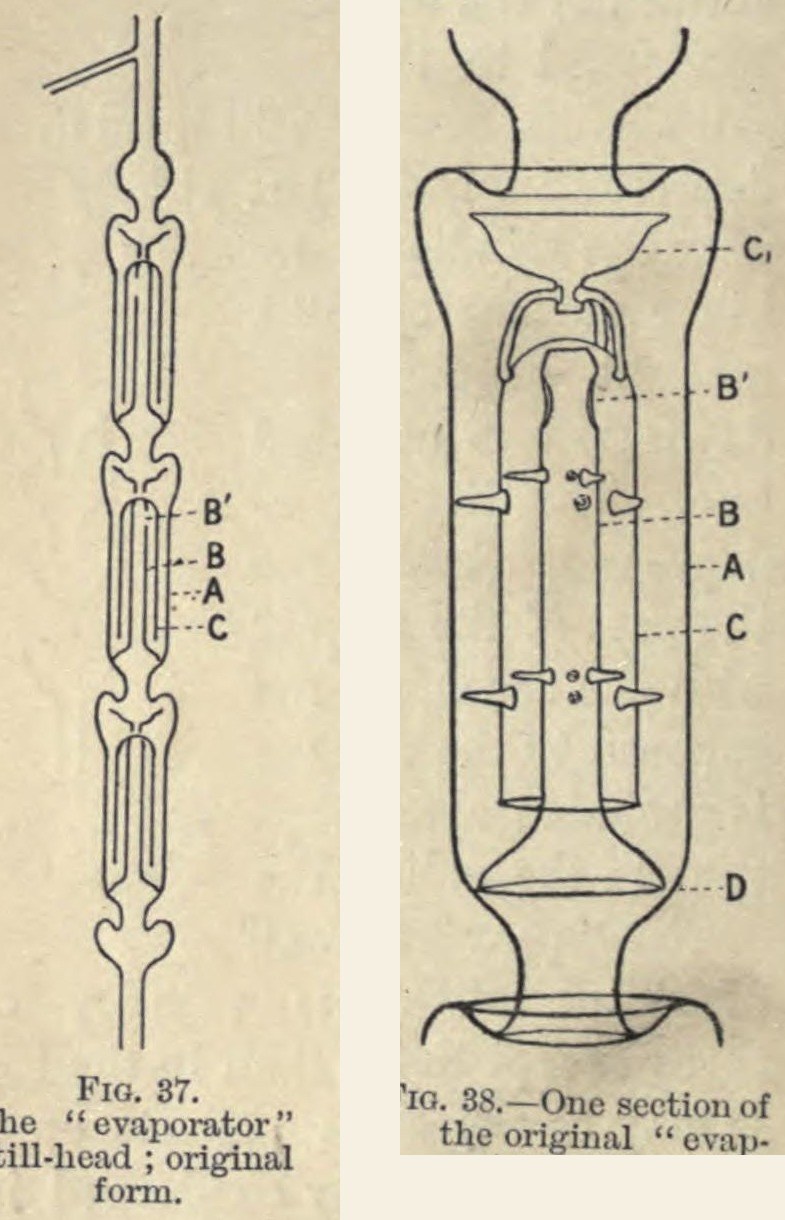


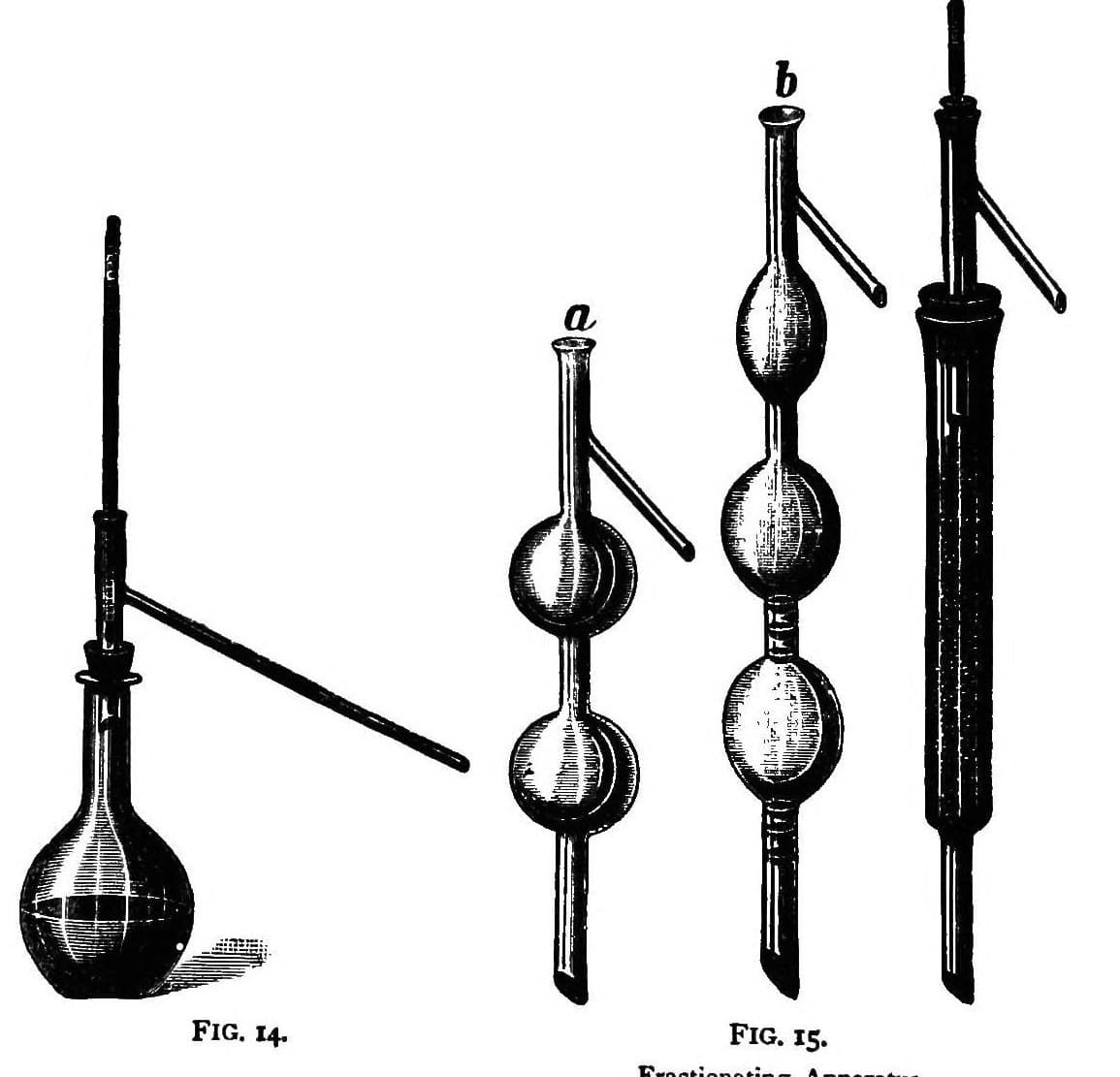
Distillation Column Assembly: Flask, "Evaporator" Still-Head, Liebig Condenser and Receivers (Young, 1903)
A complete fractional distillation set: a globular flask, Young and Thomas's 'evaporator' still-head built of stacked glass sections, a Liebig condenser and a row of receivers. In each section the rising vapour is forced through the liquid running back down, so the mixture separates better at each step.
Result: a fractionating apparatus for separating liquids by boiling point, the fractions caught in receivers changed at set temperatures.
Source: S. Young, Fractional Distillation (1903), pp. 4-7, 115-116, 166-168. Picture: Figs. 37 and 38 of the book.
མཐོ་རིམ
Unknown
ལམ་སྟོན
1
1
Choose the still
Choose the still
Use a globular flask, since a flat-bottomed one may crack over a naked flame, no larger than the amount of liquid needs. Fit it with a cork for the still-head. Ours: a round-bottom flask.
གོམ་པ་འདིའི་རྫས་རིགས:
 མཐིལ་ཟླུམ་པོའི་ཤེལ་དམ།1 still
 ཤིང་ཤུན་གྱི་ཁ་རྒྱབ།1 still cork
ལག་ཆས་དགོས་མཁོ:
 བུན་སེན་གྱི་མེ་ཐབ།
2
2
Blow the evaporator still-head
Blow the evaporator still-head
Build the still-head of sections joined end to end. Each outer tube is 22 to 24 mm inside and about 10 to 10.5 cm long, constricted at the bottom. In it stands a thin inner tube, 7.5 to 8 mm inside and 60 mm long, open at both ends, with two large holes near its top. Its lower end widens into a funnel resting on the constriction, with three or four tiny glass beads fused to the rim so it does not fit too tightly. Over it stands an intermediate tube about 14 mm inside and 50 mm long, like a small inverted test tube. A small funnel, slightly wider than the dip in the outer tube above, sits on top of it on three glass legs. Small glass projections centre the tubes. Make the head long enough that the thermometer's bulb and stem both sit in the vapour, with a side delivery tube at the top.
གོམ་པ་འདིའི་རྫས་རིགས:
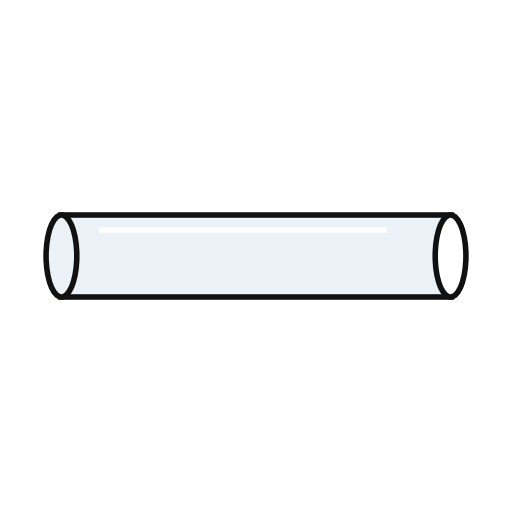 ཤེལ་གྱི་དོང་པོ།1 sections, inner and intermediate tubes, delivery tube
ལག་ཆས་དགོས་མཁོ:
 ལས་སྟེགས་ཀྱི་ཤེལ་འབུད་མེ་ཁ།
3
3
Fit the condenser
Fit the condenser
Use a Liebig condenser, about 7 or 8 mm inside for the inner tube and 15 mm for the outer, cooled by running water. Pass the delivery tube through a cork into it. Draw out the joint where the wide inlet meets the narrow tube so no pool of liquid lies there. Bend the narrow tube so the condenser can stand upright. Above about 170 °C use a long tube cooled by air instead of water.
གོམ་པ་འདིའི་རྫས་རིགས:
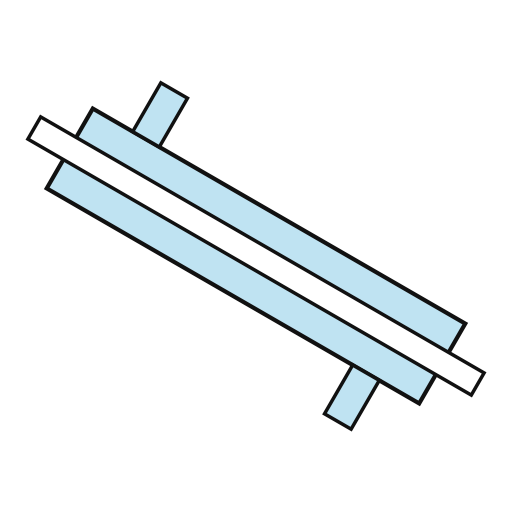 ཆུ་གིས་ གྲང་བཟོ་བའི་ ཁུ་སྐྱོར་འཕྲུལ་ཆས།1 condenserཤིང་ཤུན་གྱི་ཁ་རྒྱབ།1 condenser cork
ལག་ཆས་དགོས་མཁོ:
ལས་སྟེགས་ཀྱི་ཤེལ་འབུད་མེ་ཁ། བསིལ་བཏང་ནིའི་ཆུ
4
4
Set the heat and the receivers
Set the heat and the receivers
Heat with a Bunsen burner, its top about 2 mm below the flask so the small flame touches the glass, shielded from draughts. Add a few pieces of porous porcelain (a broken clay pipe will do) or pumice if the liquid bumps. Set a thermometer in the still-head and a row of small flasks as receivers.
གོམ་པ་འདིའི་རྫས་རིགས:
 ཚ་ཚད་འཇལ་ཆས།1 still-head thermometer
 བསྡུ་ཤེལ་སྣོད།10 receivers
ལག་ཆས་དགོས་མཁོ:
བུན་སེན་གྱི་མེ་ཐབ། ངོ་མ་ཤེས་པའི་རྒྱུ་ཆ།
5
5
Distil in fractions
Distil in fractions
Read the barometer and correct the set temperatures for it. Distil steadily. In each section, condensed liquid seals the narrow passage, so the vapour rises up the inner tube, down between the tubes and up again, while liquid drips from section to section back to the still. Collect the distillate in fractions, changing the receiver each time the temperature reaches one of the values fixed beforehand.
ལག་ཆས་དགོས་མཁོ:
 དངུལ་ཆུའི་རླུང་གནོན་འཇལ་ཆསབུན་སེན་གྱི་མེ་ཐབ།བསིལ་བཏང་ནིའི་ཆུ
རྫས་རིགས
6- 1 stillས་ཆ་འཛིན
- 1 condenser corkས་ཆ་འཛིན
- 1 sections, inner and intermediate tubes, delivery tubeས་ཆ་འཛིན
- 1 condenserས་ཆ་འཛིན
- 1 still-head thermometerས་ཆ་འཛིན
- 10 receiversས་ཆ་འཛིན
ལག་ཆས་དགོས་མཁོ
5- ས་ཆ་འཛིན
- ས་ཆ་འཛིན
- ས་ཆ་འཛིན
- ས་ཆ་འཛིན
- ས་ཆ་འཛིན
མཐུད་སྦྲེལ་བིལུ་པིརིན་ཊི་རྫས་རིགས

བིལུ་པིརིན་ཊི་འདི་གིས་བཟོ་མི

འབྲེལ་ཡོད་བིལུ་པིརིན་ཊི
བིལུ་པིརིན་ཊི་འདི་ཚུ་ཐབས་ལམ་དང་རྫས་རིགས། སྤྱི་ཆོས་བགོ་བཤའ་བྱེད
CC0 སྤྱི་དབང
བིལུ་པིརིན་ཊི་འདི་CC0 འོག་བཀྲམས་ཡོད། ཁྱེད་རང་གིས་ཆོག་མཆན་མ་བཞེས་པར་ཕབ་ལེན་དང་བཟོ་བཅོས། བགོ་བཤའ། དགོས་མཁོ་གང་ལའང་བཀོལ་སྤྱོད་བྱས་ཆོག
བཟོ་མཁན་ལ་རྒྱབ་སྐྱོར་བྱེད་པའི་ཆེད་ཁོང་ཚོའི་བིལུ་པིརིན་ཊི་བརྒྱུད་ཐོན་སྐྱེད་ཉོ། བཟོ་མཁན་གྱིས བཟོ་མཁན་གྱི་ཁེ་ཕོགས ཚོང་པས་གཏན་འཁེལ་བྱས་པ། ཡང་ན་བིལུ་པིརིན་ཊི་འདིའི་པར་གསར་བཟོས་ཏེ་ཁྱེད་རང་གི་བིལུ་པིརིན་ཊི་ནང་མཐུད་སྦྲེལ་བྱས་ཏེ་ཡོང་སྒོ་བགོ་བཤའ་བྱེད།