སྒྱུ་རྩལ
མཛེས་སྡུག་དང་བདེ་ཐང
བཟོ་རིག
རིག་གནས་དང་ལོ་རྒྱུས
དགའ་སྟོན
ཁོར་ཡུག
ཟས་དང་བཏུང་རྫས
ཕྱིར་འཕྲུལ་རིག
ཚན་རིག
རྩེད་འགྲན
རིག་རྩལ
གྱོན་རུང
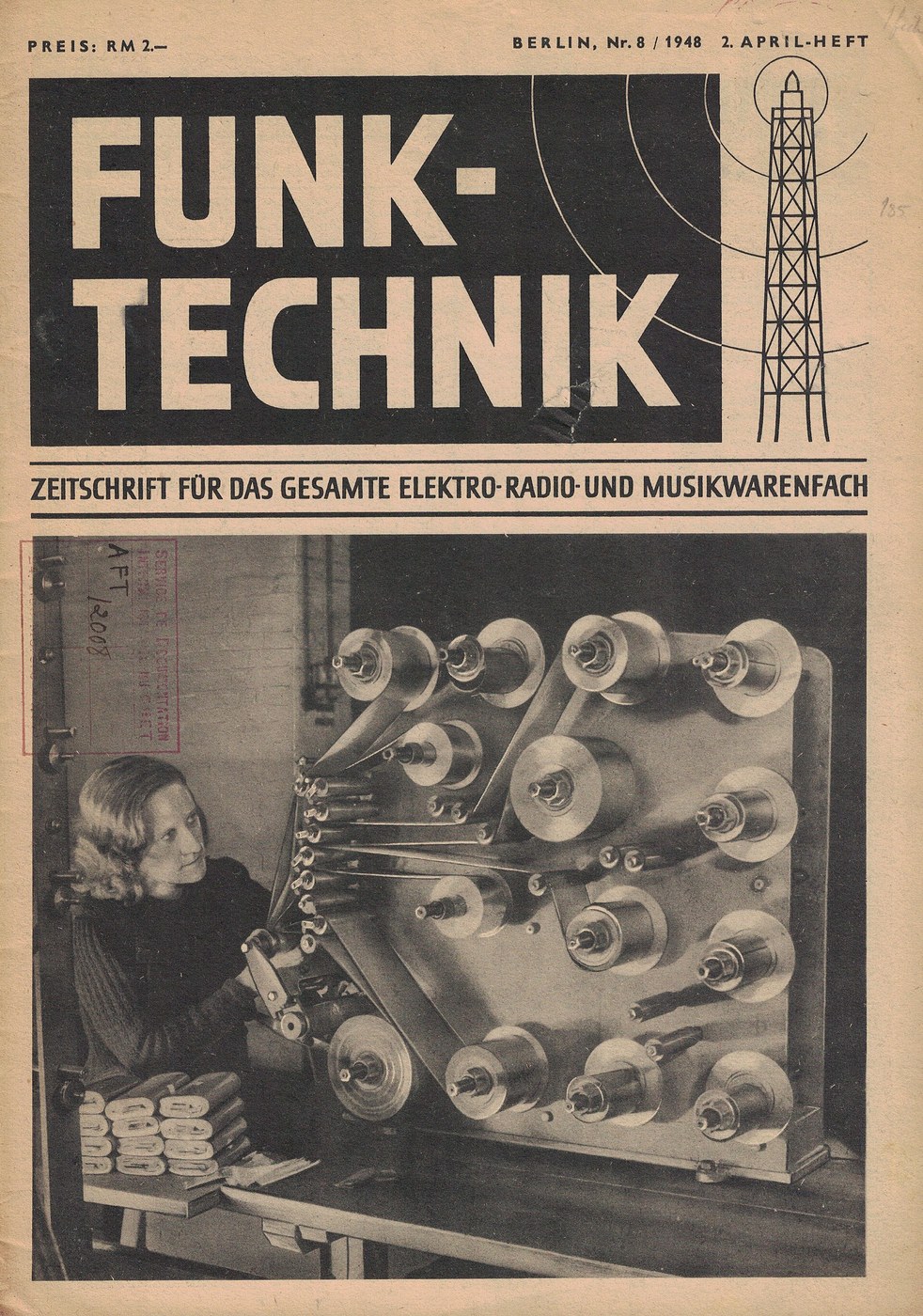


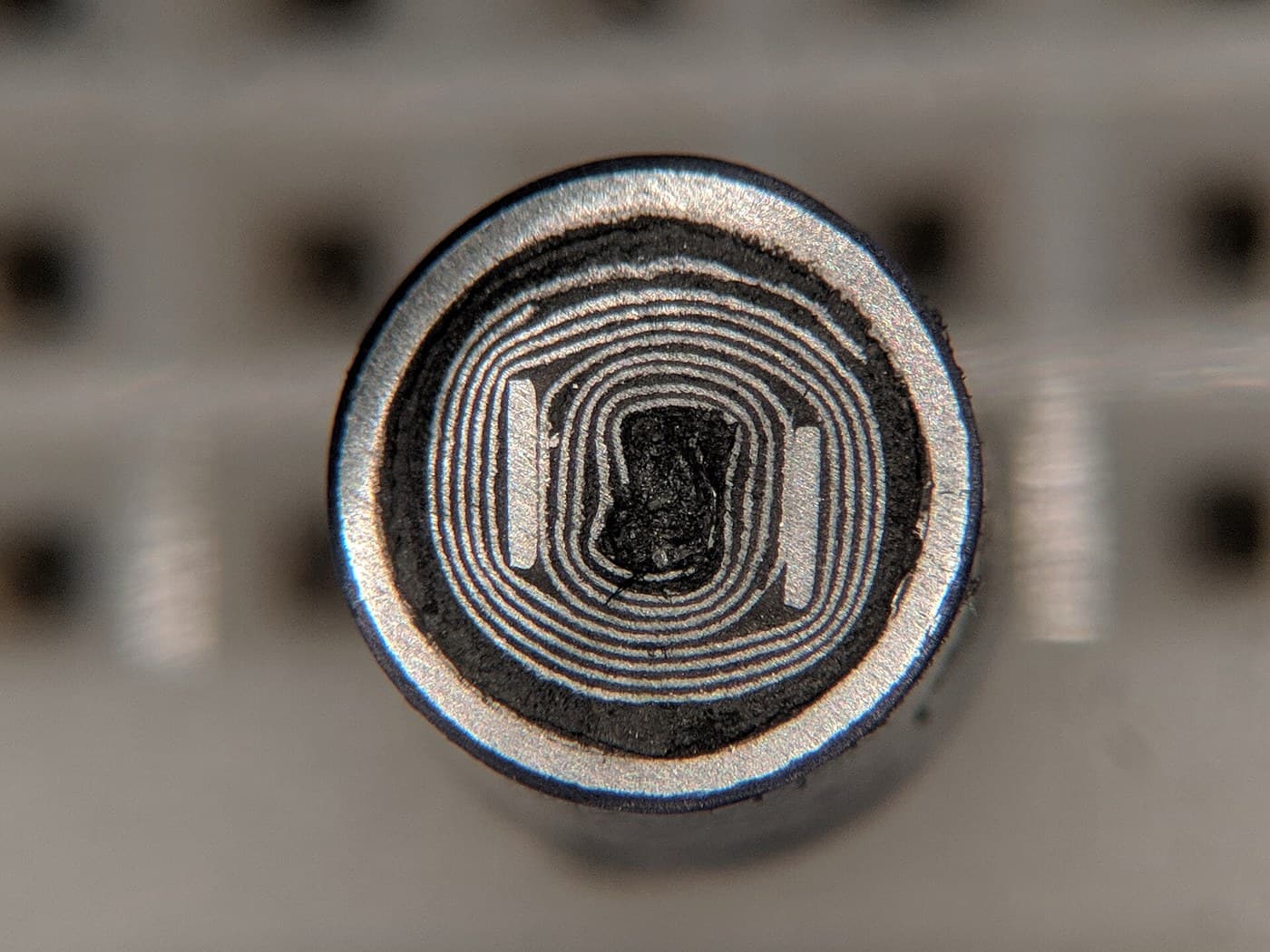
Electrolytic Capacitors: Borate Paper Wound with Formed Aluminium Foil and Vacuum-Impregnated (Danziger, US 2,107,780)
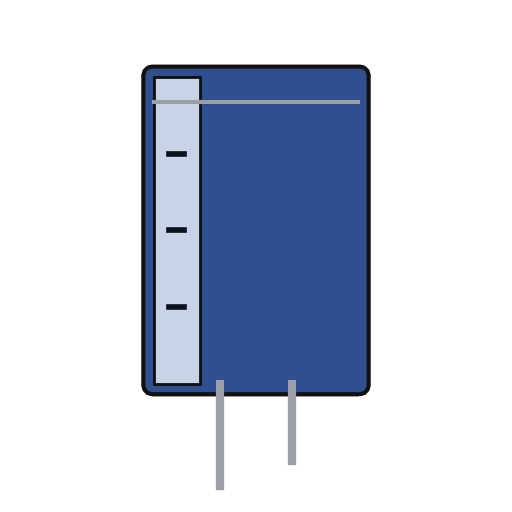
A dry electrolytic capacitor wound from aluminium foil and paper. The paper is first soaked in ammonium borate and dried, so the salt is already in its fibres. After winding, the bodies are soaked under heat and vacuum in borate dissolved in glycol, boxed and aged at 500 volts.
Result: electrolytic capacitors. In the patent's tests these lost only 4.8 % of their capacity, against about 33 % for bodies made the ordinary way, and their power-factor loss rose 87 % on life test against 250 %.
Source: H. I. Danziger and A. Di Giacomo, US 2,107,780 (1938). Unknown: how the anode foil is formed, which paper, the tab metal, and how the ammonium borate is made; the patent does not give them. Picture: Wikimedia Commons.
མཐོ་རིམ
1 day
ལམ་སྟོན
1
1
Salt the paper
Salt the paper
Draw the paper strip through a saturated solution of ammonium borate in water, about 15 to 30 seconds for each part of it, then dry it at about 80 °C for about 15 seconds and reel it up. The salted paper keeps until needed. Unknown: which paper. Ours: a tray for the bath and a drying oven.
གོམ་པ་འདིའི་རྫས་རིགས:
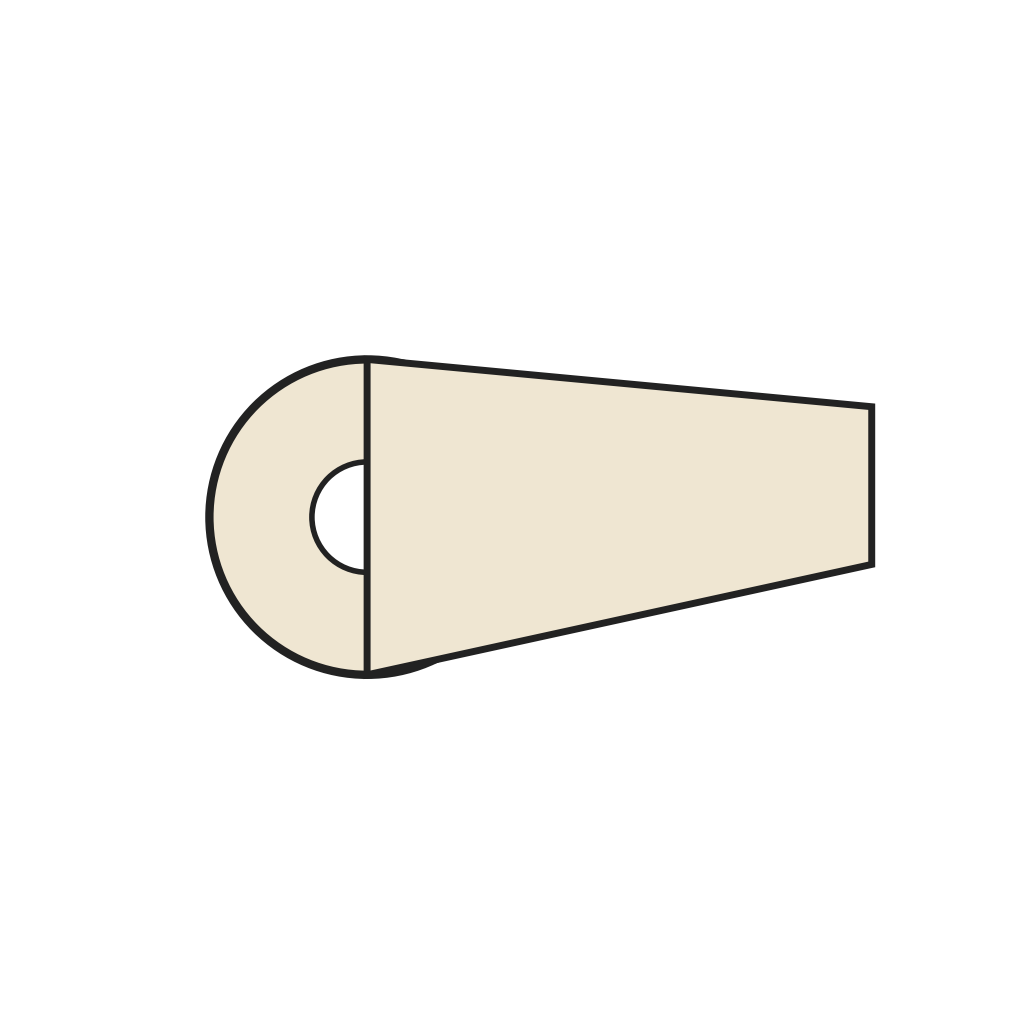 གློག་གསོག་ཆས་ཀྱི་བར་འཛུད་ཤོག་བུ།1 strip
 ཨེ་མོ་ནི་ཡམ་ བོ་རེཊ།1 to saturate
ལག་ཆས་དགོས་མཁོ:
 ཆུ།
 སྡེར་མ
 སྐམ་ནིའི་ཐབ
2
2
Wind the bodies
Wind the bodies
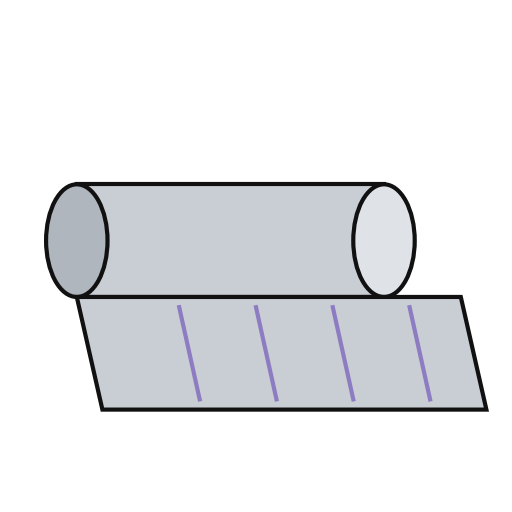
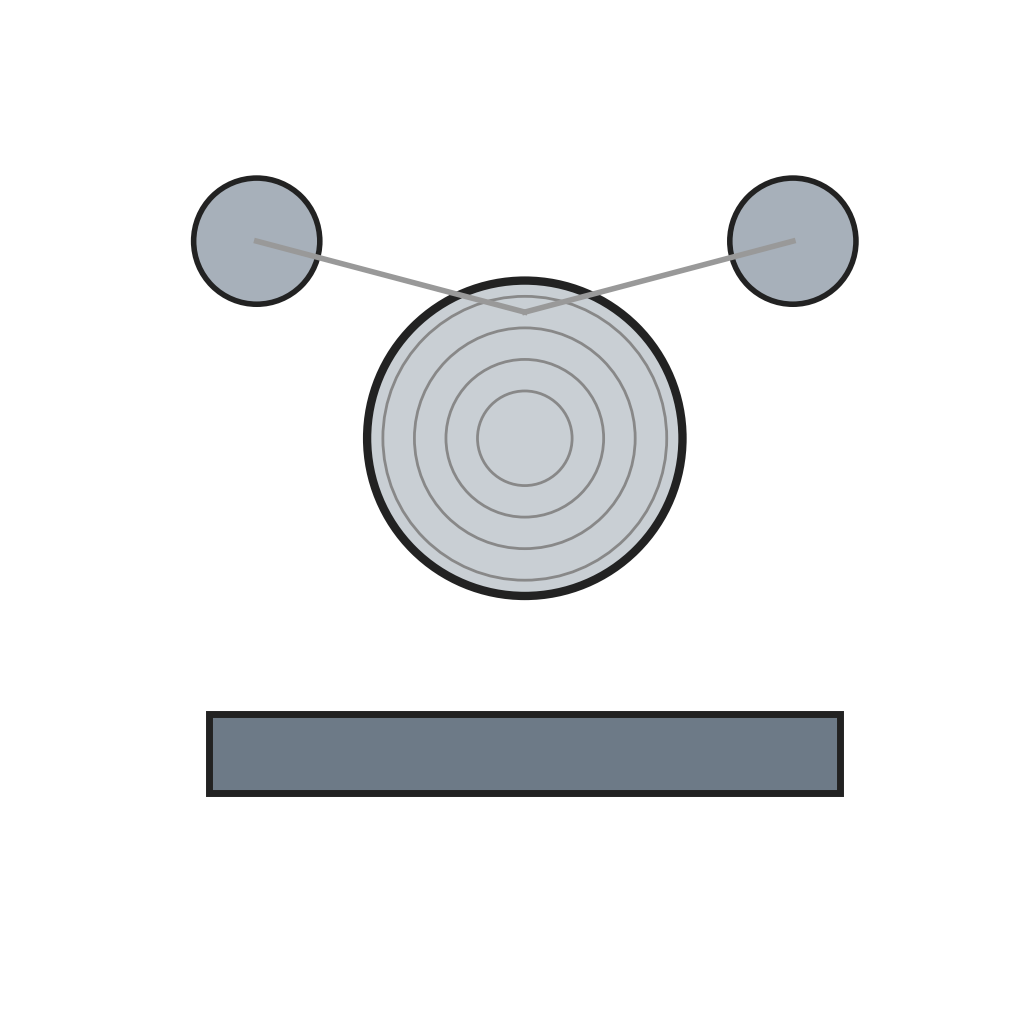
On a winding machine, wind two aluminium foil strips with the salted paper between them onto a mandrel; at least one foil must already carry its electrolytic film. One paper strip is enough. Let the paper stand out at both ends, bring a connection tab out of each end, cut the strips and hold the body wound with a rubber band. Unknown: how the foil was formed, and the tab metal.
གོམ་པ་འདིའི་རྫས་རིགས:
 བཟོ་བཀོད་ཅན་གྱི་ ཨེལ་མི་ནི་ཡམ་ ལྕགས་ཤོག1 strip
 ཨེ་ལུ་མི་ནིཡམ་གྱི་ཤོག་ལེབ།1 strip
 མ་ཤེས་པའི་ལྕགས་རིགས།2 tabs
ལག་ཆས་དགོས་མཁོ:
 གློག་གསོག་ཆས་དཀྲིས་འཕྲུལ།
 ལ་སྟིག་གི་སྐུད་ཁྱིམ།
3
3
Make the impregnant
Make the impregnant
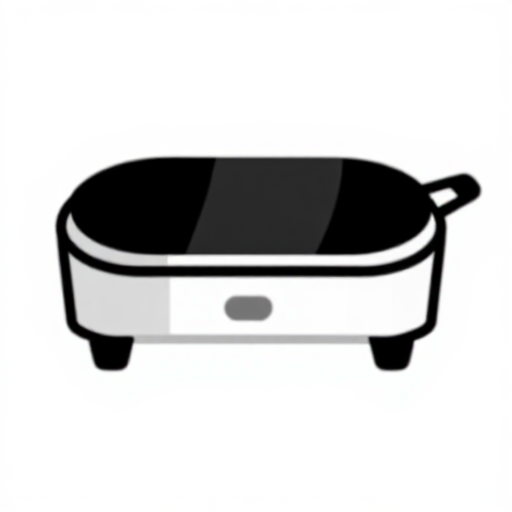
Heat ethylene glycol to about 90 °C, then stir in powdered ammonium borate slowly and continuously until the solution reaches about 122 °C. Ours: a hot plate and thermometer.
གོམ་པ་འདིའི་རྫས་རིགས:
 ཨེ་ཐི་ལིན་གི་ལའི་ཀོལ།1 as requiredཨེ་མོ་ནི་ཡམ་ བོ་རེཊ།1 as required
ལག་ཆས་དགོས་མཁོ:
 ཚ་བཟོའི་ལེབ།
 ཚ་ཚད་འཇལ་ཆས།
4
4
Soak under heat and vacuum
Soak under heat and vacuum
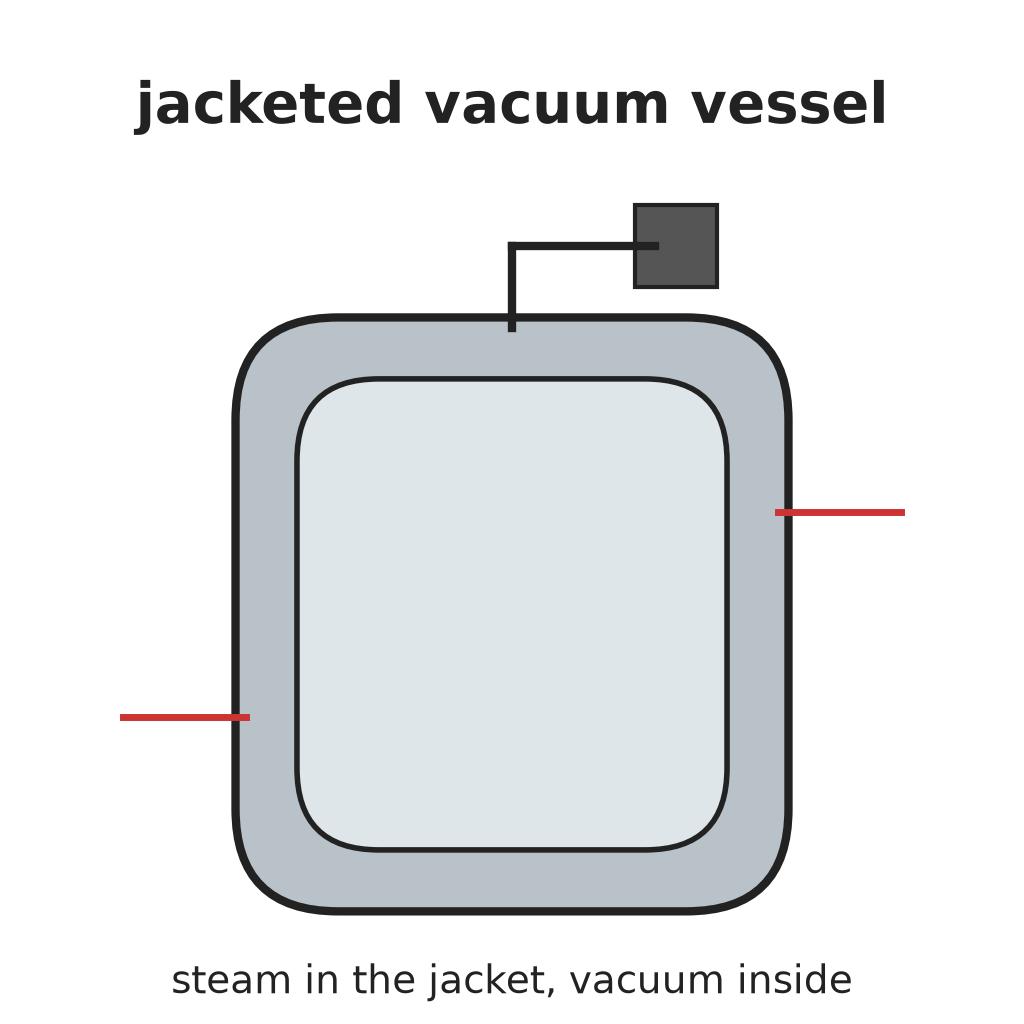
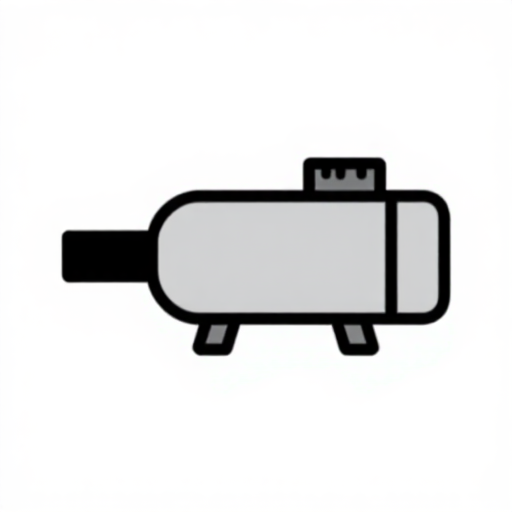
Rack the bodies in a vacuum tank heated to about 50 °C and draw about 745 mm of vacuum for about an hour to pull out air and moisture. Draw in the impregnant at about 85 °C, ease the vacuum to about 310 mm, and hold at about 85 °C for about another hour.
ལག་ཆས་དགོས་མཁོ:
 རླངས་པའི་ཁེབས་ཅན་གྱི་བེག་ཀུམ་སྣོད
 རླུང་འཐེན་འཕྲུལ་ཆས།ཚ་ཚད་འཇལ་ཆས།
5
5
Box and age
Box and age
Take the bodies out, put them in cardboard containers, and age them at about 500 volts DC for about three hours.
གོམ་པ་འདིའི་རྫས་རིགས:
 ཤོག་སྒྲོམ་གྱི་སྦུག་མ།1 per capacitor
ལག་ཆས་དགོས་མཁོ:
 གློག་ཤུགས་མཐོ་བའི་ཕྱོགས་གཅིག་གློག་འབྱུང་ཁུངས (ཕྱོགས་ཙི་གུ)
རྫས་རིགས
7- ས་ཆ་འཛིན
- 1 as requiredས་ཆ་འཛིན
- ས་ཆ་འཛིན
- 1 stripས་ཆ་འཛིན
- 2 tabsས་ཆ་འཛིན
- 1 as requiredས་ཆ་འཛིན
- 1 per capacitorས་ཆ་འཛིན
ལག་ཆས་དགོས་མཁོ
10- ས་ཆ་འཛིན
- ས་ཆ་འཛིན
- ས་ཆ་འཛིན
- ས་ཆ་འཛིན
- ས་ཆ་འཛིན
- ས་ཆ་འཛིན
- ས་ཆ་འཛིན
- 1 vendor sell this, none ship to you yetས་ཆ་འཛིན
བིལུ་པིརིན་ཊི་འདི་གིས་བཟོ་མི
འབྲེལ་ཡོད་བིལུ་པིརིན་ཊི
བིལུ་པིརིན་ཊི་འདི་ཚུ་ཐབས་ལམ་དང་རྫས་རིགས། སྤྱི་ཆོས་བགོ་བཤའ་བྱེད
CC0 སྤྱི་དབང
བིལུ་པིརིན་ཊི་འདི་CC0 འོག་བཀྲམས་ཡོད། ཁྱེད་རང་གིས་ཆོག་མཆན་མ་བཞེས་པར་ཕབ་ལེན་དང་བཟོ་བཅོས། བགོ་བཤའ། དགོས་མཁོ་གང་ལའང་བཀོལ་སྤྱོད་བྱས་ཆོག
བཟོ་མཁན་ལ་རྒྱབ་སྐྱོར་བྱེད་པའི་ཆེད་ཁོང་ཚོའི་བིལུ་པིརིན་ཊི་བརྒྱུད་ཐོན་སྐྱེད་ཉོ། བཟོ་མཁན་གྱིས བཟོ་མཁན་གྱི་ཁེ་ཕོགས ཚོང་པས་གཏན་འཁེལ་བྱས་པ། ཡང་ན་བིལུ་པིརིན་ཊི་འདིའི་པར་གསར་བཟོས་ཏེ་ཁྱེད་རང་གི་བིལུ་པིརིན་ཊི་ནང་མཐུད་སྦྲེལ་བྱས་ཏེ་ཡོང་སྒོ་བགོ་བཤའ་བྱེད།