སྒྱུ་རྩལ
མཛེས་སྡུག་དང་བདེ་ཐང
བཟོ་རིག
རིག་གནས་དང་ལོ་རྒྱུས
དགའ་སྟོན
ཁོར་ཡུག
ཟས་དང་བཏུང་རྫས
ཕྱིར་འཕྲུལ་རིག
ཚན་རིག
རྩེད་འགྲན
རིག་རྩལ
གྱོན་རུང
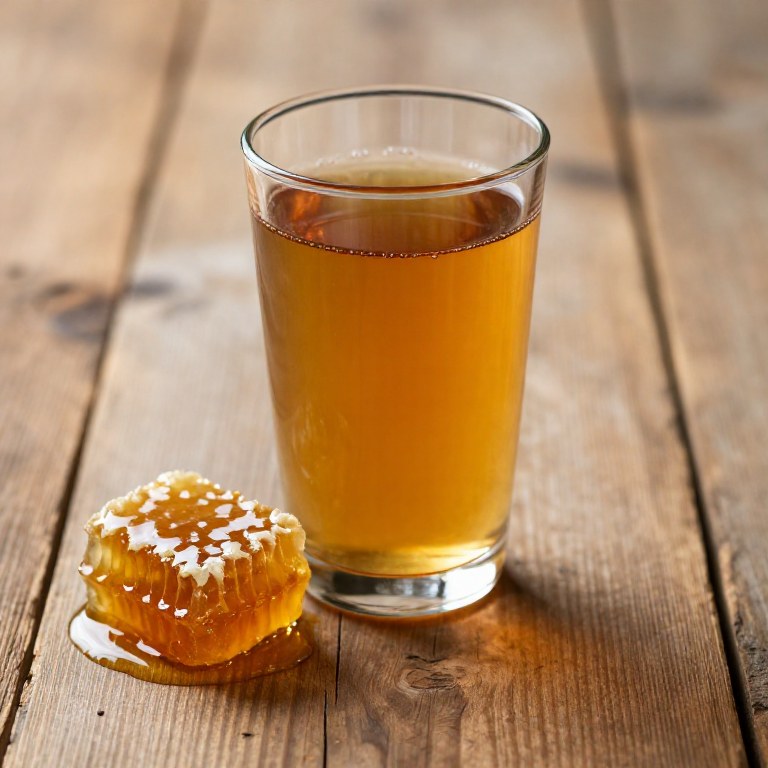


Excellent Mead: Honey, Water and Sun Raisins Boiled Back to the Notch (Digby, 1669)
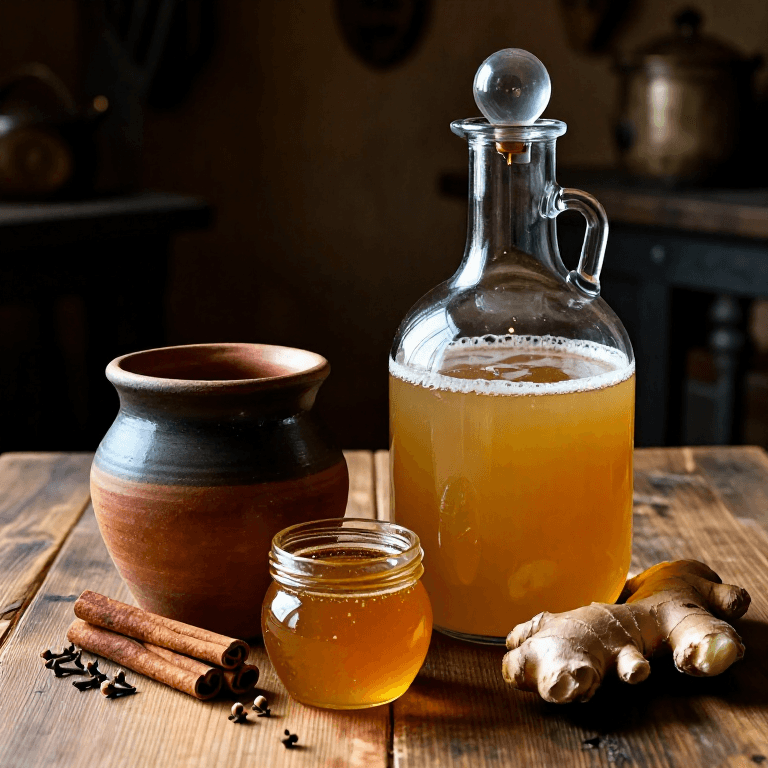
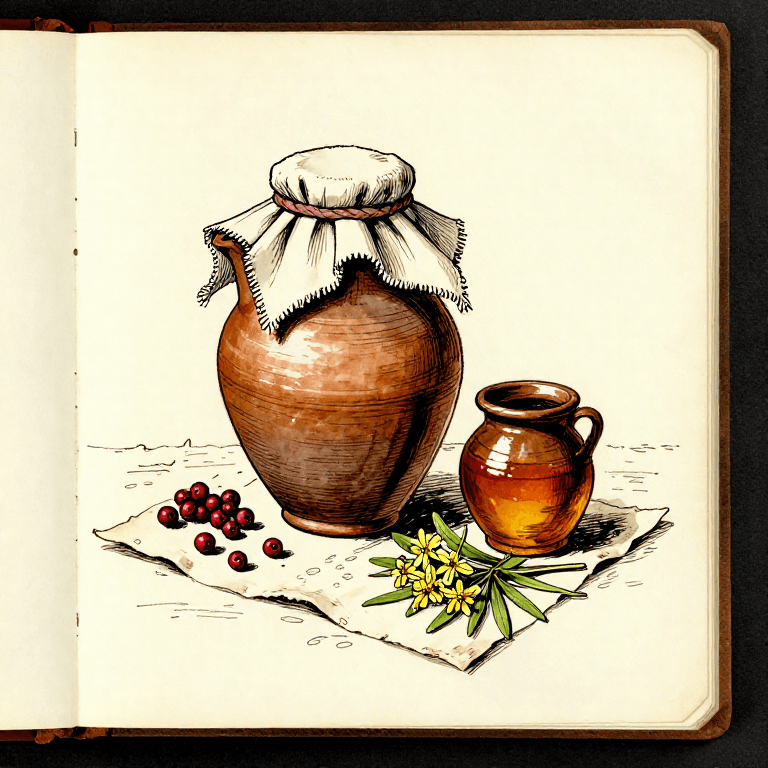
Sir Kenelm Digby's "excellent meathe" from The Closet ... Opened (1669): one part honey to four of water, boiled and skimmed, with a pound of sun raisins to the gallon pressed back into it, boiled down to the water's first level marked on a stick, cooled overnight, and barrelled with the bung open under a double cloth for six weeks. Then it is stopped close and left nine months. No yeast is added.
བར་མ
About 10 months
ལམ་སྟོན
1
1
His ratios in metric
His ratios in metric
Jupyter ཚང་དེབ་མངོན་གསལ་འབད་དོ་…
2
2
Read Digby
Read Digby
"To every quart of Honey, take four quarts of water." (The Closet of Sir Kenelm Digby Opened, 1669, "To make excellent meathe".)
3
3
Mark the water
Mark the water
Put 4 quarts (4.5 litres) of water in a clean kettle. Stand a stick in it and cut a notch where the water reaches.
གོམ་པ་འདིའི་རྫས་རིགས:
 ཆུ།4.5 ལི་ཊར།
ལག་ཆས་དགོས་མཁོ:
 ཟས་སྣོད་ཆེན་པོ།
 ཤིང་དབྱུག་
 གྲི།
 ཚད་འཇལ་ཟོ་ལི།
4
4
Honey in, boil and skim
Honey in, boil and skim
As soon as the water is warm, put in 1 quart (1.14 litres) of honey. Boil it, skimming all the time, until it is very clean.
གོམ་པ་འདིའི་རྫས་རིགས:
 སྦྲང་རྩི།1.14 ལི་ཊར།
ལག་ཆས་དགོས་མཁོ:
ཟས་སྣོད་ཆེན་པོ། བུ་ག་ཡོད་པའི་སྐྱོགས
5
5
Boil the raisins in it
Boil the raisins in it
Add 1 lb (454 g) of the best sun raisins per gallon of water, picked from the stalks and washed. Boil until they are swollen and soft.
གོམ་པ་འདིའི་རྫས་རིགས:
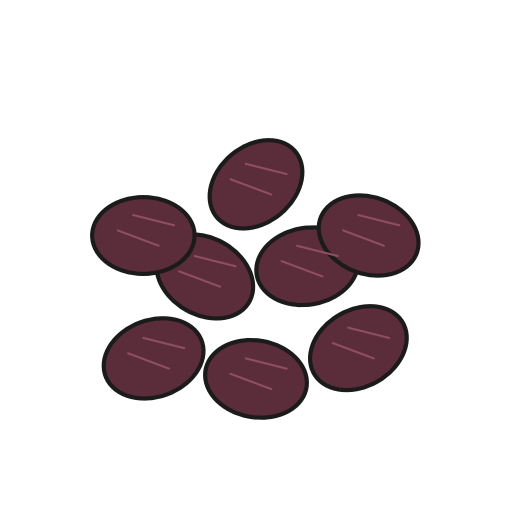 རྒུན་འབྲུམ་སྐམ་པོ།454 g
ལག་ཆས་དགོས་མཁོ:
ཟས་སྣོད་ཆེན་པོ། ཨང་རྟགས་ཐབ་ཚང་སྲང་།
6
6
Press the raisins
Press the raisins
Take the raisins out, put them in a bag and press out all the juice and pulp. Put it back into the liquor.
ལག་ཆས་དགོས་མཁོ:
 ཚགས་ནིའི་རྐྱལཔ
 རྒུན་འབྲུམ་གནོན་འཕྲུལ
7
7
Boil back to the notch
Boil back to the notch
Boil until the liquor is down to the notch on the stick, the level of the water alone.
ལག་ཆས་དགོས་མཁོ:
ཟས་སྣོད་ཆེན་པོ།ཤིང་དབྱུག་8
8
Strain, cool overnight
Strain, cool overnight
Run it through a strainer into an empty wooden vat, open at the top. Leave it until the next day, quite cold.
ལག་ཆས་དགོས་མཁོ:
 ཚགས་མ་རྩུབ་པ།
 ཤིང་གི་གཞོང་པ།
9
9
Barrel it, not quite full
Barrel it, not quite full
Tun it into a good barrel, leaving three or four fingers' breadth empty. "Where Sack hath been, is the best."
ལག་ཆས་དགོས་མཁོ:
 ཤིང་གི་ཟོ་བ།
10
10
Six weeks open under cloth
Six weeks open under cloth
Leave the bung open for six weeks with a double cloth lying over it to keep out any dirt.
ལག་ཆས་དགོས་མཁོ:
 རས་བལ་གྱི་མསི་ལིན།
11
11
Stop close, wait nine months
Stop close, wait nine months
Then stop it up close, and drink none of it until after nine months.
ལག་ཆས་དགོས་མཁོ:
 Wooden Bung
12
12
Troubleshooting
Troubleshooting
Mead problems and fixes.
Flow
Loading...
13
13
History and honest limits
History and honest limits
**Sir Kenelm Digby** (1603-1665); his recipes were published after his death, "by his Son's Consent", as *The Closet of the Eminently Learned Sir Kenelme Digbie Kt. Opened* (1669), "several ways for making of Metheglin, Sider, Cherry-Wine, &c." He adds no yeast and gives no temperatures. His "Apothecaries Press" is ours a fruit press, his "double bolter-cloth" a double muslin; the one-gallon scale is ours, his ratios unchanged. He follows the recipe with health claims, which are not repeated here. Pictures: his 1669 title page and engraved portrait (public domain).
ལག་ཆས་དགོས་མཁོ
13- ས་ཆ་འཛིན
- ས་ཆ་འཛིན
- ས་ཆ་འཛིན
- ས་ཆ་འཛིན
- ས་ཆ་འཛིན
- ས་ཆ་འཛིན
- ས་ཆ་འཛིན
- ས་ཆ་འཛིན
- ས་ཆ་འཛིན
- ས་ཆ་འཛིན
- ས་ཆ་འཛིན
- ས་ཆ་འཛིན
- ས་ཆ་འཛིན
བིལུ་པིརིན་ཊི་འདི་གིས་བཟོ་མི
འབྲེལ་ཡོད་བིལུ་པིརིན་ཊི
བིལུ་པིརིན་ཊི་འདི་ཚུ་ཐབས་ལམ་དང་རྫས་རིགས། སྤྱི་ཆོས་བགོ་བཤའ་བྱེད
CC0 སྤྱི་དབང
བིལུ་པིརིན་ཊི་འདི་CC0 འོག་བཀྲམས་ཡོད། ཁྱེད་རང་གིས་ཆོག་མཆན་མ་བཞེས་པར་ཕབ་ལེན་དང་བཟོ་བཅོས། བགོ་བཤའ། དགོས་མཁོ་གང་ལའང་བཀོལ་སྤྱོད་བྱས་ཆོག
བཟོ་མཁན་ལ་རྒྱབ་སྐྱོར་བྱེད་པའི་ཆེད་ཁོང་ཚོའི་བིལུ་པིརིན་ཊི་བརྒྱུད་ཐོན་སྐྱེད་ཉོ། བཟོ་མཁན་གྱིས བཟོ་མཁན་གྱི་ཁེ་ཕོགས ཚོང་པས་གཏན་འཁེལ་བྱས་པ། ཡང་ན་བིལུ་པིརིན་ཊི་འདིའི་པར་གསར་བཟོས་ཏེ་ཁྱེད་རང་གི་བིལུ་པིརིན་ཊི་ནང་མཐུད་སྦྲེལ་བྱས་ཏེ་ཡོང་སྒོ་བགོ་བཤའ་བྱེད།