སྒྱུ་རྩལ
མཛེས་སྡུག་དང་བདེ་ཐང
བཟོ་རིག
རིག་གནས་དང་ལོ་རྒྱུས
དགའ་སྟོན
ཁོར་ཡུག
ཟས་དང་བཏུང་རྫས
ཕྱིར་འཕྲུལ་རིག
ཚན་རིག
རྩེད་འགྲན
རིག་རྩལ
གྱོན་རུང



Goatskin Leather Tanned with Sumac, the Morocco Way
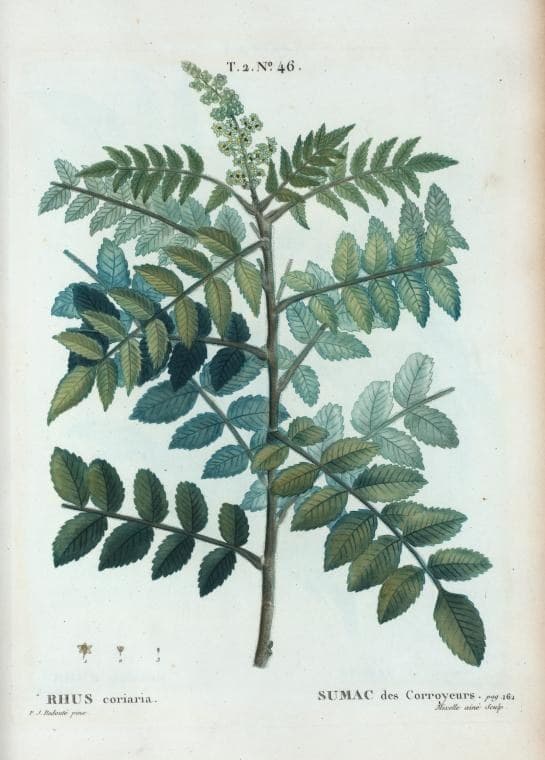
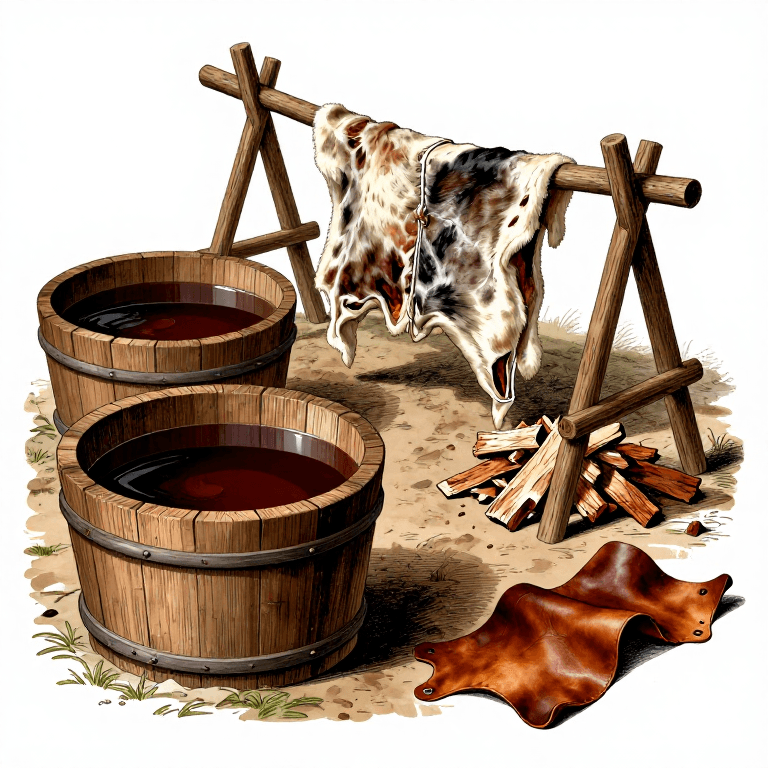
Morocco leather is goatskin tanned with sumac: light, supple and fine-grained. Andrew Ure (1839) gives the method: bran and lime to loosen the hair, the skin scraped clean, then sewn into a bag, grain outside, and floated in sumac liquor for a day. Oiled and curried, it takes the pebbled grain used for gloves and book covers.
The picture: early 18th-century calf bindings inlaid with panels of coloured morocco.
མཐོ་རིམ
Two to three weeks
ལམ་སྟོན
1
1
Soak in bran water
Soak in bran water
Steep the skins a few days in water with bran stirred in, until it ferments. Work them on the beam, soak 12 hours in fresh water and rinse.
གོམ་པ་འདིའི་རྫས་རིགས:
 ར་ཡི་པགས་ཀོ་རྗེན་པ།6 དུམ་བུ།
 གྲོའི་བགས་མ།2 kg
 ཆུ།100 ལི་ཊར།
ལག་ཆས་དགོས་མཁོ:
 ཤིང་གི་གཞོང་པ།
 པགས་ཀོ་འཕྱག་སའི་ཤིང་སྒོར།
2
2
Lime and dehair
Lime and dehair
Steep them in weak lime water until the hair pulls out easily. Scrape the hair off on the beam with the back of the fleshing knife and wash them in running water.
གོམ་པ་འདིའི་རྫས་རིགས:
 རྡོ་ཞ་བསད་མ2 kgཆུ།60 ལི་ཊར།
ལག་ཆས་དགོས་མཁོ:
ཤིང་གི་གཞོང་པ།པགས་ཀོ་འཕྱག་སའི་ཤིང་སྒོར། ཀོ་བ་ལས་ཤ་བཤུ་ནིའི་གྲི
 ལ་སྟིག་གི་ལག་ཤུབས།
3
3
Flesh and clean out the lime
Flesh and clean out the lime
Shave off flesh and fat with the fleshing knife and trim the edges. Rub the grain hard with a flat stone to press out lime, then a night and a day in a fresh bran bath.
གོམ་པ་འདིའི་རྫས་རིགས:
གྲོའི་བགས་མ།1 kgཆུ།50 ལི་ཊར།ལག་ཆས་དགོས་མཁོ:
ཀོ་བ་ལས་ཤ་བཤུ་ནིའི་གྲིཔགས་ཀོ་འཕྱག་སའི་ཤིང་སྒོར། རྡོ་བརྡར་རྩུབ་ཚད་ ༡༠༠༠ཤིང་གི་གཞོང་པ།
4
4
Sew into bags
Sew into bags
Sew each skin edgewise into a bag with the grain outside, leaving a small opening.
གོམ་པ་འདིའི་རྫས་རིགས:
 ལིན་ནིན་སྐུད་པ20 m
ལག་ཆས་དགོས་མཁོ:
 འཚེམ་བུའི་ཁབ།
5
5
Tan in sumac
Tan in sumac
Fill each bag with strong sumac liquor and close it; float the bags in a tub of the same liquor and keep them moving by hand for four hours. Drain, refill and tan again: about 24 hours in all.
གོམ་པ་འདིའི་རྫས་རིགས:
 སུ་མེཀ་གི་ལོ་མ (བསྐམས)5.4 kgཆུ།60 ལི་ཊར།
ལག་ཆས་དགོས་མཁོ:
ཤིང་གི་གཞོང་པ། ལག་པ་འདྲ་མཉམ་གྱི་སྲང་།
6
6
Open, rinse and dry
Open, rinse and dry
Unstitch the skins, rinse them, beat them soft, drain them and hang them to dry. While still damp, sponge a thin film of linseed oil on the grain so they stay glossy and do not go horny.
གོམ་པ་འདིའི་རྫས་རིགས:
 ལིན་སིཊ་སྣུམ།0.2 ལི་ཊར།
ལག་ཆས་དགོས་མཁོ:
 སི་པོན་ཇི།
7
7
Curry and grain
Curry and grain
Thin the flesh side where needed and smooth the damp skin. Then work it on the flesh side with a cork-faced board, in several directions, to raise the pebbled grain (Ure: the curriers' pommel faced with cork).
ལག་ཆས་དགོས་མཁོ:
ཀོ་བ་ལས་ཤ་བཤུ་ནིའི་གྲི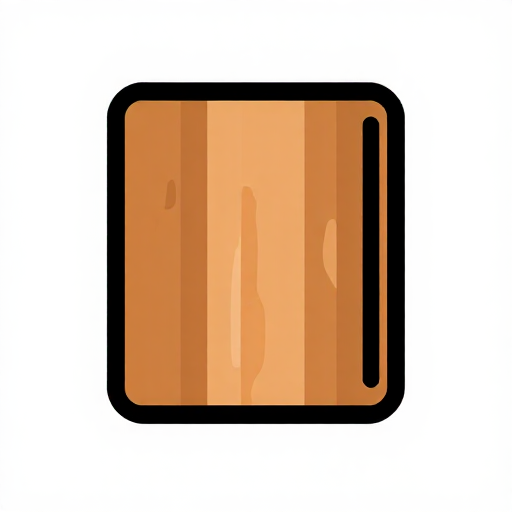 ཀོརཀ་གི་ལེབ།
8
8
Sumach for the batch
Sumach for the batch
Jupyter ཚང་དེབ་མངོན་གསལ་འབད་དོ་…
9
9
Limits
Limits
The process and the sumac rate are Ure's; we leave out his dyeing (cochineal, iron, indigo) and give the undyed leather. Bath volumes are ours.
རྫས་རིགས
7- 6 དུམ་བུ།ས་ཆ་འཛིན
- 2 kgས་ཆ་འཛིན
- 270 ལི་ཊར།ས་ཆ་འཛིན
- 2 kgས་ཆ་འཛིན
- 20 mས་ཆ་འཛིན
- 5.4 kgས་ཆ་འཛིན
- 0.2 ལི་ཊར།ས་ཆ་འཛིན
ལག་ཆས་དགོས་མཁོ
9- ས་ཆ་འཛིན
- ས་ཆ་འཛིན
- ས་ཆ་འཛིན
- ས་ཆ་འཛིན
- ས་ཆ་འཛིན
- ས་ཆ་འཛིན
- ས་ཆ་འཛིན
- ས་ཆ་འཛིན
- ས་ཆ་འཛིན
བིལུ་པིརིན་ཊི་འདི་གིས་བཟོ་མི

འབྲེལ་ཡོད་བིལུ་པིརིན་ཊི
བིལུ་པིརིན་ཊི་འདི་ཚུ་ཐབས་ལམ་དང་རྫས་རིགས། སྤྱི་ཆོས་བགོ་བཤའ་བྱེད

CC0 སྤྱི་དབང
བིལུ་པིརིན་ཊི་འདི་CC0 འོག་བཀྲམས་ཡོད། ཁྱེད་རང་གིས་ཆོག་མཆན་མ་བཞེས་པར་ཕབ་ལེན་དང་བཟོ་བཅོས། བགོ་བཤའ། དགོས་མཁོ་གང་ལའང་བཀོལ་སྤྱོད་བྱས་ཆོག
བཟོ་མཁན་ལ་རྒྱབ་སྐྱོར་བྱེད་པའི་ཆེད་ཁོང་ཚོའི་བིལུ་པིརིན་ཊི་བརྒྱུད་ཐོན་སྐྱེད་ཉོ། བཟོ་མཁན་གྱིས བཟོ་མཁན་གྱི་ཁེ་ཕོགས ཚོང་པས་གཏན་འཁེལ་བྱས་པ། ཡང་ན་བིལུ་པིརིན་ཊི་འདིའི་པར་གསར་བཟོས་ཏེ་ཁྱེད་རང་གི་བིལུ་པིརིན་ཊི་ནང་མཐུད་སྦྲེལ་བྱས་ཏེ་ཡོང་སྒོ་བགོ་བཤའ་བྱེད།