སྒྱུ་རྩལ
མཛེས་སྡུག་དང་བདེ་ཐང
བཟོ་རིག
རིག་གནས་དང་ལོ་རྒྱུས
དགའ་སྟོན
ཁོར་ཡུག
ཟས་དང་བཏུང་རྫས
ཕྱིར་འཕྲུལ་རིག
ཚན་རིག
རྩེད་འགྲན
རིག་རྩལ
གྱོན་རུང
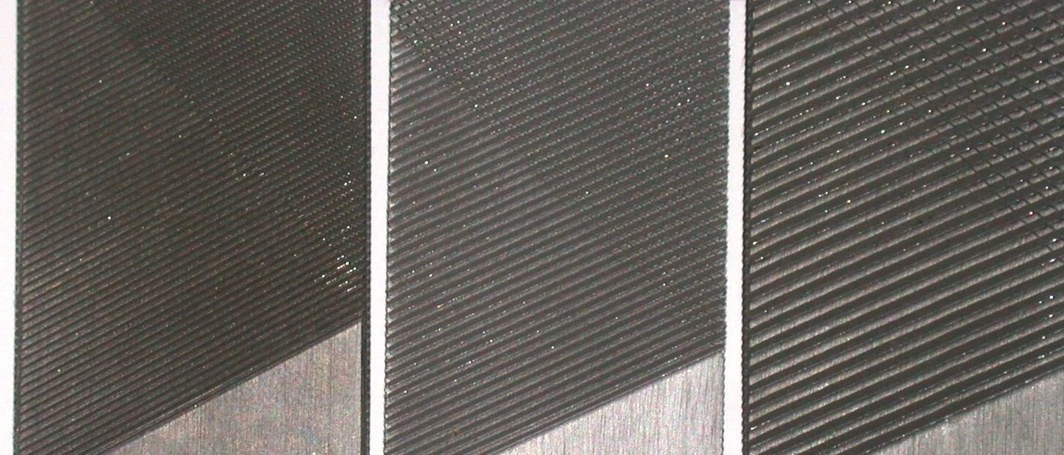


Steel Files: Forged, Cut and Hardened
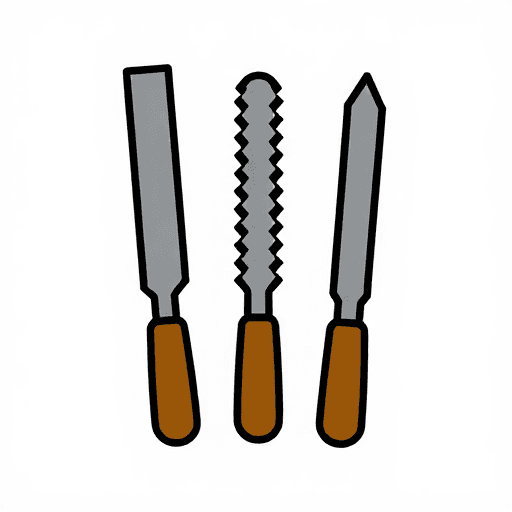
A file is a bar of high-carbon steel, about 1.0–1.25 % carbon, covered in rows of tiny chisel cuts. The blank is forged with a tang, annealed soft, ground flat, and the teeth are raised one by one with a chisel and hammer: each blow cuts a groove and lifts its edge into a tooth. A single-cut file has one row of parallel cuts, at 65–85° to the length; a double-cut file has a second row crossing the first, for general work the first at 40–45° and the second at 70–80°. The file is then hardened as hard as it will go by quenching it in cold brine, and is never tempered; only the tang is softened so it will not snap. Factories do the same steps by machine.
མཐོ་རིམ
2 days (annealing overnight)
ལམ་སྟོན
1
1
Forge the blank
Forge the blank
At a yellow heat, draw the high-carbon steel to the file's section and forge a narrow, pointed tang at one end.
གོམ་པ་འདིའི་རྫས་རིགས:
 ཀར་བོན་མཐོ་བའི་ལྕགས་ཀྱི་དུམ་བུ0.5 kg
ལག་ཆས་དགོས་མཁོ:
 མགར་བའི་ཐབ་ཁུང་།
 མགར་བའི་རྡོ་ལེབ།
 མགར་བའི་ཐོ་བ།
 མགར་བའི་གཟེར་ཆས།
2
2
Anneal
Anneal
Heat the blank no hotter than a blood-red and let it cool very slowly, shut away from the air; factories leave blanks in closed boxes in the furnace for 24–36 hours. Cooled in open air it would harden again.
ལག་ཆས་དགོས་མཁོ:
མགར་བའི་ཐབ་ཁུང་།3
3
Straighten and grind
Straighten and grind
Straighten the blank, grind off the scale and make the faces flat and even, or the teeth will not be uniform.
ལག་ཆས་དགོས་མཁོ:
 འཁོར་བའི་གཏར་རྡོ
4
4
Cut the teeth
Cut the teeth
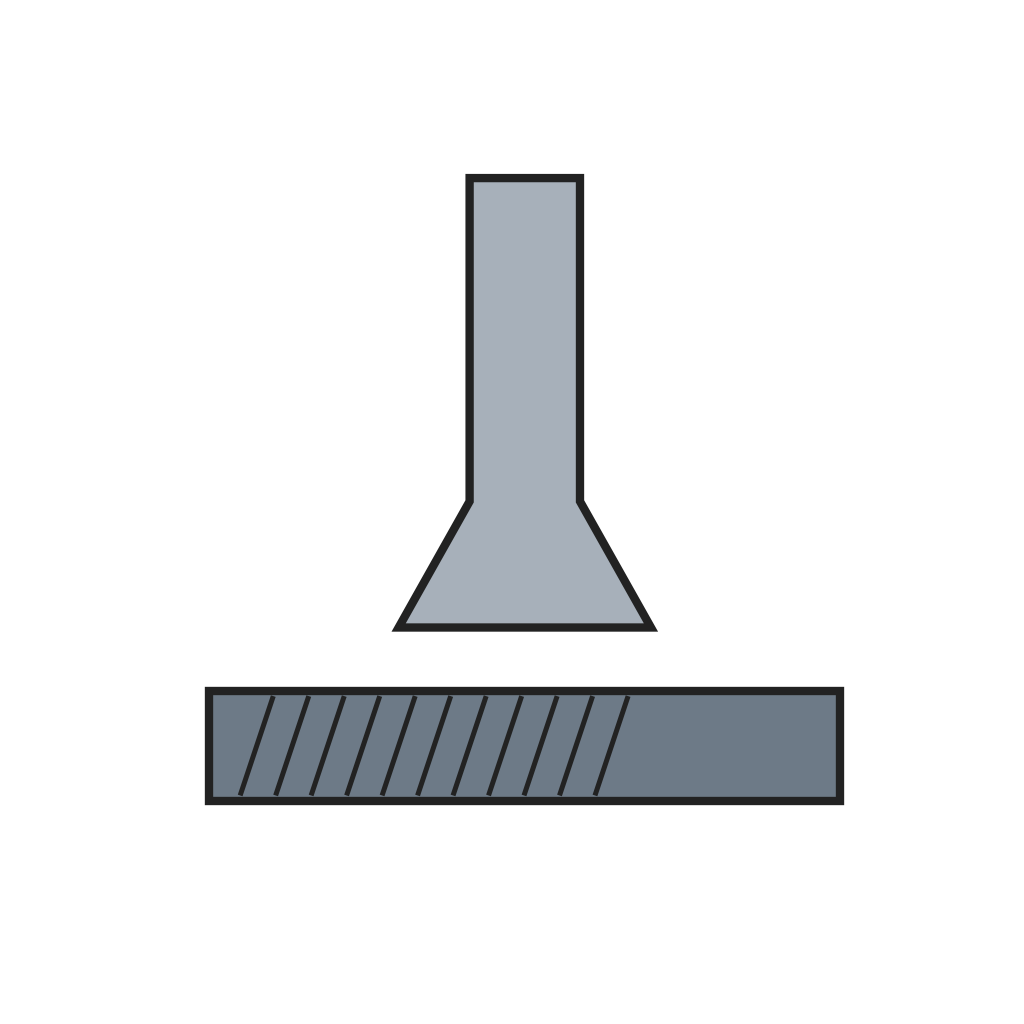
Hold the chisel at an angle and strike it, then move it a small, regular distance and strike again; each blow raises one tooth. For a double cut, cut the first row (overcut), then a second row crossing it (upcut). To cut the other face, turn the file over on a pewter plate so the finished teeth are not crushed.
ལག་ཆས་དགོས་མཁོ:
 སྲོག་ལེབ་སོ་གཏུབ་གཟོང་།མགར་བའི་ཐོ་བ།མགར་བའི་རྡོ་ལེབ།
 པིའུ་ཊར་ལེབ་ཏེ།
5
5
Harden
Harden
Heat the file evenly to its hardening heat and plunge it into a bath of cold brine, which cools faster than water and leaves it harder. Do not temper it.
གོམ་པ་འདིའི་རྫས་རིགས:
 ཚྭ།1 kg
ལག་ཆས་དགོས་མཁོ:
མགར་བའི་ཐབ་ཁུང་། ཟོམ།མགར་བའི་གཟེར་ཆས།
6
6
Soften the tang
Soften the tang
Reheat the tang alone so it is no longer glass-hard: a fully hard tang snaps when the handle is driven on. Clean and oil the file.
ལག་ཆས་དགོས་མཁོ:
མགར་བའི་ཐབ་ཁུང་།མགར་བའི་གཟེར་ཆས།བིལུ་པིརིན་ཊི་འདི་གིས་བཟོ་མི




འབྲེལ་ཡོད་བིལུ་པིརིན་ཊི
བིལུ་པིརིན་ཊི་འདི་ཚུ་ཐབས་ལམ་དང་རྫས་རིགས། སྤྱི་ཆོས་བགོ་བཤའ་བྱེད

CC0 སྤྱི་དབང
བིལུ་པིརིན་ཊི་འདི་CC0 འོག་བཀྲམས་ཡོད། ཁྱེད་རང་གིས་ཆོག་མཆན་མ་བཞེས་པར་ཕབ་ལེན་དང་བཟོ་བཅོས། བགོ་བཤའ། དགོས་མཁོ་གང་ལའང་བཀོལ་སྤྱོད་བྱས་ཆོག
བཟོ་མཁན་ལ་རྒྱབ་སྐྱོར་བྱེད་པའི་ཆེད་ཁོང་ཚོའི་བིལུ་པིརིན་ཊི་བརྒྱུད་ཐོན་སྐྱེད་ཉོ། བཟོ་མཁན་གྱིས བཟོ་མཁན་གྱི་ཁེ་ཕོགས ཚོང་པས་གཏན་འཁེལ་བྱས་པ། ཡང་ན་བིལུ་པིརིན་ཊི་འདིའི་པར་གསར་བཟོས་ཏེ་ཁྱེད་རང་གི་བིལུ་པིརིན་ཊི་ནང་མཐུད་སྦྲེལ་བྱས་ཏེ་ཡོང་སྒོ་བགོ་བཤའ་བྱེད།