སྒྱུ་རྩལ
མཛེས་སྡུག་དང་བདེ་ཐང
བཟོ་རིག
རིག་གནས་དང་ལོ་རྒྱུས
དགའ་སྟོན
ཁོར་ཡུག
ཟས་དང་བཏུང་རྫས
ཕྱིར་འཕྲུལ་རིག
ཚན་རིག
རྩེད་འགྲན
རིག་རྩལ
གྱོན་རུང
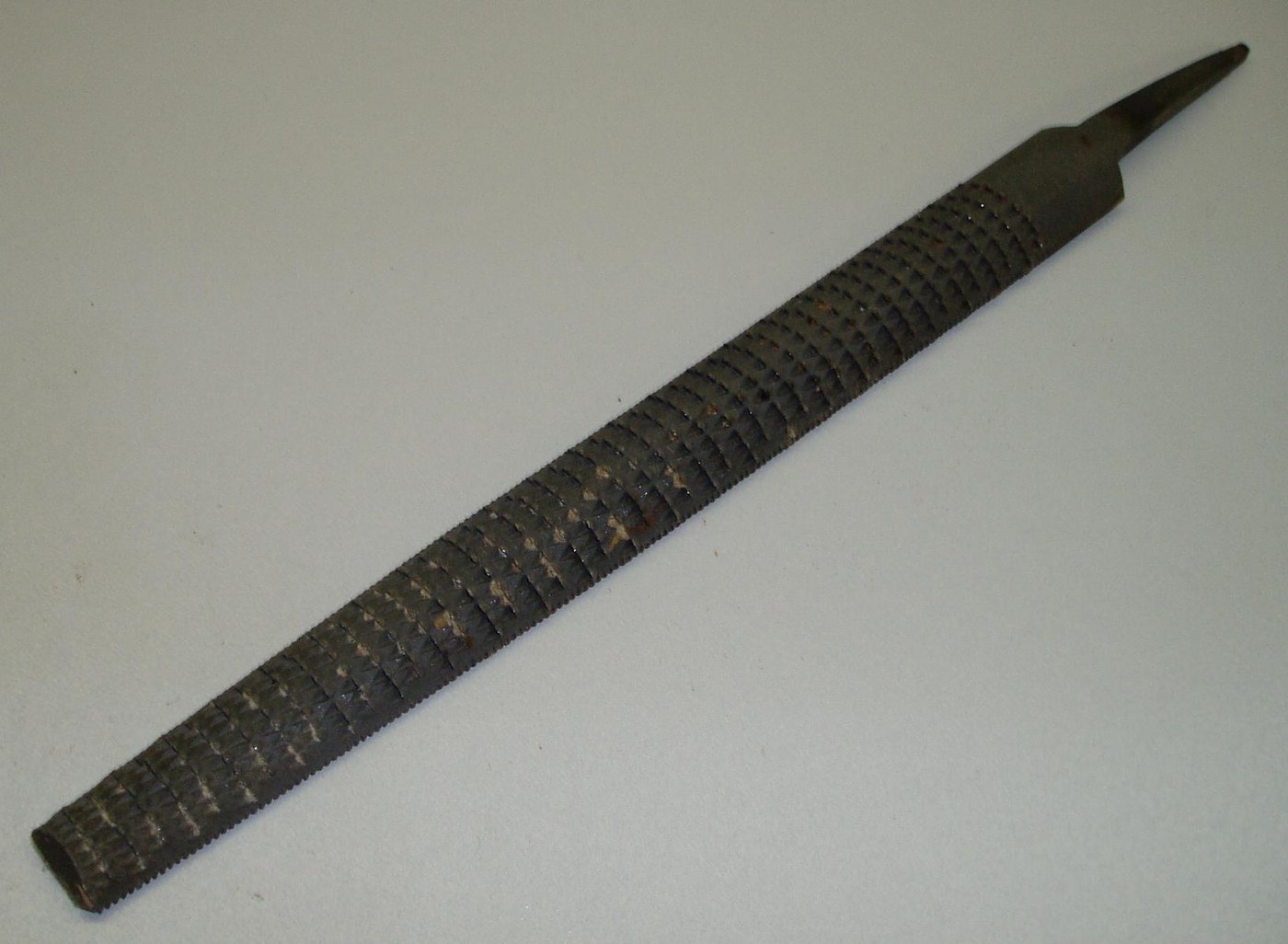


Rasps: Teeth Raised One at a Time with a Pointed Punch
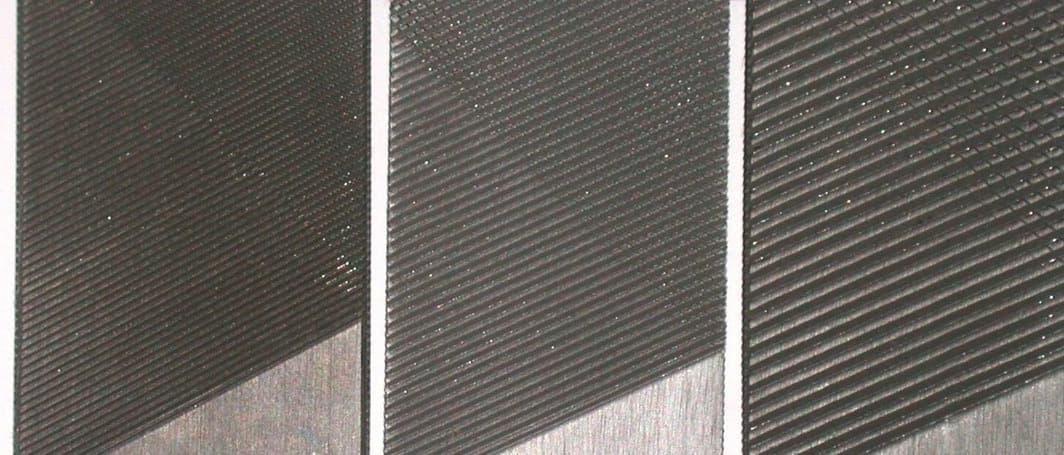
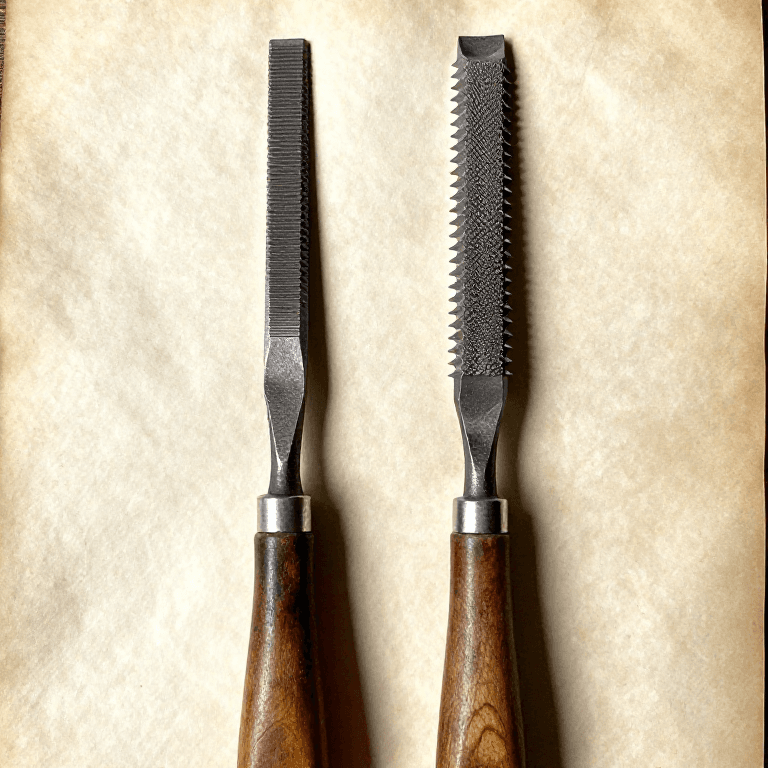
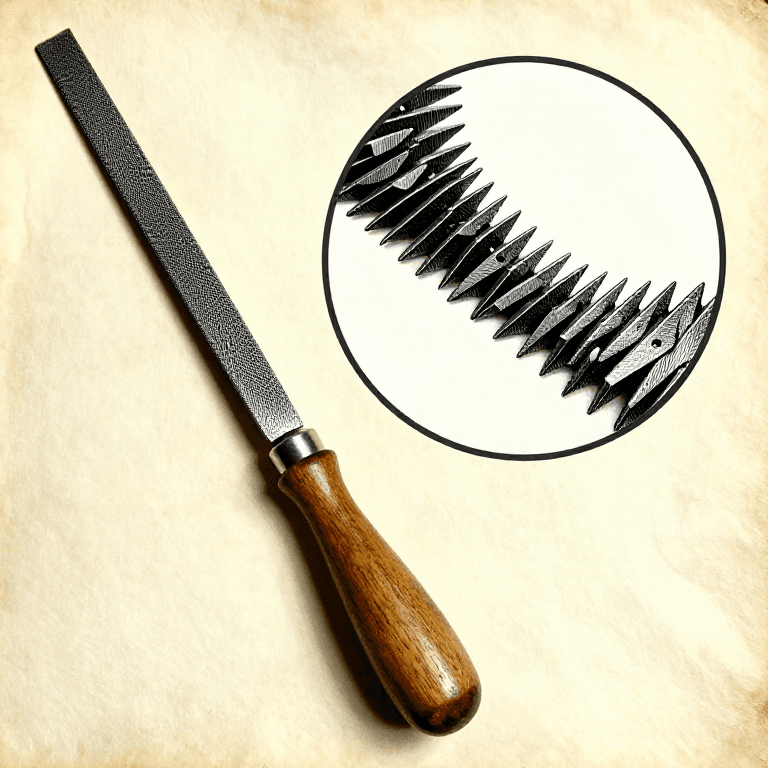
A rasp is a coarse file whose teeth stand separately instead of in continuous rows. Each tooth is raised by driving a pointed punch into the face of the blank at uniform distances. Because the teeth stand apart, a rasp clogs less than a cut file on soft material such as wood or a horse's hoof. The blank is forged, annealed and ground like a file blank, and the finished rasp is hardened like a file: coated against scale, brought to a dull red heat and plunged into water, with the tang tempered so it will not snap. Machine-made rasps have uniformly stamped teeth, which line up row behind row and leave deeper marks; slightly uneven hand-cut teeth avoid this.
མཐོ་རིམ
2 days (annealing overnight)
ལམ་སྟོན
1
1
Forge the blank
Forge the blank
Forge the steel to a tapered bar, flat, round or half-round, with a narrow pointed tang at one end.
གོམ་པ་འདིའི་རྫས་རིགས:
 ཀར་བོན་མཐོ་བའི་ལྕགས་ཀྱི་དུམ་བུ0.5 kg
ལག་ཆས་དགོས་མཁོ:
 མགར་བའི་ཐབ་ཁུང་།
 མགར་བའི་རྡོ་ལེབ།
 མགར་བའི་ཐོ་བ།
 མགར་བའི་གཟེར་ཆས།
2
2
Anneal and grind
Anneal and grind
Anneal the blank soft so the teeth can be raised, then grind the faces to a smooth, clear surface.
ལག་ཆས་དགོས་མཁོ:
མགར་བའི་ཐབ་ཁུང་། འཁོར་བའི་གཏར་རྡོ
3
3
Punch the teeth
Punch the teeth
Drive the pointed punch into the face with the hammer at uniform distances, raising one separate tooth at each blow. Turn the rasp over on a soft metal plate to work the other face without crushing the finished teeth.
ལག་ཆས་དགོས་མཁོ:
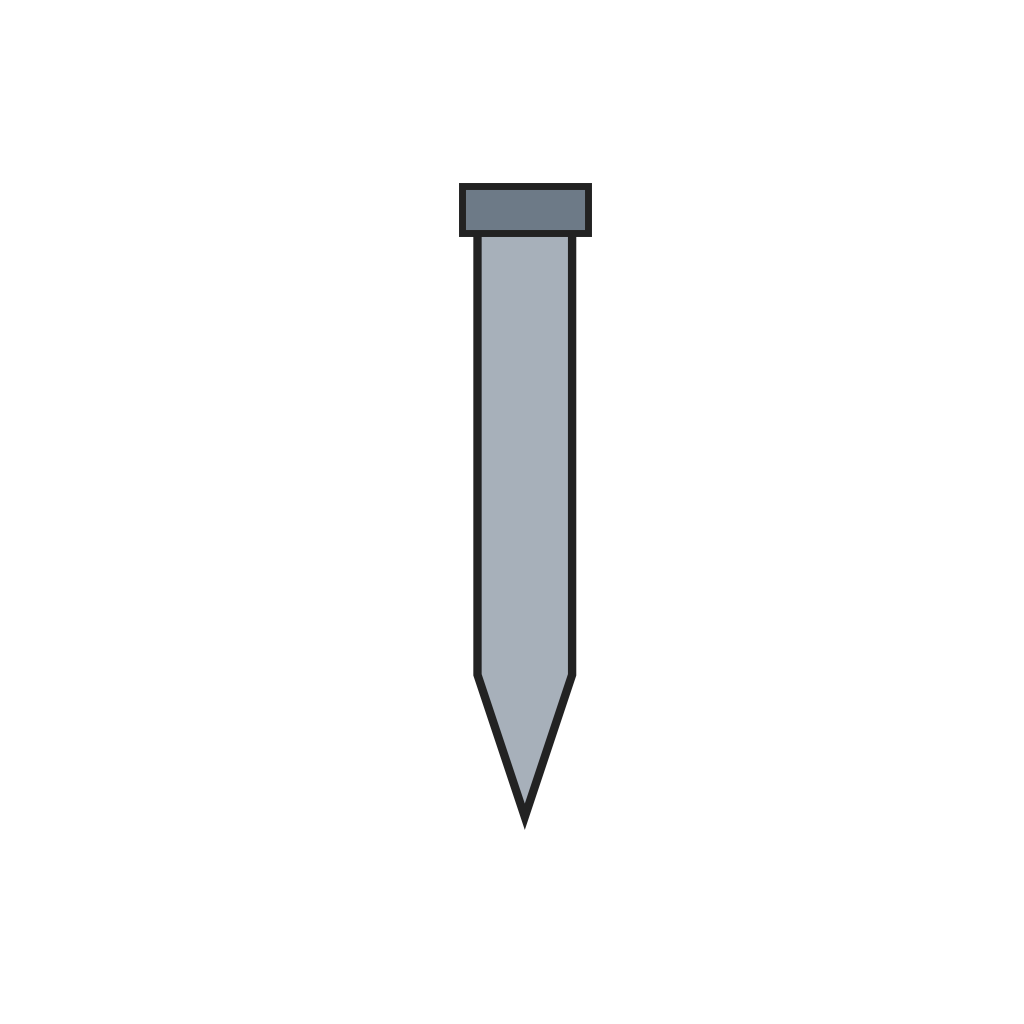 སོག་ལེ་རྩུབ་མོའི་སོ་བཏོན་ཟེར།མགར་བའི་ཐོ་བ།མགར་བའི་རྡོ་ལེབ།
 པིའུ་ཊར་ལེབ་ཏེ།
4
4
Harden
Harden
Coat the toothed surface thickly with a salt composition against scaling, raise the rasp to a dull red heat in a clear coke fire and plunge it upright into water. If it bends, straighten it across a fulcrum before it is fully cold.
གོམ་པ་འདིའི་རྫས་རིགས:
 ཚྭ།1 kg
 ལྕགས་བཟོའི་སོལ་བ།1 as required
ལག་ཆས་དགོས་མཁོ:
མགར་བའི་ཐབ་ཁུང་། ཟོམ།མགར་བའི་གཟེར་ཆས།
5
5
Temper the tang and clean
Temper the tang and clean
Temper the tang by dipping it in molten lead so it will not snap. Scour and wash off every trace of salt, then brush the rasp with oil.
ལག་ཆས་དགོས་མཁོ:
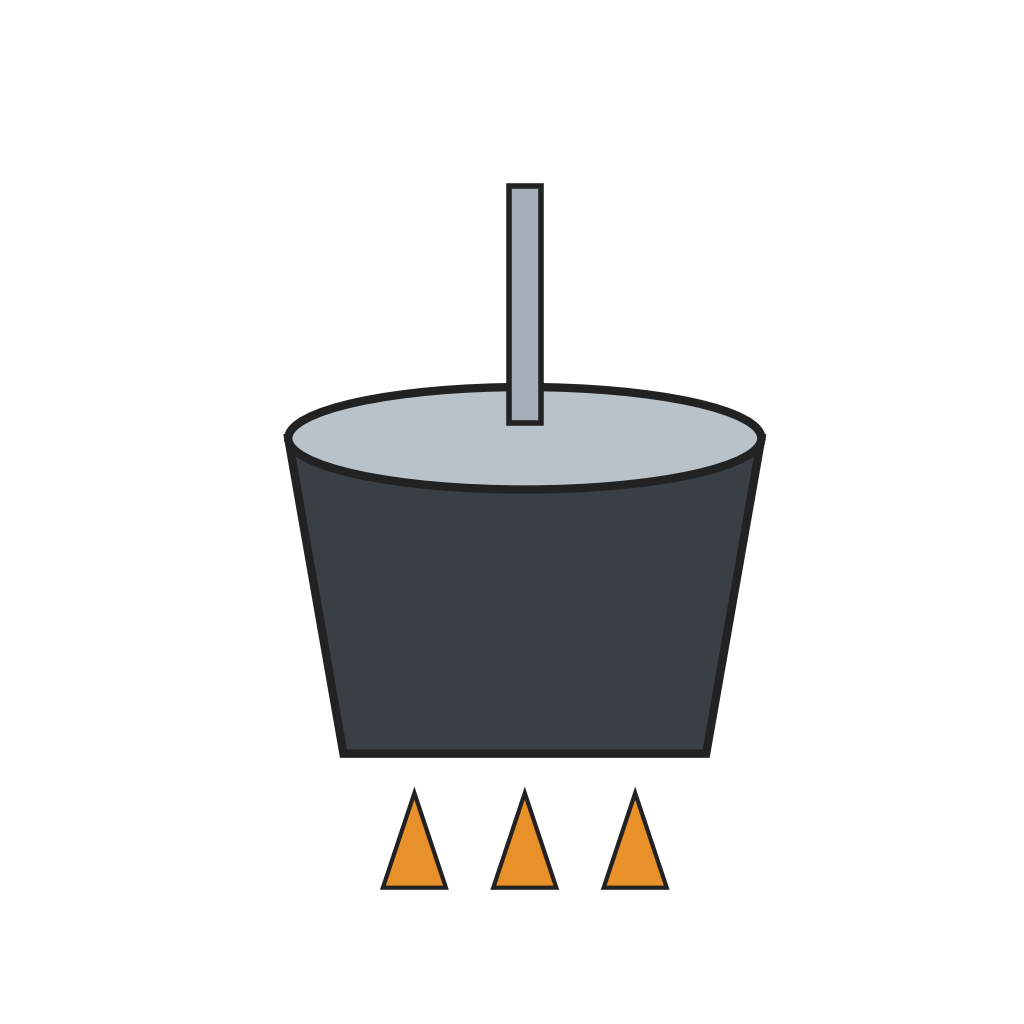 ཞུན་ཞ་ཉེའི་རྫིང་བུ།མགར་བའི་གཟེར་ཆས།
རྫས་རིགས
3- ས་ཆ་འཛིན
- 1 kgས་ཆ་འཛིན
- 1 as requiredས་ཆ་འཛིན
ལག་ཆས་དགོས་མཁོ
9- ས་ཆ་འཛིན
- ས་ཆ་འཛིན
- ས་ཆ་འཛིན
- ས་ཆ་འཛིན
- ས་ཆ་འཛིན
- ས་ཆ་འཛིན
- ས་ཆ་འཛིན
- ས་ཆ་འཛིན
- ས་ཆ་འཛིན
བིལུ་པིརིན་ཊི་འདི་གིས་བཟོ་མི



འབྲེལ་ཡོད་བིལུ་པིརིན་ཊི
བིལུ་པིརིན་ཊི་འདི་ཚུ་ཐབས་ལམ་དང་རྫས་རིགས། སྤྱི་ཆོས་བགོ་བཤའ་བྱེད
CC0 སྤྱི་དབང
བིལུ་པིརིན་ཊི་འདི་CC0 འོག་བཀྲམས་ཡོད། ཁྱེད་རང་གིས་ཆོག་མཆན་མ་བཞེས་པར་ཕབ་ལེན་དང་བཟོ་བཅོས། བགོ་བཤའ། དགོས་མཁོ་གང་ལའང་བཀོལ་སྤྱོད་བྱས་ཆོག
བཟོ་མཁན་ལ་རྒྱབ་སྐྱོར་བྱེད་པའི་ཆེད་ཁོང་ཚོའི་བིལུ་པིརིན་ཊི་བརྒྱུད་ཐོན་སྐྱེད་ཉོ། བཟོ་མཁན་གྱིས བཟོ་མཁན་གྱི་ཁེ་ཕོགས ཚོང་པས་གཏན་འཁེལ་བྱས་པ། ཡང་ན་བིལུ་པིརིན་ཊི་འདིའི་པར་གསར་བཟོས་ཏེ་ཁྱེད་རང་གི་བིལུ་པིརིན་ཊི་ནང་མཐུད་སྦྲེལ་བྱས་ཏེ་ཡོང་སྒོ་བགོ་བཤའ་བྱེད།