སྒྱུ་རྩལ
མཛེས་སྡུག་དང་བདེ་ཐང
བཟོ་རིག
རིག་གནས་དང་ལོ་རྒྱུས
དགའ་སྟོན
ཁོར་ཡུག
ཟས་དང་བཏུང་རྫས
ཕྱིར་འཕྲུལ་རིག
ཚན་རིག
རྩེད་འགྲན
རིག་རྩལ
གྱོན་རུང
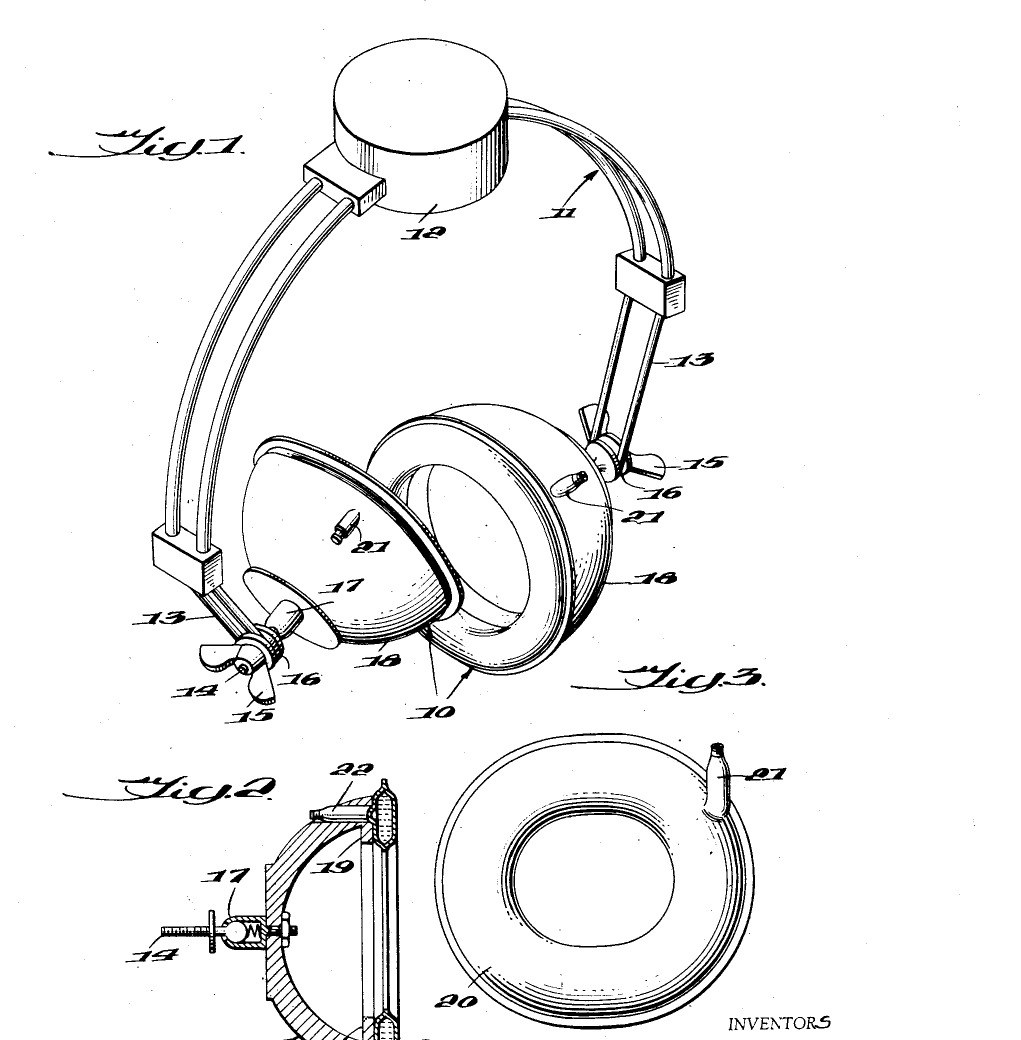


Hearing Protection (Ear Defenders): Rigid Cups on Liquid-Filled Cushions (Shaw & Thiessen, NRC, US 2,801,423, 1957)
Ear muffs that seal well and still stop low-pitched noise. Each ear is covered by a rigid cup on a cushion made of a thin PVC tube, emptied of air and part-filled with liquid. Pressed on, the liquid flows round the whole rim and fits the cushion to the head, yet cannot compress, so the cup does not vibrate as a whole and pass the sound in. A sprung headband with a pad holds the cups on ball joints.
Result: circumaural ear defenders effective against low-frequency noise.
Source: E. A. G. Shaw and G. J. Thiessen (National Research Council of Canada), US 2,801,423 (1957). Unknown: sizes and the attenuation achieved. Picture: the patent drawing.
བར་མ
Unknown
ལམ་སྟོན
1
1
Make the cups
Make the cups
Make two rigid, non-porous cups to go over the ears, of wood, a hard plastic or a light metal such as aluminium. Widen each rim to about the width of the cushion, and make a small hole in the rim for the cushion's filling nipple. Fix a ball joint on the back of each cup. Not given: sizes.
གོམ་པ་འདིའི་རྫས་རིགས:
 ངོ་མ་ཤེས་པའི་རྒྱུ་ཆ།2 ཕོར་པ།
 མ་ཤེས་པའི་ལྕགས་རིགས།2 ball joints
ལག་ཆས་དགོས་མཁོ:
 ལྕགས་ཀྱི་འཁྲུལ་འཁོར།
 མ་ཤེས་པའི་ཚད།
2
2
Make the liquid cushions
Make the liquid cushions
For each cup make an endless tube of thin, pliable but non-stretching plasticised PVC, 0.005 to 0.01 in thick, with a filling nipple. Draw out almost all the air, then fill it with liquid to more than a quarter but well under the whole of its cross-section: enough to reach right round the rim when pressed, not so much that it cannot seal. Fix it on the rim with the nipple in the hole. Ours: water as the liquid. Not given: tube size.
གོམ་པ་འདིའི་རྫས་རིགས:
 PVC ལེབ།1 thin plasticised PVC tube
 ཆུ།1 filling
ལག་ཆས་དགོས་མཁོ:
 ཁབ་གཟེར་ཆ་ཚན།
3
3
Fit the headband and wear them
Fit the headband and wear them
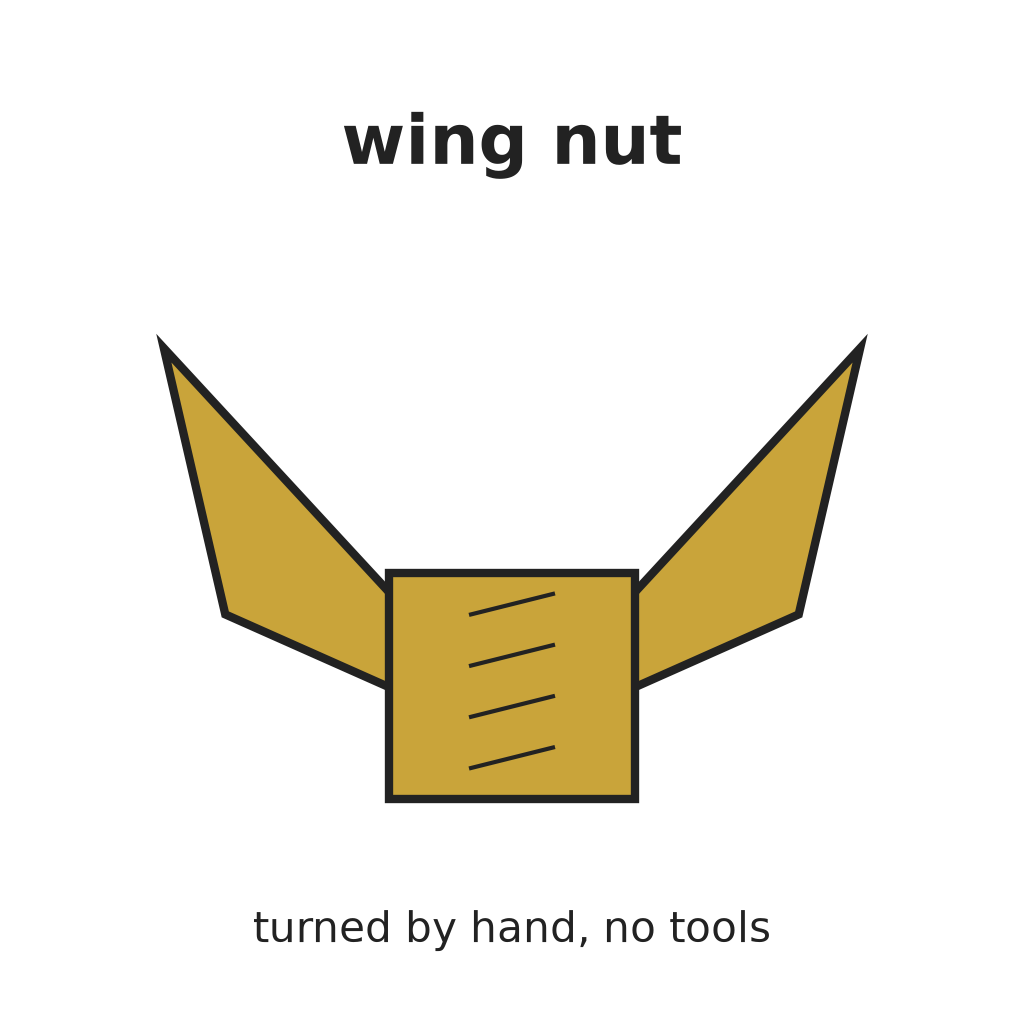
Make a resilient headband frame with a sponge-rubber pad at its middle and a wire loop at each end. Through each loop pass a threaded stub from the cup's ball joint, with a washer, and tighten with a wing nut. Put the cups over the ears: the cushions take the shape of the head and seal, while the cups stay still against the low-frequency sound. Ours: spring steel for the frame.
གོམ་པ་འདིའི་རྫས་རིགས:
 སྤིང་ལྕགས་ཀྱི་སྐུད་པ།1 frame and loopsངོ་མ་ཤེས་པའི་རྒྱུ་ཆ།1 sponge rubber padམ་ཤེས་པའི་ལྕགས་རིགས།2 threaded stubs
 ལེབ་ཏོག་ཏོའི་ཝཱ་ཤར།2 དུམ་བུ།
 གཤོག་ཅན་ནཊ2 དུམ་བུ།
ལག་ཆས་དགོས་མཁོ:
 ཁ་སྒོར་གྱི་གཟེར་འཛིན།
རྫས་རིགས
7- 1 sponge rubber padས་ཆ་འཛིན
- 2 threaded stubsས་ཆ་འཛིན
- 1 thin plasticised PVC tubeས་ཆ་འཛིན
- 1 fillingས་ཆ་འཛིན
- 1 frame and loopsས་ཆ་འཛིན
- 2 དུམ་བུ།ས་ཆ་འཛིན
- 2 དུམ་བུ།ས་ཆ་འཛིན
ལག་ཆས་དགོས་མཁོ
4- ས་ཆ་འཛིན
- ས་ཆ་འཛིན
- ས་ཆ་འཛིན
- ས་ཆ་འཛིན
མཐུད་སྦྲེལ་བིལུ་པིརིན་ཊི་རྫས་རིགས

བིལུ་པིརིན་ཊི་འདི་གིས་བཟོ་མི
CC0 སྤྱི་དབང
བིལུ་པིརིན་ཊི་འདི་CC0 འོག་བཀྲམས་ཡོད། ཁྱེད་རང་གིས་ཆོག་མཆན་མ་བཞེས་པར་ཕབ་ལེན་དང་བཟོ་བཅོས། བགོ་བཤའ། དགོས་མཁོ་གང་ལའང་བཀོལ་སྤྱོད་བྱས་ཆོག
བཟོ་མཁན་ལ་རྒྱབ་སྐྱོར་བྱེད་པའི་ཆེད་ཁོང་ཚོའི་བིལུ་པིརིན་ཊི་བརྒྱུད་ཐོན་སྐྱེད་ཉོ། བཟོ་མཁན་གྱིས བཟོ་མཁན་གྱི་ཁེ་ཕོགས ཚོང་པས་གཏན་འཁེལ་བྱས་པ། ཡང་ན་བིལུ་པིརིན་ཊི་འདིའི་པར་གསར་བཟོས་ཏེ་ཁྱེད་རང་གི་བིལུ་པིརིན་ཊི་ནང་མཐུད་སྦྲེལ་བྱས་ཏེ་ཡོང་སྒོ་བགོ་བཤའ་བྱེད།