སྒྱུ་རྩལ
མཛེས་སྡུག་དང་བདེ་ཐང
བཟོ་རིག
རིག་གནས་དང་ལོ་རྒྱུས
དགའ་སྟོན
ཁོར་ཡུག
ཟས་དང་བཏུང་རྫས
ཕྱིར་འཕྲུལ་རིག
ཚན་རིག
རྩེད་འགྲན
རིག་རྩལ
གྱོན་རུང
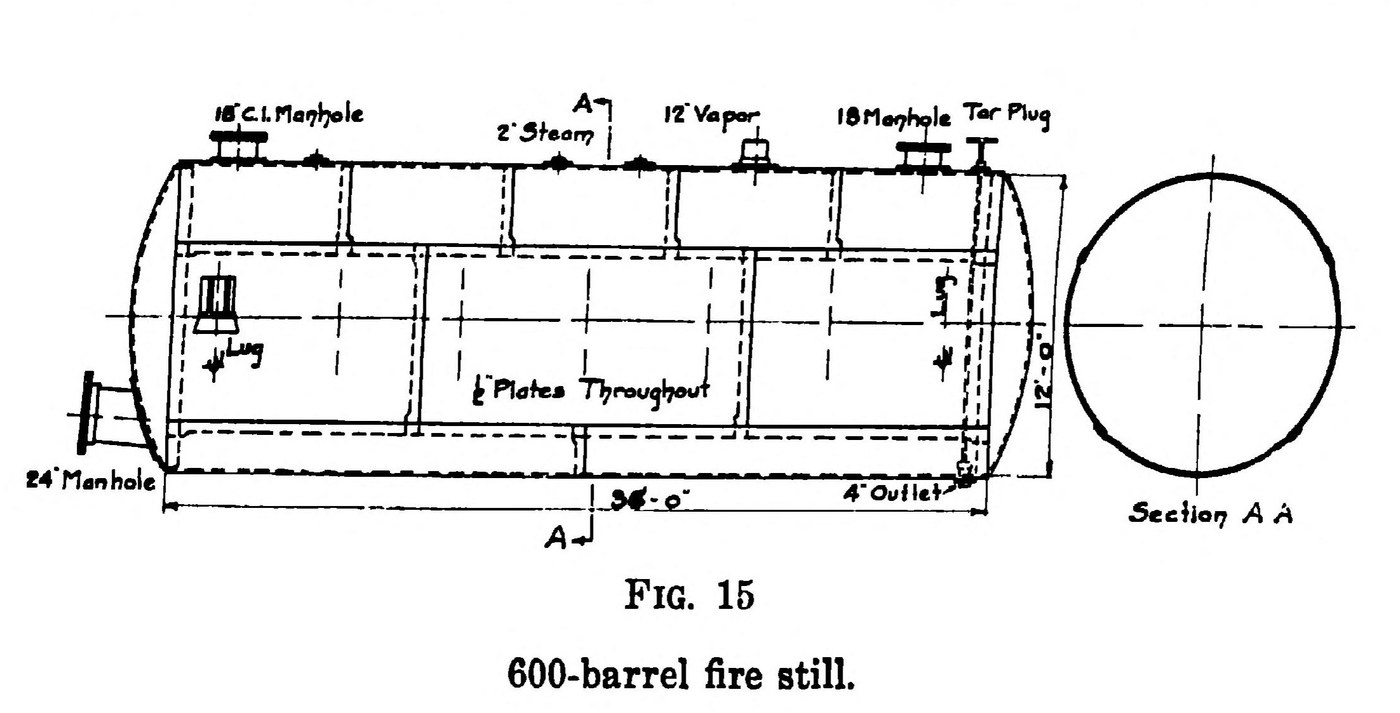
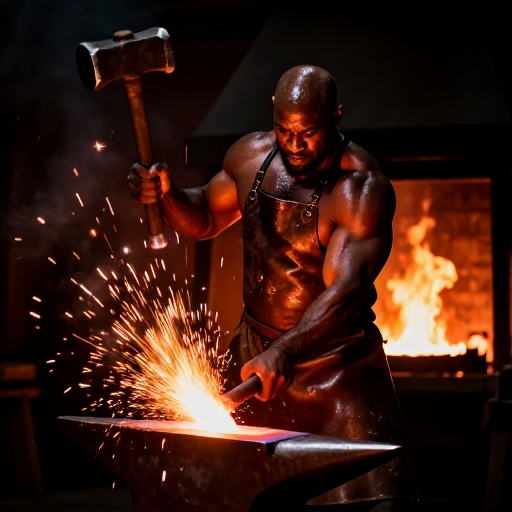

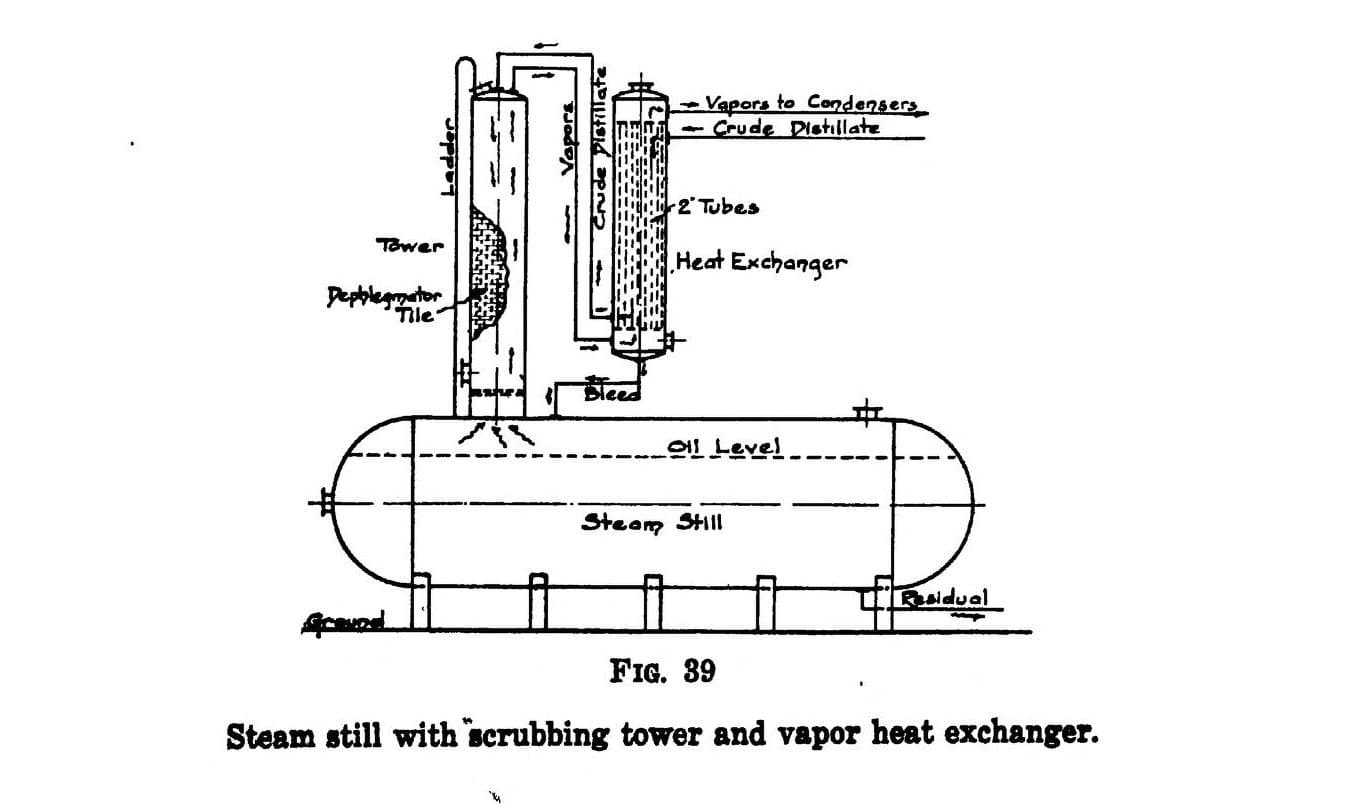
Horizontal Cylinder Still: the Riveted Fire Still (Bell, 1923)
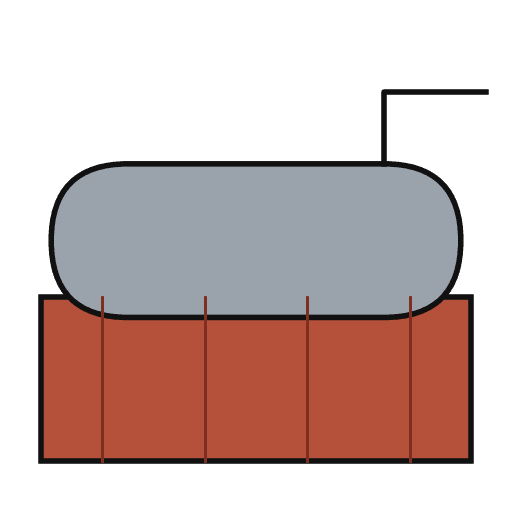
The refinery's direct-fired crude still: a long horizontal cylinder of riveted steel plate hung on lugs over a brick furnace, with a steam line, manholes, a vapour outlet to the condensers and a bottom outlet for residue.
Variable: size; the favoured length is about three times the diameter. Bell's Fig. 15 is a 600-barrel still, 12 ft across and 36 ft long, of 1/2 in plate throughout.
Source: H. S. Bell, American Petroleum Refining (1923), pp. 83-92. Picture: Fig. 15 of the book.
ཆེས་མཁས་པ
Unknown
ལམ་སྟོན
1
1
Size the still
Size the still
Make it about three times as long as it is wide. Batch stills take overhead about 1.5 gallons per hour per square foot of evaporating surface (two-thirds of diameter x length); continuous ones about 2.5. Give the vapour outlet at least 0.17 sq in per gallon of distillate per hour, placed half to two-thirds of the way from the fire end.
ལག་ཆས་དགོས་མཁོ:
 མ་ཤེས་པའི་ཚད།
2
2
Choose and roll the plates
Choose and roll the plates
Use fire-box or still-bottom steel 1/2 in thick for the bottom (5/8 in for stills run down to coke; more is not worth it). Up to 10 ft diameter, 3/8 in flange steel does for the sides and top; larger stills, 1/2 in throughout. Up to 30 ft long: bottom of two plates, sides of three, top of narrow barrel plates; longer: three, four and barrel plates 5 to 6 ft wide. Keep the caulking edges of the bottom plates away from the fire. Dish the heads to a radius equal to the diameter, in one piece up to 10 ft, otherwise seamed on the horizontal diameter, as thick as the shell or 1/16 in thicker.
གོམ་པ་འདིའི་རྫས་རིགས:
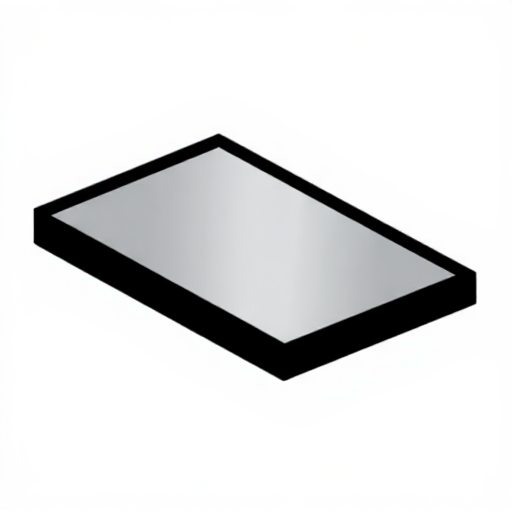 ལྕགས་འཇམ་གྱི་ཤོག་ལེབ་སྟུག།1 shell, heads
ལག་ཆས་དགོས་མཁོ:
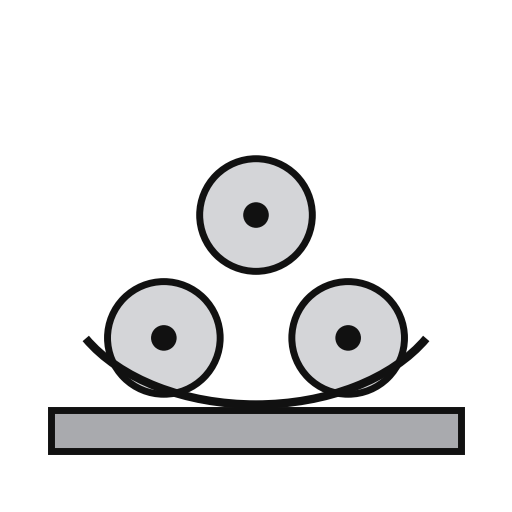 ལྕགས་ལྡེབ་གུག་འཕྲུལ།
 བུག་གནོན་འཕྲུལ།
3
3
Rivet and caulk
Rivet and caulk
Double-rivet all seams except at flanges and openings, with 3/4 in rivets even in the bottom, so holes can later be reamed to 7/8 or 1 in for repairs. Bevel and caulk the plates inside and out.
གོམ་པ་འདིའི་རྫས་རིགས:
 ལྕགས་ཀྱི་གཟེར།1 3/4 in
ལག་ཆས་དགོས་མཁོ:
 གཟེར་བརྡུང་གི་ཐོ་བ།
4
4
Fit openings and steam line
Fit openings and steam line
Fit (Fig. 15) a 24 in manhole in the front head, 18 in manholes on top, a 12 in vapour outlet, a 2 in steam line, a tar plug and a 4 in bottom outlet; caulk steel details to the shell and give cast-iron ones a caulking pad. Rivet lugs on the sides.
གོམ་པ་འདིའི་རྫས་རིགས:
 ལྕགས་བླུགས་ཀྱི་ཅ་ལ1 manhole frames, outlet castings
 ལྕགས་ཀྱི་ཕྱི་ལམ (གྱང་སྟུག་ཏོག་ཏོ། མཇུག་ལུ་སྐུད་རིས་ཡོད་མི)1 2 in steam line
 རླངས་པའི་ཁ་སྒོ1 དུམ་བུ།
 སྒོ་ཡི་ཝཱལ།1 4 in outlet
 ལྕགས་འཇམ་གྱི་ཟུར་ལྕགས།1 lugs
ལག་ཆས་དགོས་མཁོ:
གཟེར་བརྡུང་གི་ཐོ་བ།5
5
Set it over the furnace
Set it over the furnace
Hang the still on lugs from columns on concrete piers, lugs no more than 7 ft apart, so it is independent of the brickwork (Fig. 21). Set it at least 7 to 8 ft above the grates or burners, or better, put the fire box in a Dutch oven in front, for clean combustion. Batch stills expose about a third of the circumference to the fire; for continuous running raise the lugs 12 in above the centre line with a stiff tie between them and fire the full half circumference.
གོམ་པ་འདིའི་རྫས་རིགས:
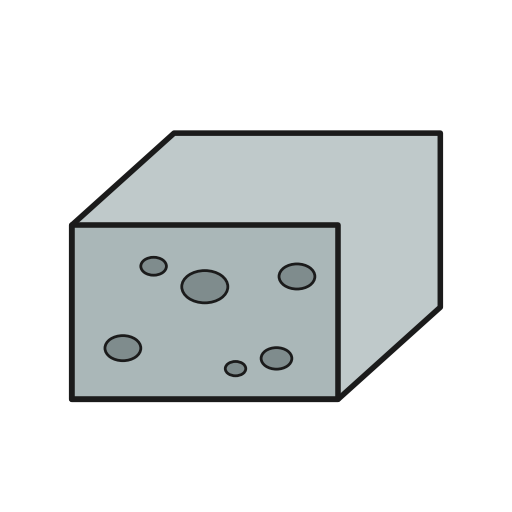 ཀོང་ཀི་རིཊ།1 piers
 མེ་ཐེག་འཇིམ་པའི་ས་ཕག1 furnace lining
 སོ་ཕག1 setting
ལག་ཆས་དགོས་མཁོ:
 རྡོ་བཟོ་བའི་སྐྱོགས།
རྫས་རིགས
10- 1 shell, headsས་ཆ་འཛིན
- 1 3/4 inས་ཆ་འཛིན
- 1 manhole frames, outlet castingsས་ཆ་འཛིན
- 1 2 in steam lineས་ཆ་འཛིན
- 1 དུམ་བུ།ས་ཆ་འཛིན
- 1 4 in outletས་ཆ་འཛིན
- 1 lugsས་ཆ་འཛིན
- 1 piersས་ཆ་འཛིན
- 1 furnace liningས་ཆ་འཛིན
- 1 settingས་ཆ་འཛིན
ལག་ཆས་དགོས་མཁོ
5- ས་ཆ་འཛིན
- ས་ཆ་འཛིན
- ས་ཆ་འཛིན
- ས་ཆ་འཛིན
- ས་ཆ་འཛིན
མཐུད་སྦྲེལ་བིལུ་པིརིན་ཊི་རྫས་རིགས
བིལུ་པིརིན་ཊི་འདི་གིས་བཟོ་མི
CC0 སྤྱི་དབང
བིལུ་པིརིན་ཊི་འདི་CC0 འོག་བཀྲམས་ཡོད། ཁྱེད་རང་གིས་ཆོག་མཆན་མ་བཞེས་པར་ཕབ་ལེན་དང་བཟོ་བཅོས། བགོ་བཤའ། དགོས་མཁོ་གང་ལའང་བཀོལ་སྤྱོད་བྱས་ཆོག
བཟོ་མཁན་ལ་རྒྱབ་སྐྱོར་བྱེད་པའི་ཆེད་ཁོང་ཚོའི་བིལུ་པིརིན་ཊི་བརྒྱུད་ཐོན་སྐྱེད་ཉོ། བཟོ་མཁན་གྱིས བཟོ་མཁན་གྱི་ཁེ་ཕོགས ཚོང་པས་གཏན་འཁེལ་བྱས་པ། ཡང་ན་བིལུ་པིརིན་ཊི་འདིའི་པར་གསར་བཟོས་ཏེ་ཁྱེད་རང་གི་བིལུ་པིརིན་ཊི་ནང་མཐུད་སྦྲེལ་བྱས་ཏེ་ཡོང་སྒོ་བགོ་བཤའ་བྱེད།