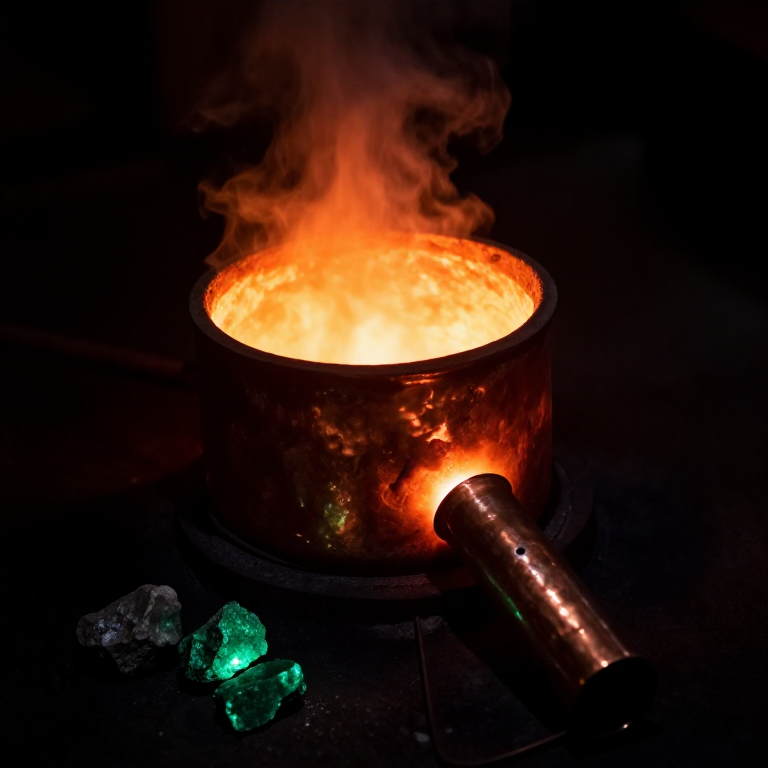
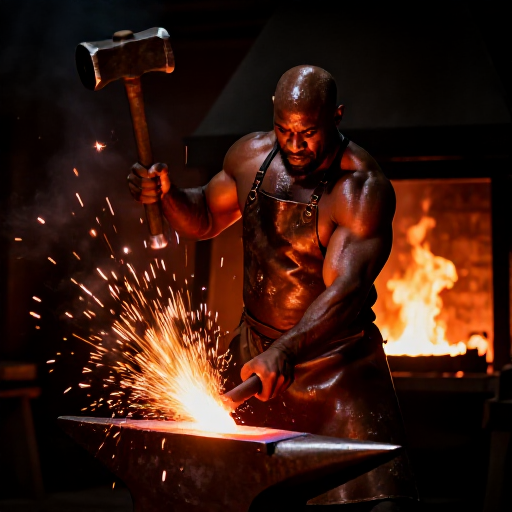

Smelting Copper from Malachite — The Birth of Metallurgy
ལམ་སྟོན
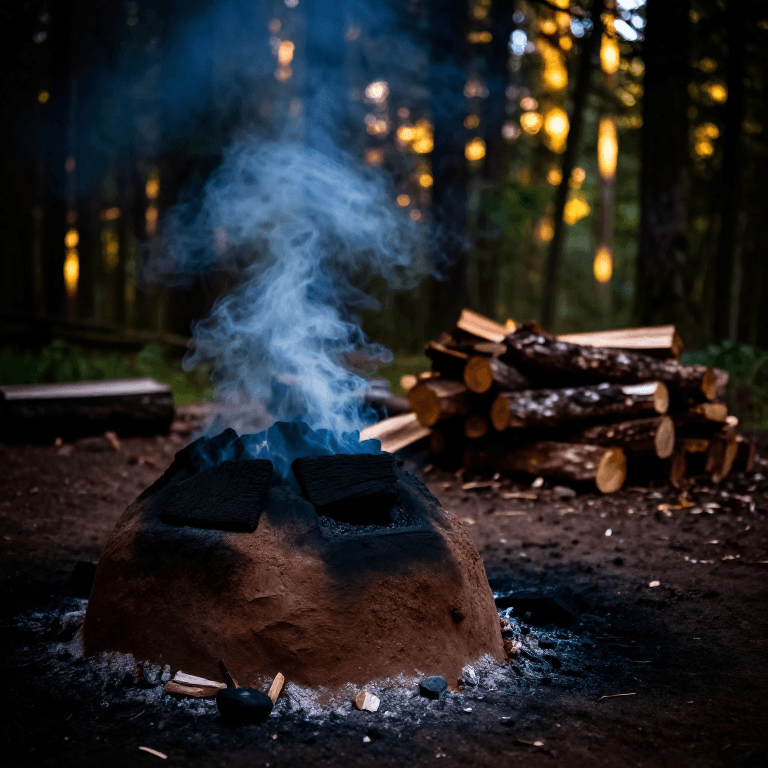
Prerequisite: Making Charcoal
Prerequisite: Making Charcoal
You need 15kg of quality charcoal. Attempting copper smelting with wood fire will fail — copper melts at 1085°C, beyond what wood alone achieves.
སྔོན་འགྲོ་བིལུ་པིརིན་ཊི
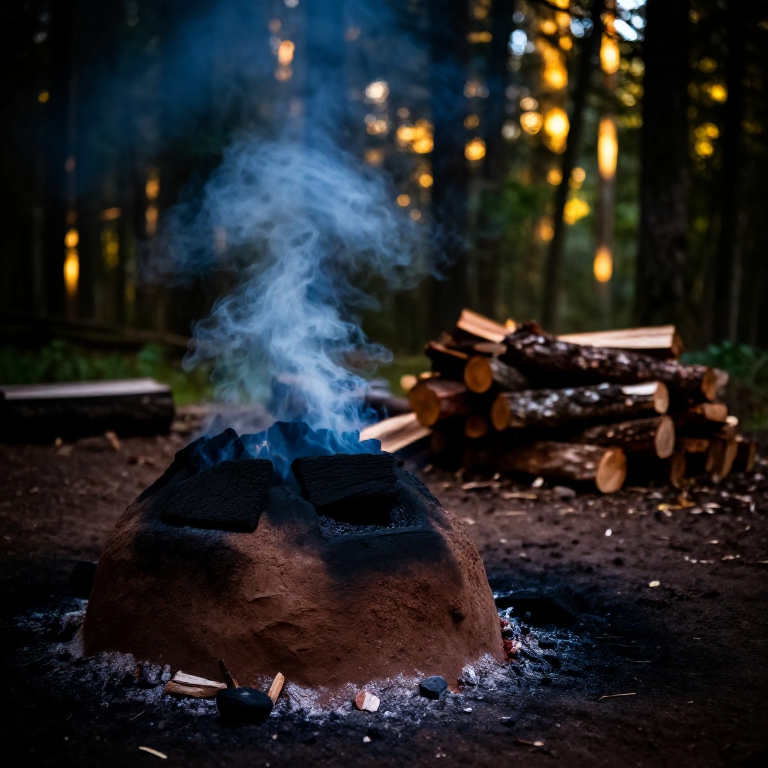
Making Charcoal — The First Chemical Process
གོམ་པ་འདིའི་རྫས་རིགས:
 ནུས་ལྡན་སོལ་བའི་ཕྱེ་མ།15 kg
ལག་ཆས་དགོས་མཁོ:
 ཐབ།
ཐབ། རླུང་སྦུད་ཆས།
 བཞུ་སྣོད་ཀྱི་གཟེར་ཆས།
 བླུགས་ནིའི་རྡོ། (ལེབ་ཏོག་ཏོ་ འཇམ་ཏོང་ཏོ)
 རྡོའི་ཐོ་བ (གཏེར་ཁ་བརྡུང་ནི)
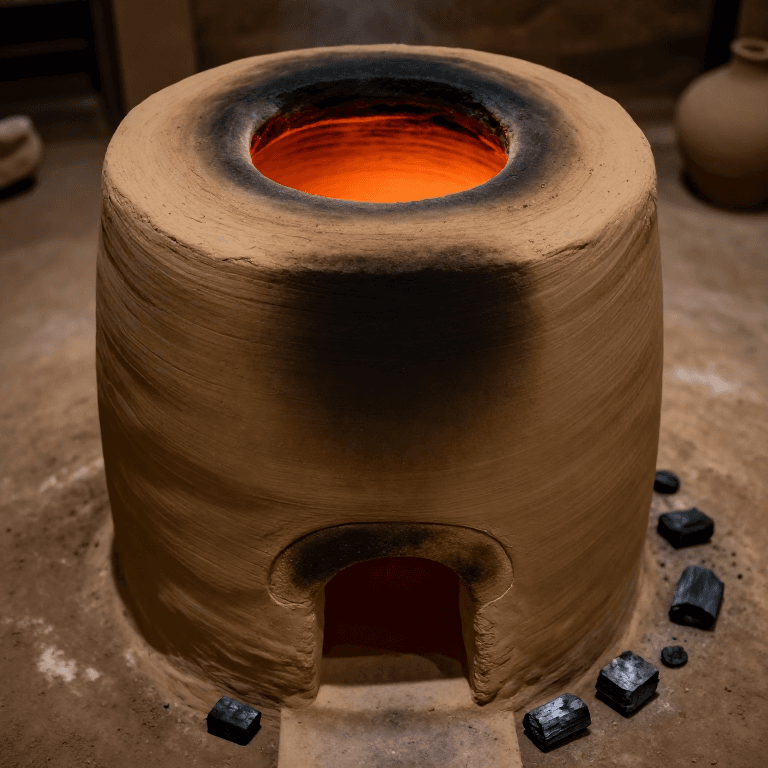
Prerequisite: Building a Clay Kiln
Prerequisite: Building a Clay Kiln
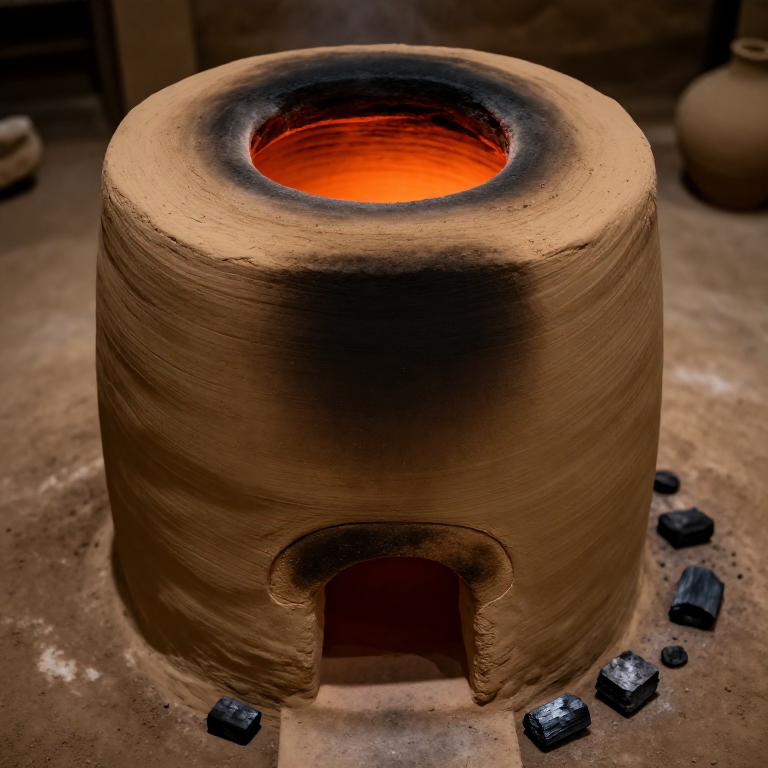
You need a kiln capable of reaching 1100°C for copper smelting.
སྔོན་འགྲོ་བིལུ་པིརིན་ཊི
Building a Clay Kiln — The First Furnace
གོམ་པ་འདིའི་རྫས་རིགས:
 ཞུན་སྣོད།1 pc
The Chemistry of Copper Smelting
The Chemistry of Copper Smelting
The Reduction Reaction
Smelting is a chemical reduction. Carbon (from charcoal) strips oxygen from the copper ore:
Cu₂CO₃(OH)₂  →  2CuO + CO₂ + H₂O    (at ~300°C, decomposition)
2CuO + C     →  2Cu + CO₂             (at ~800°C, reduction)
In plain English: heat breaks malachite into copper oxide + gas. Then carbon steals the oxygen from the copper oxide, leaving pure copper metal + carbon dioxide gas.
Why Charcoal, Not Wood?
Two reasons:
- Temperature: The reduction reaction requires ~800°C sustained. Wood fires don't reliably reach this.
- Carbon monoxide: Charcoal produces CO gas, which is a more efficient reducing agent than solid carbon. CO penetrates the ore and reduces it from the inside out.
Ore Preparation
- Crush the malachite to pea-sized pieces (5-10mm). Smaller = faster reduction, but powder clogs airflow.
- Sort — remove any non-green rock (gangue). Pure green malachite smelts best.
- Roast (optional): Heat crushed ore in an open fire for 1 hour. This drives off moisture and CO₂, converting malachite to black CuO (tenorite). Pre-roasted ore reduces faster.
གོམ་པ་འདིའི་རྫས་རིགས:
ནུས་ལྡན་སོལ་བའི་ཕྱེ་མ།15 kg མ་ལ་ཀའིཊ་ཀྱི་ཨུ་ཚུགས་ (Cu2CO3(OH)2)2 kg
The Smelt
The Smelt
Loading the Kiln
- Fill the kiln ⅓ full with charcoal. Light it and bring to full temperature (orange-hot interior, ~1000°C) using bellows.
- Place the crucible in the center of the charcoal bed. Pre-heat it for 10 minutes before loading ore.
- Add crushed malachite to the crucible — don't fill more than ⅔ (it will bubble as CO₂ escapes).
- If using flux (borax or wood ash), add a thin layer on top of the ore.
- Cover the ore with a layer of charcoal pieces inside the crucible.
- Pack more charcoal around and above the crucible inside the kiln.
Maintaining Temperature
- Continuous bellows: Pump steadily — one full pump every 2-3 seconds. Temperature drops fast without forced air.
- Add charcoal from the top every 15-20 minutes as it burns down. The crucible must stay buried in hot charcoal.
- Duration: 2-4 hours for a full smelt. Don't rush.
Signs of Success
- Green flames: Copper compounds produce distinctive green-tinted flames. Good sign.
- Bubbling in crucible: CO₂ escaping from the reduction reaction.
- Slag forming on top: A glassy, dark layer of impurities floating above the copper. This is normal and desirable — it protects the copper from re-oxidation.
གོམ་པ་འདིའི་རྫས་རིགས:
ནུས་ལྡན་སོལ་བའི་ཕྱེ་མ།15 kgཞུན་སྣོད།1 pcམ་ལ་ཀའིཊ་ཀྱི་ཨུ་ཚུགས་ (Cu2CO3(OH)2)2 kg སེམས་ཅན་སྲུང་བཞག་གི་བོ་རེགསི།0.5 kg
Pouring and Recovery
Pouring and Recovery
The Pour
- When the slag looks glassy and the crucible contents are liquid, it's time to pour.
- Pre-heat your casting stone by placing it near the kiln opening. Cold stone + molten copper = dangerous spatter.
- Using crucible tongs, carefully lift the crucible from the charcoal bed.
- Pour in a steady stream into the depression in the casting stone. Pour the slag separately.
- Allow to cool naturally. DO NOT quench with water (causes brittleness and can cause steam explosion).
What You Should See
A copper button — a rough, reddish-orange disc of metal. It may have slag inclusions and a rough surface. This is normal for primitive smelting.
Yield
Expect 50-70% copper recovery from good malachite. Some copper remains trapped in slag. Ancient smiths re-smelted slag to recover more.
The Innovation Moment
You've just performed the most transformative chemical process in human history. From green rock, you extracted a metal that can be hammered into tools, ornaments, and weapons. But pure copper is soft. To make it truly useful, you need to alloy it — see Blueprint 07: Alloying Bronze.
First, though, you should learn to shape this copper — see Blueprint 05: Casting Copper Tools.
གོམ་པ་འདིའི་རྫས་རིགས:
ནུས་ལྡན་སོལ་བའི་ཕྱེ་མ།15 kgཞུན་སྣོད།1 pcརྫས་རིགས
5- ས་ཆ་འཛིན
- ས་ཆ་འཛིན
- 1 དུམ་བུ།ས་ཆ་འཛིན
- ས་ཆ་འཛིན
- 15 kgས་ཆ་འཛིན
ལག་ཆས་དགོས་མཁོ
5- ས་ཆ་འཛིན
- ས་ཆ་འཛིན
- ས་ཆ་འཛིན
- ས་ཆ་འཛིན
མཐུད་སྦྲེལ་བིལུ་པིརིན་ཊི་རྫས་རིགས

CC0 སྤྱི་དབང
བིལུ་པིརིན་ཊི་འདི་CC0 འོག་བཀྲམས་ཡོད། ཁྱེད་རང་གིས་ཆོག་མཆན་མ་བཞེས་པར་ཕབ་ལེན་དང་བཟོ་བཅོས། བགོ་བཤའ། དགོས་མཁོ་གང་ལའང་བཀོལ་སྤྱོད་བྱས་ཆོག
བཟོ་མཁན་ལ་རྒྱབ་སྐྱོར་བྱེད་པའི་ཆེད་ཁོང་ཚོའི་བིལུ་པིརིན་ཊི་བརྒྱུད་ཐོན་སྐྱེད་ཉོ། བཟོ་མཁན་གྱིས བཟོ་མཁན་གྱི་ཁེ་ཕོགས ཚོང་པས་གཏན་འཁེལ་བྱས་པ། ཡང་ན་བིལུ་པིརིན་ཊི་འདིའི་པར་གསར་བཟོས་ཏེ་ཁྱེད་རང་གི་བིལུ་པིརིན་ཊི་ནང་མཐུད་སྦྲེལ་བྱས་ཏེ་ཡོང་སྒོ་བགོ་བཤའ་བྱེད།