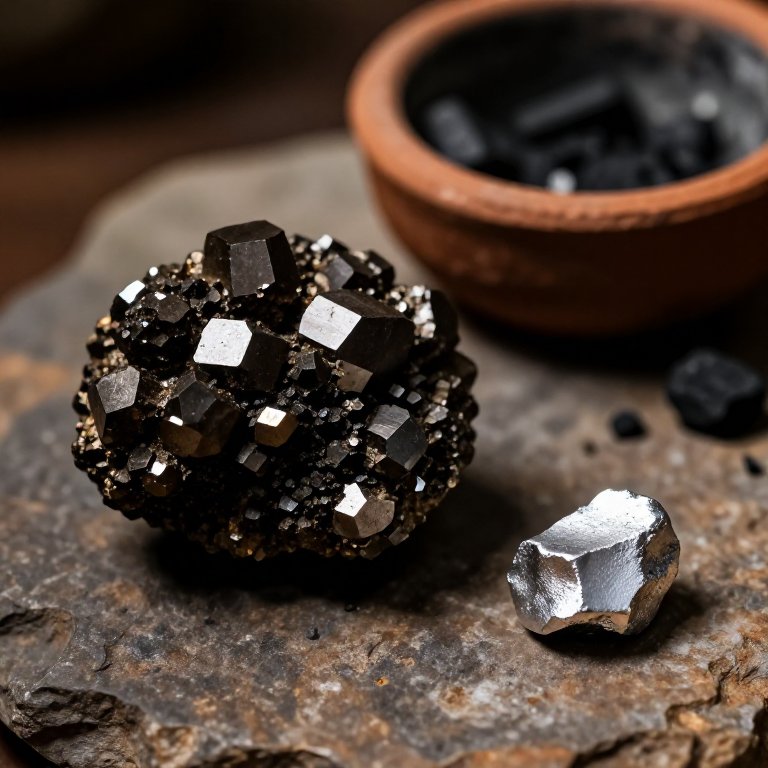


Extracting Tin from Cassiterite — The Missing Ingredient
ལམ་སྟོན
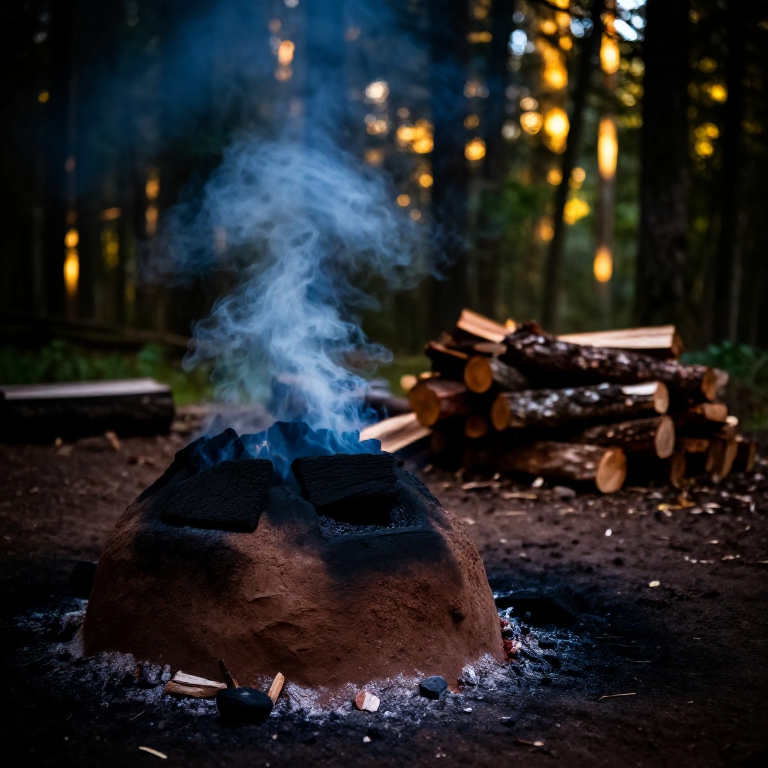
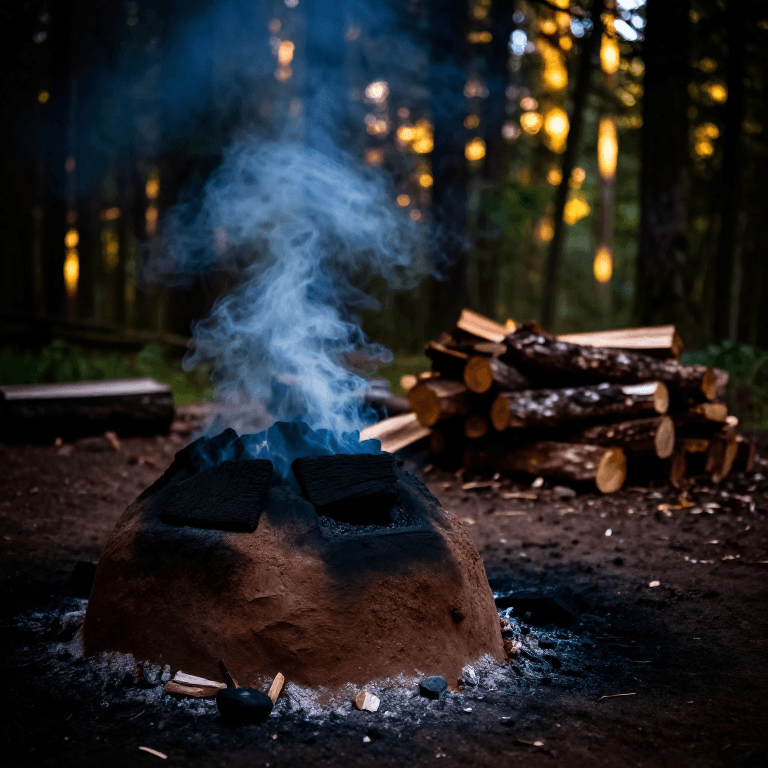
Prerequisite: Making Charcoal
Prerequisite: Making Charcoal
You need charcoal for tin smelting fuel.
སྔོན་འགྲོ་བིལུ་པིརིན་ཊི
Making Charcoal — The First Chemical Process
གོམ་པ་འདིའི་རྫས་རིགས:
 ནུས་ལྡན་སོལ་བའི་ཕྱེ་མ།8 kg
 གསེར་ཞུན1 གཞི་བསྟུན།
ལག་ཆས་དགོས་མཁོ:
 ཐབ།
ཐབ། རླུང་སྦུད་ཆས།
 མགར་བའི་གཟེར་ཆས།
 རྡོའི་ཐོ་བ (གཏེར་ཁ་བརྡུང་ནི)
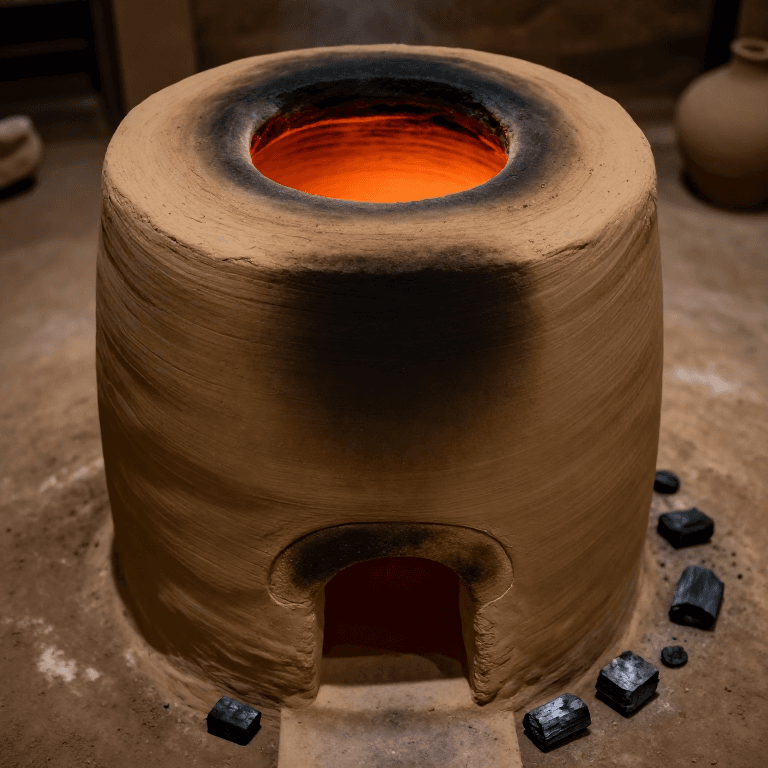
Prerequisite: Building a Clay Kiln
Prerequisite: Building a Clay Kiln
You need a kiln for the tin smelting process.
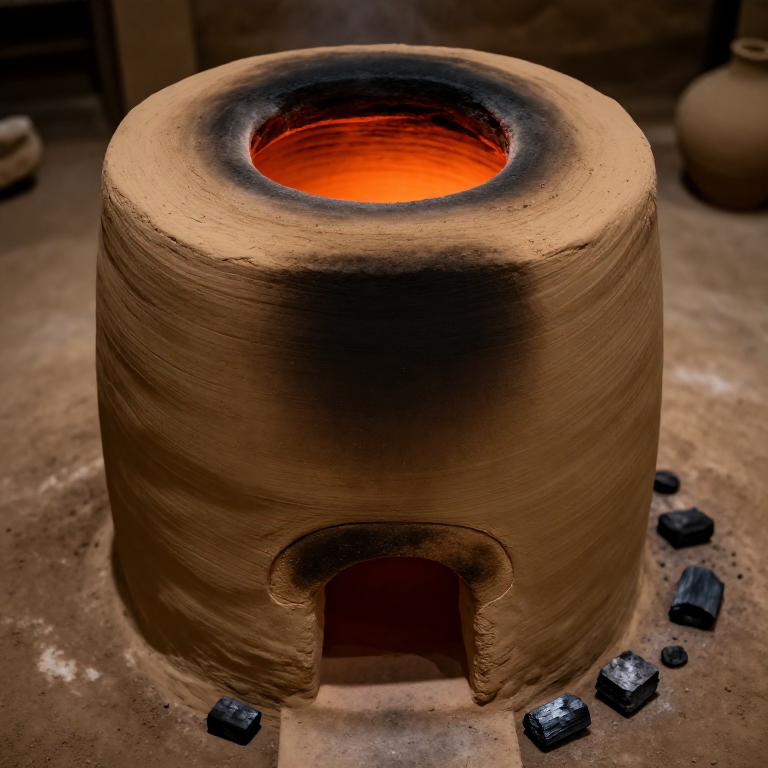
སྔོན་འགྲོ་བིལུ་པིརིན་ཊི
Building a Clay Kiln — The First Furnace
གོམ་པ་འདིའི་རྫས་རིགས:
གསེར་ཞུན1 གཞི་བསྟུན།The Chemistry of Tin Reduction
The Chemistry of Tin Reduction
The Reaction
SnO₂ + 2C → Sn + 2CO₂ (at ~900°C)
Carbon from charcoal reduces tin oxide to metallic tin. This is chemically simpler than copper smelting — cassiterite is a simple binary oxide.
Why It's Easy to Smelt
- Reduction temperature: ~900°C (well within kiln range)
- Tin melts at only 232°C — it liquefies immediately upon reduction
- Tin is dense (7.3 g/cm³) — it separates cleanly from slag by gravity
- Unlike copper, tin doesn't readily re-oxidize at smelting temperatures
Ore Preparation
- Crush cassiterite to coarse sand (2-5mm). Tin oxide is extremely hard — this takes effort.
- Wash crushed ore in a stream or pan (like gold panning). Cassiterite is heavy (density 6.8-7.1) — it concentrates just like gold.
- Ancient tin miners used streaming — washing alluvial deposits in wooden troughs to separate heavy cassiterite from lighter sand.
གོམ་པ་འདིའི་རྫས་རིགས:
ནུས་ལྡན་སོལ་བའི་ཕྱེ་མ།8 kg ཀེ་སི་ཊེ་རཡིཊ་ཀྱི་གཏེར་རྡོ་ (SnO₂)1 kgགསེར་ཞུན1 གཞི་བསྟུན།
Smelting
Smelting
Kiln Setup
- Bring kiln to full temperature with charcoal and bellows (~1000°C).
- Pre-heat crucible in the kiln for 10 minutes.
- Layer in the crucible: charcoal → crushed cassiterite → charcoal → cassiterite → charcoal (like a sandwich).
- The charcoal layers ensure intimate contact between carbon and ore for efficient reduction.
The Smelt
- Maintain bellows operation for 1-2 hours. Tin smelts faster than copper.
- Watch for tin droplets collecting at the bottom of the crucible — they're bright and silvery.
- Add more charcoal to the kiln as needed to maintain temperature.
- After 2 hours, the reduction should be complete.
Recovery
- Carefully remove the crucible. The tin has pooled at the bottom under a layer of slag.
- Pour the contents onto a flat stone. The heavy tin will run out first, followed by lighter slag.
- Alternatively, let it cool in the crucible and break the slag off the solidified tin button.
Yield
Cassiterite is ~78.8% tin by weight. Expect 60-75% recovery with primitive methods. 1kg ore → 450-600g tin.
གོམ་པ་འདིའི་རྫས་རིགས:
ནུས་ལྡན་སོལ་བའི་ཕྱེ་མ།8 kgཀེ་སི་ཊེ་རཡིཊ་ཀྱི་གཏེར་རྡོ་ (SnO₂)1 kgགསེར་ཞུན1 གཞི་བསྟུན།Properties and What's Next
Properties and What's Next
Identifying Your Tin
- Appearance: Bright silvery-white, with a slight bluish tint
- Sound: Bending a tin bar produces a distinctive "tin cry" — a crackling sound caused by crystal twinning
- Softness: Very soft — easily scratched with a fingernail
- Melting: Melts easily over a campfire (232°C)
Why Tin Alone Isn't Useful
Pure tin is too soft for tools. It bends easily and has poor edge retention. But when you add just 10-12% tin to copper, something remarkable happens — the resulting alloy (bronze) is harder than either metal alone, casts better, and holds a sharper edge than pure copper.
This discovery — that mixing two soft metals creates a hard alloy — was the insight that launched the Bronze Age. See Blueprint 07: Alloying Bronze.
གོམ་པ་འདིའི་རྫས་རིགས:
གསེར་ཞུན1 གཞི་བསྟུན།རྫས་རིགས
4- ས་ཆ་འཛིན
- ས་ཆ་འཛིན
- 1 གཞི་བསྟུན།ས་ཆ་འཛིན
- ས་ཆ་འཛིན
ལག་ཆས་དགོས་མཁོ
4- ས་ཆ་འཛིན
- ས་ཆ་འཛིན
- ས་ཆ་འཛིན
- ས་ཆ་འཛིན
མཐུད་སྦྲེལ་བིལུ་པིརིན་ཊི་རྫས་རིགས

CC0 སྤྱི་དབང
བིལུ་པིརིན་ཊི་འདི་CC0 འོག་བཀྲམས་ཡོད། ཁྱེད་རང་གིས་ཆོག་མཆན་མ་བཞེས་པར་ཕབ་ལེན་དང་བཟོ་བཅོས། བགོ་བཤའ། དགོས་མཁོ་གང་ལའང་བཀོལ་སྤྱོད་བྱས་ཆོག
བཟོ་མཁན་ལ་རྒྱབ་སྐྱོར་བྱེད་པའི་ཆེད་ཁོང་ཚོའི་བིལུ་པིརིན་ཊི་བརྒྱུད་ཐོན་སྐྱེད་ཉོ། བཟོ་མཁན་གྱིས བཟོ་མཁན་གྱི་ཁེ་ཕོགས ཚོང་པས་གཏན་འཁེལ་བྱས་པ། ཡང་ན་བིལུ་པིརིན་ཊི་འདིའི་པར་གསར་བཟོས་ཏེ་ཁྱེད་རང་གི་བིལུ་པིརིན་ཊི་ནང་མཐུད་སྦྲེལ་བྱས་ཏེ་ཡོང་སྒོ་བགོ་བཤའ་བྱེད།