


Forging an Iron Chisel — The Cutting Tool That Shapes Stone, Wood, and Metal
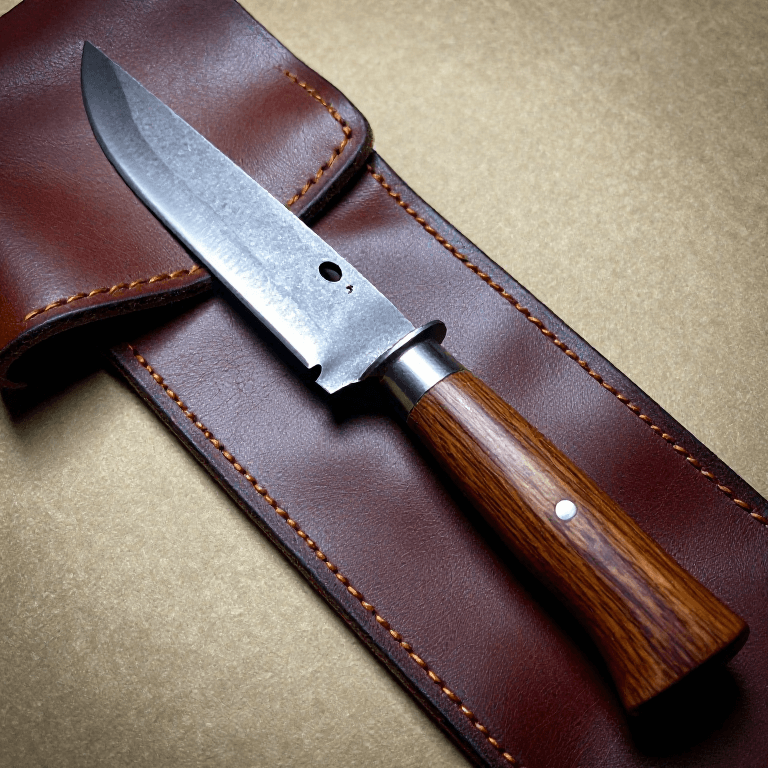
The chisel is perhaps the most versatile tool ever forged. A blacksmith's cold chisel cuts iron on the anvil. A mason's point chisel dresses stone blocks. A carpenter's firmer chisel shapes timber joints. In every case, the principle is the same: a hardened steel or iron edge driven by a hammer blow concentrates force onto a line, splitting the material along that line.
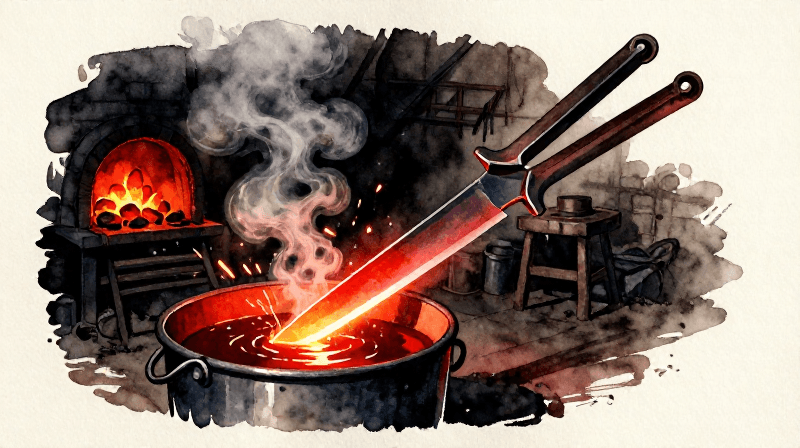
An iron chisel is forged from a single bar of wrought iron: one end is drawn to a flat wedge for the cutting edge, the other end is left square as the striking head. The critical technique is case-carburising the cutting end — packing it in charcoal and heating it to absorb carbon, converting the surface layer from soft wrought iron into hardenable steel. This steel edge is then quench-hardened and tempered, giving the chisel a hard cutting face backed by a tough, shock-absorbing body.
ལམ་སྟོན
Select and cut the bar stock
Select and cut the bar stock
Forge the cutting end to a wedge
Forge the cutting end to a wedge
གོམ་པ་འདིའི་རྫས་རིགས:
 སོལ་བ།3 kg
ལག་ཆས་དགོས་མཁོ:
 མགར་བའི་ཐོ་བ།
 མགར་བའི་གཟེར་ཆས།
 ཐབ (མགར་བའི་མེ)
Form the striking head
Form the striking head
Straighten and true
Straighten and true
Case-carburise the cutting end
Case-carburise the cutting end
Quench-harden the edge
Quench-harden the edge
གོམ་པ་འདིའི་རྫས་རིགས:
 ཆུ།5 l
Temper the hardened edge
Temper the hardened edge
ལག་ཆས་དགོས་མཁོ:
 བྱེ་རྡོ་ (གཞོག་ཆས)
Grind the final edge
Grind the final edge
ལག་ཆས་དགོས་མཁོ:
 རྡོ་བརྡར།
ལག་ཆས་དགོས་མཁོ
5- ས་ཆ་འཛིན
- ས་ཆ་འཛིན
- ས་ཆ་འཛིན
- ས་ཆ་འཛིན
- ས་ཆ་འཛིན
མཐུད་སྦྲེལ་བིལུ་པིརིན་ཊི་རྫས་རིགས

བིལུ་པིརིན་ཊི་འདི་གིས་བཟོ་མི

འབྲེལ་ཡོད་བིལུ་པིརིན་ཊི
བིལུ་པིརིན་ཊི་འདི་ཚུ་ཐབས་ལམ་དང་རྫས་རིགས། སྤྱི་ཆོས་བགོ་བཤའ་བྱེད

CC0 སྤྱི་དབང
བིལུ་པིརིན་ཊི་འདི་CC0 འོག་བཀྲམས་ཡོད། ཁྱེད་རང་གིས་ཆོག་མཆན་མ་བཞེས་པར་ཕབ་ལེན་དང་བཟོ་བཅོས། བགོ་བཤའ། དགོས་མཁོ་གང་ལའང་བཀོལ་སྤྱོད་བྱས་ཆོག
བཟོ་མཁན་ལ་རྒྱབ་སྐྱོར་བྱེད་པའི་ཆེད་ཁོང་ཚོའི་བིལུ་པིརིན་ཊི་བརྒྱུད་ཐོན་སྐྱེད་ཉོ། བཟོ་མཁན་གྱིས བཟོ་མཁན་གྱི་ཁེ་ཕོགས ཚོང་པས་གཏན་འཁེལ་བྱས་པ། ཡང་ན་བིལུ་པིརིན་ཊི་འདིའི་པར་གསར་བཟོས་ཏེ་ཁྱེད་རང་གི་བིལུ་པིརིན་ཊི་ནང་མཐུད་སྦྲེལ་བྱས་ཏེ་ཡོང་སྒོ་བགོ་བཤའ་བྱེད།