སྒྱུ་རྩལ
མཛེས་སྡུག་དང་བདེ་ཐང
བཟོ་རིག
རིག་གནས་དང་ལོ་རྒྱུས
དགའ་སྟོན
ཁོར་ཡུག
ཟས་དང་བཏུང་རྫས
ཕྱིར་འཕྲུལ་རིག
ཚན་རིག
རྩེད་འགྲན
རིག་རྩལ
གྱོན་རུང
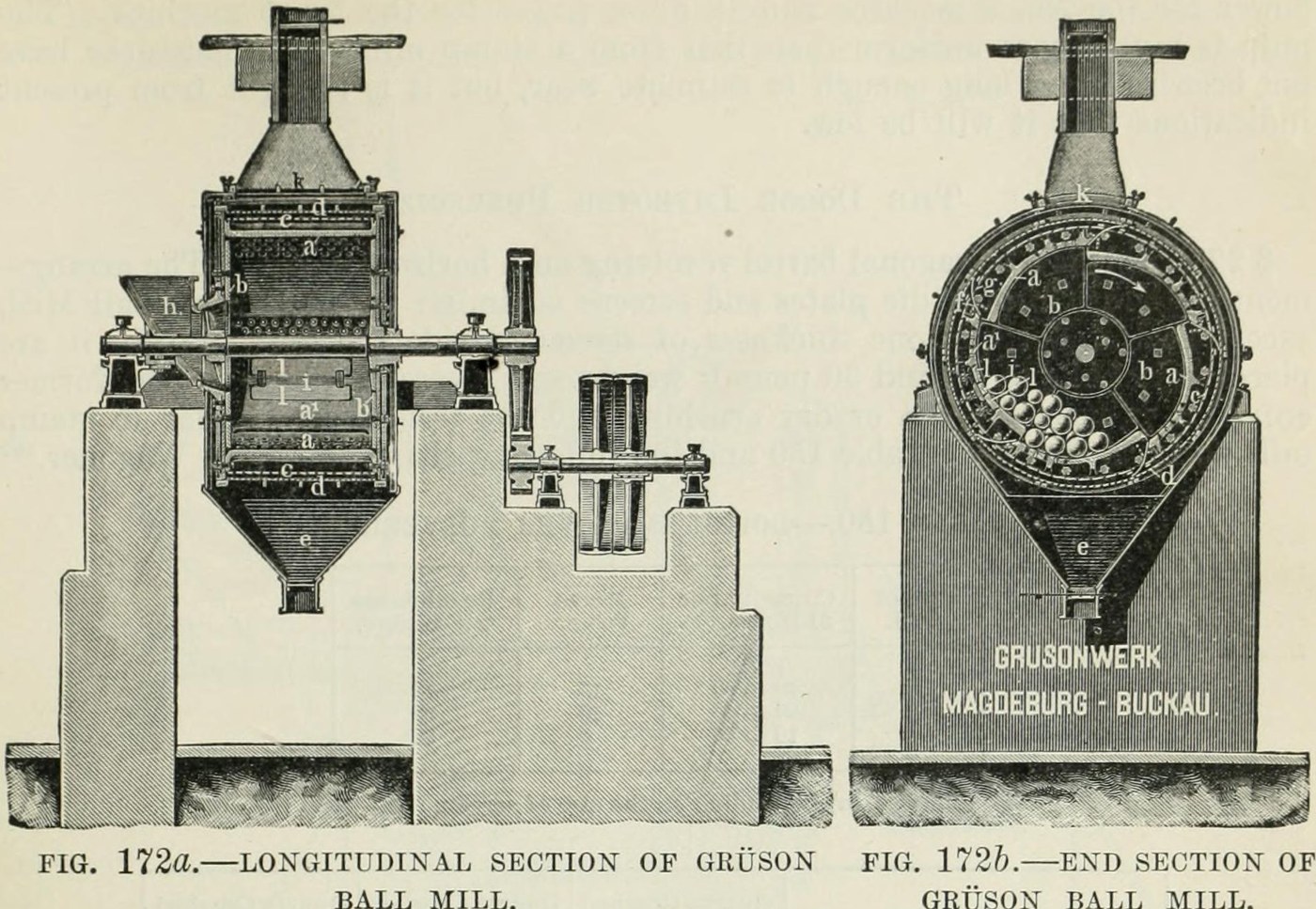


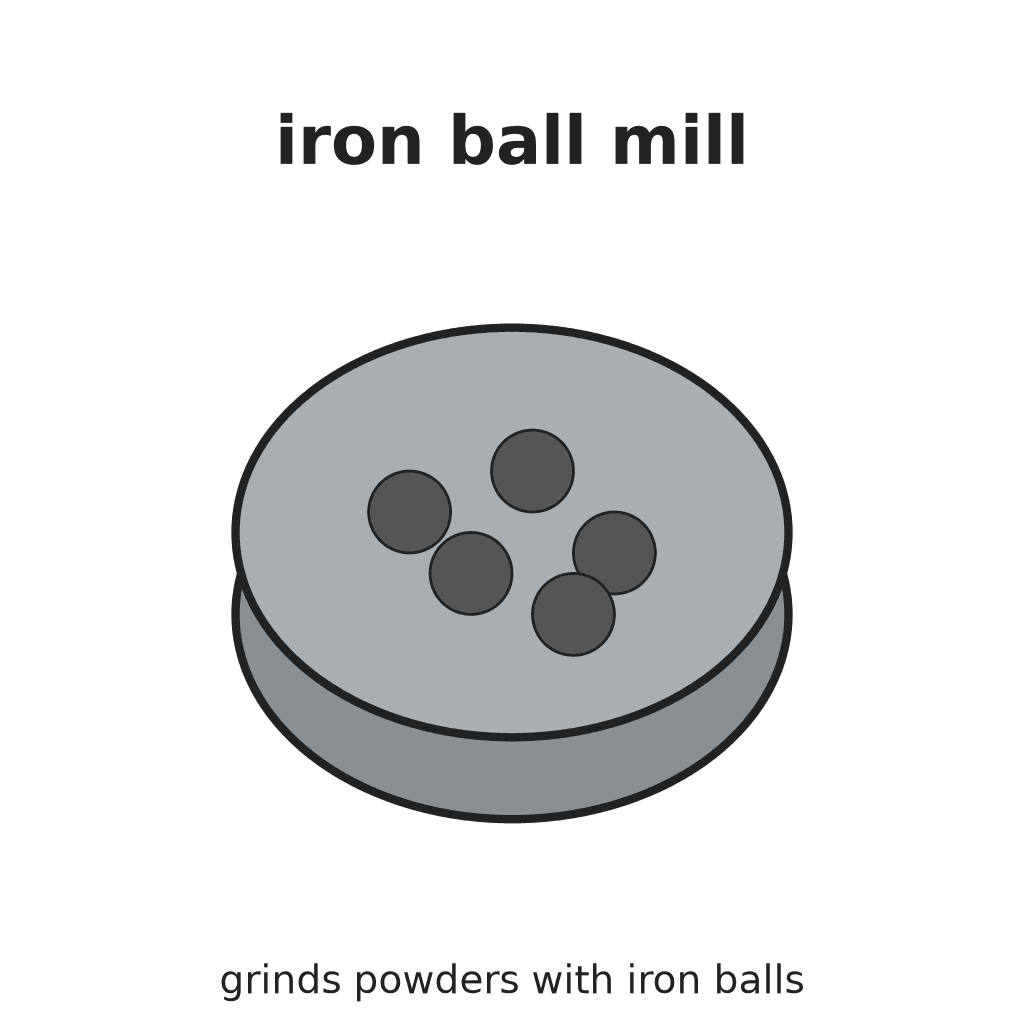
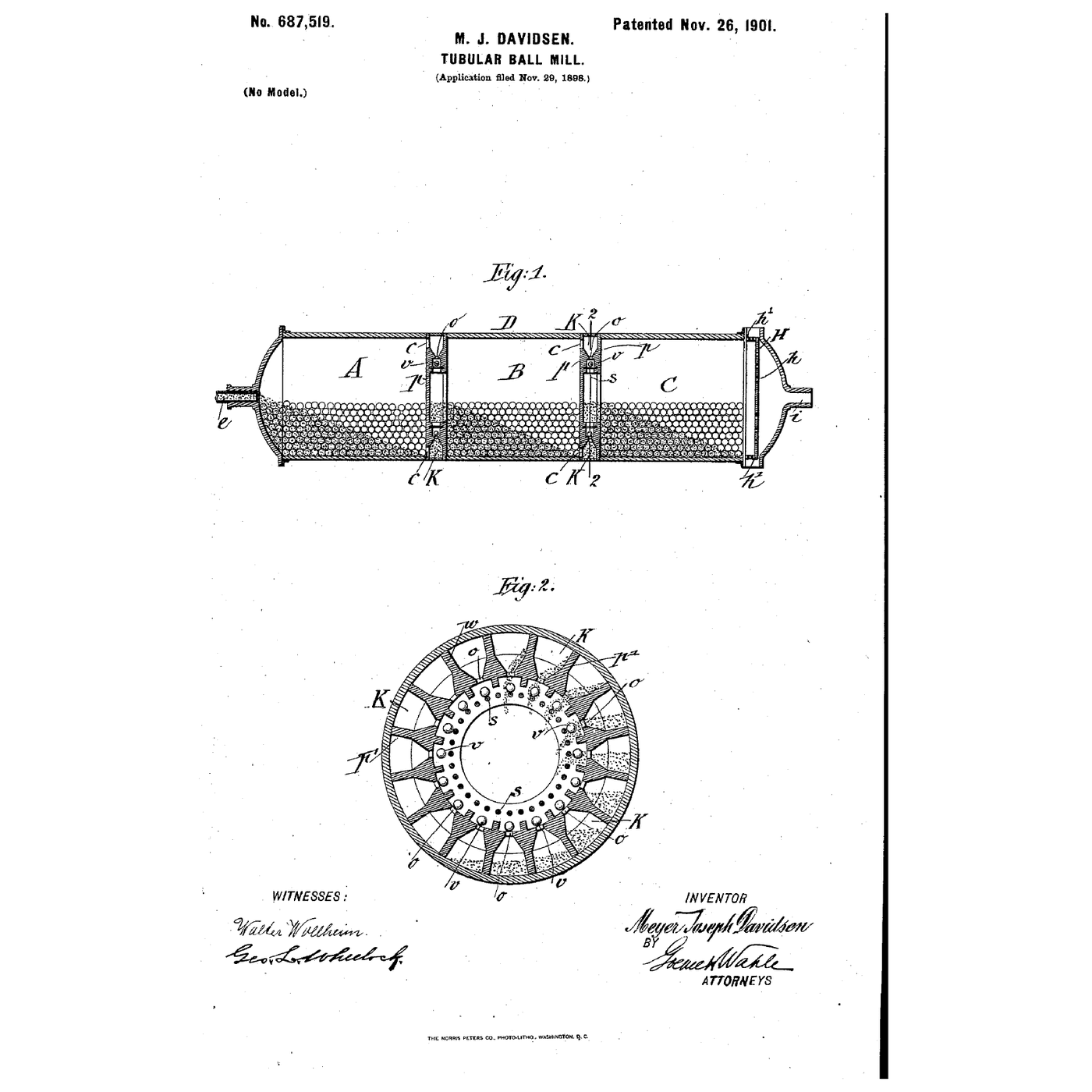
Iron Ball Mill: Grüson Drum with a Stepped Die Ring and Two Screens (Richards, 1903)
The Grüson ball mill: a drum turning on a horizontal axis, charged with chilled iron or steel balls of mixed sizes. The balls grind the ore against each other and against a stepped die ring. The ground ore passes out through a coarse and a fine screen; the oversize is carried back in.
Result: a mill for fine grinding of cement, fertiliser, clay and soft ores, wet or dry. Sizes from 0.66 m to 1.83 m across.
Source: R. H. Richards, Ore Dressing, vol. I (1903), § 225, Figs. 172a-b and Table 149. Unknown: dimensions beyond the table, and the materials of the side plates, screens and shaft. Picture: Richards, Figs. 172a-b.
མཐོ་རིམ
Unknown
ལམ་སྟོན
1
1
Make the drum and the die ring
Make the drum and the die ring
The drum is two side plates (b) joined round the edge by the die ring (a). The die ring is five perforated, spiral plates of chilled iron. Each plate laps the next, so they form steps: the balls drop from one step to the next, and the space under each step lets the oversize from the screens back in. Not given: the side-plate material, sizes, hole sizes.
གོམ་པ་འདིའི་རྫས་རིགས:
 ལྕགས་བླུགས་ཀྱི་ཅ་ལ5 die plates, chilled iron
 ངོ་མ་ཤེས་པའི་རྒྱུ་ཆ།2 side plates
ལག་ཆས་དགོས་མཁོ:
 མ་ཤེས་པའི་ཚད།
 ཚད་བསྒྱུར་ཚུགས་པའི་མཐེབ་ལྕགས།
2
2
Put the two screens round it
Put the two screens round it
Outside the die ring, fit a coarse perforated screen (c) to take the wear. It is in five parts with spaces between them and has back-deflecting holes (g). Outside that, fit a fine gauze screen (d). At the end of each section of fine screen, fix a deflector or shovel (f). As the drum turns, it carries the oversize up and back into the grinding space. Not given: the screens' metal and mesh.
གོམ་པ་འདིའི་རྫས་རིགས:
 ཁོང་རྡོལ་ཅན་གྱི་ཚགས་པང་།1 coarse screen, 5 parts
 ལྕགས་སྐུད་འཐག་མའི་ཚགས་རས།1 fine screenངོ་མ་ཤེས་པའི་རྒྱུ་ཆ།5 deflectors
ལག་ཆས་དགོས་མཁོ:
མ་ཤེས་པའི་ཚད།ཚད་བསྒྱུར་ཚུགས་པའི་མཐེབ་ལྕགས།3
3
Mount and house it
Mount and house it
Carry the drum on a horizontal shaft in two bearings; the figures show them on masonry piers. Enclose the drum in a plate iron housing with a discharge spout (e) below, a feed hopper (h) at one end, a manhole (i) and a dust pipe (k) on top. Ours: steel sheet for the plate iron.
གོམ་པ་འདིའི་རྫས་རིགས:
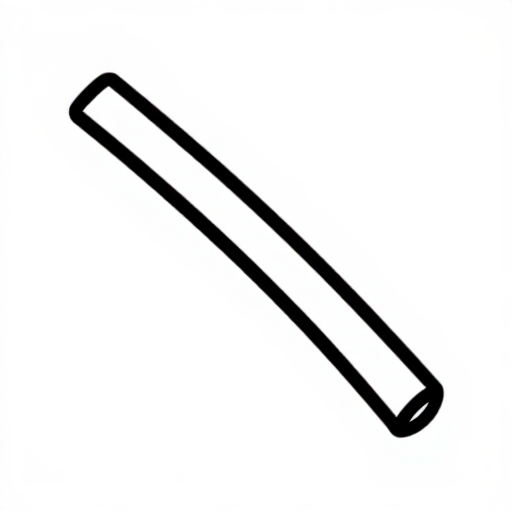 ལྕགས་ཀྱི་འཕང་ཤིང་།1 mill shaft
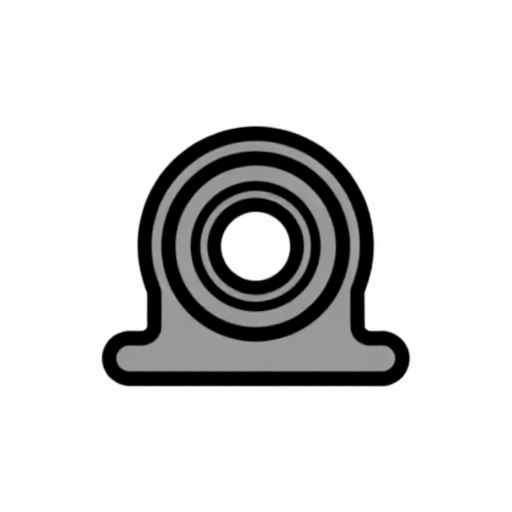 བེ་ཡ་རིང་བཞག་ས།2 དུམ་བུ།
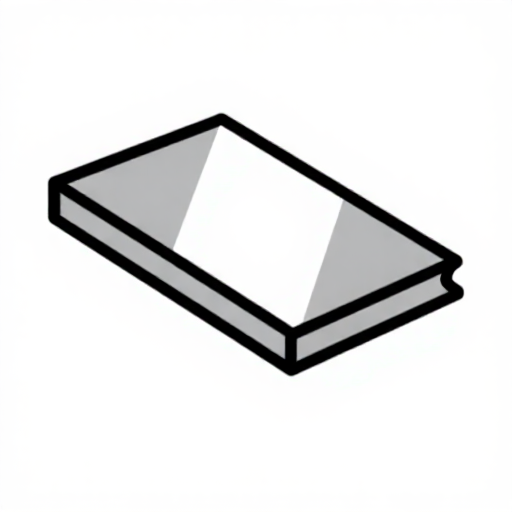 ལྕགས་འཇམ་གྱི་ལེབ་ཤོག1 housing, spout, hopper
ལག་ཆས་དགོས་མཁོ:
ཚད་བསྒྱུར་ཚུགས་པའི་མཐེབ་ལྕགས།མ་ཤེས་པའི་ཚད།4
4
Fit the drive
Fit the drive
Drive the mill by gear and pinion. In the figure, the gear is on the mill shaft and the pinion on a countershaft that carries tight and loose pulleys. A belt from the line shaft runs on the pulleys: on the tight pulley the mill turns, on the loose pulley it stops.
གོམ་པ་འདིའི་རྫས་རིགས:
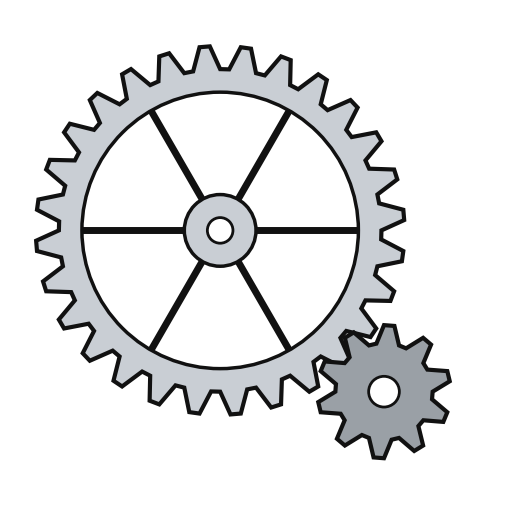 སོ་འཁོར་ཆེན་པོ།1 on the mill shaft
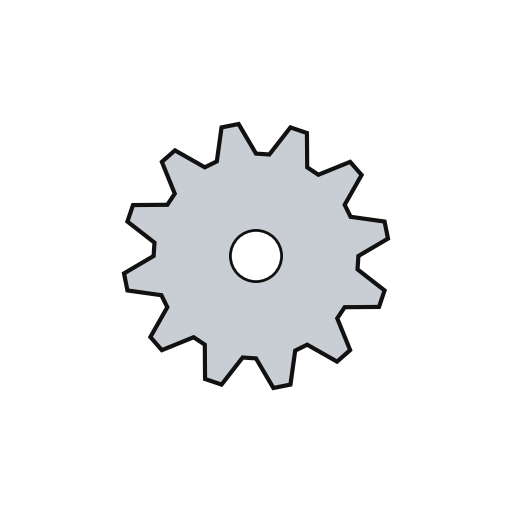 འཁོར་ལོ་སོ་ཅན་ཆུང་ཀུ།1 དུམ་བུ།ལྕགས་ཀྱི་འཕང་ཤིང་།1 countershaftབེ་ཡ་རིང་བཞག་ས།2 དུམ་བུ།
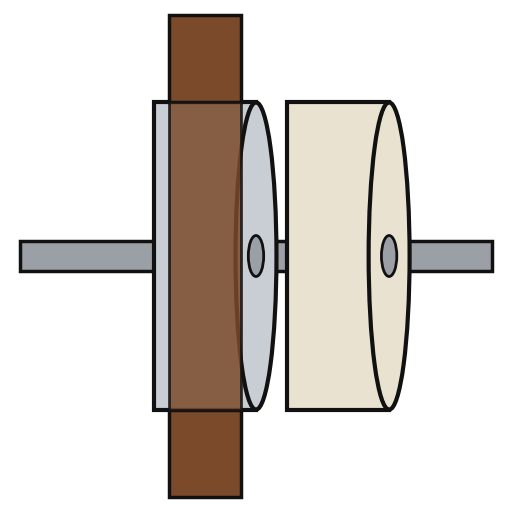 བཀྱིག་ཡོད་པའི་འཁོར་ལོ་དང་ ལྷོད་ཡོད་པའི་འཁོར་ལོ།1 དུམ་བུ།
ལག་ཆས་དགོས་མཁོ:
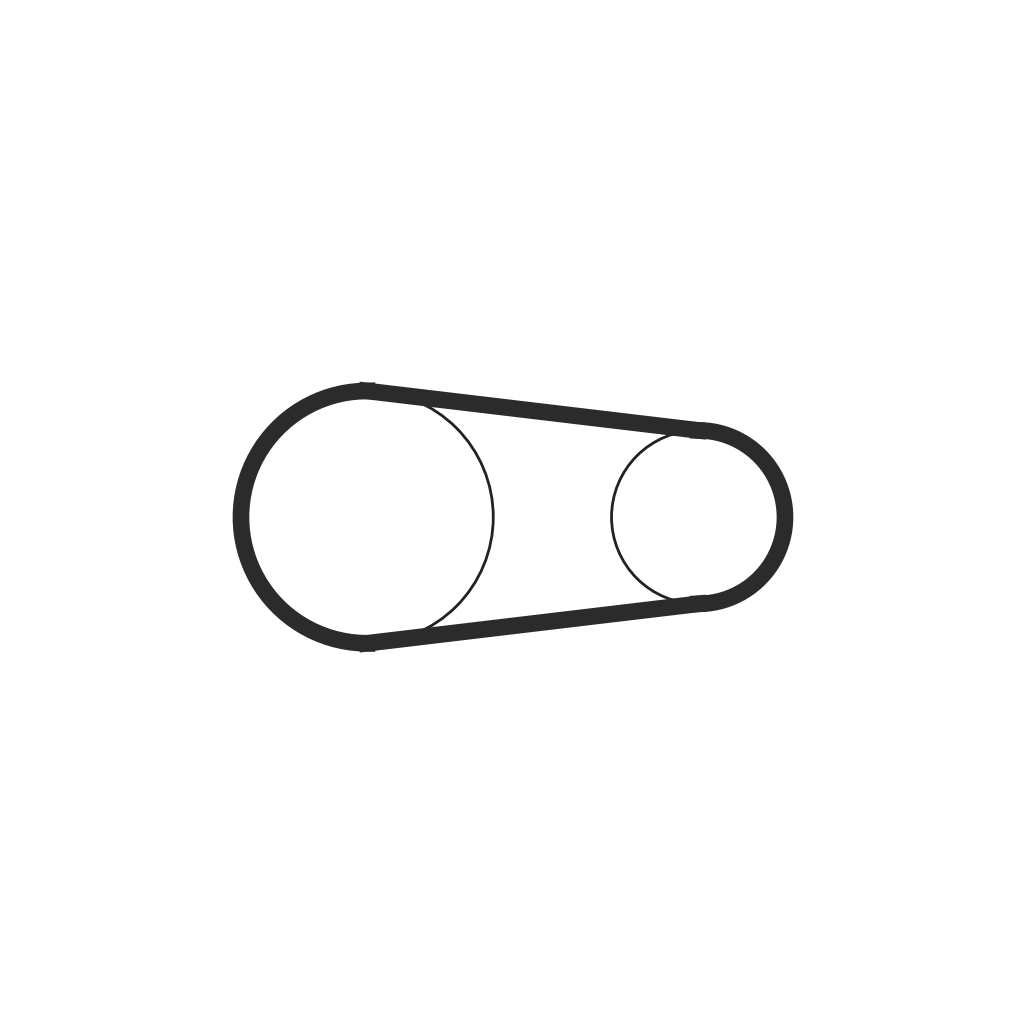 འཁོར་སྐྱེལ་སྐེད་རགས།ཚད་བསྒྱུར་ཚུགས་པའི་མཐེབ་ལྕགས།
5
5
Charge the balls (size sets the charge)
Charge the balls (size sets the charge)
Load chilled iron or steel balls in mixed sizes; mixed sizes grind better than one size. Size is the variable: No. 0 (0.660 m drum, 45 rev/min) takes 15 kg of 40 mm and 45 kg of 80 mm balls, 60 kg in all. No. 2 (1.330 m, 30 rev/min) takes 100 kg each of 100, 115 and 125 mm, 300 kg. No. 4 (1.830 m, 25 rev/min) takes 217 kg each of the same three sizes, 650 kg. The bigger the drum, the slower it turns and the heavier its charge.
གོམ་པ་འདིའི་རྫས་རིགས:
 འཐག་ཆས། (ལྕགས་ཀྱི་རིལ་བུ)300 kg for No. 2; 60 kg No. 0, 650 kg No. 4
ལག་ཆས་དགོས་མཁོ:
 སྟེགས་བུའི་སྲང་།
6
6
Grind
Grind
Feed the ore, egg-size, through the hopper and run the mill wet or dry. Power, and output per 24 hours: No. 0 takes 1/4 horse power and grinds 1,680 kg of copper ore to 15 mesh, or 840 kg of chrome iron ore to 130 mesh. No. 2 takes 2 1/2 to 3 horse power: 14,400 kg of brick bats to 20 mesh, or 1,920 kg of emery to 200 mesh. No. 4 takes 9 to 11 horse power: 12,720 kg of gold ores to 40 mesh, or 10,800 kg of chrome iron ore to 130 mesh. Wear: 1,345 kg of balls for 102,400 barrels of cement, about 0.139 lb a ton. The end plates last 18 months. Hard quartz ores wear the balls too much.
ལག་ཆས་དགོས་མཁོ:
འཁོར་སྐྱེལ་སྐེད་རགས། ཆུ།
རྫས་རིགས
11- 5 die plates, chilled ironས་ཆ་འཛིན
- 5 deflectorsས་ཆ་འཛིན
- 1 coarse screen, 5 partsས་ཆ་འཛིན
- 1 fine screenས་ཆ་འཛིན
- 1 countershaftས་ཆ་འཛིན
- 2 དུམ་བུ།ས་ཆ་འཛིན
- 1 housing, spout, hopperས་ཆ་འཛིན
- 1 on the mill shaftས་ཆ་འཛིན
- 1 དུམ་བུ།ས་ཆ་འཛིན
- ས་ཆ་འཛིན
- 300 kg for No. 2; 60 kg No. 0, 650 kg No. 4ས་ཆ་འཛིན
མཐུད་སྦྲེལ་བིལུ་པིརིན་ཊི་རྫས་རིགས



བིལུ་པིརིན་ཊི་འདི་གིས་བཟོ་མི
འབྲེལ་ཡོད་བིལུ་པིརིན་ཊི
བིལུ་པིརིན་ཊི་འདི་ཚུ་ཐབས་ལམ་དང་རྫས་རིགས། སྤྱི་ཆོས་བགོ་བཤའ་བྱེད


CC0 སྤྱི་དབང
བིལུ་པིརིན་ཊི་འདི་CC0 འོག་བཀྲམས་ཡོད། ཁྱེད་རང་གིས་ཆོག་མཆན་མ་བཞེས་པར་ཕབ་ལེན་དང་བཟོ་བཅོས། བགོ་བཤའ། དགོས་མཁོ་གང་ལའང་བཀོལ་སྤྱོད་བྱས་ཆོག
བཟོ་མཁན་ལ་རྒྱབ་སྐྱོར་བྱེད་པའི་ཆེད་ཁོང་ཚོའི་བིལུ་པིརིན་ཊི་བརྒྱུད་ཐོན་སྐྱེད་ཉོ། བཟོ་མཁན་གྱིས བཟོ་མཁན་གྱི་ཁེ་ཕོགས ཚོང་པས་གཏན་འཁེལ་བྱས་པ། ཡང་ན་བིལུ་པིརིན་ཊི་འདིའི་པར་གསར་བཟོས་ཏེ་ཁྱེད་རང་གི་བིལུ་པིརིན་ཊི་ནང་མཐུད་སྦྲེལ་བྱས་ཏེ་ཡོང་སྒོ་བགོ་བཤའ་བྱེད།