སྒྱུ་རྩལ
མཛེས་སྡུག་དང་བདེ་ཐང
བཟོ་རིག
རིག་གནས་དང་ལོ་རྒྱུས
དགའ་སྟོན
ཁོར་ཡུག
ཟས་དང་བཏུང་རྫས
ཕྱིར་འཕྲུལ་རིག
ཚན་རིག
རྩེད་འགྲན
རིག་རྩལ
གྱོན་རུང
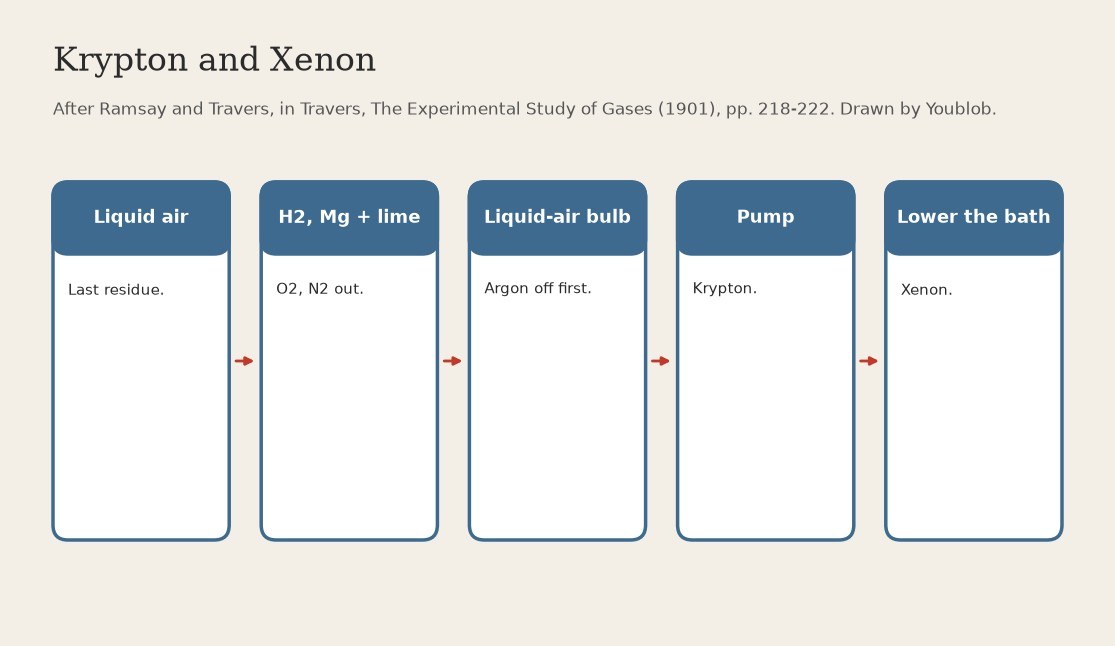


Krypton and Xenon: Liquid-Air Residues Cleaned and Fractionated at the Temperature of Liquid Air (Ramsay and Travers, 1901)
When liquid air boils away, the heavy noble gases stay in the last of it. Ramsay and Travers took that residue, stripped out the oxygen and nitrogen, and separated what was left by condensing it in liquid air and letting it boil off in fractions: argon first, then krypton, and xenon last of all.
Result: krypton and xenon gases (a litre of liquid air gives at most 0.1-0.2 cc of xenon).
Source: M. W. Travers, The Experimental Study of Gases (1901), pp. 218-222. Hydrogen is flammable; liquid air is very cold. Picture drawn by Youblob.
མཐོ་རིམ
2 weeks
ལམ་སྟོན
1
1
Collect the last of the liquid air
Collect the last of the liquid air
Let liquid air evaporate quietly in a vacuum vessel. The last of it is nearly all oxygen with some nitrogen, argon, krypton and xenon; evaporate it into a gasholder. Work from much liquid air: one litre gives at best 0.1-0.2 cc of xenon.
གོམ་པ་འདིའི་རྫས་རིགས:
 རླུང་ཆུ།1 many litres
ལག་ཆས་དགོས་མཁོ:
 སྟོང་ཁམས་སྣོད། (ཌི་ཝར)
 རླངས་རྫས་བསག་སྣོད
2
2
Strip out oxygen and nitrogen
Strip out oxygen and nitrogen
Pass the gas with hydrogen through a heated iron tube to remove the oxygen. Absorb the nitrogen with a mixture of magnesium and lime. Pass it over heated copper oxide to take out traces of carbon monoxide and hydrogen, then treat it with soda solution. Ours: a tube furnace for the heating.
ལག་ཆས་དགོས་མཁོ:
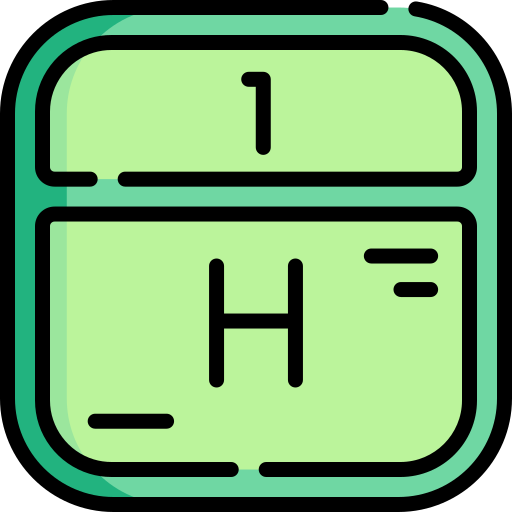 ཧའི་ཌུརོ་ཇཱན།
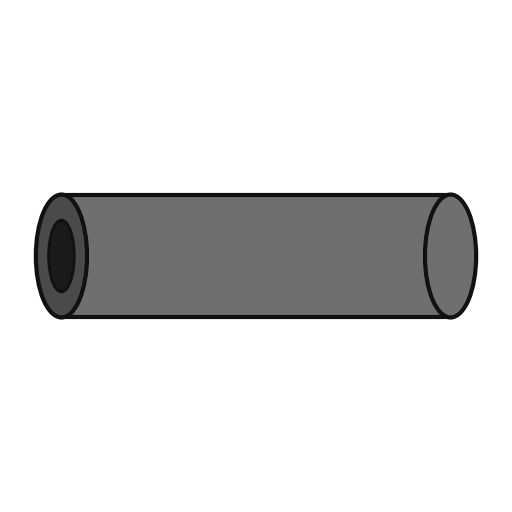 ལྕགས་སྦུག
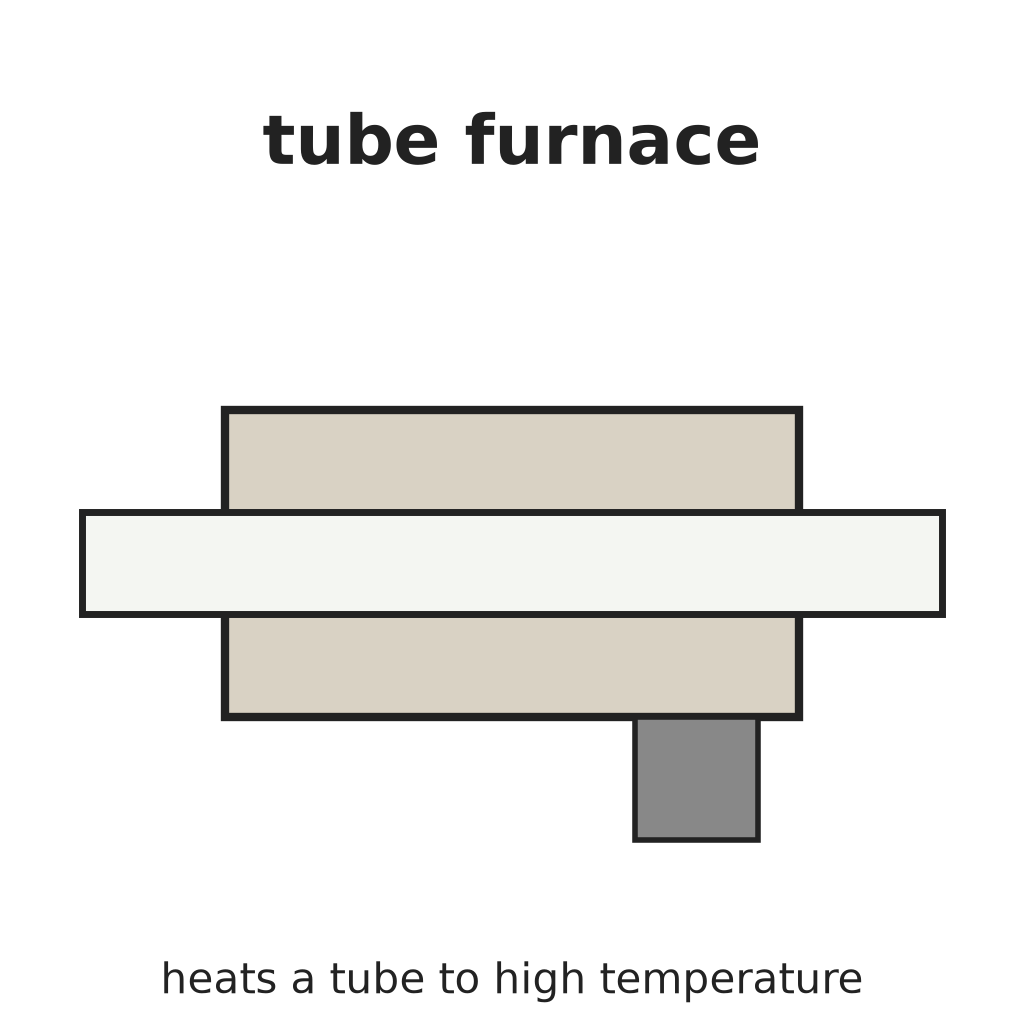 རྒྱུ་ཐིག་ཐབ
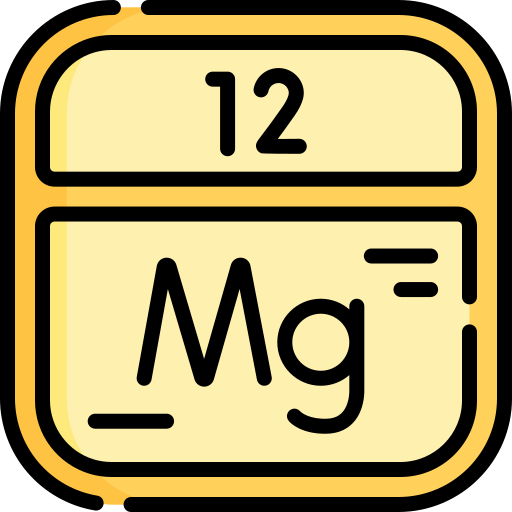 མེག་ནི་སིཡམ།
 མ་ཞུ་བའི་རྡོ་ཞ
 ཟངས་ཀྱི་ཨོག་སི་ཌི
 སོ་ཌི་ཡམ་ཧཱའི་ཌོ་རོག་སཱའིཌ་ཁུ་བ།རླངས་རྫས་བསག་སྣོད
3
3
First fractionation
First fractionation
Condense the gas in a bulb cooled by liquid air. Let the first part, mostly argon, boil off into a gasholder; collect the rest. Take the last traces off with the pump while the liquid-air vessel is lowered, so the xenon comes too. Travers got about 300 cc of heavy gas.
ལག་ཆས་དགོས་མཁོ:
 ཤེལ་གྱི་དོང་པོ།རླུང་ཆུ།སྟོང་ཁམས་སྣོད། (ཌི་ཝར)
 རླུང་འཐེན་འཕྲུལ་ཆས།རླངས་རྫས་བསག་སྣོད
4
4
Refractionate
Refractionate
Condense and boil off again in six equal portions, throwing away the argon-rich first ones, and repeat, guided by the spectroscope. Let the liquid-air surface just touch the bottom of the bulb while the gas goes in, then immerse it; take every fraction off through the pump. Krypton has a vapour pressure of no more than 150 mm at this temperature; xenon hardly any.
ལག་ཆས་དགོས་མཁོ:
ཤེལ་གྱི་དོང་པོ།རླུང་ཆུ།སྟོང་ཁམས་སྣོད། (ཌི་ཝར)རླུང་འཐེན་འཕྲུལ་ཆས། ལག་འཛིན་འོད་རིས་ལྟ་ཆས།
5
5
Part krypton from xenon
Part krypton from xenon
Condense the mixed gas and pump off everything that will come: that is krypton. Then lower the liquid air and collect the xenon. Repeat on each part several times, since krypton hides in the solid xenon.
ལག་ཆས་དགོས་མཁོ:
ཤེལ་གྱི་དོང་པོ།རླུང་ཆུ།སྟོང་ཁམས་སྣོད། (ཌི་ཝར)རླུང་འཐེན་འཕྲུལ་ཆས།རླངས་རྫས་བསག་སྣོདལག་ཆས་དགོས་མཁོ
13- ས་ཆ་འཛིན
- ས་ཆ་འཛིན
- ས་ཆ་འཛིན
- ས་ཆ་འཛིན
- ས་ཆ་འཛིན
- ས་ཆ་འཛིན
- ས་ཆ་འཛིན
- ས་ཆ་འཛིན
- ས་ཆ་འཛིན
- ས་ཆ་འཛིན
- ས་ཆ་འཛིན
- 1 vendor sell this, none ship to you yetས་ཆ་འཛིན
- ས་ཆ་འཛིན
བིལུ་པིརིན་ཊི་འདི་གིས་བཟོ་མི


འབྲེལ་ཡོད་བིལུ་པིརིན་ཊི
བིལུ་པིརིན་ཊི་འདི་ཚུ་ཐབས་ལམ་དང་རྫས་རིགས། སྤྱི་ཆོས་བགོ་བཤའ་བྱེད

CC0 སྤྱི་དབང
བིལུ་པིརིན་ཊི་འདི་CC0 འོག་བཀྲམས་ཡོད། ཁྱེད་རང་གིས་ཆོག་མཆན་མ་བཞེས་པར་ཕབ་ལེན་དང་བཟོ་བཅོས། བགོ་བཤའ། དགོས་མཁོ་གང་ལའང་བཀོལ་སྤྱོད་བྱས་ཆོག
བཟོ་མཁན་ལ་རྒྱབ་སྐྱོར་བྱེད་པའི་ཆེད་ཁོང་ཚོའི་བིལུ་པིརིན་ཊི་བརྒྱུད་ཐོན་སྐྱེད་ཉོ། བཟོ་མཁན་གྱིས བཟོ་མཁན་གྱི་ཁེ་ཕོགས ཚོང་པས་གཏན་འཁེལ་བྱས་པ། ཡང་ན་བིལུ་པིརིན་ཊི་འདིའི་པར་གསར་བཟོས་ཏེ་ཁྱེད་རང་གི་བིལུ་པིརིན་ཊི་ནང་མཐུད་སྦྲེལ་བྱས་ཏེ་ཡོང་སྒོ་བགོ་བཤའ་བྱེད།