སྒྱུ་རྩལ
མཛེས་སྡུག་དང་བདེ་ཐང
བཟོ་རིག
རིག་གནས་དང་ལོ་རྒྱུས
དགའ་སྟོན
ཁོར་ཡུག
ཟས་དང་བཏུང་རྫས
ཕྱིར་འཕྲུལ་རིག
ཚན་རིག
རྩེད་འགྲན
རིག་རྩལ
གྱོན་རུང
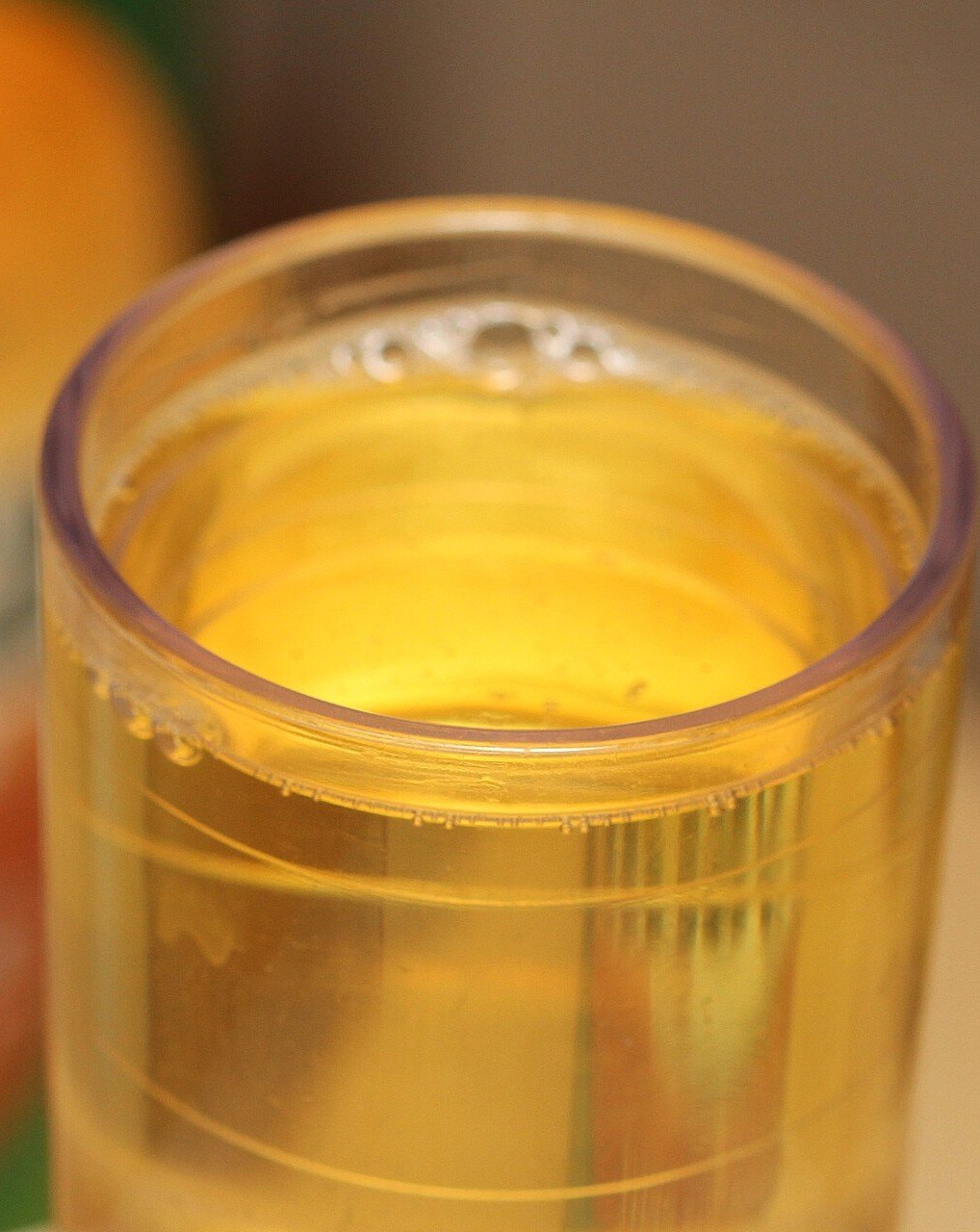


Liquid Castile Soap: Olive Oil Boiled with Caustic Potash
Potash makes a soft soap where soda makes a hard one, and soft soap dissolves easily, so an olive-oil potash soap thinned with water is liquid castile soap. The boiling follows the soft-soap practice Andrew Ure described in 1839: oil and caustic potash lye added by turns and boiled gently until the paste turns clear.
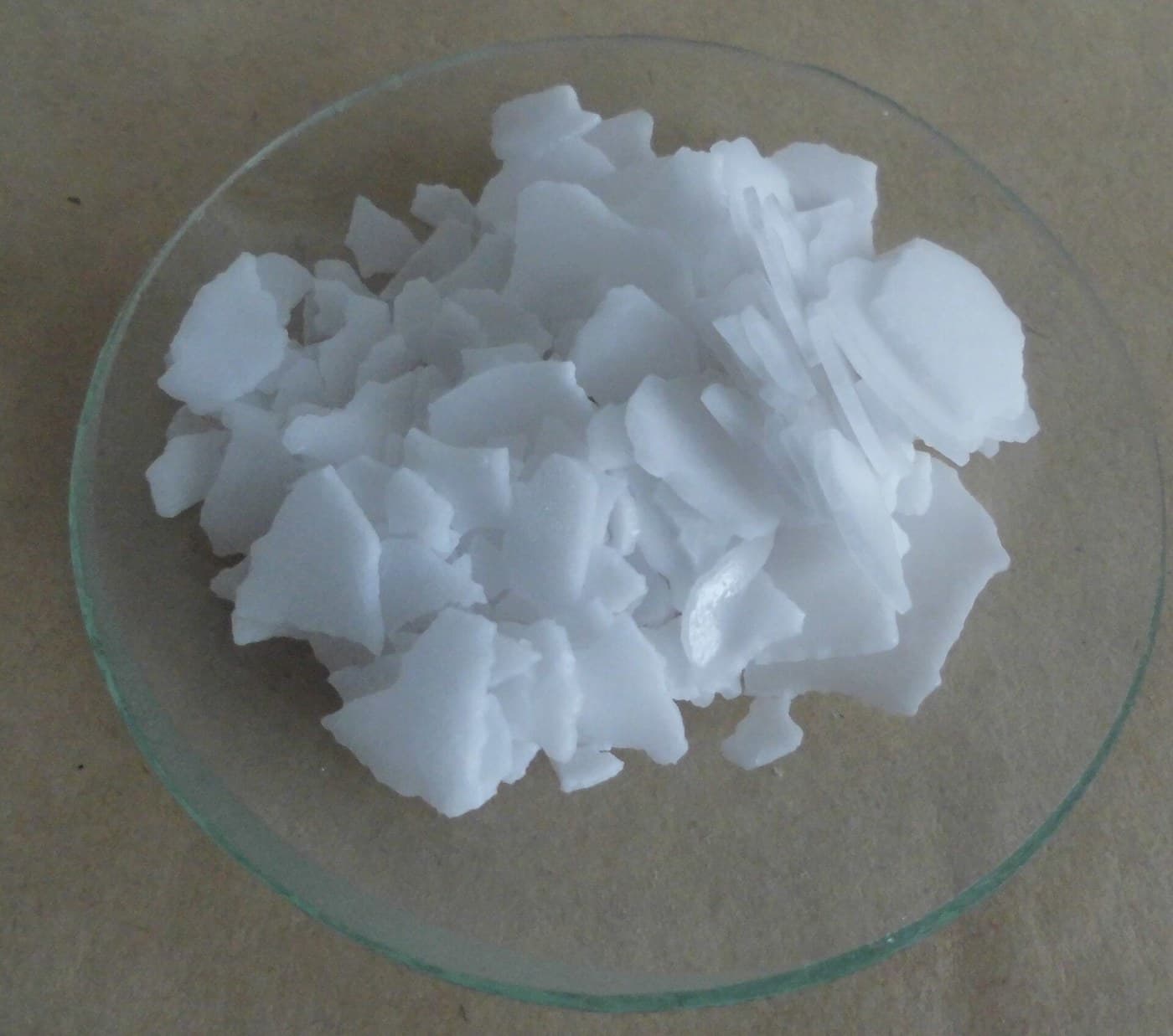
The picture: Norwegian green soap (grønnsåpe), another soft soap of fat and potash lye.
བར་མ
Half a day
ལམ་སྟོན
1
1
Make two lyes
Make two lyes
Dissolve caustic potash in water to make a weak lye (hydrometer 1.05) and a strong one (1.20). Add the potash to the water, not the water to the potash.
གོམ་པ་འདིའི་རྫས་རིགས:
 པོ་ཊ་སིཡམ་ཧའིཌོག་སའིཌི།190 g
 ཆུ།1 ལི་ཊར།
ལག་ཆས་དགོས་མཁོ:
 ལག་པ་འདྲ་མཉམ་གྱི་སྲང་།
 ཚད་ཚབས་འཇལ་ཆས།
 ཤེལ་གྱི་བི་ཀར།
 རྫས་སྦྱོར་འཐོར་སྲུང་མིག་ཤེལ།
 ལ་སྟིག་གི་ལག་ཤུབས།
2
2
Oil and weak lye
Oil and weak lye
Heat part of the olive oil to nearly 100 °C, stir in some weak lye and bring it to the boil. Add more oil and weak lye by turns until all the oil is in.
གོམ་པ་འདིའི་རྫས་རིགས:
 ཨོ་ལིབ་སྣུམ།1 kg
ལག་ཆས་དགོས་མཁོ:
 ལྕགས་ཀྱི་ཇམ་སྦྱིས།
 ཚ་བཟོའི་ལེབ།
 ཤིང་གི་ཐུར་མ།རྫས་སྦྱོར་འཐོར་སྲུང་མིག་ཤེལ།ལ་སྟིག་གི་ལག་ཤུབས།
3
3
Boil gently with strong lye
Boil gently with strong lye
Keep it at the gentlest boil, adding a little strong lye now and then. The froth settles, the paste turns clear and thickens.
ལག་ཆས་དགོས་མཁོ:
ལྕགས་ཀྱི་ཇམ་སྦྱིས།ཚ་བཟོའི་ལེབ།ཤིང་གི་ཐུར་མ།རྫས་སྦྱོར་འཐོར་སྲུང་མིག་ཤེལ།ལ་སྟིག་གི་ལག་ཤུབས།4
4
Test on a glass plate
Test on a glass plate
Cool a dab on a sheet of glass. It is done when it is clear, not milky, and a thin opaque ring forms round its edge (Ure: the soap has its "strength"). Then take it off the heat.
ལག་ཆས་དགོས་མཁོ:
 ཤེལ་གྱི་ལེབ་ཤོགཤིང་གི་ཐུར་མ།
5
5
Thin it with water
Thin it with water
Dissolve the soft soap paste in hot water, about three parts water to one of paste (our choice; add less for a thicker soap), and bottle it.
གོམ་པ་འདིའི་རྫས་རིགས:
ཆུ།3 ལི་ཊར།ལག་ཆས་དགོས་མཁོ:
ལྕགས་ཀྱི་ཇམ་སྦྱིས།ཚ་བཟོའི་ལེབ། སྤུང་ཆས་ཡོད་པའི་ཤེལ་དམ་ (PET)
6
6
Potash for the oil
Potash for the oil
Jupyter ཚང་དེབ་མངོན་གསལ་འབད་དོ་…
7
7
Limits
Limits
The boiling and the glass-plate test are Ure's; the quantities, the hot plate and the dilution are ours. Caustic potash lye burns skin and eyes.
ལག་ཆས་དགོས་མཁོ
10- ས་ཆ་འཛིན
- ས་ཆ་འཛིན
- ས་ཆ་འཛིན
- ས་ཆ་འཛིན
- ས་ཆ་འཛིན
- ས་ཆ་འཛིན
- ས་ཆ་འཛིན
- ས་ཆ་འཛིན
- ས་ཆ་འཛིན
- ས་ཆ་འཛིན
བིལུ་པིརིན་ཊི་འདི་གིས་བཟོ་མི

འབྲེལ་ཡོད་བིལུ་པིརིན་ཊི
བིལུ་པིརིན་ཊི་འདི་ཚུ་ཐབས་ལམ་དང་རྫས་རིགས། སྤྱི་ཆོས་བགོ་བཤའ་བྱེད

CC0 སྤྱི་དབང
བིལུ་པིརིན་ཊི་འདི་CC0 འོག་བཀྲམས་ཡོད། ཁྱེད་རང་གིས་ཆོག་མཆན་མ་བཞེས་པར་ཕབ་ལེན་དང་བཟོ་བཅོས། བགོ་བཤའ། དགོས་མཁོ་གང་ལའང་བཀོལ་སྤྱོད་བྱས་ཆོག
བཟོ་མཁན་ལ་རྒྱབ་སྐྱོར་བྱེད་པའི་ཆེད་ཁོང་ཚོའི་བིལུ་པིརིན་ཊི་བརྒྱུད་ཐོན་སྐྱེད་ཉོ། བཟོ་མཁན་གྱིས བཟོ་མཁན་གྱི་ཁེ་ཕོགས ཚོང་པས་གཏན་འཁེལ་བྱས་པ། ཡང་ན་བིལུ་པིརིན་ཊི་འདིའི་པར་གསར་བཟོས་ཏེ་ཁྱེད་རང་གི་བིལུ་པིརིན་ཊི་ནང་མཐུད་སྦྲེལ་བྱས་ཏེ་ཡོང་སྒོ་བགོ་བཤའ་བྱེད།