སྒྱུ་རྩལ
མཛེས་སྡུག་དང་བདེ་ཐང
བཟོ་རིག
རིག་གནས་དང་ལོ་རྒྱུས
དགའ་སྟོན
ཁོར་ཡུག
ཟས་དང་བཏུང་རྫས
ཕྱིར་འཕྲུལ་རིག
ཚན་རིག
རྩེད་འགྲན
རིག་རྩལ
གྱོན་རུང
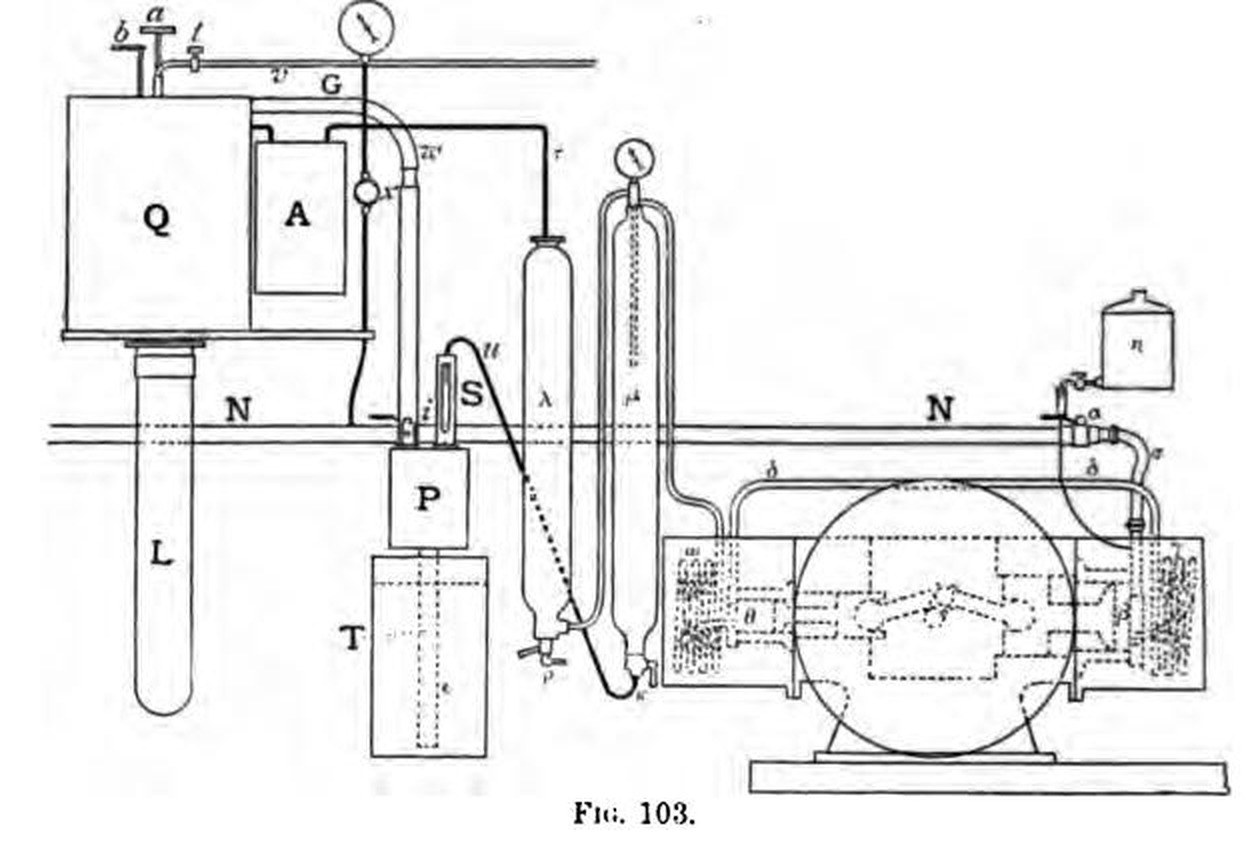


Liquid Hydrogen: Gas at 200 Atmospheres Cooled by Dry Ice and Liquid Air, then Expanded in a Regenerator Coil (Travers, 1901)
Hydrogen will not cool when it expands at room temperature, so Travers first chilled it with dry ice and then with liquid air boiling under a vacuum. Only then did expansion through a fine valve inside a regenerator coil cool it further, until clear liquid hydrogen ran into a vacuum vessel.
Result: liquid hydrogen (specific gravity 0.06), cold enough to freeze air solid.
Source: M. W. Travers, The Experimental Study of Gases (1901), pp. 196-206. Hydrogen is flammable; liquid air and liquid hydrogen are extremely cold. Picture: Fig. 103 of the book.
མཐོ་རིམ
1 week
ལམ་སྟོན
1
1
Make and store the hydrogen
Make and store the hydrogen
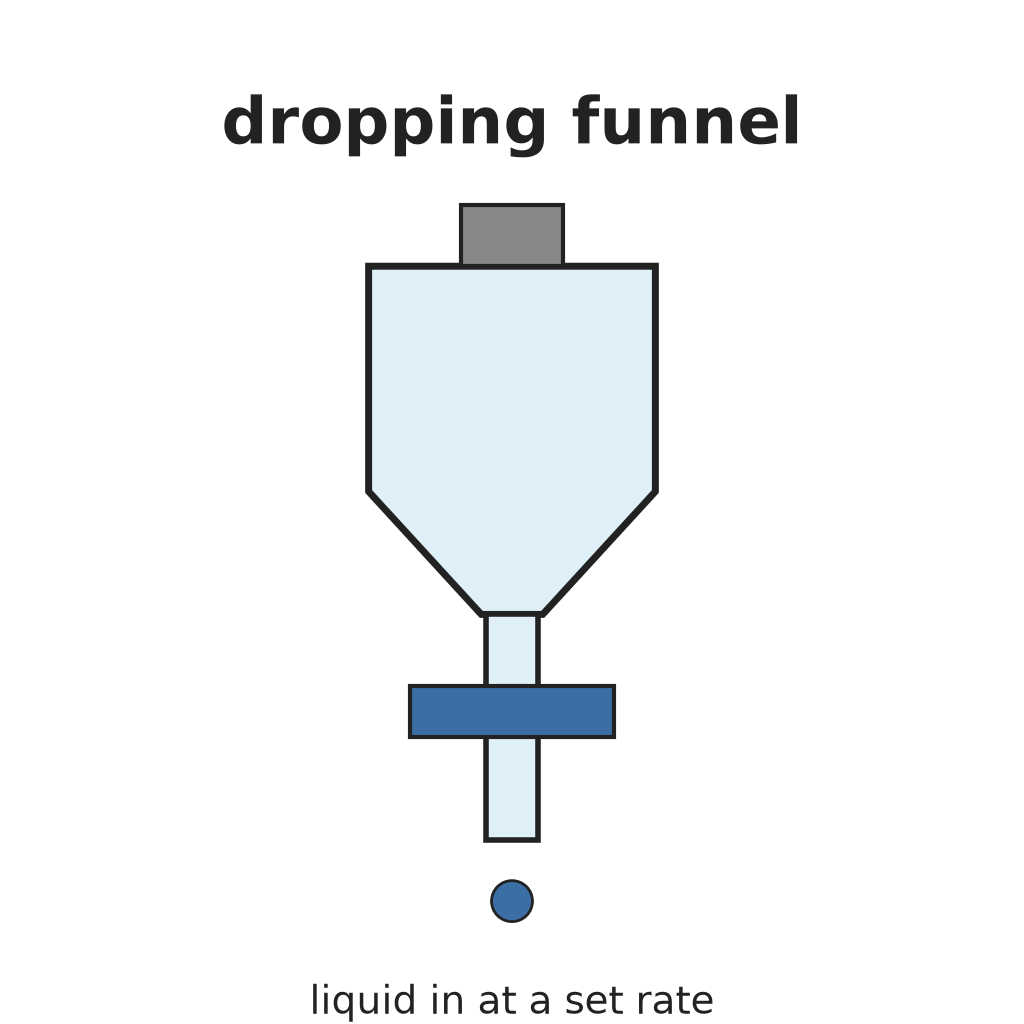
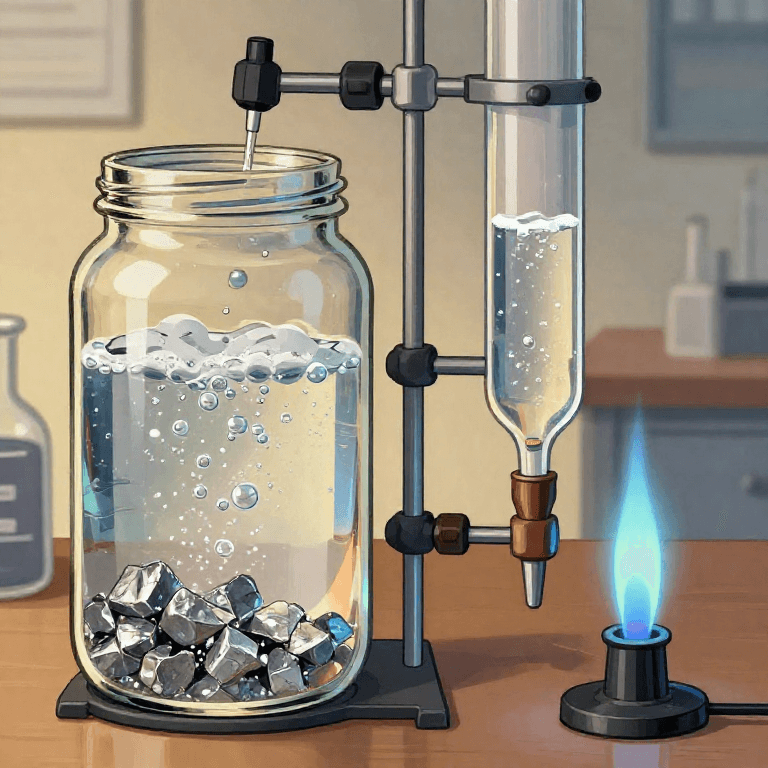
Put about 40 lb of commercial granulated zinc in a beer cask with a tap funnel, a delivery tube, an escape pipe into a vessel of water (safety valve) and a stoneware cock at the bottom to draw off spent acid. Run in dilute sulphuric acid. When the air is out, pass the gas through a wash-bottle of potassium permanganate into the gasometer (sheet iron, 6 ft high, 5 ft 6 in across, over water first saturated with hydrogen). Wash the gasometer out with hydrogen before collecting the main quantity. This takes five hours.
གོམ་པ་འདིའི་རྫས་རིགས:
 ཧའི་ཌུརོ་ཇཱན།1 a gasometer full, made here
ལག་ཆས་དགོས་མཁོ:
 ཏི་ཚ།
 སལ་ཕིའུ་རིཀ་སྐྱུར་རྫས་སླ་བ།
 ཤིང་གི་ཟོ་བ།
 ཐིགས་པ་འཛུད་པའི་ཀློང་ཚག
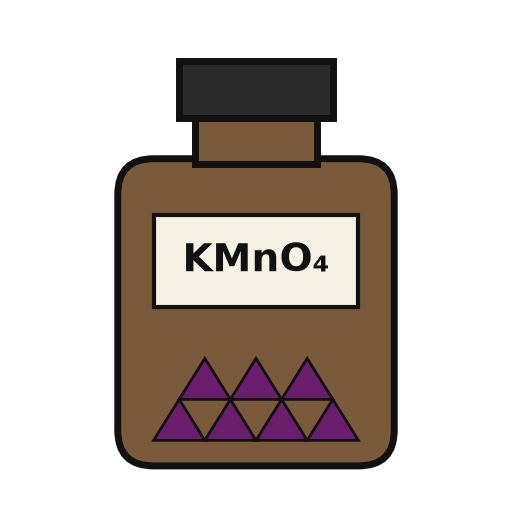 པོ་ཊེ་སི་ཡམ་པར་མེང་ག་ནེཊ།
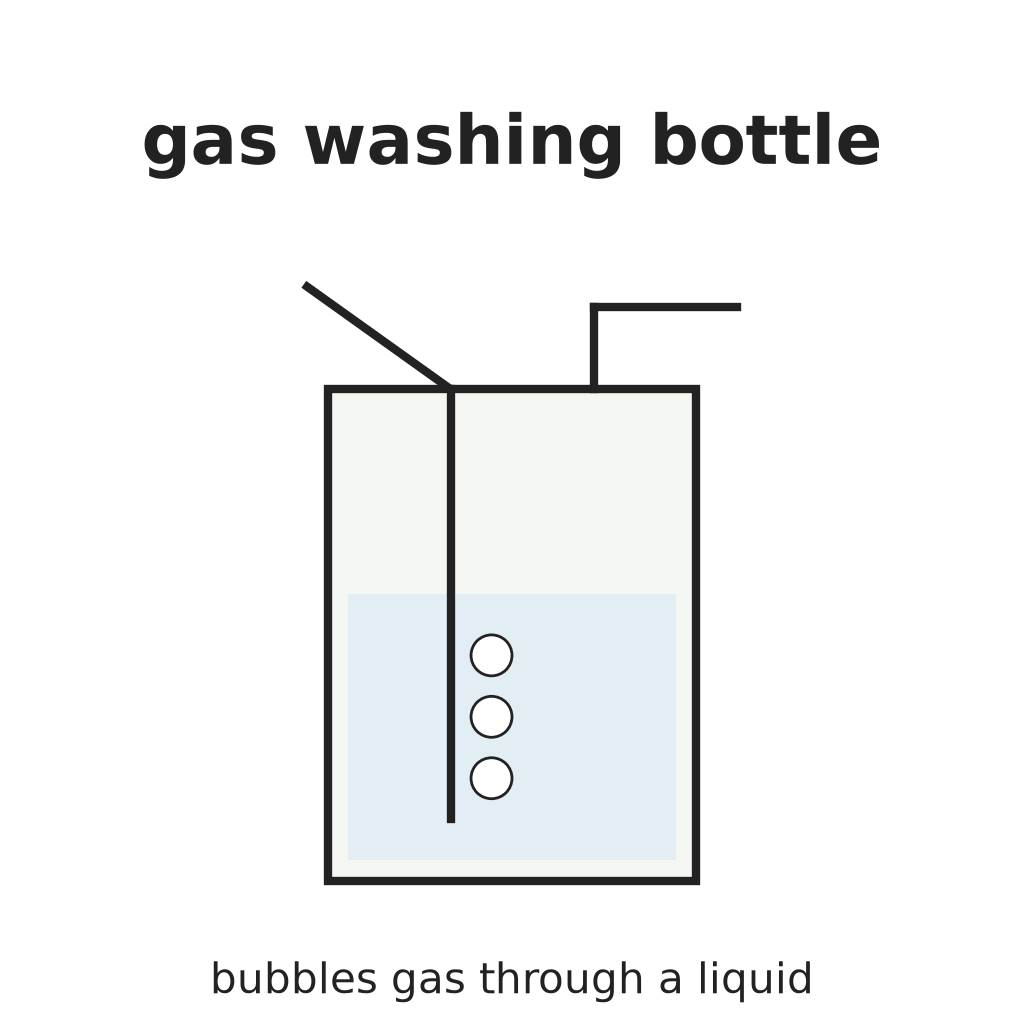 གྱེས་རླངས་ཀྱི་བཀྲུ་བའི་སྒྲོམ
 རླངས་རྫས་བསག་སྣོད
 ཆུ།
2
2
Make liquid air and ready the compressor
Make liquid air and ready the compressor
In the two or three days before, use the compressor to make liquid air with the Hampson liquefier and store it in vacuum vessels, about 8 litres in all. Then take the compressor apart and check the valves, springs and fibre packings. Remove the Hampson machine and connect the compressor through the cylinder of caustic potash to the hydrogen liquefier.
ལག་ཆས་དགོས་མཁོ:
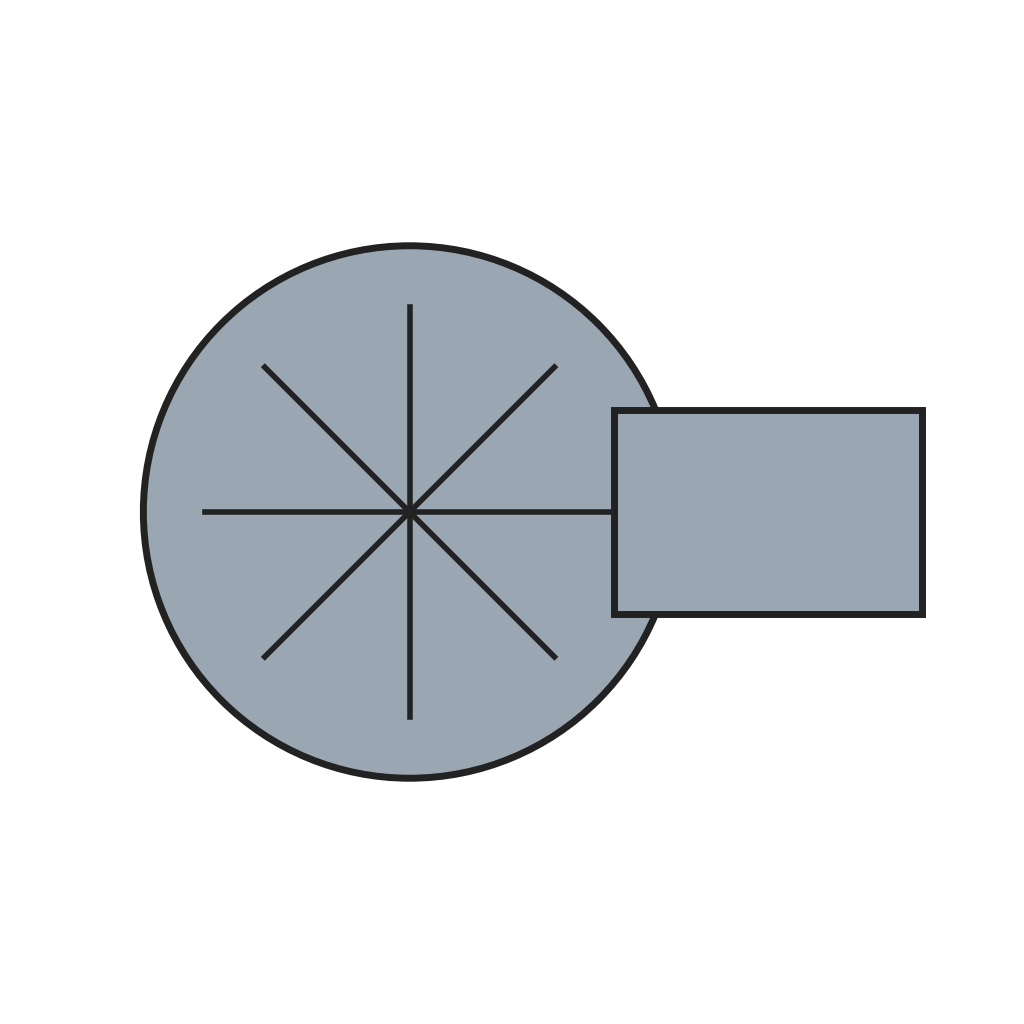 རླུང་རྫས་གནོན་འཕྲུལ་ཆས།
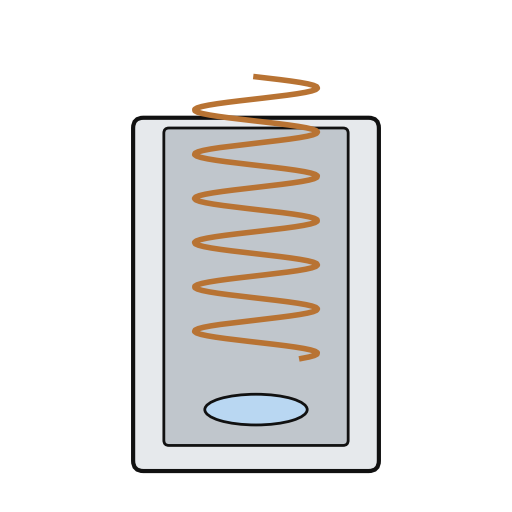 ཧེམ་སཱན་རླུང་ཆུ་བཟོ་ཆས།
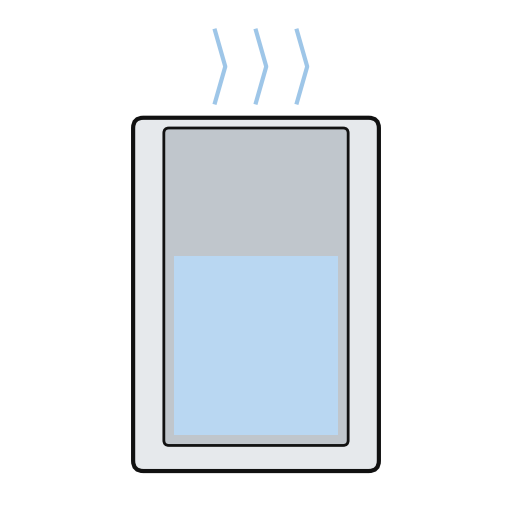 རླུང་ཆུ།
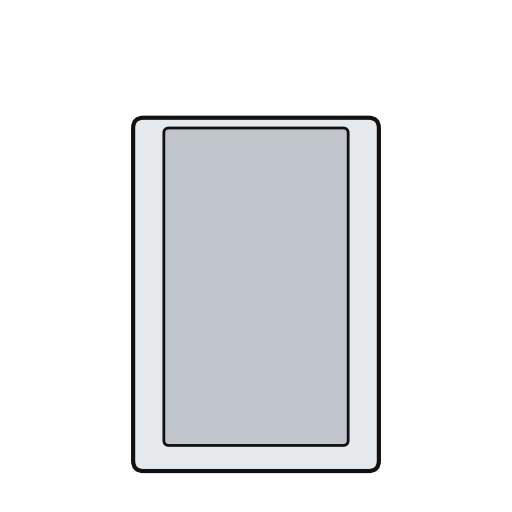 སྟོང་ཁམས་སྣོད། (ཌི་ཝར)
3
3
Cool the liquefier
Cool the liquefier
Four people are needed. Pack the vessel round coil A with solid carbonic acid and alcohol (-80 °C). Pour liquid air into chamber B and let it into chamber C, pumped down to 100 mm of mercury so it boils below -200 °C. Draw liquid air into vacuum vessel H and boil it under reduced pressure to chill the regenerator coil below -200 °C, then let it out and put vessels K and M (with a little liquid air) back in place.
ལག་ཆས་དགོས་མཁོ:
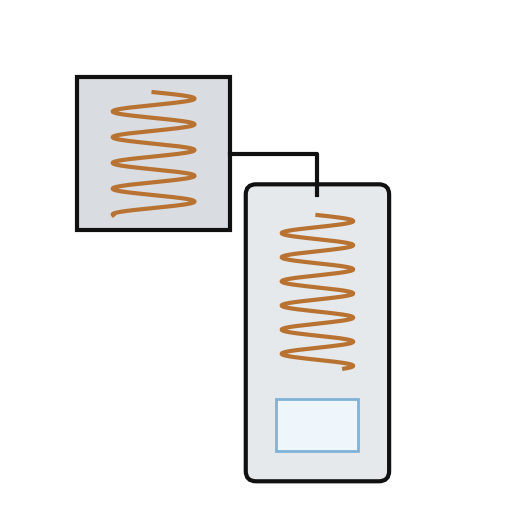 ཧའི་ཌོ་ཇཱན་ཆུ་བཟོའི་འཕྲུལ་ཆས།
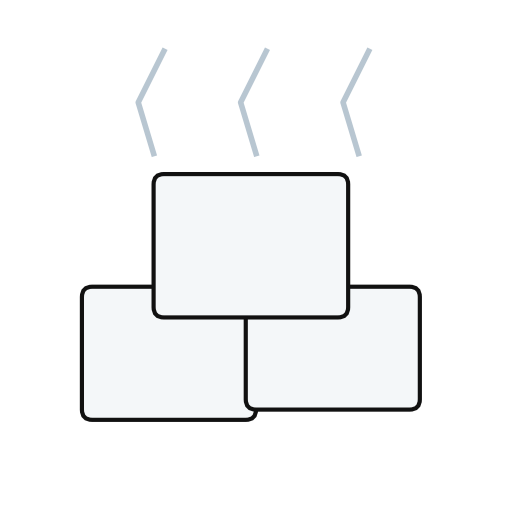 ཀར་བཱོན་ཌའི་ཨོག་སའིཌ་ སྲ་བ།
 ཨི་ཐ་ནོལ་ - བཏུང་མི་བཏུབ་པ། བརྒྱ་ཆ་ ༩༥རླུང་ཆུ།སྟོང་ཁམས་སྣོད། (ཌི་ཝར)
 རླུང་འཐེན་འཕྲུལ་ཆས།
 རླུང་སྟོང་འཇལ་ཆས།
4
4
Compress the hydrogen to 200 atmospheres
Compress the hydrogen to 200 atmospheres
Purge the air from the compressor: open cock a, run a few turns, stop and open cock rho; do this three or four times. Then raise the pressure. The first cylinder takes the gas to about 16 atm, with a little glycerol and water holding 5 % caustic soda as lubricant; the second takes it to about 200 atm. The water is separated out and the gas dried over lumps of solid caustic potash. Have it at 200 atm by the time the liquefier is cold.
ལག་ཆས་དགོས་མཁོ:
རླུང་རྫས་གནོན་འཕྲུལ་ཆས།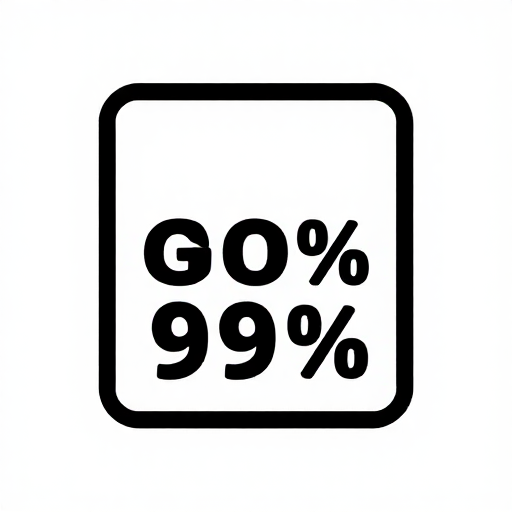 གི་ལི་སི་རོལ།
 ཀསི་ཊིཀ་སོ་ཌ། (སོ་ཌི་ཡམ་ཧའི་ཌོག་སིཌ)ཆུ།
 པོ་ཊ་སིཡམ་ཧའིཌོག་སའིཌི།
 གནོན་ཤུགས་འཇལ་ཆས།
5
5
Expand and collect the liquid
Expand and collect the liquid
Reconnect chamber C to the exhaust pump and let liquid air in slowly (a fall of the mercury in the vacuum gauge means too fast). Open the expansion valve with the milled nut; let the gas out through the water tank for a few moments to clear the air, then open cock i so it circulates back. Keep B and the coil-A vessel topped up. Watch the glycerol gauge for the flow and turn the milled nut slowly back and forth the whole time so it does not block. H coats with white solid air; open cock r now and then, and the liquid runs through a baize filter into K. Lift K out on its wire into a vessel with a little liquid air. About 10 % of the gas is lost per run.
ལག་ཆས་དགོས་མཁོ:
ཧའི་ཌོ་ཇཱན་ཆུ་བཟོའི་འཕྲུལ་ཆས།རླུང་ཆུ།ཀར་བཱོན་ཌའི་ཨོག་སའིཌ་ སྲ་བ།སྟོང་ཁམས་སྣོད། (ཌི་ཝར)རླུང་འཐེན་འཕྲུལ་ཆས།རླུང་སྟོང་འཇལ་ཆས།གནོན་ཤུགས་འཇལ་ཆས།རྫས་རིགས
1- 1 a gasometer full, made hereས་ཆ་འཛིན
ལག་ཆས་དགོས་མཁོ
21- ས་ཆ་འཛིན
- ས་ཆ་འཛིན
- ས་ཆ་འཛིན
- ས་ཆ་འཛིན
- ས་ཆ་འཛིན
- ས་ཆ་འཛིན
- ས་ཆ་འཛིན
- ས་ཆ་འཛིན
- ས་ཆ་འཛིན
- ས་ཆ་འཛིན
- ས་ཆ་འཛིན
- ས་ཆ་འཛིན
- ས་ཆ་འཛིན
- ས་ཆ་འཛིན
- 1 vendor sell this, none ship to you yetས་ཆ་འཛིན
- ས་ཆ་འཛིན
- ས་ཆ་འཛིན
- ས་ཆ་འཛིན
- ས་ཆ་འཛིན
བིལུ་པིརིན་ཊི་འདི་གིས་བཟོ་མི
འབྲེལ་ཡོད་བིལུ་པིརིན་ཊི
བིལུ་པིརིན་ཊི་འདི་ཚུ་ཐབས་ལམ་དང་རྫས་རིགས། སྤྱི་ཆོས་བགོ་བཤའ་བྱེད


CC0 སྤྱི་དབང
བིལུ་པིརིན་ཊི་འདི་CC0 འོག་བཀྲམས་ཡོད། ཁྱེད་རང་གིས་ཆོག་མཆན་མ་བཞེས་པར་ཕབ་ལེན་དང་བཟོ་བཅོས། བགོ་བཤའ། དགོས་མཁོ་གང་ལའང་བཀོལ་སྤྱོད་བྱས་ཆོག
བཟོ་མཁན་ལ་རྒྱབ་སྐྱོར་བྱེད་པའི་ཆེད་ཁོང་ཚོའི་བིལུ་པིརིན་ཊི་བརྒྱུད་ཐོན་སྐྱེད་ཉོ། བཟོ་མཁན་གྱིས བཟོ་མཁན་གྱི་ཁེ་ཕོགས ཚོང་པས་གཏན་འཁེལ་བྱས་པ། ཡང་ན་བིལུ་པིརིན་ཊི་འདིའི་པར་གསར་བཟོས་ཏེ་ཁྱེད་རང་གི་བིལུ་པིརིན་ཊི་ནང་མཐུད་སྦྲེལ་བྱས་ཏེ་ཡོང་སྒོ་བགོ་བཤའ་བྱེད།