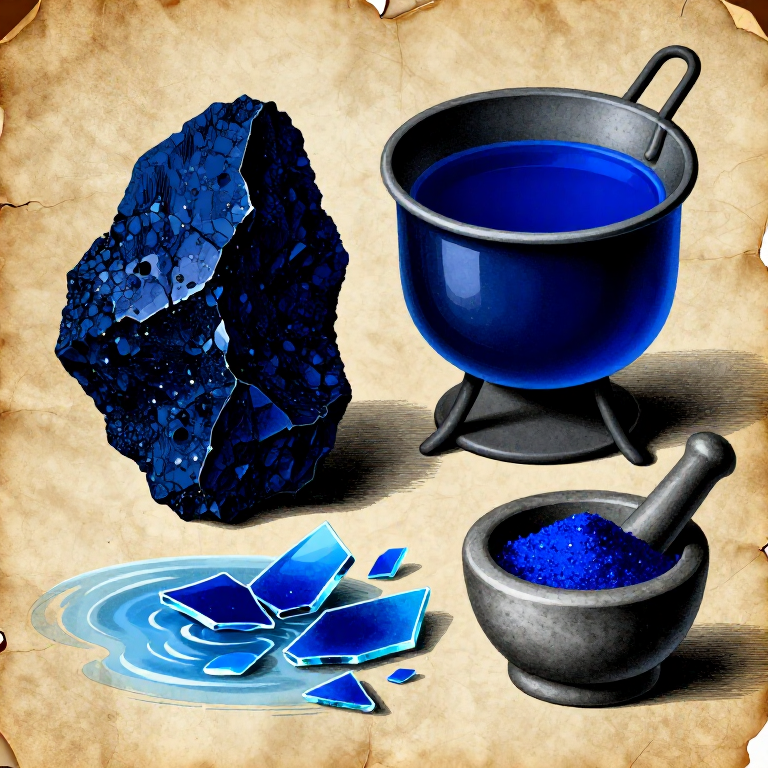

Making Smalt — Grinding Cobalt Blue Glass into the Renaissance Painter's Blue Pigment
Smalt is a pigment made by grinding cobalt-coloured glass into a powder. It was the principal blue pigment available to European painters from the 15th through the 18th century — cheaper than ultramarine (from lapis lazuli) and more abundant than azurite. The production of smalt began in earnest in the glass-making centres of Saxony and Bohemia in the 15th century, where cobalt ores (cobaltite, CoAsS, and smaltite, CoAs₂) were mined from silver-bearing veins in the Erzgebirge mountains.
The process has two stages: first, cobalt ore is roasted to produce cobalt oxide (CoO), which is then fused with potash (potassium carbonate, K₂CO₃) and quartz sand (SiO₂) at 1100-1300°C to make a deep blue potash glass. The glass is quenched in cold water to shatter it, then ground to a powder. Cobalt is one of the most powerful glass-colouring agents known — as little as 0.1% CoO produces a visible blue tint, and 2-5% produces the intense blue used for smalt pigment.
Smalt has a critical and unusual relationship with particle size: coarse-ground smalt is a vivid, deep blue; fine-ground smalt is a pale, washed-out greyish-blue. This is because the blue colour exists within the glass matrix — finer particles have less glass thickness for light to interact with, so less blue is perceived. For this reason, smalt was always ground relatively coarsely for use as a pigment, and it never achieved the fine, smooth texture of ultramarine or azurite. Smalt also has a known weakness in oil painting: over decades, the potash in the glass leaches out (reacting with the acidic oil binder), causing the glass particles to become colourless — explaining why many 17th-century paintings that originally had vivid blue skies now appear grey or brownish.
ཉེན་ཁ་ཅན་ནང་དོན
བིལུ་པིརིན་ཊི་འདིའི་ནང་ཉེན་ཁ་ཅན་ལག་ལེན་ཡོད། གོམ་པ་རེ་རེའི་ལམ་སྟོན་བལྟ་ནིའི་ཆེད་ནང་འཛུལ་གནང་ཞིང་ཉེན་ཁ་ཅན་ནང་དོན་ལྕོགས་གནང།
ནང་བསྐྱོད་འབད།བིལུ་པིརིན་ཊི་འདི་གིས་བཟོ་མི

འབྲེལ་ཡོད་བིལུ་པིརིན་ཊི
བིལུ་པིརིན་ཊི་འདི་ཚུ་ཐབས་ལམ་དང་རྫས་རིགས། སྤྱི་ཆོས་བགོ་བཤའ་བྱེད
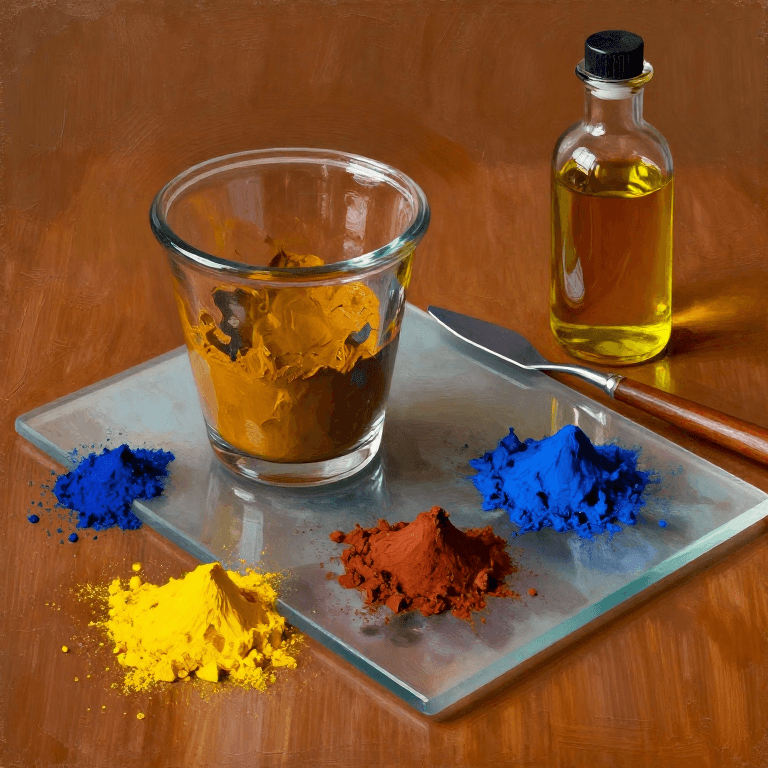
Making Oil Paint from Raw Pigments — Grinding Pigments in Linseed Oil
Charlie གྱིས
སྒྱུ་རྩལ
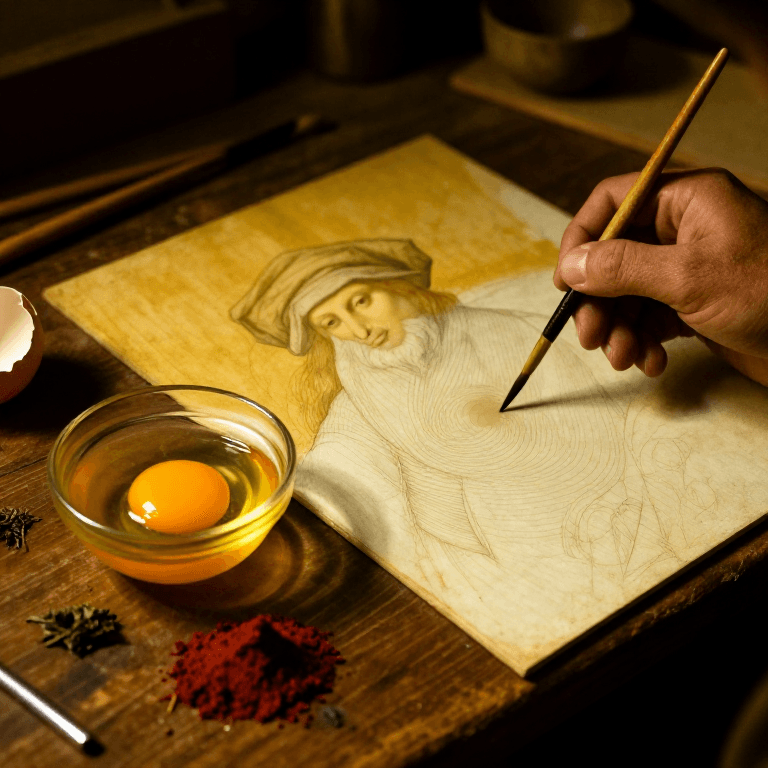
Making Egg Tempera Paint — The Medieval Panel Painting Medium
Charlie གྱིས
སྒྱུ་རྩལ
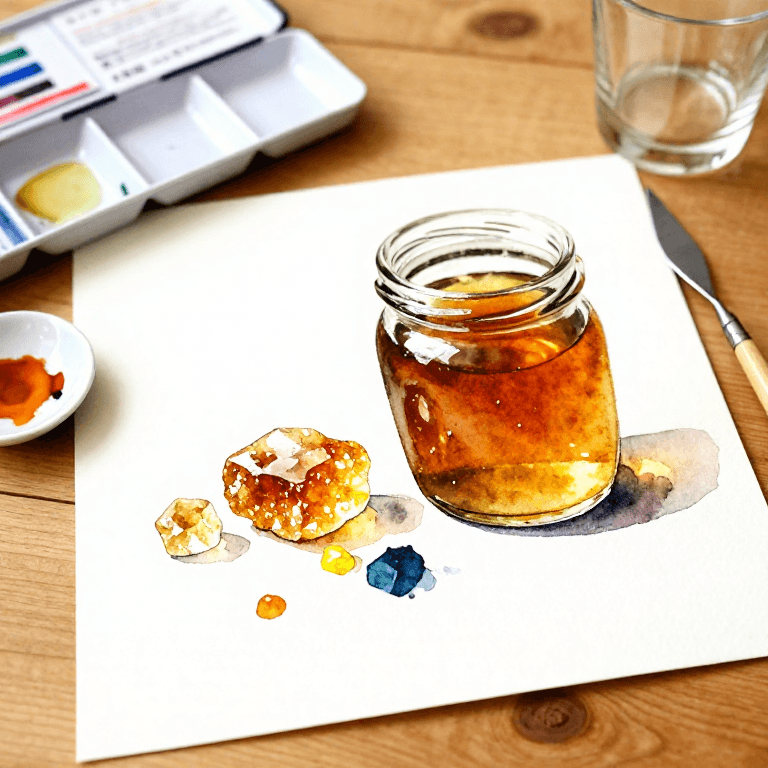
Making Watercolour Paint from Raw Pigments — Gum Arabic Binder
Charlie གྱིས
སྒྱུ་རྩལ
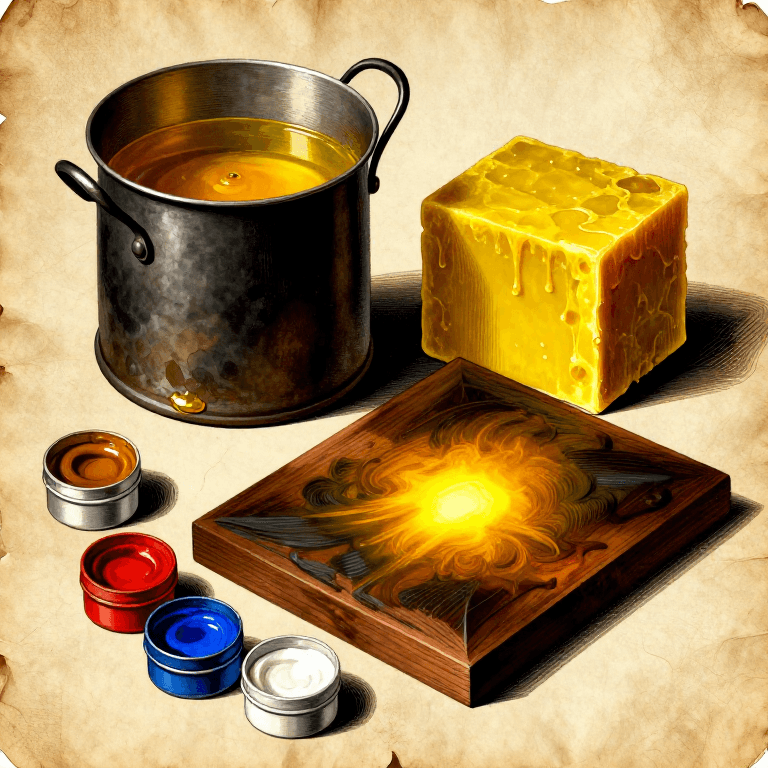
Making Encaustic Paint — The Hot Beeswax Medium of Ancient Greek and Egyptian Painters
Charlie གྱིས
སྒྱུ་རྩལ
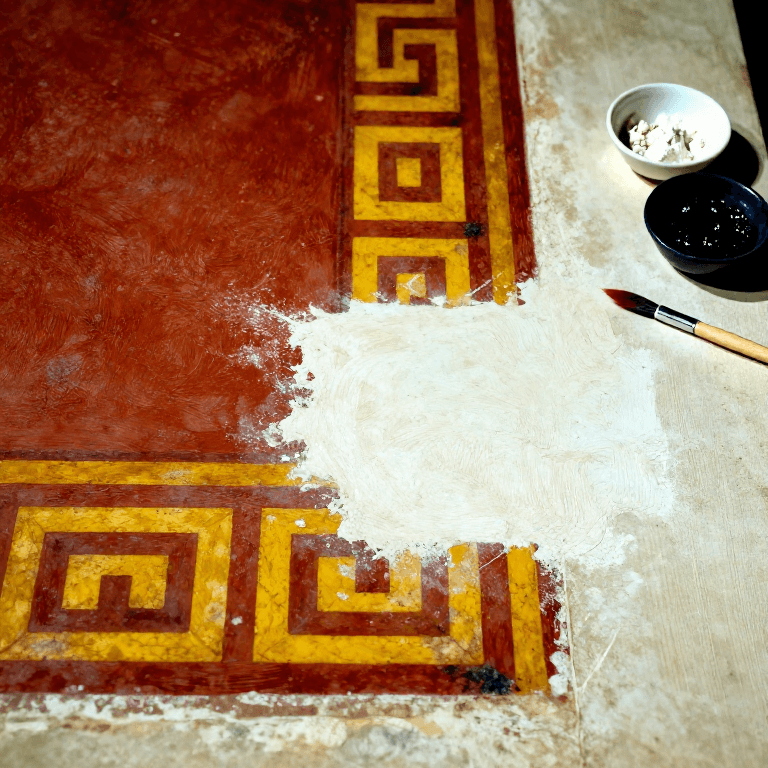
Painting a Buon Fresco on Wet Lime Plaster — Roman Wall Painting
Charlie གྱིས
རྡོ་བཟོ
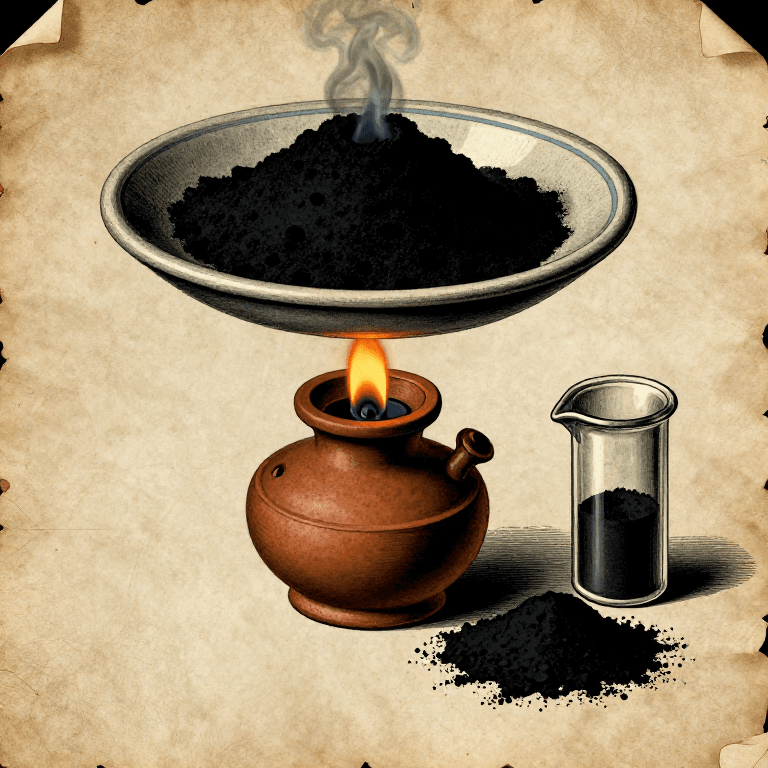
Making Lampblack Pigment — Collecting Carbon Soot from a Burning Flame
Charlie གྱིས
སྒྱུ་རྩལ
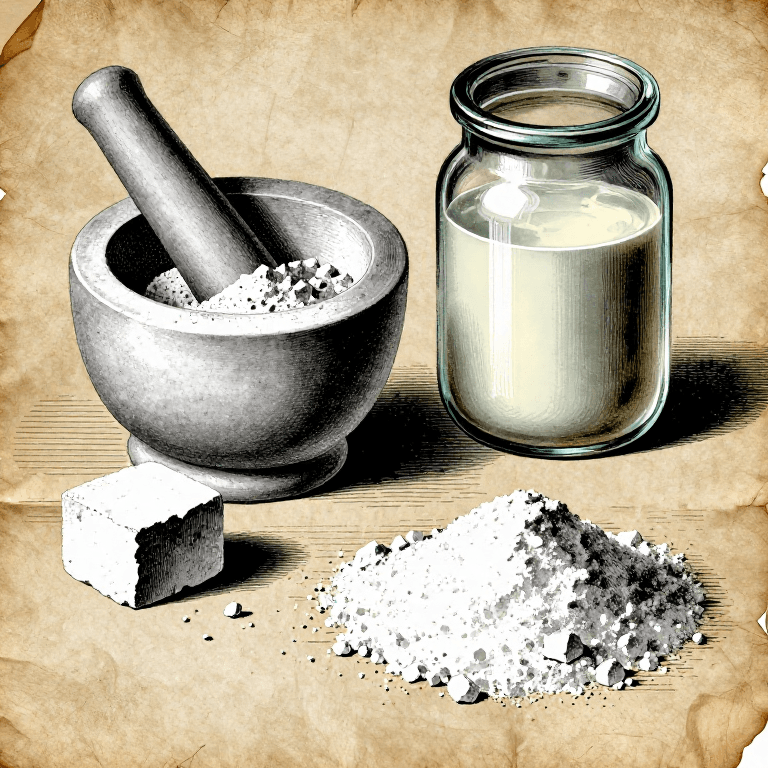
Making Chalk White Pigment (Whiting) — Grinding and Levigating Natural Chalk
Charlie གྱིས
སྒྱུ་རྩལ
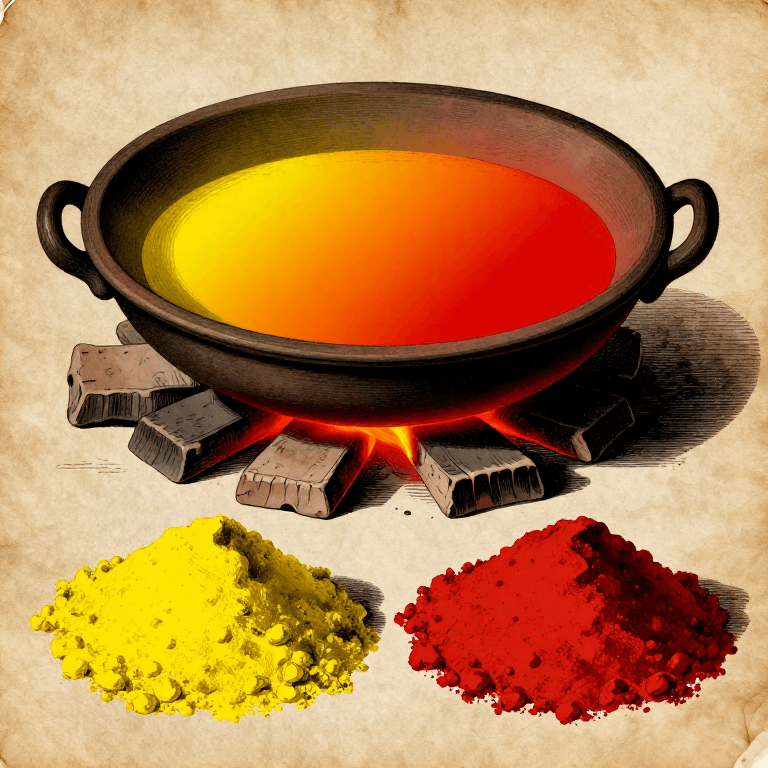
Making Red Ochre by Calcining Yellow Ochre — The Oldest Deliberate Pigment Transformation
Charlie གྱིས
སྒྱུ་རྩལ
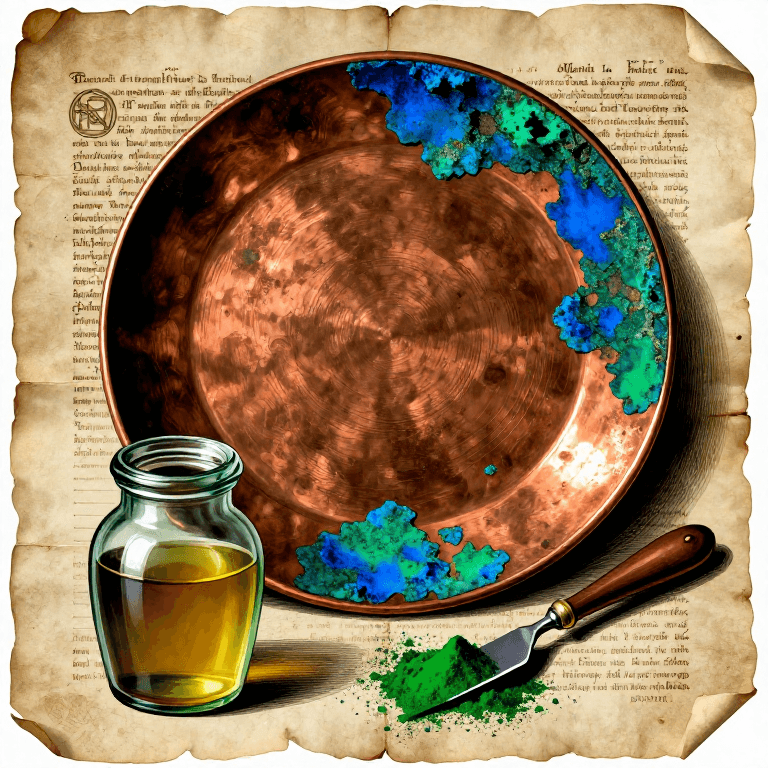
Making Verdigris — The Copper Acetate Green of Medieval Painters
Charlie གྱིས
སྒྱུ་རྩལ
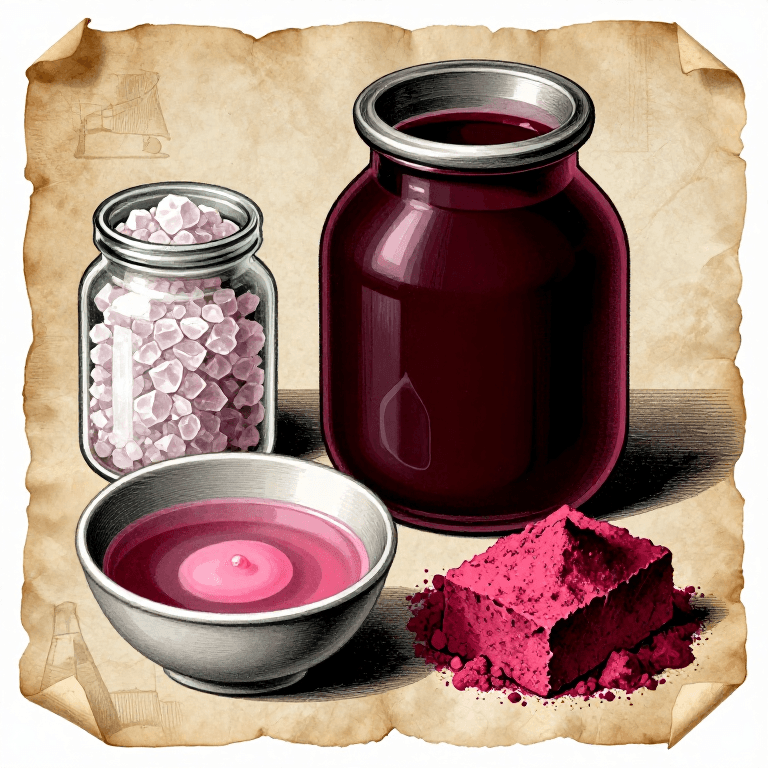
Making a Lake Pigment from Plant Dye — Precipitating Soluble Colour onto an Insoluble Substrate
Charlie གྱིས
སྒྱུ་རྩལ
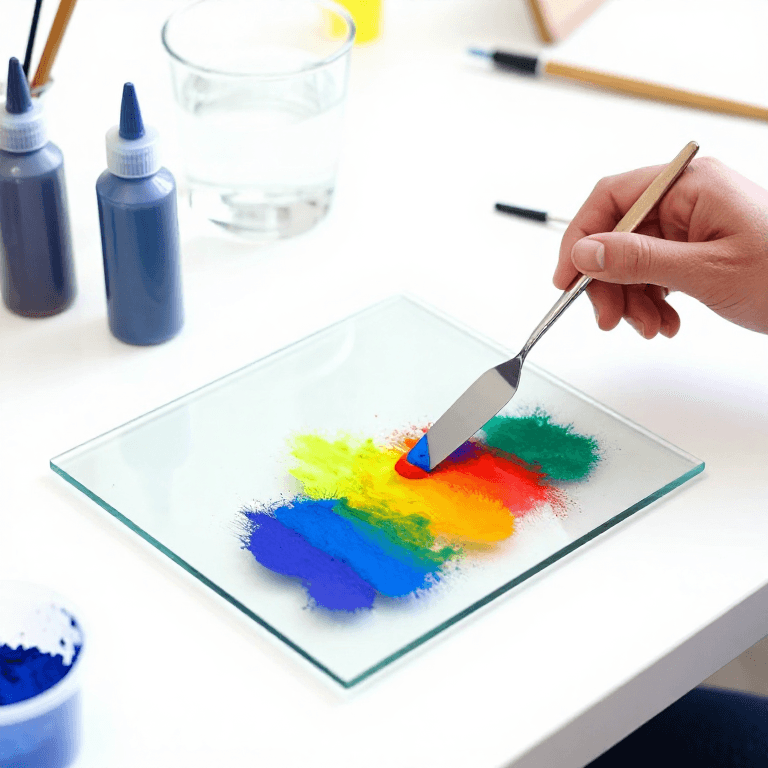
Making Acrylic Paint — Grinding Pigments into Acrylic Polymer Medium
Charlie གྱིས
སྒྱུ་རྩལ
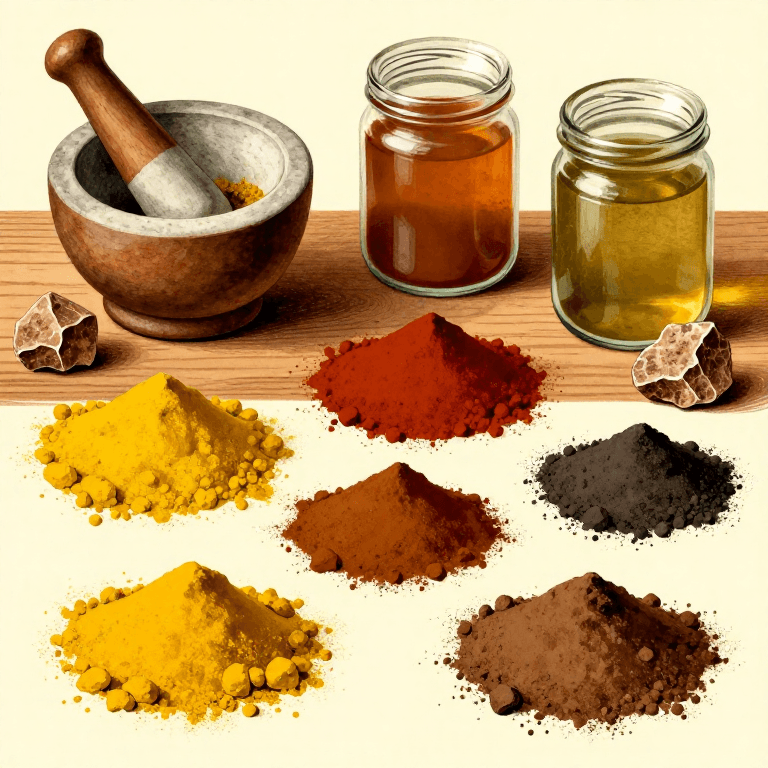
Making Natural Earth Pigments from Soil and Rocks — Collecting and Processing
Mary གྱིས
སྒྱུ་རྩལ
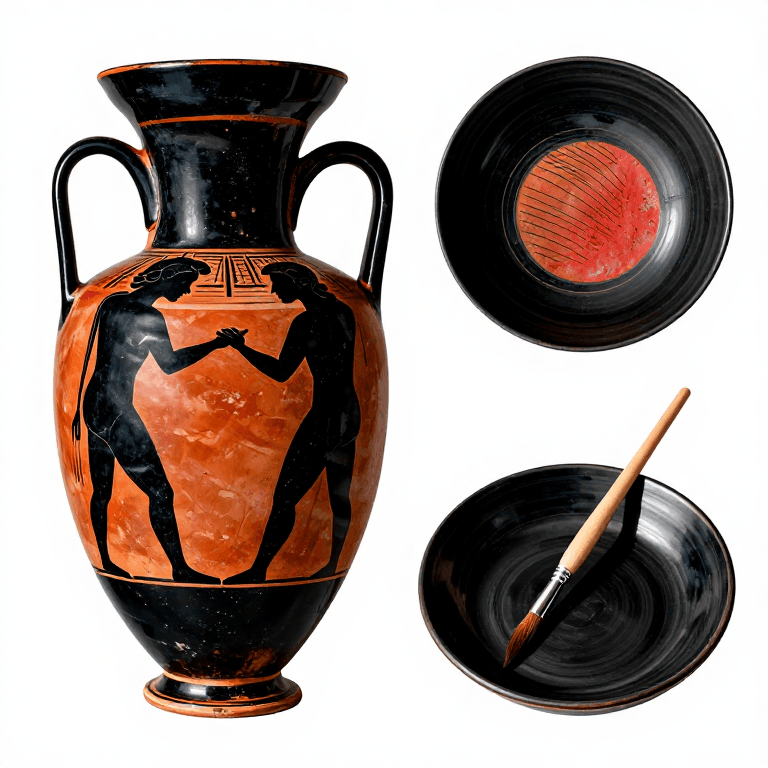
Greek Black-Figure Pottery — Painting Black-Figure Pottery with Iron Slip
Clay གྱིས
རྡོ་ཐལ་དང་ས་ཕྱེ
CC0 སྤྱི་དབང
བིལུ་པིརིན་ཊི་འདི་CC0 འོག་བཀྲམས་ཡོད། ཁྱེད་རང་གིས་ཆོག་མཆན་མ་བཞེས་པར་ཕབ་ལེན་དང་བཟོ་བཅོས། བགོ་བཤའ། དགོས་མཁོ་གང་ལའང་བཀོལ་སྤྱོད་བྱས་ཆོག
བཟོ་མཁན་ལ་རྒྱབ་སྐྱོར་བྱེད་པའི་ཆེད་ཁོང་ཚོའི་བིལུ་པིརིན་ཊི་བརྒྱུད་ཐོན་སྐྱེད་ཉོ། བཟོ་མཁན་གྱིས བཟོ་མཁན་གྱི་ཁེ་ཕོགས ཚོང་པས་གཏན་འཁེལ་བྱས་པ། ཡང་ན་བིལུ་པིརིན་ཊི་འདིའི་པར་གསར་བཟོས་ཏེ་ཁྱེད་རང་གི་བིལུ་པིརིན་ཊི་ནང་མཐུད་སྦྲེལ་བྱས་ཏེ་ཡོང་སྒོ་བགོ་བཤའ་བྱེད།