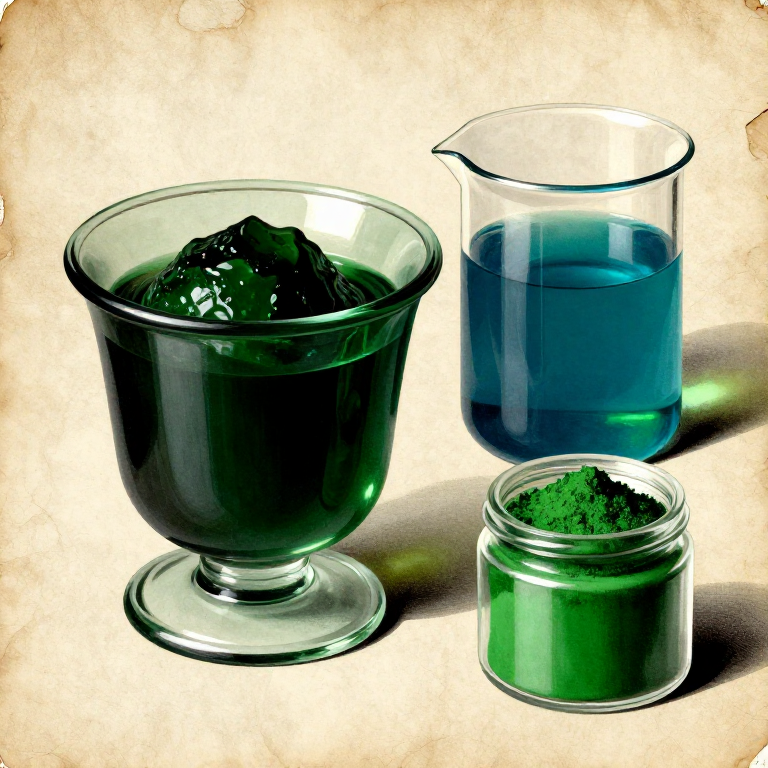

Making Viridian — The Permanent Transparent Chromium Oxide Green
Viridian (hydrated chromium oxide, Cr₂O₃·2H₂O) is a cool, transparent, blue-green pigment first developed by Pannetier and Binet in Paris in 1838. It was the answer to a long-standing problem in painting: how to get a permanent, transparent green that would not darken, fade, or turn brown over time. Copper resinate turned brown; sap green faded; emerald green was lethally toxic; verdigris was unstable. Viridian solved all of these problems — it is completely lightfast, chemically stable, non-toxic as a finished pigment, and has a beautiful cool transparency perfect for glazing.
The pigment is made by heating potassium dichromate with boric acid. The boric acid acts as a reducing flux, converting the hexavalent chromium (Cr⁶⁺, toxic and orange) to trivalent chromium (Cr³⁺, green and stable). The resulting chromium oxide-borate glass is then dissolved in water to remove the borates, leaving pure hydrated chromium oxide — the vivid green pigment. The 'hydrated' form is crucial: anhydrous chromium oxide (Cr₂O₃) is a dull, opaque olive green used as an abrasive; the hydrated form has a completely different crystal structure that produces the vivid, transparent blue-green.
SAFETY WARNING: The starting material — potassium dichromate — is a powerful oxidiser and known human carcinogen (Cr⁶⁺). It is corrosive to skin and mucous membranes. Boric acid is a mild irritant. HOWEVER, the finished pigment (Cr³⁺ oxide) is non-toxic. Full PPE (gloves, goggles, respirator) is mandatory during preparation. Work in a fume hood or well-ventilated area.
ཉེན་ཁ་ཅན་ནང་དོན
བིལུ་པིརིན་ཊི་འདིའི་ནང་ཉེན་ཁ་ཅན་ལག་ལེན་ཡོད། གོམ་པ་རེ་རེའི་ལམ་སྟོན་བལྟ་ནིའི་ཆེད་ནང་འཛུལ་གནང་ཞིང་ཉེན་ཁ་ཅན་ནང་དོན་ལྕོགས་གནང།
ནང་བསྐྱོད་འབད།བིལུ་པིརིན་ཊི་འདི་གིས་བཟོ་མི
འབྲེལ་ཡོད་བིལུ་པིརིན་ཊི
བིལུ་པིརིན་ཊི་འདི་ཚུ་ཐབས་ལམ་དང་རྫས་རིགས། སྤྱི་ཆོས་བགོ་བཤའ་བྱེད
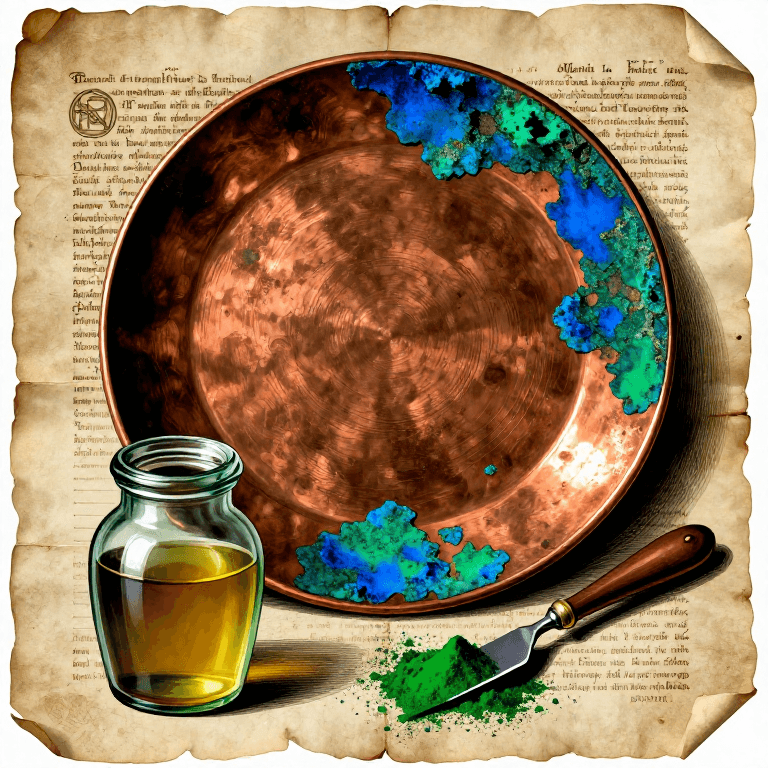
Making Verdigris — The Copper Acetate Green of Medieval Painters
Charlie གྱིས
སྒྱུ་རྩལ
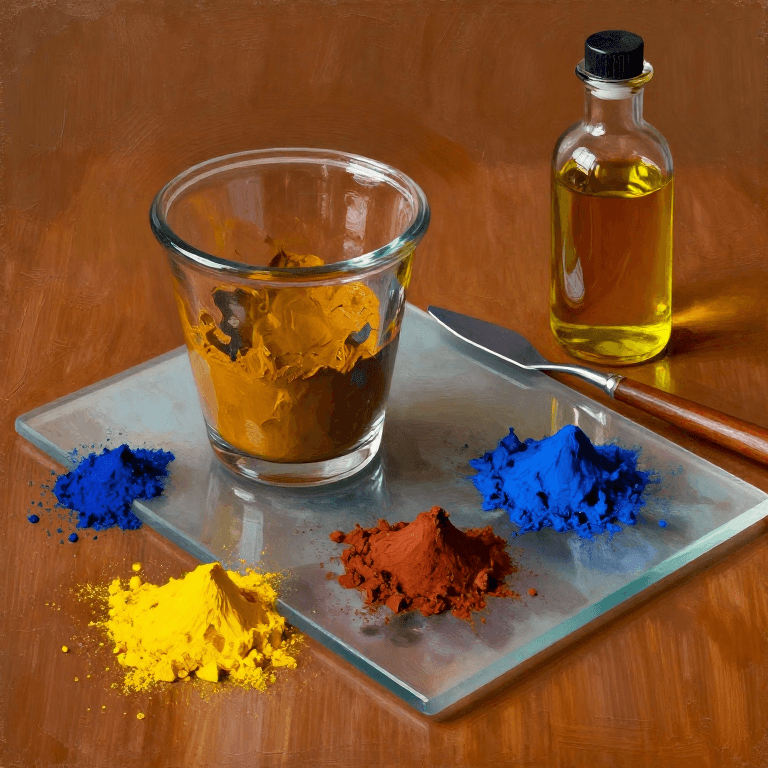
Making Oil Paint from Raw Pigments — Grinding Pigments in Linseed Oil
Charlie གྱིས
སྒྱུ་རྩལ
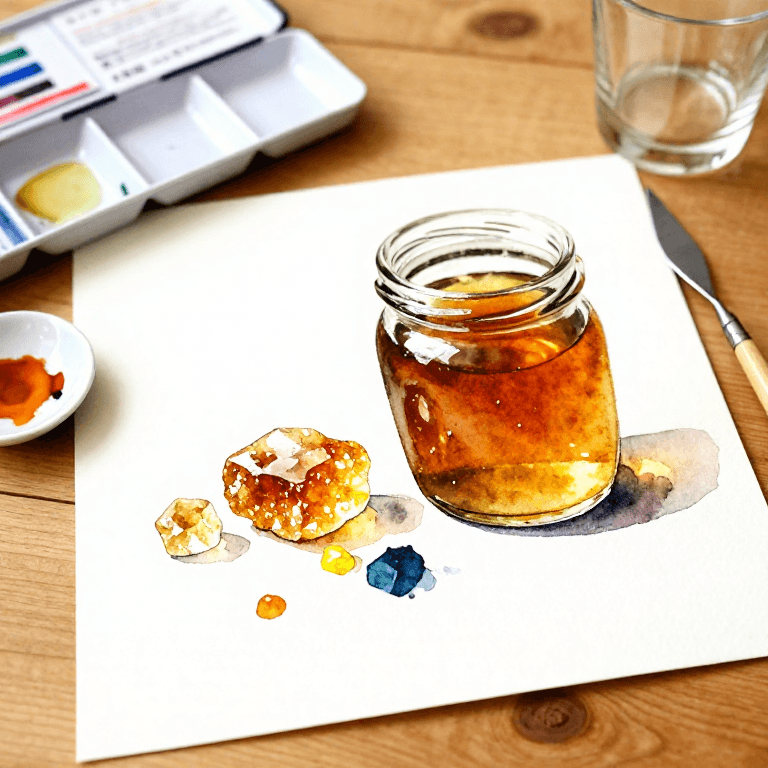
Making Watercolour Paint from Raw Pigments — Gum Arabic Binder
Charlie གྱིས
སྒྱུ་རྩལ
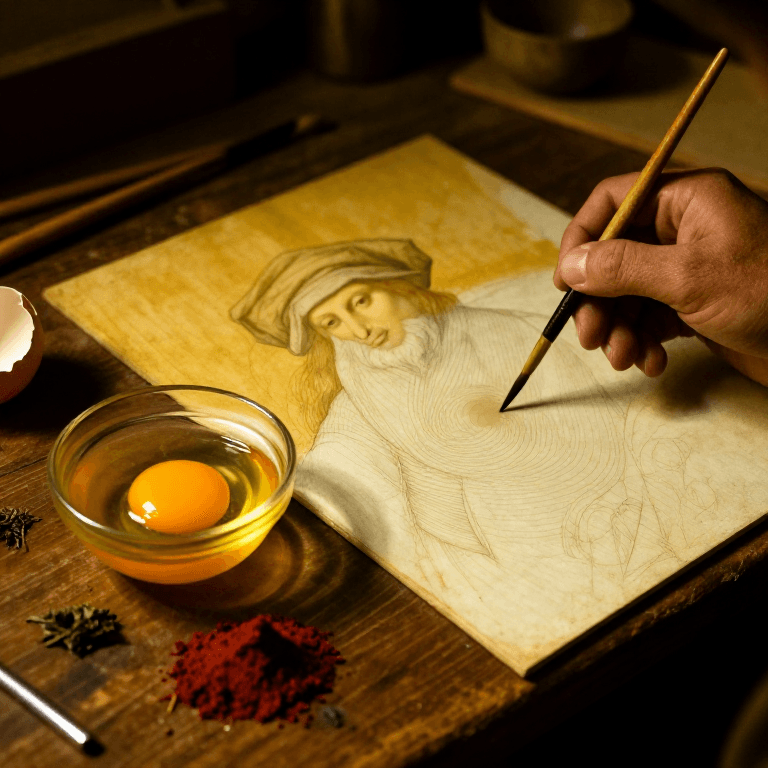
Making Egg Tempera Paint — The Medieval Panel Painting Medium
Charlie གྱིས
སྒྱུ་རྩལ
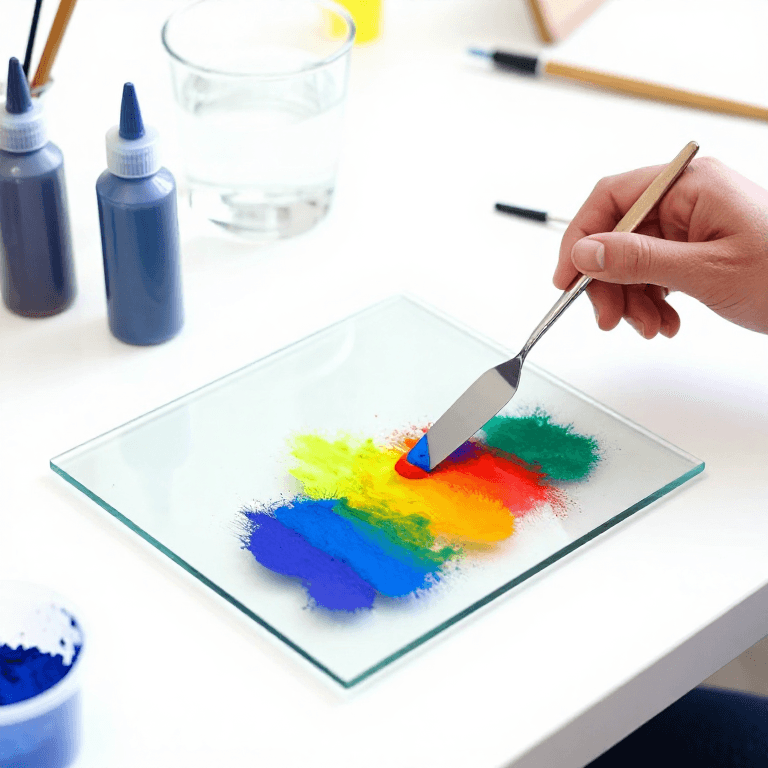
Making Acrylic Paint — Grinding Pigments into Acrylic Polymer Medium
Charlie གྱིས
སྒྱུ་རྩལ
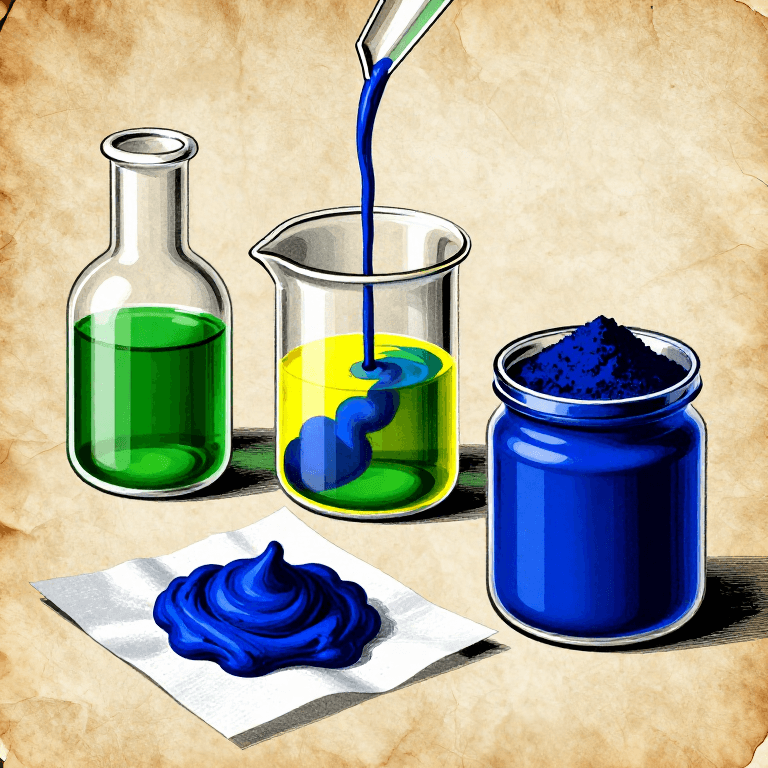
Making Prussian Blue — The First Modern Synthetic Pigment (Berlin, 1704)
Charlie གྱིས
སྒྱུ་རྩལ
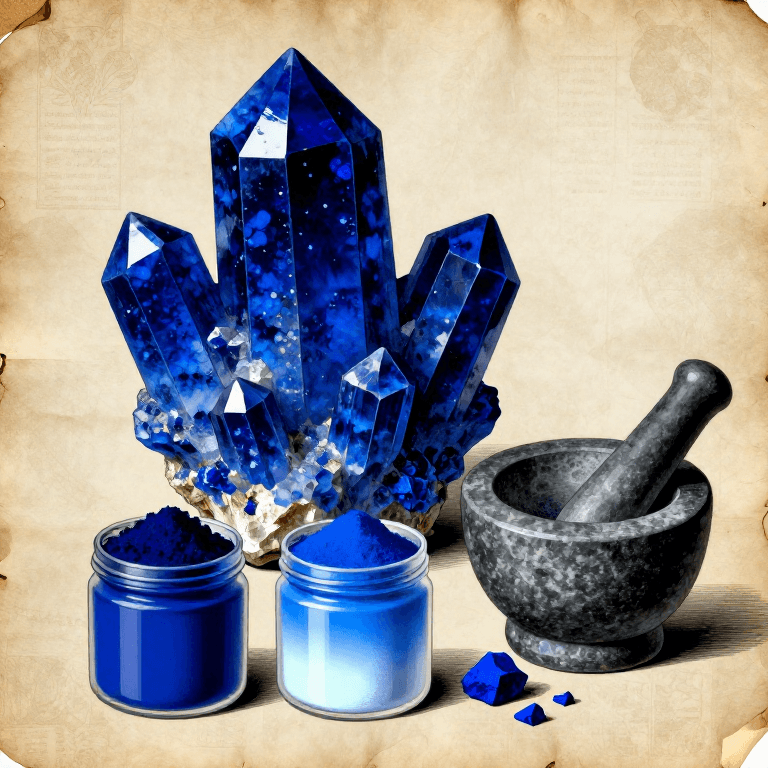
Making Azurite Blue Pigment — Grinding the Copper Mineral into the Blue of Medieval Painting
Charlie གྱིས
སྒྱུ་རྩལ
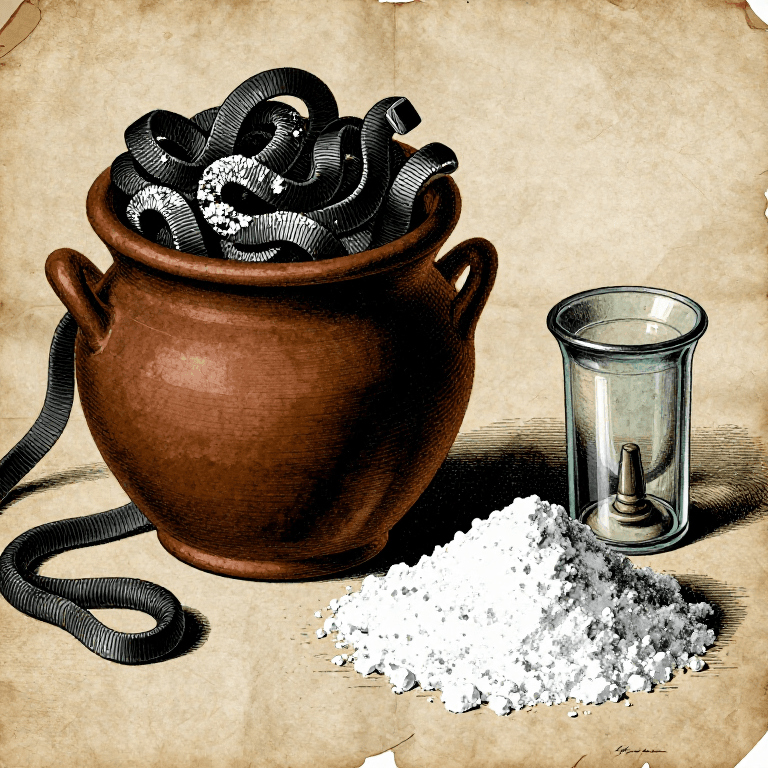
Making Lead White (Flake White) — The Dutch Stack Process for the Most Important Pigment in Oil Painting History
Charlie གྱིས
སྒྱུ་རྩལ
CC0 སྤྱི་དབང
བིལུ་པིརིན་ཊི་འདི་CC0 འོག་བཀྲམས་ཡོད། ཁྱེད་རང་གིས་ཆོག་མཆན་མ་བཞེས་པར་ཕབ་ལེན་དང་བཟོ་བཅོས། བགོ་བཤའ། དགོས་མཁོ་གང་ལའང་བཀོལ་སྤྱོད་བྱས་ཆོག
བཟོ་མཁན་ལ་རྒྱབ་སྐྱོར་བྱེད་པའི་ཆེད་ཁོང་ཚོའི་བིལུ་པིརིན་ཊི་བརྒྱུད་ཐོན་སྐྱེད་ཉོ། བཟོ་མཁན་གྱིས བཟོ་མཁན་གྱི་ཁེ་ཕོགས ཚོང་པས་གཏན་འཁེལ་བྱས་པ། ཡང་ན་བིལུ་པིརིན་ཊི་འདིའི་པར་གསར་བཟོས་ཏེ་ཁྱེད་རང་གི་བིལུ་པིརིན་ཊི་ནང་མཐུད་སྦྲེལ་བྱས་ཏེ་ཡོང་སྒོ་བགོ་བཤའ་བྱེད།