སྒྱུ་རྩལ
མཛེས་སྡུག་དང་བདེ་ཐང
བཟོ་རིག
རིག་གནས་དང་ལོ་རྒྱུས
དགའ་སྟོན
ཁོར་ཡུག
ཟས་དང་བཏུང་རྫས
ཕྱིར་འཕྲུལ་རིག
ཚན་རིག
རྩེད་འགྲན
རིག་རྩལ
གྱོན་རུང
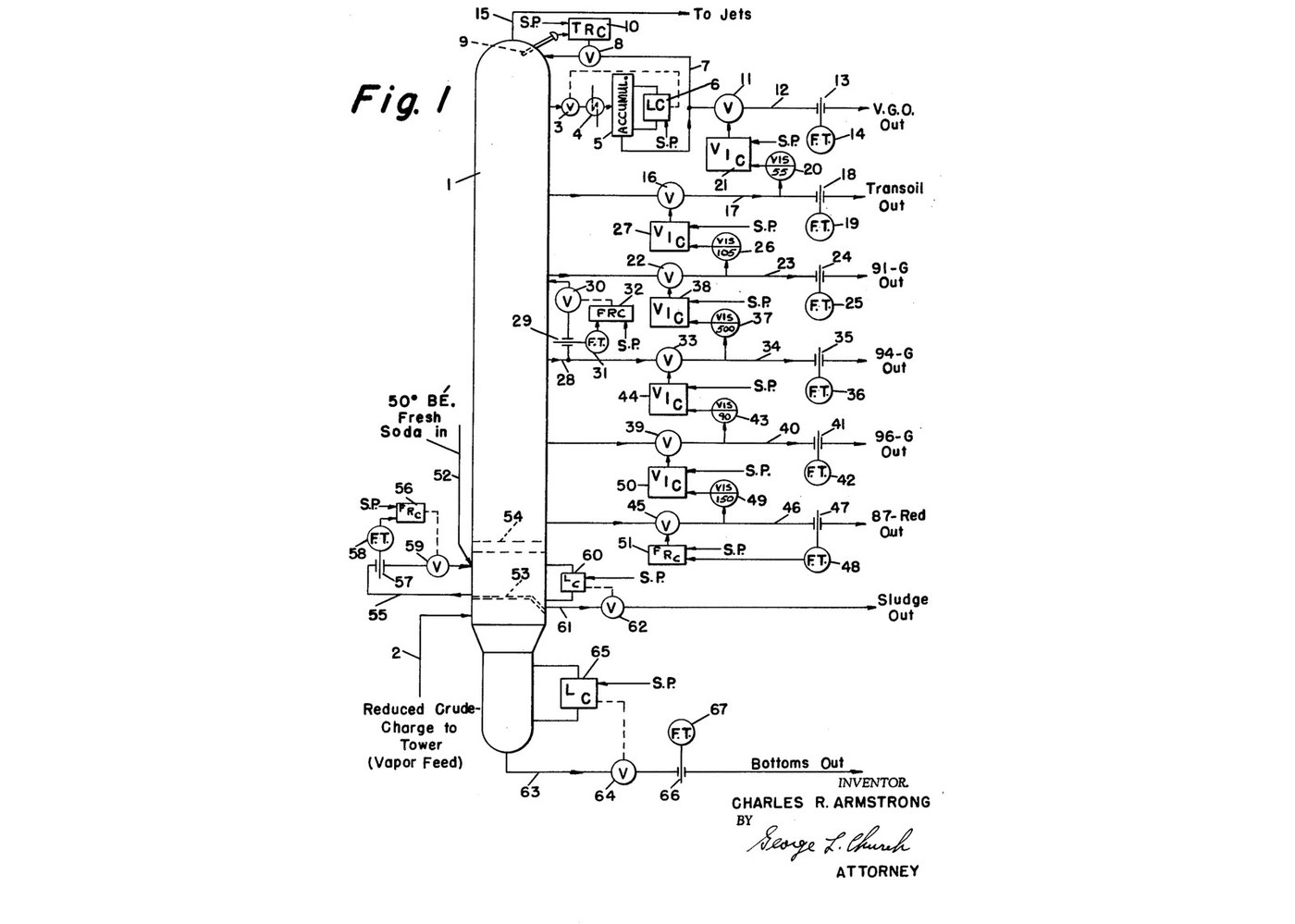


Naphthenic Distillates: Reduced Crude Cut by Viscosity in a Vacuum Tower (Armstrong 1965)
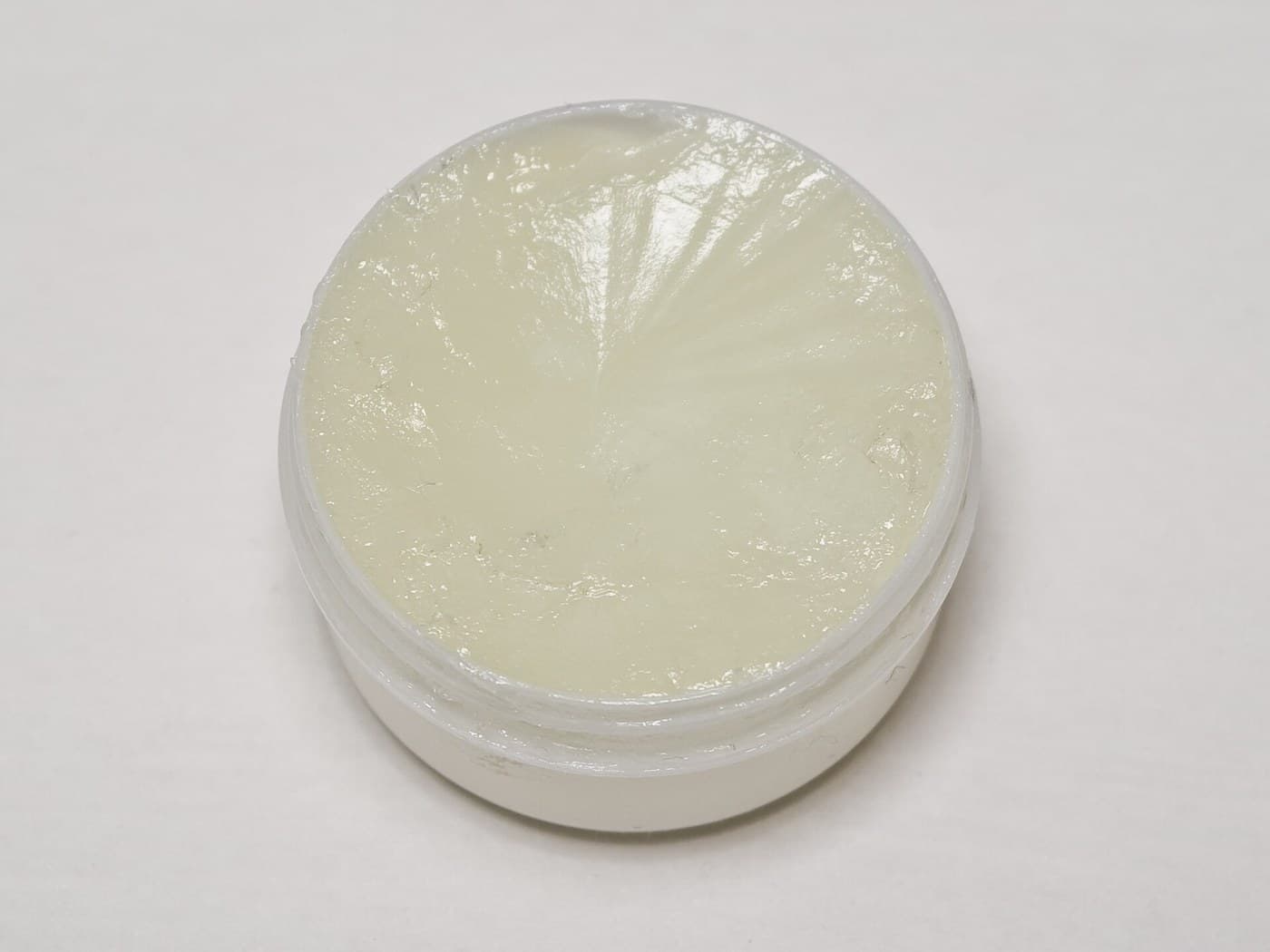
A wax-free naphthenic crude, stripped of its gasoline and naphtha, goes into a vacuum tower as hot vapour. Caustic soda near the bottom takes out its acids as a sludge. Five lubricating oils are drawn off the side of the tower, each held to its own viscosity. These are naphthenic distillates, the feed for white mineral oil.
Source: C. R. Armstrong (Sun Oil Company), US 3,184,396 (1965), a Sun Oil tower of 39 trays and 12,000 barrels a day. He does not give the crude tower's conditions, how the feed is heated or how much caustic is used. The steam boiler and hydrometer are ours. The picture: the patent's Fig. 1.
མཐོ་རིམ
continuous
ལམ་སྟོན
1
1
Top the crude
Top the crude
Take a wax-free naphthenic crude. Armstrong's crudes were sorted and blended to give lubricating oils with a viscosity-gravity constant of 0.885–0.893. Strip off the low-boiling part (straight-run gasoline, naphtha) in a separate crude tower; the patent gives no conditions for it. What is left is the "reduced" crude.
གོམ་པ་འདིའི་རྫས་རིགས:
 ནཱཕ་ཐི་ནིཀ་ སྣུམ་རྩ།1 as required
ལག་ཆས་དགོས་མཁོ:
 རླུང་གི་ནོན་ཤུགས་ཀྱི་བཅུ་ཐབས་ཀ་བ།
2
2
Lay out the vacuum tower
Lay out the vacuum tower
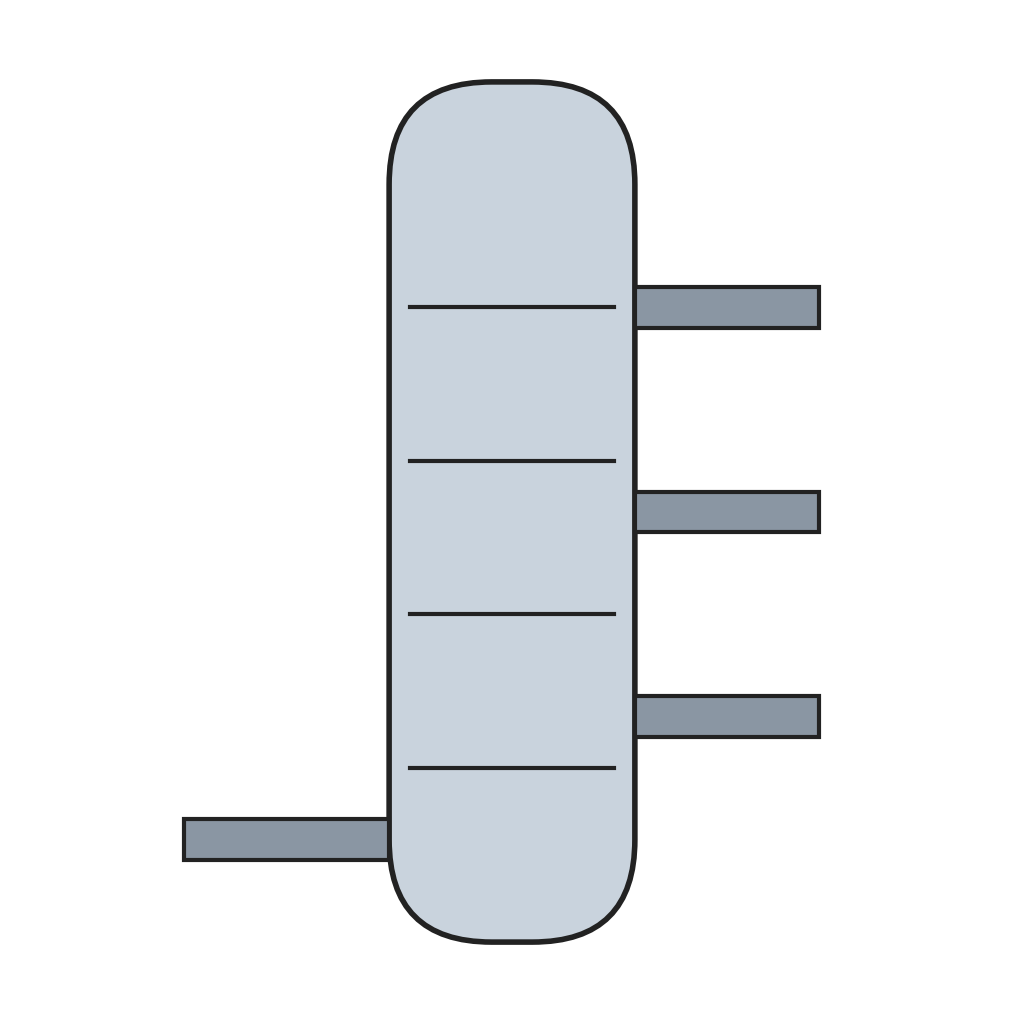
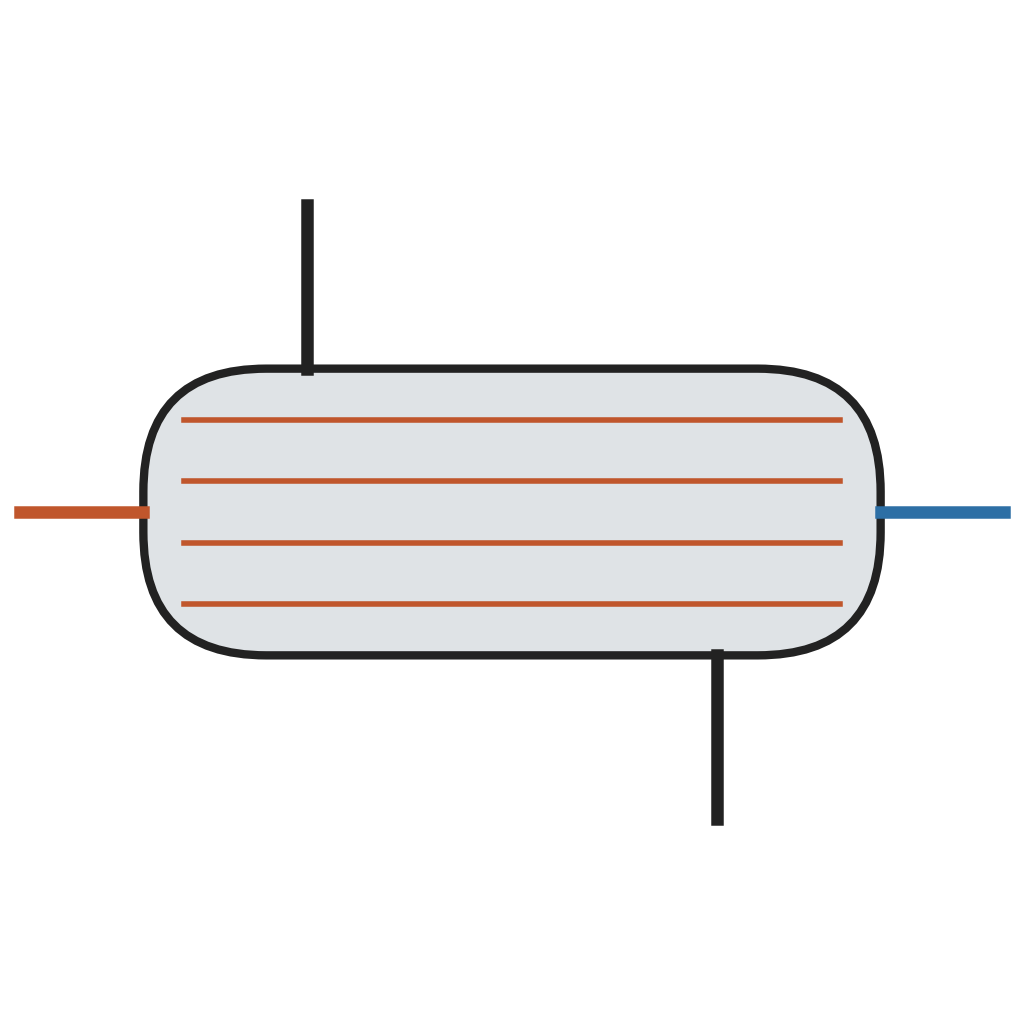
Armstrong's tower has 39 trays, 20 ft across and 128 ft high. Take-offs, counted from the bottom: gas oil overhead at tray 35, through a condenser to an accumulator, part of it sent back as reflux to hold the top temperature; transformer oil ("Transoil") at tray 29; 91-G at tray 26; 94-G below it, partly cooled in a heat exchanger and returned as reflux; 96-G at tray 19; 87-Red at tray 16. Tray 7 is a total trap-out tray with a demister above it: between them is the caustic section.
ལག་ཆས་དགོས་མཁོ:
 རླུང་མེད་བཅུ་ཐབས་ཀ་བ།
 ཀོན་དེན་སར་གྱི་སྦུག་སྒྲིལ།
 དྲོད་བརྗེ་བརྗེའི་ཆས།
3
3
Pull the vacuum
Pull the vacuum
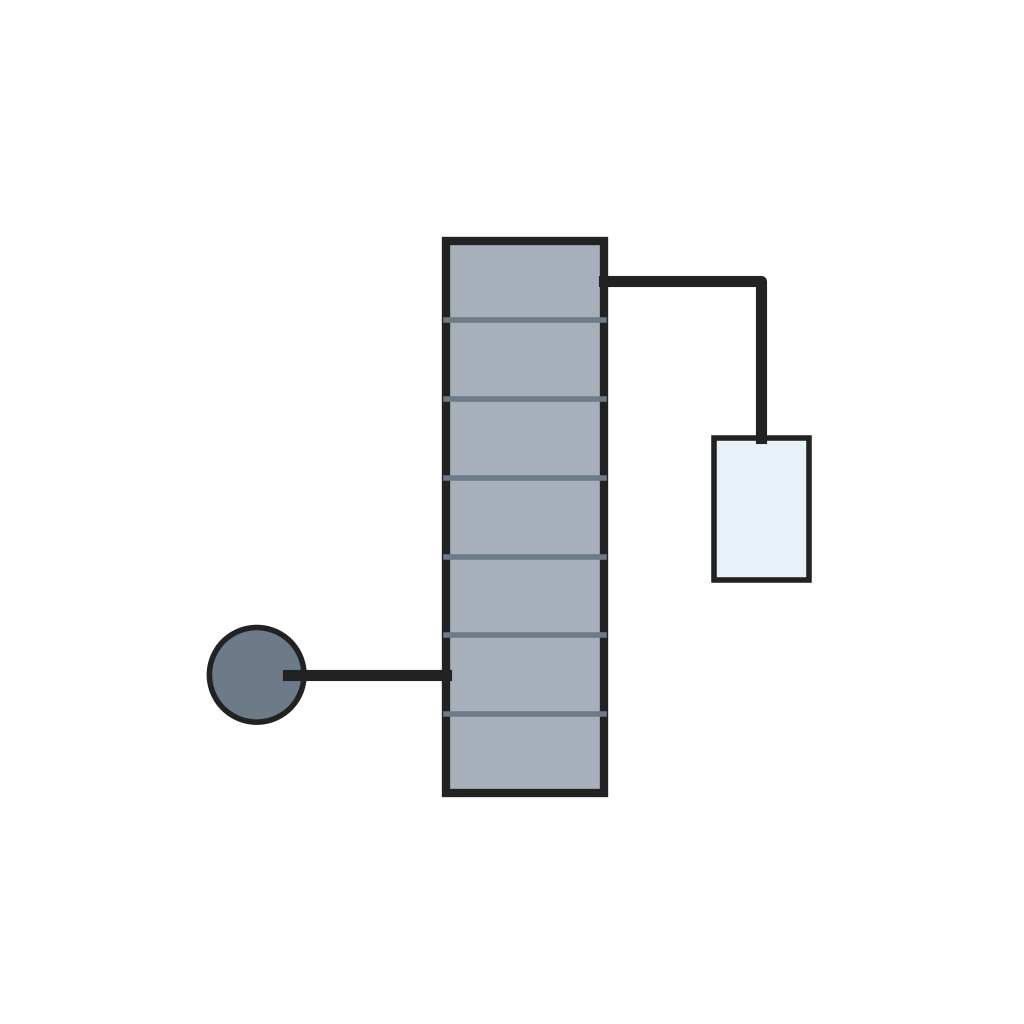
Hold the top of the tower at 15–20 mm of mercury absolute with steam jet ejectors and barometric condensers. Ours: a steam boiler for the jets.
ལག་ཆས་དགོས་མཁོ:
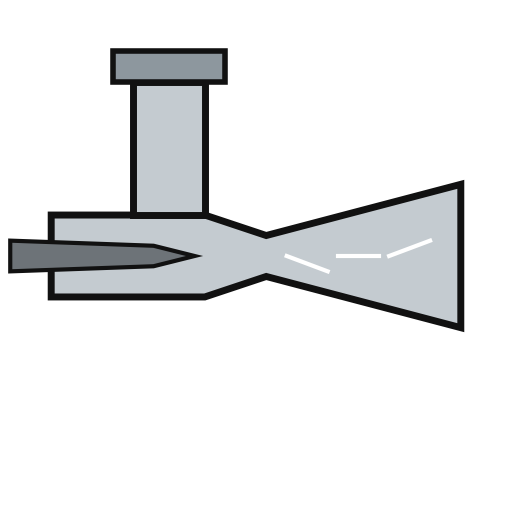 རླངས་པ་འཕྱོ་བའི་ འཐེན་འཕྲུལ།
 རླུང་ཚད་ཅན་གྱི་ རླངས་འཁྱིལ་ཆས།
 རླངས་པའི་ཁོལ་སྣོད།
 གནོན་ཤུགས་འཇལ་ཆས།
4
4
Feed the reduced crude as vapour
Feed the reduced crude as vapour
Charge the reduced crude near the bottom, below tray 7, at about 650 °F (343 °C), so it enters as vapour. The patent does not say how it is heated. Whatever does not vaporise runs down and is drawn off as tower bottoms, by level.
ལག་ཆས་དགོས་མཁོ:
རླུང་མེད་བཅུ་ཐབས་ཀ་བ། ལྷག་ཆས་ཡོད་པའི་ཐར་མོ་ཀཔཱལ།
5
5
Feed caustic soda into the caustic section
Feed caustic soda into the caustic section
Feed fresh caustic soda, 50° Baumé for example, at tray 10. It turns the acidic parts of the vapour into a sodium salt that does not boil, and this collects as a sludge on tray 7. Take some sludge off tray 7 and return it at tray 10 to stir it; leave some 87-Red in the tower to thin it so the section does not plug. Draw the sludge off by level. Ours: a hydrometer to check the Baumé.
ལག་ཆས་དགོས་མཁོ:
 སོ་ཌི་ཡམ་ཧཱའི་ཌོ་རོག་སཱའིཌ་ཁུ་བ།
 ཚད་ཚབས་འཇལ་ཆས།རླུང་མེད་བཅུ་ཐབས་ཀ་བ།
6
6
Hold each side stream to its viscosity
Hold each side stream to its viscosity
Measure each side stream with a viscometer: Transoil 55 S.S.U. at 100 °F (38 °C); 91-G 105 S.S.U. at 100 °F; 94-G 500 S.S.U. at 100 °F; 96-G 90 at 210 °F (99 °C); 87-Red 150 at 210 °F. Correct a stream by the draw-off of the stream just above it: Transoil by the gas oil. If a stream runs thick, draw more from the one above, so its lighter parts come down. Set 87-Red by hand.
ལག་ཆས་དགོས་མཁོ:
 སྐྱ་ཚད་འཇལ་ཆས།རླུང་མེད་བཅུ་ཐབས་ཀ་བ།
7
7
Run the on-spec oils to storage
Run the on-spec oils to storage
Send only side streams that are on viscosity to storage. Each of the five lubricating oils is a naphthenic distillate. The gas oil, the sludge and the bottoms take the rest of the feed.
ལག་ཆས་དགོས་མཁོ:
སྐྱ་ཚད་འཇལ་ཆས།རླུང་མེད་བཅུ་ཐབས་ཀ་བ།རྫས་རིགས
1- 1 as requiredས་ཆ་འཛིན
ལག་ཆས་དགོས་མཁོ
12- ས་ཆ་འཛིན
- ས་ཆ་འཛིན
- ས་ཆ་འཛིན
- ས་ཆ་འཛིན
- ས་ཆ་འཛིན
- ས་ཆ་འཛིན
- ས་ཆ་འཛིན
- ས་ཆ་འཛིན
- ས་ཆ་འཛིན
- ས་ཆ་འཛིན
- ས་ཆ་འཛིན
བིལུ་པིརིན་ཊི་འདི་གིས་བཟོ་མི
འབྲེལ་ཡོད་བིལུ་པིརིན་ཊི
བིལུ་པིརིན་ཊི་འདི་ཚུ་ཐབས་ལམ་དང་རྫས་རིགས། སྤྱི་ཆོས་བགོ་བཤའ་བྱེད
CC0 སྤྱི་དབང
བིལུ་པིརིན་ཊི་འདི་CC0 འོག་བཀྲམས་ཡོད། ཁྱེད་རང་གིས་ཆོག་མཆན་མ་བཞེས་པར་ཕབ་ལེན་དང་བཟོ་བཅོས། བགོ་བཤའ། དགོས་མཁོ་གང་ལའང་བཀོལ་སྤྱོད་བྱས་ཆོག
བཟོ་མཁན་ལ་རྒྱབ་སྐྱོར་བྱེད་པའི་ཆེད་ཁོང་ཚོའི་བིལུ་པིརིན་ཊི་བརྒྱུད་ཐོན་སྐྱེད་ཉོ། བཟོ་མཁན་གྱིས བཟོ་མཁན་གྱི་ཁེ་ཕོགས ཚོང་པས་གཏན་འཁེལ་བྱས་པ། ཡང་ན་བིལུ་པིརིན་ཊི་འདིའི་པར་གསར་བཟོས་ཏེ་ཁྱེད་རང་གི་བིལུ་པིརིན་ཊི་ནང་མཐུད་སྦྲེལ་བྱས་ཏེ་ཡོང་སྒོ་བགོ་བཤའ་བྱེད།