སྒྱུ་རྩལ
མཛེས་སྡུག་དང་བདེ་ཐང
བཟོ་རིག
རིག་གནས་དང་ལོ་རྒྱུས
དགའ་སྟོན
ཁོར་ཡུག
ཟས་དང་བཏུང་རྫས
ཕྱིར་འཕྲུལ་རིག
ཚན་རིག
རྩེད་འགྲན
རིག་རྩལ
གྱོན་རུང
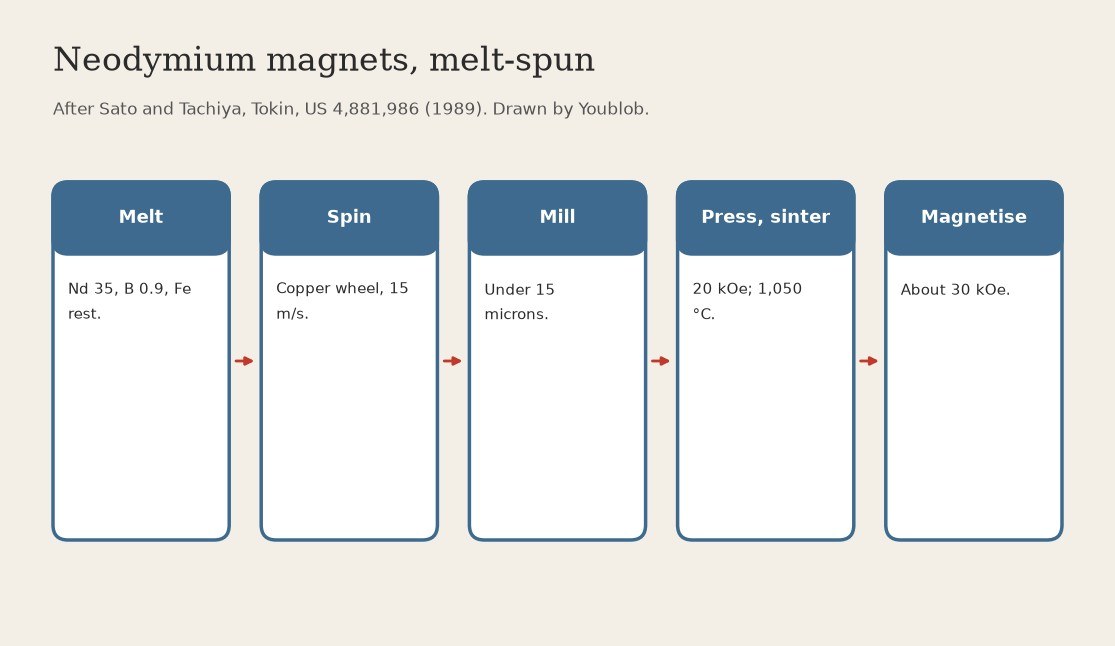


Neodymium Magnets: Melt-Spun Ribbon Milled, Pressed in a Field, Sintered and Magnetised at 30 kOe (Sato, Tokin, US 4,881,986)
Squirting the molten Nd-Fe-B alloy onto a spinning copper wheel freezes it into ribbon with crystals only a tenth of a micron across. Milled fine, lined up in a magnetic field, pressed and sintered, it makes a strong anisotropic magnet, which a 30 kOe pulse then magnetises.
Result: sintered neodymium magnets, above 16 MGOe when the powder is finer than 15 microns.
Source: Sato and Tachiya, US 4,881,986 (Tokin, 1989), Example 1. Not given: magnet shape and size. Picture drawn by Youblob.
མཐོ་རིམ
3 days
ལམ་སྟོན
1
1
Melt the alloy in argon
Melt the alloy in argon
Weigh 35.0 % neodymium, 0.9 % boron (as ferroboron with 20 % B) and the rest electrolytic iron, by weight, and induction-melt them in argon into an ingot. Ours, worked out: 35 parts neodymium, 4.5 ferroboron, 60.5 iron. Sato's neodymium was 97 % (with Ce and Pr); ours is the 99 % metal.
གོམ་པ་འདིའི་རྫས་རིགས:
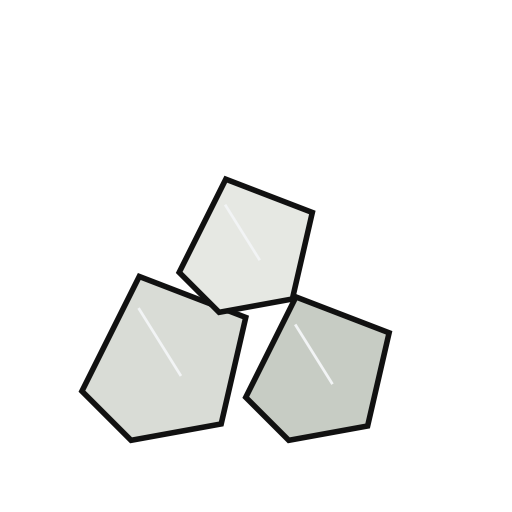 ནི་ཡོ་ཌི་མི་ཡམ་ལྕགས།35 parts
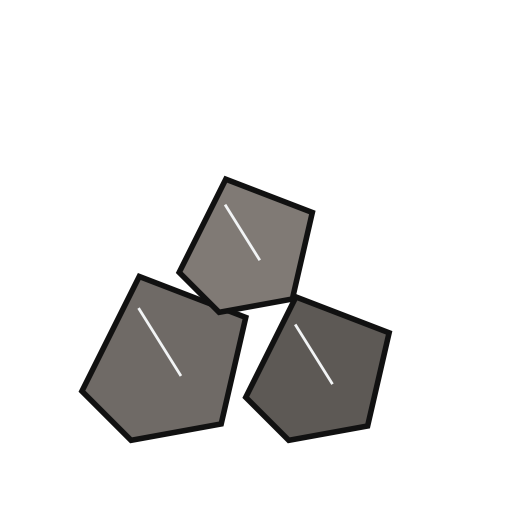 ཕེ་རོ་བོ་རོན།4.5 parts
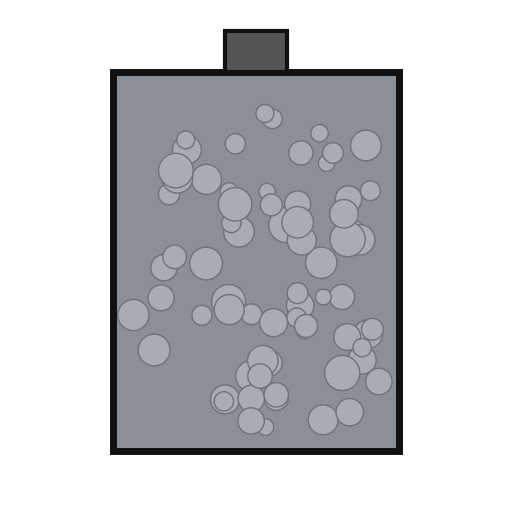 གློག་གི་བརྒྱུད་དེ་བཟོ་མི་ལྕགས།60.5 parts
ལག་ཆས་དགོས་མཁོ:
 ལག་པ་འདྲ་མཉམ་གྱི་སྲང་།
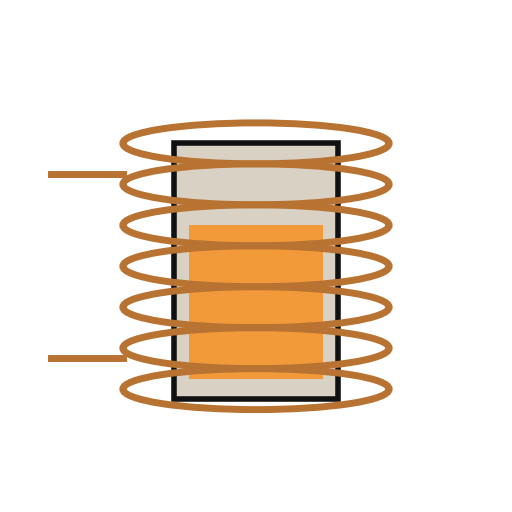 ཨིན་ཌག་ཤཱན་ཐབ།
 གནོན་ཤུགས་ཀྱི་རླུང་རྫས་སྣོད།
2
2
Melt-spin a ribbon
Melt-spin a ribbon
Remelt in argon and squirt the alloy through a small orifice onto a copper wheel whose rim moves at 15 m/s. It freezes into ribbon about 5 mm wide and 100 microns thick, with R2Fe14B grains about 0.1 micron.
ལག་ཆས་དགོས་མཁོ:
ཨིན་ཌག་ཤཱན་ཐབ།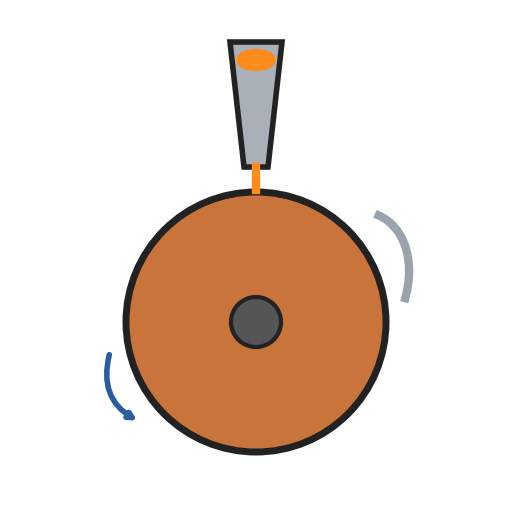 ཞུ་བའི་འཁོར་ལོ།གནོན་ཤུགས་ཀྱི་རླུང་རྫས་སྣོད།
3
3
Ball-mill to powder
Ball-mill to powder
Crush and ball-mill the ribbon. Particle size: Sato made 0.5 to 30 microns; below 15 microns the magnet tops 16 MGOe, better below 10, best at 5 microns or less.
ལག་ཆས་དགོས་མཁོ:
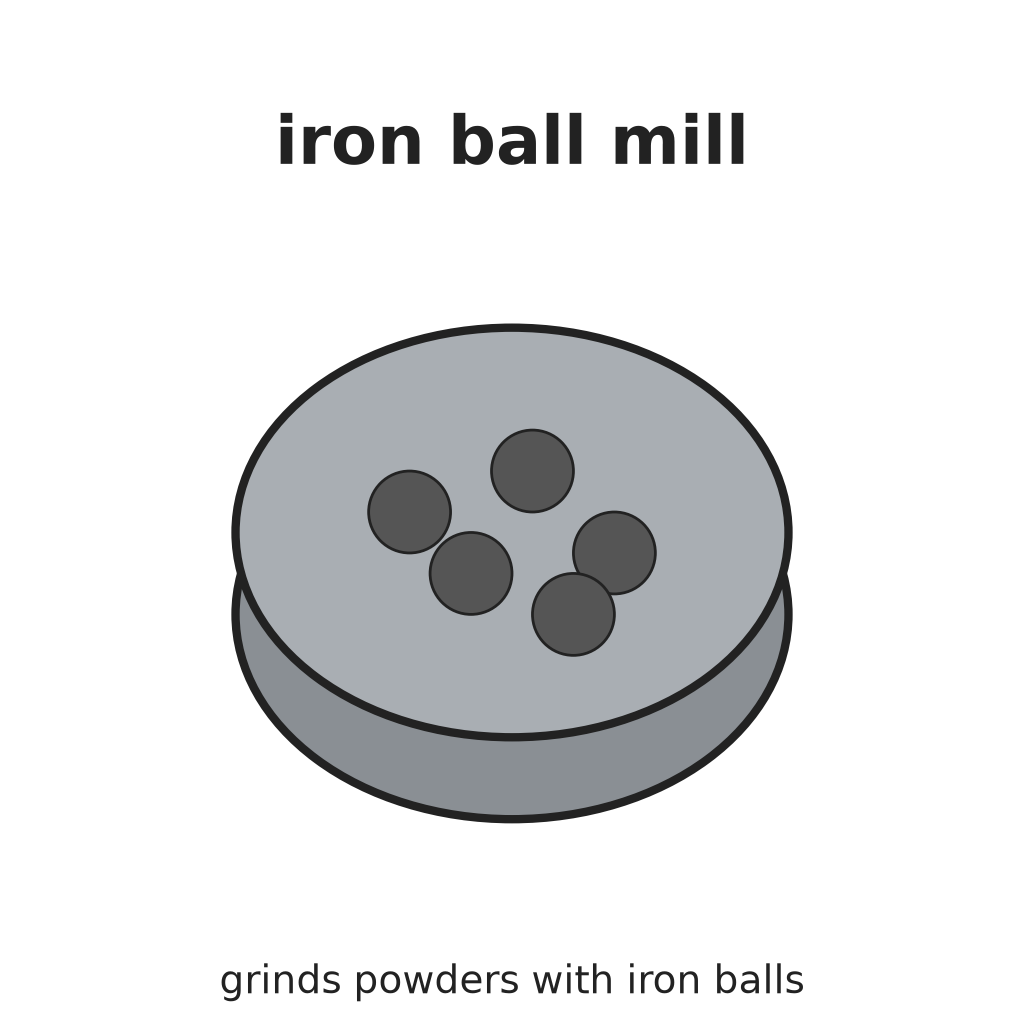 ལྕགས་ཀྱི་ལྡེ་གུ་འཚོག་འཁོར་ལོ
4
4
Press in a 20 kOe field and sinter
Press in a 20 kOe field and sinter
Press the powder at 1 ton/cm² in a 20 kOe field. Sinter at 1,050 °C for 1 hour in vacuum and 1 more hour in argon, then quench; age at 630 °C for 1 hour in argon.
ལག་ཆས་དགོས་མཁོ:
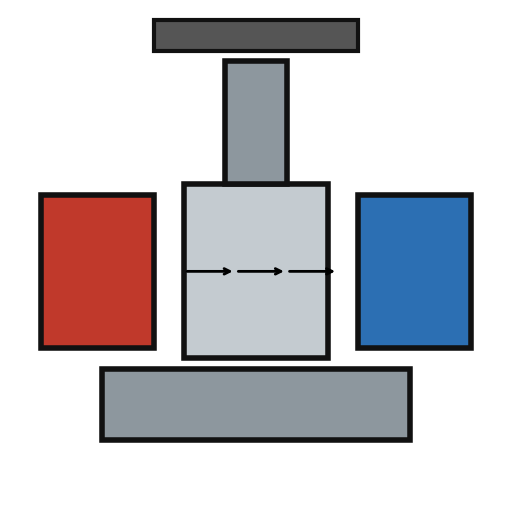 ཁབ་ལེན་ས་ཁོངས་ཀྱི་བཙིར་འཕྲུལ།
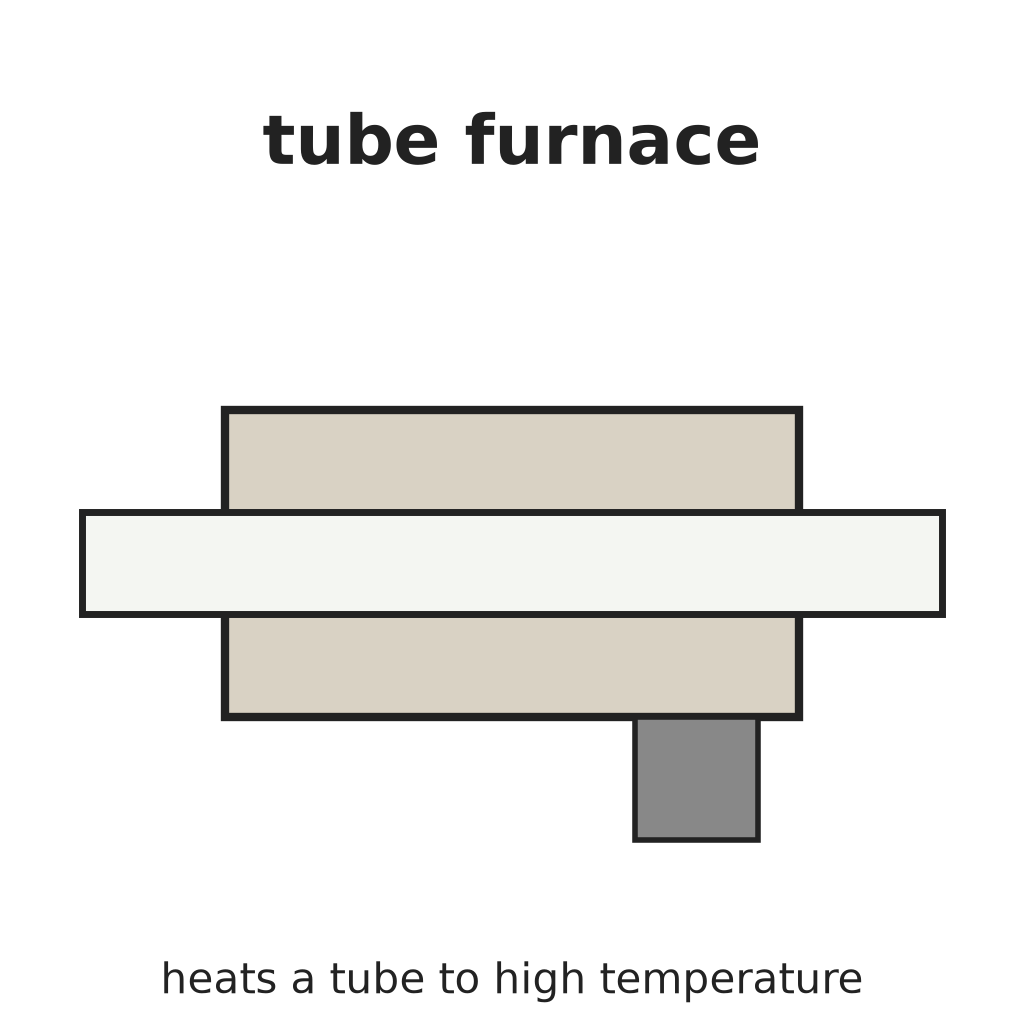 རྒྱུ་ཐིག་ཐབ
 རླུང་འཐེན་འཕྲུལ་ཆས།གནོན་ཤུགས་ཀྱི་རླུང་རྫས་སྣོད།
5
5
Magnetise at 30 kOe
Magnetise at 30 kOe
Magnetise the sintered body in a field of about 30 kOe.
ལག་ཆས་དགོས་མཁོ:
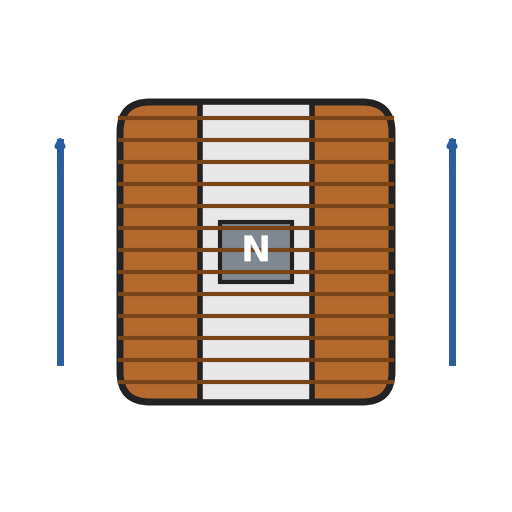 ཁབ་ལེན་བཙུགས་ཆས།
རྫས་རིགས
3- 35 partsས་ཆ་འཛིན
- 4.5 partsས་ཆ་འཛིན
- 60.5 partsས་ཆ་འཛིན
ལག་ཆས་དགོས་མཁོ
9- ས་ཆ་འཛིན
- ས་ཆ་འཛིན
- ས་ཆ་འཛིན
- ས་ཆ་འཛིན
- ས་ཆ་འཛིན
- ས་ཆ་འཛིན
- ས་ཆ་འཛིན
- 1 vendor sell this, none ship to you yetས་ཆ་འཛིན
- ས་ཆ་འཛིན
བིལུ་པིརིན་ཊི་འདི་གིས་བཟོ་མི


འབྲེལ་ཡོད་བིལུ་པིརིན་ཊི
བིལུ་པིརིན་ཊི་འདི་ཚུ་ཐབས་ལམ་དང་རྫས་རིགས། སྤྱི་ཆོས་བགོ་བཤའ་བྱེད


CC0 སྤྱི་དབང
བིལུ་པིརིན་ཊི་འདི་CC0 འོག་བཀྲམས་ཡོད། ཁྱེད་རང་གིས་ཆོག་མཆན་མ་བཞེས་པར་ཕབ་ལེན་དང་བཟོ་བཅོས། བགོ་བཤའ། དགོས་མཁོ་གང་ལའང་བཀོལ་སྤྱོད་བྱས་ཆོག
བཟོ་མཁན་ལ་རྒྱབ་སྐྱོར་བྱེད་པའི་ཆེད་ཁོང་ཚོའི་བིལུ་པིརིན་ཊི་བརྒྱུད་ཐོན་སྐྱེད་ཉོ། བཟོ་མཁན་གྱིས བཟོ་མཁན་གྱི་ཁེ་ཕོགས ཚོང་པས་གཏན་འཁེལ་བྱས་པ། ཡང་ན་བིལུ་པིརིན་ཊི་འདིའི་པར་གསར་བཟོས་ཏེ་ཁྱེད་རང་གི་བིལུ་པིརིན་ཊི་ནང་མཐུད་སྦྲེལ་བྱས་ཏེ་ཡོང་སྒོ་བགོ་བཤའ་བྱེད།