

Smelting Pig Iron in a Coke Blast Furnace — Molten Iron at Industrial Scale
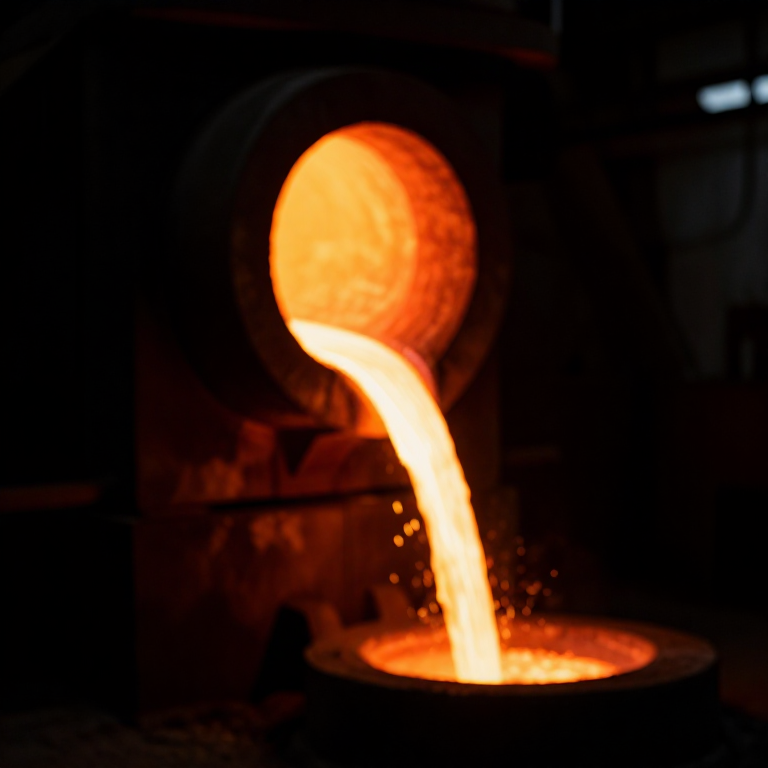
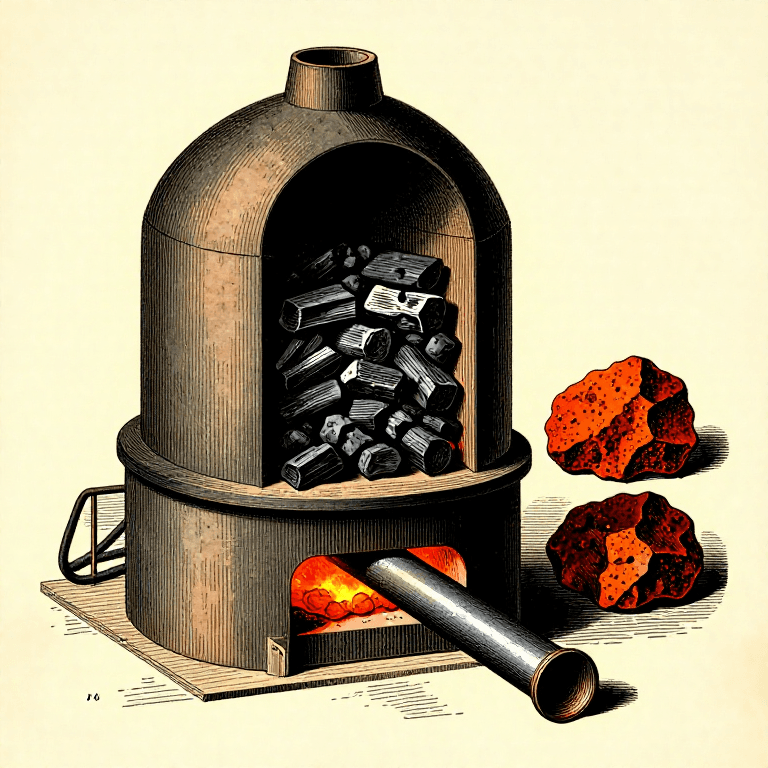
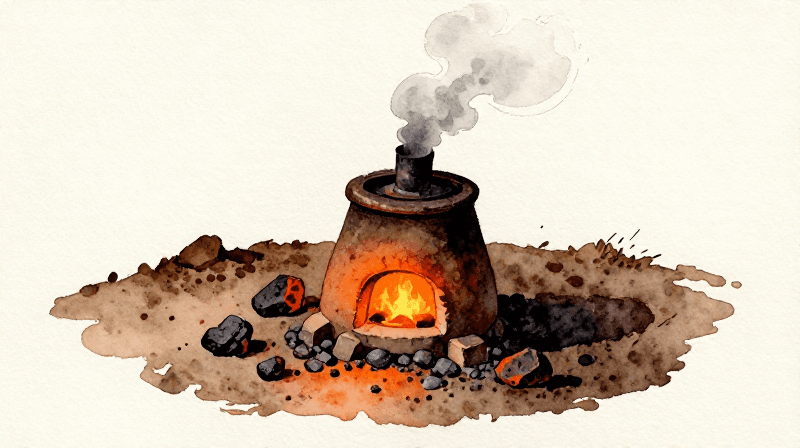
The bloomery gave the ancient world iron, but only in small spongy lumps, one slow batch at a time. The blast furnace changed everything: a tall shaft kept continuously charged and blown produces a steady river of molten iron. Where a bloomery never melts its metal, a blast furnace runs hot enough to liquefy iron entirely, letting it pool at the hearth and be tapped out by the tonne.
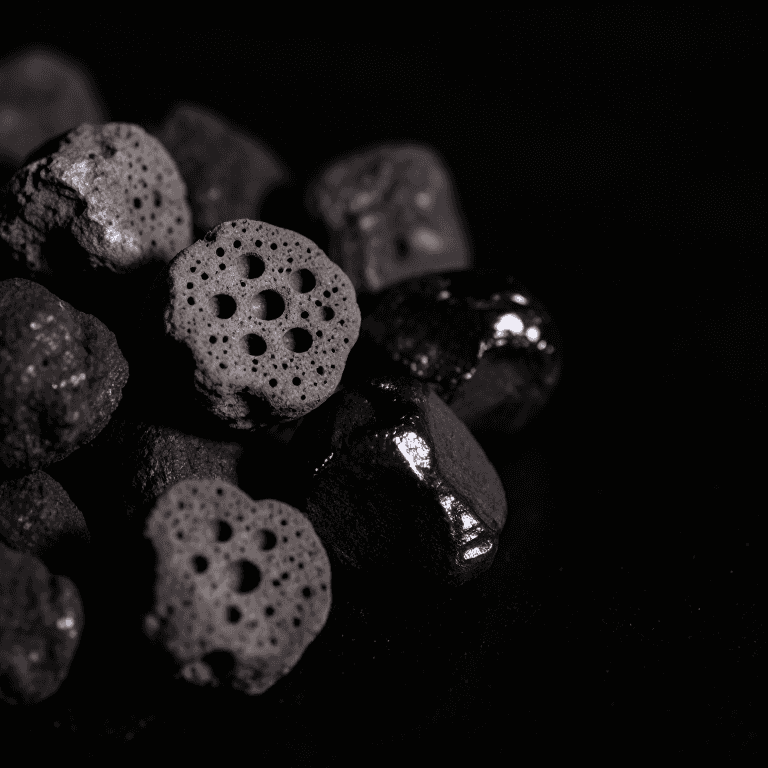
The key is heat and chemistry working together. A powerful air blast burns coke to carbon monoxide, which strips the oxygen from iron ore; meanwhile the descending iron soaks up carbon until it melts. Limestone added as flux carries off the stony impurities as a floating slag. What runs out of the tap hole is pig iron — iron saturated with about four percent carbon: hard, brittle, and perfect for casting or for refining into wrought iron and steel.
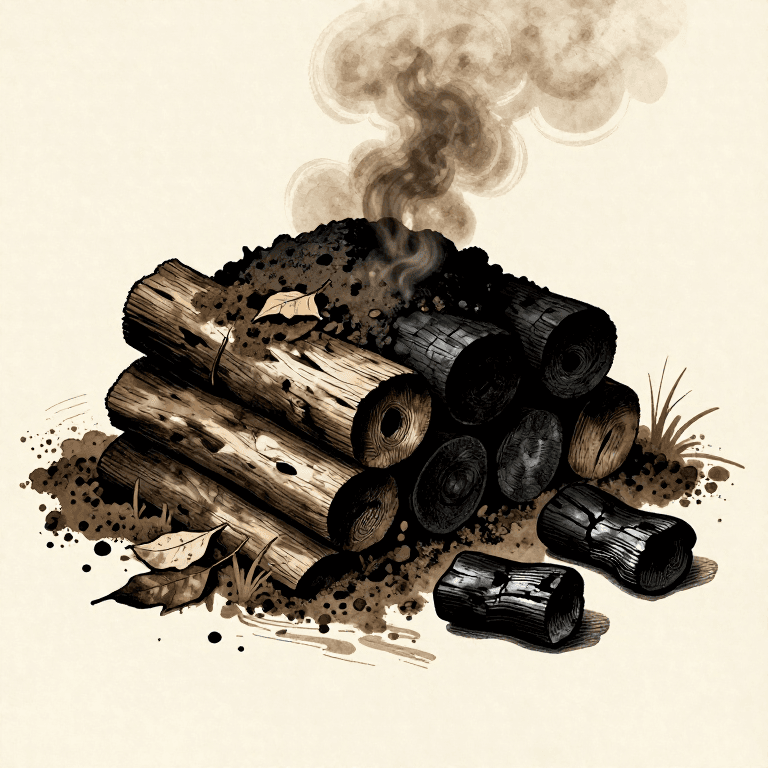
When coke replaced charcoal as the blast-furnace fuel in the early 1700s, iron could finally be made in unlimited quantity without consuming whole forests. Cheap pig iron became the raw material of the Industrial Revolution — the metal behind rails, bridges, engines, and machines.
ལམ་སྟོན
Understand pig iron
Understand pig iron
Build the shaft furnace
Build the shaft furnace
གོམ་པ་འདིའི་རྫས་རིགས:
 མེ་བཟོད་སོ་ཕག80 དུམ་བུ།
ལག་ཆས་དགོས་མཁོ:
 ལག་པའི་སྐྱོགས་མ།
Crush the ore and flux
Crush the ore and flux
གོམ་པ་འདིའི་རྫས་རིགས:
 འདམ་གྱི་ལྕགས་རྡོ་སྐམ་པ།30 kg
 རྡོ་ཞོའི་རྡོ་ལེབ།8 kg
ལག་ཆས་དགོས་མཁོ:
 ཐོ་བ།
ཐོ་བ།Set up the air blast
Set up the air blast
ལག་ཆས་དགོས་མཁོ:
 རླུང་སྦུད་ཆས།
Light the coke bed
Light the coke bed
གོམ་པ་འདིའི་རྫས་རིགས:
 ལྕགས་བཟོའི་སོལ་བ།40 kg
Charge in layers
Charge in layers
གོམ་པ་འདིའི་རྫས་རིགས:
ལྕགས་བཟོའི་སོལ་བ།40 kgReduce the ore
Reduce the ore
Melt and carburize
Melt and carburize
Form and tap the slag
Form and tap the slag
ལག་ཆས་དགོས་མཁོ:
 ཁ་ཕྱེ་བའི་ལྕགས་དབྱུག
Tap the molten iron
Tap the molten iron
ལག་ཆས་དགོས་མཁོ:
ཁ་ཕྱེ་བའི་ལྕགས་དབྱུགCast the pigs
Cast the pigs
གོམ་པ་འདིའི་རྫས་རིགས:
 བླུགས་གཞོང་གི་བྱེ་མ།50 kg
Cool, break, and identify
Cool, break, and identify
ལག་ཆས་དགོས་མཁོ:
ཐོ་བ།རྫས་རིགས
5- 80 དུམ་བུ།ས་ཆ་འཛིན
- ས་ཆ་འཛིན
- ས་ཆ་འཛིན
- 40 kgས་ཆ་འཛིན
- 50 kgས་ཆ་འཛིན
མཐུད་སྦྲེལ་བིལུ་པིརིན་ཊི་རྫས་རིགས

བིལུ་པིརིན་ཊི་འདི་གིས་བཟོ་མི

འབྲེལ་ཡོད་བིལུ་པིརིན་ཊི
བིལུ་པིརིན་ཊི་འདི་ཚུ་ཐབས་ལམ་དང་རྫས་རིགས། སྤྱི་ཆོས་བགོ་བཤའ་བྱེད


CC0 སྤྱི་དབང
བིལུ་པིརིན་ཊི་འདི་CC0 འོག་བཀྲམས་ཡོད། ཁྱེད་རང་གིས་ཆོག་མཆན་མ་བཞེས་པར་ཕབ་ལེན་དང་བཟོ་བཅོས། བགོ་བཤའ། དགོས་མཁོ་གང་ལའང་བཀོལ་སྤྱོད་བྱས་ཆོག
བཟོ་མཁན་ལ་རྒྱབ་སྐྱོར་བྱེད་པའི་ཆེད་ཁོང་ཚོའི་བིལུ་པིརིན་ཊི་བརྒྱུད་ཐོན་སྐྱེད་ཉོ། བཟོ་མཁན་གྱིས བཟོ་མཁན་གྱི་ཁེ་ཕོགས ཚོང་པས་གཏན་འཁེལ་བྱས་པ། ཡང་ན་བིལུ་པིརིན་ཊི་འདིའི་པར་གསར་བཟོས་ཏེ་ཁྱེད་རང་གི་བིལུ་པིརིན་ཊི་ནང་མཐུད་སྦྲེལ་བྱས་ཏེ་ཡོང་སྒོ་བགོ་བཤའ་བྱེད།