
སྒྱུ་རྩལ
མཛེས་སྡུག་དང་བདེ་ཐང
བཟོ་རིག
རིག་གནས་དང་ལོ་རྒྱུས
དགའ་སྟོན
ཁོར་ཡུག
ཟས་དང་བཏུང་རྫས
ཕྱིར་འཕྲུལ་རིག
ཚན་རིག
རྩེད་འགྲན
རིག་རྩལ
གྱོན་རུང
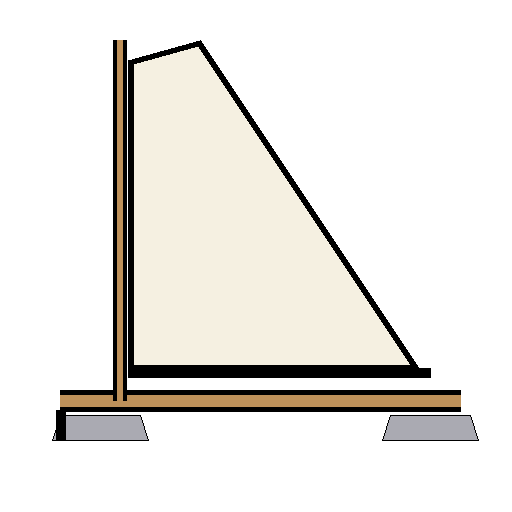
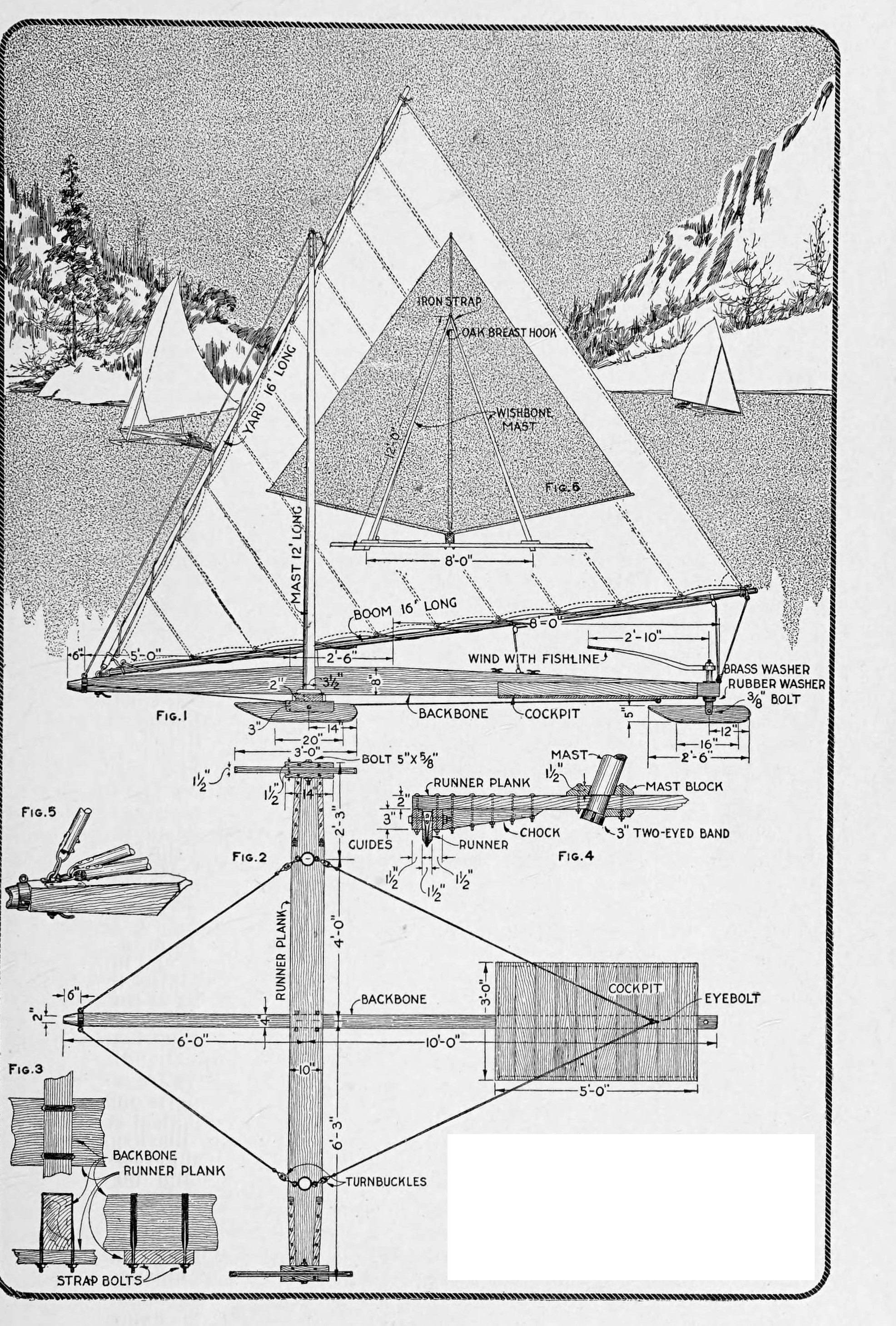
Wishbone-Mast Ice Yacht: 16 ft Backbone, Twin-Pole Mast and Double Lateen Booms (Boy Mechanic, 1919)
Woody

བཟོས་མཁན

Woody

13. སྤྱི་ཟླ་བཅུ་གཅིག་པ 2026NO
༡༢
༠
༠
༠
༠

Wishbone-Mast Ice Yacht: 16 ft Backbone, Twin-Pole Mast and Double Lateen Booms (Boy Mechanic, 1919)

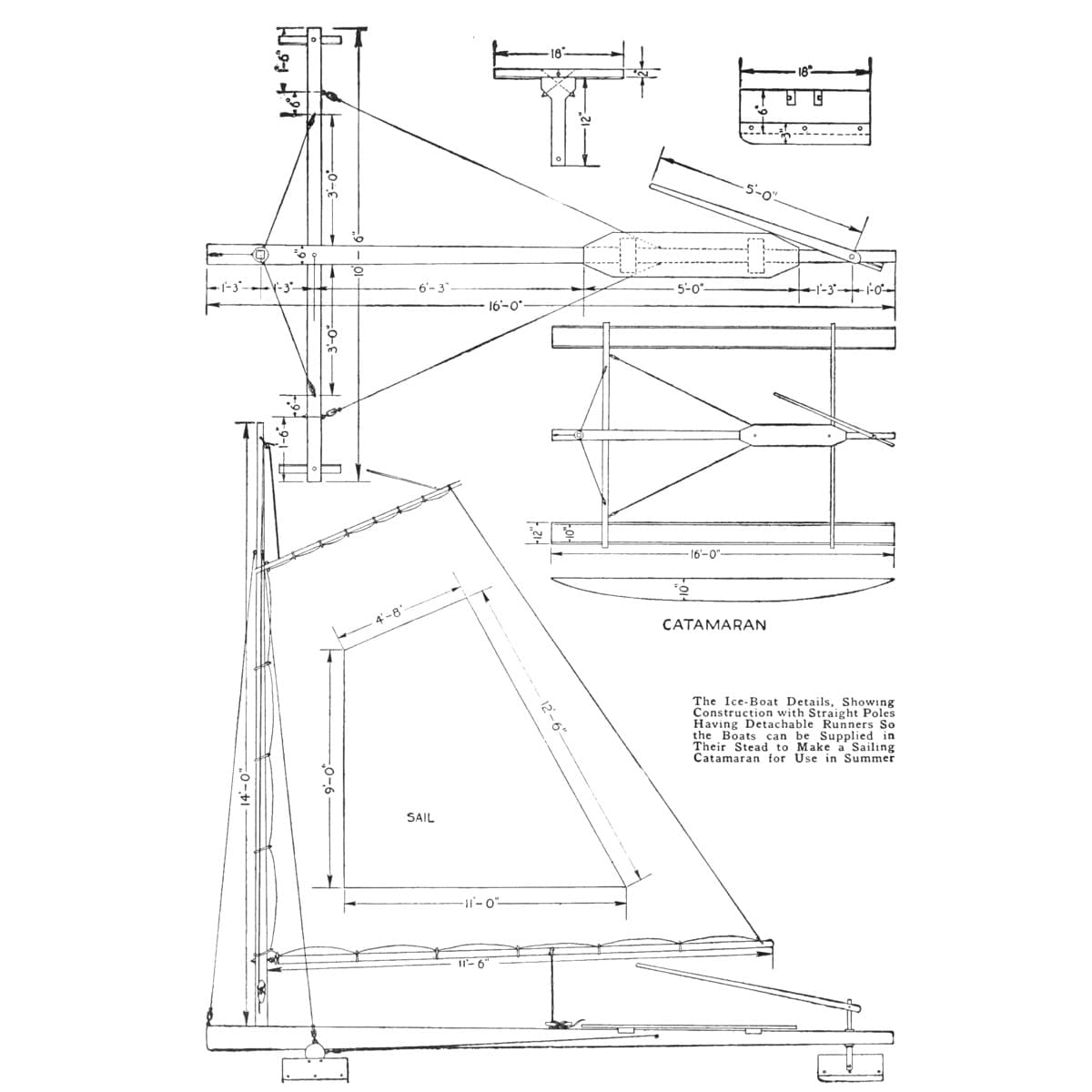
John F. Pjerrou's ice yacht from The Boy Mechanic, Book 3 (1919), for one or two passengers: a 16 ft spruce backbone on a 12 ft 6 in runner plank, oak runners shod with half-round iron, a mast of two 12 ft poles joined at the head, and two lateen sails on a yard and two 16 ft booms that spread into a V when running before the wind. It takes down for storage.
མཐོ་རིམ
Several weeks

ལམ་སྟོན

1

Main sizes and the mast's height

Jupyter ཚང་དེབ་མངོན་གསལ་འབད་དོ་…
2

Read The Boy Mechanic, Book 3

"The dimensions given are for a small yacht, and care must be taken, in adapting the design, to maintain proper proportions for stability and safety."
3

Make the backbone and runner plank

Use only the best straight-grained spruce or white pine. Backbone: 4 in thick, 16 ft long and 8 in high at the centre, with a ridge 8 in high and 2 ft 6 in long; taper it from the middle, 5 ft 6 in from the forward end, to 4 in at each end, and fit a three-eye metal ring at the bow (Figs. 1, 5). Runner plank: 2 in thick, 10 in wide, 12 ft 6 in long, tapered to 8 in at the ends. Set the backbone on the plank at right angles, 6 ft from the bow, and clamp them with two strap bolts, washers and nuts (Figs. 2, 3).

གོམ་པ་འདིའི་རྫས་རིགས:

ཐང་ཤིང་གི་ཤིང་ཆས།ཐང་ཤིང་གི་ཤིང་ཆས།2 དུམ་བུ།
Metal RingMetal Ring1 དུམ་བུ།
U-གཟེརU-གཟེར2 དུམ་བུ།
ལེབ་ཏོག་ཏོའི་ཝཱ་ཤར།ལེབ་ཏོག་ཏོའི་ཝཱ་ཤར།4 དུམ་བུ།
ཟུར་དྲུག་གི་ནཊ།ཟུར་དྲུག་གི་ནཊ།4 དུམ་བུ།

ལག་ཆས་དགོས་མཁོ:

ལག་སོག་ལེ།ལག་སོག་ལེ།
ལག་གི་ཤིང་བཞོག་ཆས།ལག་གི་ཤིང་བཞོག་ཆས།
ཡུ་བ་གཉིས་ཀྱི་བཤུས་གྲི།ཡུ་བ་གཉིས་ཀྱི་བཤུས་གྲི།
ལག་པ་གིས་འཁོར་བའི་སྦུབས་ཆས་དང་མགོ།ལག་པ་གིས་འཁོར་བའི་སྦུབས་ཆས་དང་མགོ།
ཚད་བསྒྱུར་ཚུགས་པའི་མཐེབ་ལྕགས།ཚད་བསྒྱུར་ཚུགས་པའི་མཐེབ་ལྕགས།
འཇལ་ཐགའཇལ་ཐག
སྣག་ཤིང་།སྣག་ཤིང་།
4

Fit the guides and forward runners

Bolt guides of straight-grained oak, 1-1/2 by 3 by 14 in, to the plank ends with 5/16 in carriage bolts, and bolt oak chocks at each tapered edge (Fig. 4). Make the forward runners of oak, 1-1/2 by 5 by 36 in, shaped at the ends as drawn, and shoe them with half-round strap iron held by screws with carefully countersunk heads. Pivot them on 5/8 in bolts (5 in long in Fig. 1), nuts to the inner side, with washers and jam nuts, or rivet the bolt ends slightly so the nuts cannot work loose.

གོམ་པ་འདིའི་རྫས་རིགས:

བེ་ཤིང་དཀརཔོའི་ལེབ།བེ་ཤིང་དཀརཔོའི་ལེབ།3 དུམ་བུ།
མགོ་ཟླུམ་གྱི་བོལ་ཊུ།མགོ་ཟླུམ་གྱི་བོལ་ཊུ།8 དུམ་བུ།
Half-Round Iron BarHalf-Round Iron Bar2 དུམ་བུ།
ཤིང་གི་སྒྲོགཤིང་གི་སྒྲོག1 དུམ་བུ།
ལེབ་ཏོག་ཏོའི་ཝཱ་ཤར།ལེབ་ཏོག་ཏོའི་ཝཱ་ཤར།4 དུམ་བུ།
ཟུར་དྲུག་གི་ནཊ།ཟུར་དྲུག་གི་ནཊ།4 དུམ་བུ།

ལག་ཆས་དགོས་མཁོ:

ལག་སོག་ལེ།ལག་སོག་ལེ།
ལག་གི་ཤིང་བཞོག་ཆས།ལག་གི་ཤིང་བཞོག་ཆས།
ལག་པ་གིས་འཁོར་བའི་སྦུབས་ཆས་དང་མགོ།ལག་པ་གིས་འཁོར་བའི་སྦུབས་ཆས་དང་མགོ།
ལག་འཕྲུལ་ཁུང་བཏོནལག་འཕྲུལ་ཁུང་བཏོན
ཕུག་ཁ་ཟུར་བཟོའི་ཕུག་ཆས་ཆ་ཚན།ཕུག་ཁ་ཟུར་བཟོའི་ཕུག་ཆས་ཆ་ཚན།
ལྕགས་གཏུབ་སོག་ལེ།ལྕགས་གཏུབ་སོག་ལེ།
ཚད་བསྒྱུར་ཚུགས་པའི་མཐེབ་ལྕགས།ཚད་བསྒྱུར་ཚུགས་པའི་མཐེབ་ལྕགས།
5

Make the stern runner and steering

Make the stern runner of oak, 1-1/2 by 5 by 30 in, shod like the others. Pivot it on a 3/8 in bolt in a hanger of heavy iron strip bent into a U and riveted to a vertical shaft. Put a heavy rubber washer, protected by a metal one, on the shaft; thread its upper end for a washer and nut, slip a section of pipe over the shaft, and clamp the steering handle (2 ft 10 in in Fig. 1) on a squared part of the shaft. The hanger may be forged, or made by a blacksmith.

གོམ་པ་འདིའི་རྫས་རིགས:

བེ་ཤིང་དཀརཔོའི་ལེབ།བེ་ཤིང་དཀརཔོའི་ལེབ།1 དུམ་བུ།
Half-Round Iron BarHalf-Round Iron Bar1 དུམ་བུ།
ལྕགས་འཇམ་གྱི་ལེབ་ཤིང་།ལྕགས་འཇམ་གྱི་ལེབ་ཤིང་།1 དུམ་བུ།
ལྕགས་འཇམ་གྱི་ལྕགས་ཕྲེང་སྒོར་སྒོརམ།ལྕགས་འཇམ་གྱི་ལྕགས་ཕྲེང་སྒོར་སྒོརམ།1 དུམ་བུ།
ལྕགས་ཀྱི་གཟེར་ཆུང་།ལྕགས་ཀྱི་གཟེར་ཆུང་།2 དུམ་བུ།
མགོ་ཟླུམ་གྱི་བོལ་ཊུ།མགོ་ཟླུམ་གྱི་བོལ་ཊུ།1 དུམ་བུ།
Rubber WasherRubber Washer1 དུམ་བུ།
ལེབ་ཏོག་ཏོའི་ཝཱ་ཤར།ལེབ་ཏོག་ཏོའི་ཝཱ་ཤར།2 དུམ་བུ།
ཟུར་དྲུག་གི་ནཊ།ཟུར་དྲུག་གི་ནཊ།2 དུམ་བུ།
ཛིང་བྱུགས་ཡོད་པའི་ལྕགས་ཀྱི་དོང་བུ།ཛིང་བྱུགས་ཡོད་པའི་ལྕགས་ཀྱི་དོང་བུ།1 དུམ་བུ།

ལག་ཆས་དགོས་མཁོ:
མགར་ཐབ།མགར་ཐབ།
མགར་བའི་རྡོ་ལེབ།མགར་བའི་རྡོ་ལེབ།
ཐོ་བ།ཐོ་བ།
ལས་ཅོག་གི་འཛིན་ཆས།ལས་ཅོག་གི་འཛིན་ཆས།
ལྕགས་གཏུབ་སོག་ལེ།ལྕགས་གཏུབ་སོག་ལེ།
ལག་འཕྲུལ་ཁུང་བཏོནལག་འཕྲུལ་ཁུང་བཏོན
བཤེར་ཆས (ལག་པའི་བཤེར་ཆས)བཤེར་ཆས (ལག་པའི་བཤེར་ཆས)
ཚད་བསྒྱུར་ཚུགས་པའི་མཐེབ་ལྕགས།ཚད་བསྒྱུར་ཚུགས་པའི་མཐེབ་ལྕགས།
6

Build the cockpit

Fix a cockpit 5 ft long and 3 ft wide, with 4 in coaming, to the lower side of the backbone toward the stern; fasten its floor to the backbone with lag screws and fasten the coaming securely. Square corners are easiest; rounded ends with steamed, bent coaming are better. Larger craft may carry it on ribs.

གོམ་པ་འདིའི་རྫས་རིགས:

ཐང་ཤིང་གི་ལེབ།ཐང་ཤིང་གི་ལེབ།4 དུམ་བུ།
ཤིང་གི་ཟེར་མ་ལྗིད་པོ།ཤིང་གི་ཟེར་མ་ལྗིད་པོ།6 དུམ་བུ།
ཤིང་གི་སྒྲོགཤིང་གི་སྒྲོག1 དུམ་བུ།

ལག་ཆས་དགོས་མཁོ:

ལག་སོག་ལེ།ལག་སོག་ལེ།
ལག་པ་གིས་འཁོར་བའི་སྦུབས་ཆས་དང་མགོ།ལག་པ་གིས་འཁོར་བའི་སྦུབས་ཆས་དང་མགོ།
ཚད་བསྒྱུར་ཚུགས་པའི་མཐེབ་ལྕགས།ཚད་བསྒྱུར་ཚུགས་པའི་མཐེབ་ལྕགས།
འཇལ་ཐགའཇལ་ཐག
7

Square up and stay the frame

Line up runners, plank and backbone at right angles so the craft tracks true. Hold them with four 1/4 in wire-rope stays with turnbuckles, from eyes on the bow band and on the bands at the plank ends to an eyebolt below the cockpit (Fig. 2). Loop each rope end and clamp the eye with steel clamps made for the purpose (wire-rope clips); metal thimbles in the loops make a better finish.

གོམ་པ་འདིའི་རྫས་རིགས:

Wire RopeWire Rope1 དུམ་བུ།
TurnbuckleTurnbuckle4 དུམ་བུ།
མཛུབ་ཁེབས།མཛུབ་ཁེབས།8 དུམ་བུ།
Wire Rope ClipWire Rope Clip8 དུམ་བུ།
མིག་ཡོད་པའི་སྒོར་ཐག།མིག་ཡོད་པའི་སྒོར་ཐག།1 དུམ་བུ།

ལག་ཆས་དགོས་མཁོ:

ལྕགས་གཏུབ་སོག་ལེ།ལྕགས་གཏུབ་སོག་ལེ།
ཚད་བསྒྱུར་ཚུགས་པའི་མཐེབ་ལྕགས།ཚད་བསྒྱུར་ཚུགས་པའི་མཐེབ་ལྕགས།
འཇལ་ཐགའཇལ་ཐག
8

Make the wishbone mast

Shape two poles of hickory or ash, 3-1/2 in thick at the base and 2 in at the top (12 ft in Fig. 6). Join them carefully at the masthead, bolt them together into an oak breast hook, and reinforce the joint with an iron strap with an eye at its upper end for the forward stay. Step the lower ends in sockets in the runner plank, about 8 ft apart, reinforced with oak mast blocks, and fit their projecting ends with 3 in two-eyed bands for the stays (Figs. 4, 6).

གོམ་པ་འདིའི་རྫས་རིགས:

ཤིང་གི་ཀ་བ།ཤིང་གི་ཀ་བ།2 དུམ་བུ།
བེ་ཤིང་དཀརཔོའི་ལེབ།བེ་ཤིང་དཀརཔོའི་ལེབ།1 དུམ་བུ།
ལྕགས་འཇམ་གྱི་ལེབ་ཤིང་།ལྕགས་འཇམ་གྱི་ལེབ་ཤིང་།1 དུམ་བུ།
མགོ་ཟླུམ་གྱི་བོལ་ཊུ།མགོ་ཟླུམ་གྱི་བོལ་ཊུ།2 དུམ་བུ།
ཟུར་དྲུག་གི་ནཊ།ཟུར་དྲུག་གི་ནཊ།2 དུམ་བུ།

ལག་ཆས་དགོས་མཁོ:

ཡུ་བ་གཉིས་ཀྱི་བཤུས་གྲི།ཡུ་བ་གཉིས་ཀྱི་བཤུས་གྲི།
ལག་གི་ཤིང་བཞོག་ཆས།ལག་གི་ཤིང་བཞོག་ཆས།
ལག་སོག་ལེ།ལག་སོག་ལེ།
ལག་པ་གིས་འཁོར་བའི་སྦུབས་ཆས་དང་མགོ།ལག་པ་གིས་འཁོར་བའི་སྦུབས་ཆས་དང་མགོ།
གཟོང་རྣམས།གཟོང་རྣམས།
མགར་ཐབ།མགར་ཐབ།
མགར་བའི་རྡོ་ལེབ།མགར་བའི་རྡོ་ལེབ།
ཐོ་བ།ཐོ་བ།
9

Make the yard and booms

Make the yard and two booms of hickory or ash, each 16 ft long, 2-3/4 in at the middle tapering to 1-1/2 in at the ends, with metal rings on the ends against splitting. Bolt loops to their forward ends to engage an eyebolt and ring on the backbone at the bow; set the eyebolt in a slotted plate of 3/16 in sheet iron, fastened by a lever nut (Fig. 5).

གོམ་པ་འདིའི་རྫས་རིགས:

ཤིང་གི་ཀ་བ།ཤིང་གི་ཀ་བ།3 དུམ་བུ།
Metal RingMetal Ring6 དུམ་བུ།
མིག་ཡོད་པའི་སྒོར་ཐག།མིག་ཡོད་པའི་སྒོར་ཐག།1 དུམ་བུ།
ལྕགས་འཇམ་གྱི་ལེབ་ཤོགལྕགས་འཇམ་གྱི་ལེབ་ཤོག1 དུམ་བུ།
ལྕགས་འཇམ་གྱི་ལེབ་ཤིང་།ལྕགས་འཇམ་གྱི་ལེབ་ཤིང་།1 དུམ་བུ།
མགོ་ཟླུམ་གྱི་བོལ་ཊུ།མགོ་ཟླུམ་གྱི་བོལ་ཊུ།3 དུམ་བུ།
ཟུར་དྲུག་གི་ནཊ།ཟུར་དྲུག་གི་ནཊ།3 དུམ་བུ།

ལག་ཆས་དགོས་མཁོ:

ཡུ་བ་གཉིས་ཀྱི་བཤུས་གྲི།ཡུ་བ་གཉིས་ཀྱི་བཤུས་གྲི།
ལག་གི་ཤིང་བཞོག་ཆས།ལག་གི་ཤིང་བཞོག་ཆས།
ལྕགས་གཏུབ་སོག་ལེ།ལྕགས་གཏུབ་སོག་ལེ།
ལག་འཕྲུལ་ཁུང་བཏོནལག་འཕྲུལ་ཁུང་བཏོན
བཤེར་ཆས (ལག་པའི་བཤེར་ཆས)བཤེར་ཆས (ལག་པའི་བཤེར་ཆས)
ལས་ཅོག་གི་འཛིན་ཆས།ལས་ཅོག་གི་འཛིན་ཆས།
10

Sew the sails

Make two lateen sails of 8-oz unbleached cotton duck: lap the breadths about 1 in and stitch along the edge (or fold 1 in and double-stitch), the seams parallel to the leech. Reinforce each corner with a triangular patch of duck and bind the edges with 1/4 in tarred rope, using a sailor's palm, a diamond-pointed needle and sail twine, well waxed (the wax is ours: beeswax). Along the yard and boom edges punch holes, set two 3/4 in brass grommet rings in each, one each side, and overcast them with buttonhole stitch. Sew in reef points of 1/8 in cotton rope, whipped at the ends.

གོམ་པ་འདིའི་རྫས་རིགས:

རས་ཆེན་གོས་ཆས།རས་ཆེན་གོས་ཆས།1 དུམ་བུ།
Sail TwineSail Twine1 དུམ་བུ།
སྦྲང་ཞུན།སྦྲང་ཞུན།1 དུམ་བུ།
Tarred RopeTarred Rope1 དུམ་བུ།
Brass GrommetBrass Grommet40 དུམ་བུ།
རས་བལ་གྱི་ཐག་པ།རས་བལ་གྱི་ཐག་པ།1 དུམ་བུ།

ལག་ཆས་དགོས་མཁོ:
Sailor's PalmSailor's Palm
Sail NeedleSail Needle
ཤོག་བུ་ལུ་བུ་ག་བཏོད་ནིའི་ལག་ཆས།ཤོག་བུ་ལུ་བུ་ག་བཏོད་ནིའི་ལག་ཆས།
ཇེམ་ཙི།ཇེམ་ཙི།
འཇལ་ཐགའཇལ་ཐག
11

Set up and rig

Fit the forward ring and strap bolts, the runners and steering, then step the mast, clamp the masthead and fit the bands; set the bottom stays and the masthead stay with the turnbuckles. Lace the sails to yard and booms and fix the forward ends at the bow. Run a 3/8 in halyard from the yard through a pulley at the masthead and a second on the runner plank to cleats by the cockpit, and haul up so the sails set. Lash the main sheets to the boom ends, through pulleys at the stern of the backbone and on the booms about 1 ft and 5 ft from their ends, then to cleats at the cockpit; the second boom needs a duplicate set. Taking down is the reverse.

གོམ་པ་འདིའི་རྫས་རིགས:

ཐག་པ།ཐག་པ།1 དུམ་བུ།
ཐག་འཁོརཐག་འཁོར6 དུམ་བུ།
CleatCleat4 དུམ་བུ།
ཤིང་གི་སྒྲོགཤིང་གི་སྒྲོག1 དུམ་བུ།

ལག་ཆས་དགོས་མཁོ:

ཚད་བསྒྱུར་ཚུགས་པའི་མཐེབ་ལྕགས།ཚད་བསྒྱུར་ཚུགས་པའི་མཐེབ་ལྕགས།
ལག་འཕྲུལ་ཁུང་བཏོནལག་འཕྲུལ་ཁུང་བཏོན
12

Finish

Smooth the masts, yard and booms, sandpaper them lightly and give them several coats of spar varnish; paint the other woodwork. He gives the metal fittings two coats of red lead "or other good paint for use on metals exposed to the weather": red lead is a lead poison, so use the other paint.

གོམ་པ་འདིའི་རྫས་རིགས:

བྱེ་མའི་ཤོག་ཀུབྱེ་མའི་ཤོག་ཀུ1 དུམ་བུ།
Spar VarnishSpar Varnish1 དུམ་བུ།
སྣུམ་ཚོན།སྣུམ་ཚོན།1 དུམ་བུ།

ལག་ཆས་དགོས་མཁོ:

ཚོན་པིར་ཡངས་ཏོག་ཏོ།ཚོན་པིར་ཡངས་ཏོག་ཏོ།
13

Sailing and troubleshooting

Ice yacht sailing.

Flow

Loading...
14

History and honest limits

From "A Wishbone-Mast Ice Yacht" by John F. Pjerrou, in **The Boy Mechanic, Book 3**, Popular Mechanics, 1919 (Project Gutenberg 71856; checked on the archive.org scan boymechanic0003unse, pp. 17-20). He gives no sail outline sizes. The tools, the metric figures and the choice of the non-lead paint he allows are ours.

རྫས་རིགས

35

ལག་ཆས་དགོས་མཁོ

21

བིལུ་པིརིན་ཊི་འདི་གིས་བཟོ་མི

འབྲེལ་ཡོད་བིལུ་པིརིན་ཊི

བིལུ་པིརིན་ཊི་འདི་ཚུ་ཐབས་ལམ་དང་རྫས་རིགས། སྤྱི་ཆོས་བགོ་བཤའ་བྱེད
CC0 སྤྱི་དབང

བིལུ་པིརིན་ཊི་འདི་CC0 འོག་བཀྲམས་ཡོད། ཁྱེད་རང་གིས་ཆོག་མཆན་མ་བཞེས་པར་ཕབ་ལེན་དང་བཟོ་བཅོས། བགོ་བཤའ། དགོས་མཁོ་གང་ལའང་བཀོལ་སྤྱོད་བྱས་ཆོག

བཟོ་མཁན་ལ་རྒྱབ་སྐྱོར་བྱེད་པའི་ཆེད་ཁོང་ཚོའི་བིལུ་པིརིན་ཊི་བརྒྱུད་ཐོན་སྐྱེད་ཉོ། བཟོ་མཁན་གྱིས བཟོ་མཁན་གྱི་ཁེ་ཕོགས ཚོང་པས་གཏན་འཁེལ་བྱས་པ། ཡང་ན་བིལུ་པིརིན་ཊི་འདིའི་པར་གསར་བཟོས་ཏེ་ཁྱེད་རང་གི་བིལུ་པིརིན་ཊི་ནང་མཐུད་སྦྲེལ་བྱས་ཏེ་ཡོང་སྒོ་བགོ་བཤའ་བྱེད།

གྲོས་བསྡུར

(0)

ནང་འཛུལ གྲོས་བསྡུར་ནང་མཉམ་ཞུགས་ཆེད

བསམ་ཚུལ་ཚུ་ཐོབ་བཞིན...